Why Are My Knees Hot and When Is It Concerning?
Knees may feel hot after exercise, prolonged standing, or minor strain because blood flow temporarily increases around the joint. However, persistent warmth—especially with swelling, redness, pain, fever, or difficulty bearing weight—can signal inflammation, injury, infection, or another condition that should be assessed by a clinician.
Overview: What Does a Hot Knee Mean?
People asking, “why are my knees hot?” are usually noticing warmth over the skin around one or both knee joints. A brief, mild increase in warmth is often harmless. It may happen after walking, exercise, kneeling, climbing stairs, or spending a long time on the feet, when blood flow increases to working muscles and tissues.
When warmth persists or comes with pain, swelling, stiffness, redness, or reduced movement, it can be a sign of inflammation. Inflammation is the body’s response to irritation, injury, wear-related joint changes, crystals in the joint, immune-related disease, or infection. The warmth itself does not establish a diagnosis; the pattern of symptoms and how quickly they developed are important.
One warm knee deserves more attention than two mildly warm knees after a shared activity, particularly if the difference is obvious to touch. A sudden hot, swollen knee should not be assumed to be ordinary overuse. Early assessment helps clinicians rule out causes that require prompt treatment.
When to Seek Medical Care
Urgent medical assessment is appropriate if a knee becomes suddenly hot, swollen, red, and very painful; if a person cannot comfortably bear weight; or if there is fever, chills, marked fatigue, or a general sense of being unwell. These features can occur with a joint infection, also called septic arthritis, which needs rapid evaluation to protect the joint and overall health.
Medical advice should also be sought promptly after a significant fall, twist, impact, or penetrating injury, especially if the knee looks deformed, locks, gives way, or cannot be straightened. New calf swelling, calf pain, shortness of breath, or chest pain requires urgent care because these symptoms can have causes outside the knee joint that need immediate attention.
A non-urgent appointment is sensible when knee warmth lasts more than a few days, repeatedly returns, interferes with daily activities, or occurs with ongoing swelling or morning stiffness. People with diabetes, immune suppression, a recent joint procedure, an artificial joint, or a history of gout should have a low threshold for contacting a doctor about a hot knee.
Common Reasons Knees Feel Warm

Temporary overuse is a common explanation. A new workout, long hike, repeated squatting, gardening, or an increase in usual activity can irritate tissues around the knee. The knee may feel warm and achy afterward, but symptoms usually improve with reduced activity and recovery time.
Osteoarthritis can also cause episodic warmth and swelling. This condition involves changes in joint cartilage and nearby bone and can make the knee ache with use, feel stiff after rest, and sometimes swell after a busy day. It is not simply an inevitable part of aging; treatment can help people manage symptoms and remain active. Learn more about osteoarthritis.
Inflammation may arise in the joint itself or in nearby structures. Examples include bursitis, which affects a fluid-filled cushioning sac, tendon irritation, and synovitis, meaning inflammation of the joint lining. Meniscus or ligament injuries can also lead to swelling and warmth, sometimes after a recognizable twist or sporting injury.
Some conditions cause sudden attacks of joint inflammation. Gout occurs when urate crystals collect in a joint, while calcium crystal arthritis can cause similar symptoms. Although gout more often affects the big toe, it can affect the knee. Autoimmune inflammatory arthritis, including rheumatoid arthritis, may cause persistent warmth, swelling, and prolonged stiffness, often involving more than one joint.
Less Common but Important Causes
A joint infection can develop when bacteria or, less commonly, other organisms enter a joint. It may occur after bacteria travel through the bloodstream, after an injury, or following a procedure, though a clear source is not always found. Pain, swelling, warmth, and reduced movement may develop quickly. Fever may be present but is not universal, so a hot, very painful knee should be evaluated promptly even without fever.
Skin and soft-tissue infections around the knee can also make the area appear red and feel warm. The source may be a cut, insect bite, skin condition, or wound. Redness that spreads, worsening tenderness, drainage, fever, or red streaks on the skin require urgent clinical review.
Bleeding into the joint, called hemarthrosis, may cause swelling, pressure, and warmth after an injury. It is more likely in people taking anticoagulant medicines or those with a bleeding disorder. A clinician should assess a rapid, unexplained knee swelling, particularly after trauma or in anyone using blood-thinning medication.
Rarely, pain and warmth are referred from another area or accompany a circulation problem. This is why the entire leg, not only the knee, should be considered. New one-sided leg swelling or breathing symptoms should never be managed as a routine knee complaint at home.
Clues That Help Identify the Cause
The timing and trigger can provide useful clues. Warmth immediately after strenuous activity that settles with rest is more consistent with temporary tissue irritation. Symptoms that start suddenly overnight or over a few hours, especially with major swelling and severe pain, may suggest crystal arthritis, infection, or bleeding and need more timely assessment.
The location of tenderness matters as well. Pain deep inside the knee with fluid-like swelling may come from the joint, while tenderness directly over the kneecap may occur with prepatellar bursitis. Pain at the joint line after a twist can occur with a meniscus injury, although examination and, when needed, imaging are required to confirm the cause.
Associated symptoms can help distinguish patterns. Morning stiffness lasting a long time, pain in several joints, fatigue, or recurring flares can point toward inflammatory arthritis. Clicking, locking, instability, or pain after a specific injury may suggest a structural problem. However, symptoms overlap, and self-diagnosis cannot reliably exclude infection or other urgent conditions.
How Doctors Assess a Hot Knee
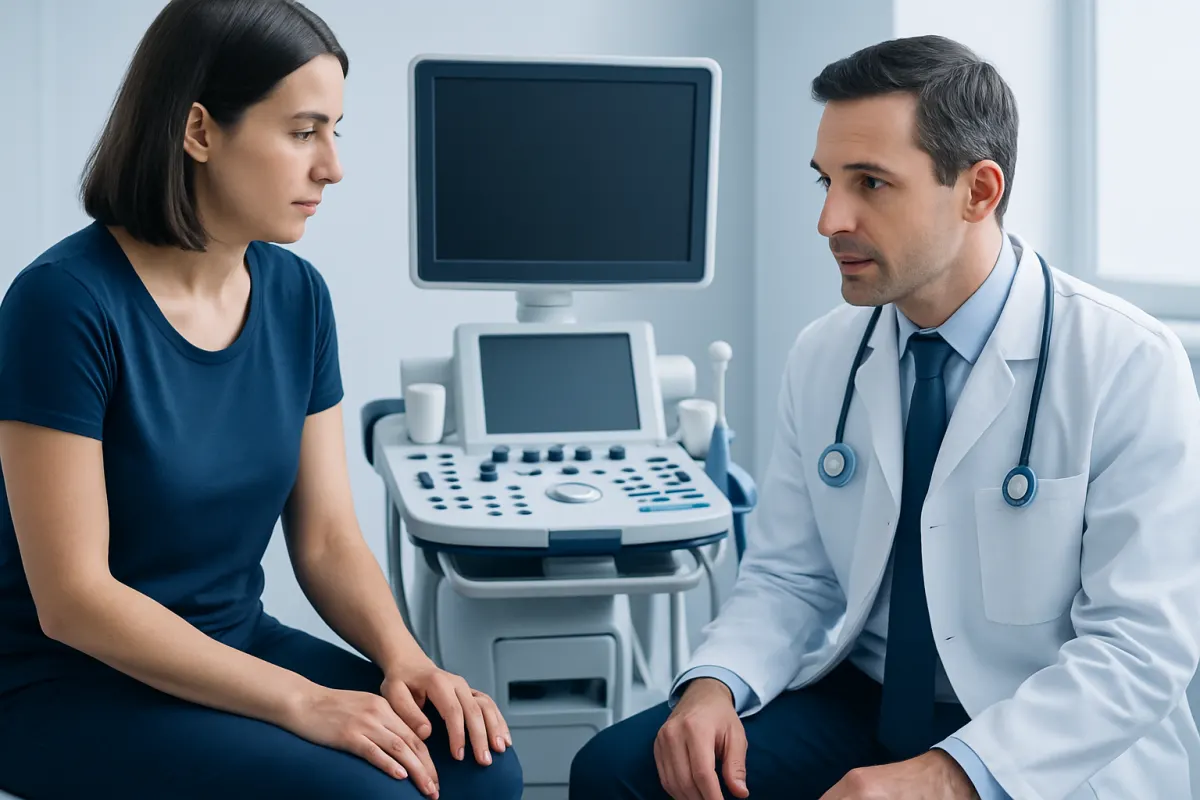
A clinician will ask when the warmth began, whether there was injury or unusual activity, and whether symptoms are getting better or worse. They will also ask about fever, recent illness, skin wounds, medications, previous joint problems, family history, and conditions such as gout, arthritis, diabetes, or immune-system disorders.
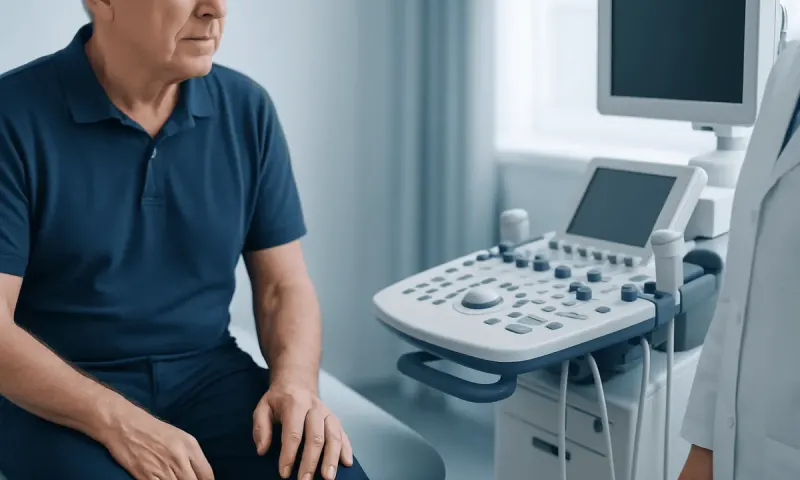
During the examination, the doctor compares both knees for temperature, swelling, redness, tenderness, stability, range of motion, and fluid within the joint. They may examine the hip, lower leg, skin, and circulation as well. This careful clinical assessment often guides which tests, if any, are needed.
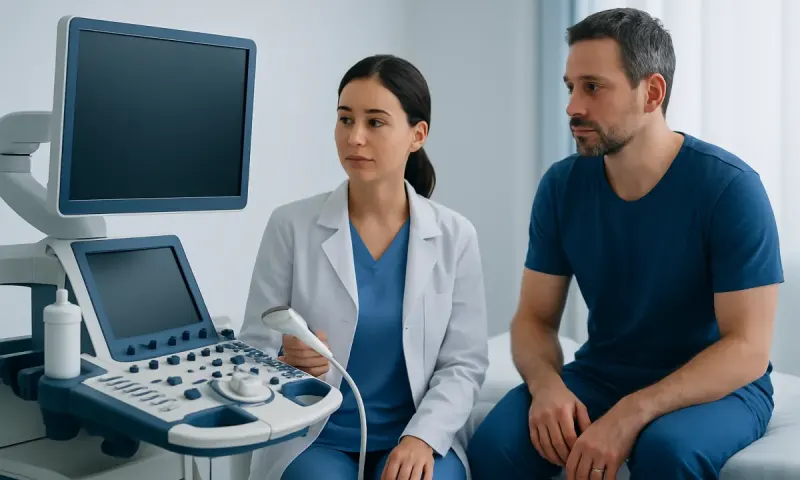
Tests may include X-rays to look for bone or osteoarthritis changes, ultrasound to identify fluid or soft-tissue changes, or MRI for selected injuries involving cartilage, ligaments, or tendons. Blood tests can look for signs of inflammation, infection, or metabolic causes. When there is substantial joint fluid or concern about infection or crystals, a doctor may use a needle to remove and test fluid from the knee; this can be important for reaching a safe diagnosis.
Treatment and Safe Self-Care
Treatment depends on the cause. Overuse-related symptoms may improve with temporarily reducing aggravating activities, using a cold pack wrapped in cloth for short periods, elevating the leg when resting, and gradually returning to activity as symptoms settle. Gentle movement can help prevent stiffness, but painful or high-impact exercise should be paused until the knee is improving or has been assessed.
A pharmacist or clinician can advise whether pain-relieving medicine is appropriate. Not every medicine is suitable for every person: anti-inflammatory medicines may be unsafe for people with certain kidney, stomach, heart, bleeding, or medication-related risks. It is best to seek individual advice rather than using medication to continue an activity that is causing significant pain.
For osteoarthritis, care may include tailored exercise, physiotherapy, weight management when relevant, supportive braces or walking aids, and pain-management strategies. Persistent or advanced cases can be evaluated for options such as Hip Replacement Surgery?" class="ahp-ilk">Replacement Surgery: Candidates, Implant Types, and Recovery" class="ahp-ilk">knee replacement surgery when appropriate. Inflammatory arthritis, gout, bursitis, and injuries have different treatment plans, which is why identifying the cause matters.
Do not massage, heavily compress, or apply heat to a knee that is rapidly swelling, red, very painful, or associated with fever. These measures do not treat a possible infection or serious inflammation and may delay appropriate care.
Prevention, Follow-Up, and Specialist Care
Not every cause of a warm knee can be prevented, but gradual changes in exercise intensity can reduce overuse injuries. Supportive footwear, strength training focused on the hips and legs, flexibility work, recovery days, and attention to technique may help protect the knee. Maintaining a weight that is healthy for the individual can also reduce load on the knee joint.
People with recurrent symptoms may benefit from a clinician-guided exercise or physiotherapy plan rather than stopping all movement. Keeping brief notes about flares—such as duration, activity, swelling, other symptoms, and foods or medicines if gout is suspected—can make a medical appointment more productive.
Acıbadem Health Point’s multidisciplinary specialists and JCI-accredited hospitals assess and treat knee conditions for international patients, including orthopedic, rheumatologic, and rehabilitation needs. The right next step is based on the individual’s symptoms, examination findings, and medical history rather than on warmth alone.
Frequently asked questions
01Can exercise make knees feel hot?
Yes. Exercise and increased activity can temporarily increase blood flow and irritate tissues around the knee, making it feel warmer than usual. The warmth should generally improve with rest and recovery; persistent swelling or significant pain should be assessed.
02Why is one knee hotter than the other?
One knee may be warmer because of a local problem such as overuse, injury, bursitis, osteoarthritis flare, crystal arthritis, or infection. A clear new temperature difference with pain or swelling is a reason to contact a healthcare professional, particularly if symptoms developed quickly.
03Is a hot knee always arthritis?
No. Arthritis is one possible cause, but a warm knee can also follow exercise or injury and can result from bursitis, tendon irritation, gout, skin infection, or joint infection. A clinician can distinguish these conditions through the symptom pattern, examination, and tests when needed.
04Should a hot knee be treated with ice or heat?
A cold pack wrapped in cloth may help short-term after activity or a minor injury when there is mild swelling. Avoid relying on home treatment if the knee is red, rapidly swelling, severely painful, or associated with fever; urgent assessment is more important in these situations.
05When is a hot knee an emergency?
A hot knee needs urgent evaluation when it is suddenly very painful, swollen, red, difficult to move, or accompanied by fever, chills, or feeling unwell. Urgent care is also needed after serious trauma, if weight bearing is not possible, or if leg swelling is accompanied by shortness of breath or chest pain.
06What tests may be needed for a warm swollen knee?
A doctor may use an examination, X-ray, ultrasound, MRI, or blood tests depending on the suspected cause. If fluid has collected in the joint, testing a sample of that fluid can help check for infection, crystals, or bleeding.
This article is for general information only and is not a substitute for professional medical advice. Please consult a qualified doctor about your individual situation.
Joint and spine care in Turkey — expert assessment & treatment
JCI-accredited · board-certified surgeons · reply within 24h
Add us as a Preferred Source to see more of our trusted health content across Google Search, AI Overviews and Discover.