Knee Anatomy: Bones, Muscles and Function

Key Takeaways
- The knee is not just one joint; it is a complex structure made of bones, cartilage, ligaments, menisci, muscles, and tendons.
- Its design balances mobility and stability, which is why injuries can affect walking, sports, and everyday movement.
- Pain, swelling, locking, or giving way may point to irritation or damage in different knee structures.
- Imaging and physical examination help doctors identify which part of the knee is involved.
- Simple self-care may help minor strains, but persistent symptoms deserve medical evaluation.
The knee is a large, highly coordinated joint that helps the body walk, bend, climb, and absorb impact. Understanding knee anatomy can make it easier to recognize why pain, swelling, or instability happens and what may help.
Overview
The knee is one of the body’s busiest joints. Every step, squat, turn, or stair climb asks it to carry weight while still moving smoothly. That combination makes the knee remarkable, but it also means that even small changes in its anatomy can be felt quickly in daily life.
From a structural point of view, the knee is the meeting point of the thigh bone, shin bone, and kneecap. These bones are guided by cartilage, menisci, ligaments, tendons, and muscles working together. For patients deciding whether to seek care at home or while traveling, knowing the main parts of the knee can help explain why one person has stiffness, another has swelling, and another feels the joint “give way.”
This article breaks the knee down into its main building blocks in clear terms, so the joint feels less mysterious and symptoms are easier to understand.
Key parts of the knee

- Femur: the upper bone forming the top part of the joint.
- Tibia: the main weight-bearing lower leg bone.
- Patella: the kneecap, which improves leverage for the front thigh muscles.
- Menisci: shock-absorbing cartilage pads between the bones.
- Ligaments: strong bands that guide and stabilize movement.
How the knee moves and stays stable

Movement in the knee is a careful balance between flexibility and control. When the quadriceps muscles on the front of the thigh contract, they straighten the knee. The hamstrings at the back of the thigh help bend it and support control during walking and running. The calf muscles also contribute to stability and load transfer.
The kneecap sits within a groove at the front of the femur and acts like a pulley. This improves the mechanical advantage of the quadriceps, making it easier to stand, climb stairs, or rise from a chair. Smooth tracking of the patella depends on the surrounding muscles, alignment, and soft tissues.
Stability comes from more than one structure. The ligaments guide motion, the menisci help distribute pressure, and the muscles actively protect the joint. When one part is injured or inflamed, the others often have to compensate, which is why knee symptoms may feel broader than the original problem.
Common symptoms linked to knee anatomy
Different symptoms can suggest different structures are involved. Pain at the front of the knee may come from the patella or the tissues around it. Pain along the inner or outer side may point to the collateral ligaments, meniscus, or nearby tendons. Deep pain inside the joint can be harder to localize and may be related to cartilage, inflammation, or internal injury.
Swelling usually means the joint is reacting to irritation, injury, or excess fluid. A knee that catches, locks, or feels stuck may have a meniscal problem or loose tissue inside the joint. A feeling of giving way can be linked to ligament injury, muscle weakness, or poor neuromuscular control.
Stiffness after sitting, pain when climbing stairs, or discomfort during twisting movements can also offer clues. Symptoms do not always reveal the exact diagnosis on their own, but they help doctors decide which structures to examine more closely.
Causes and risk factors
Knee problems often begin with a mix of anatomy, activity, and life circumstances. Sports that involve jumping, pivoting, sudden stops, or contact can stress the ligaments and menisci. Repetitive kneeling, squatting, or stair use may irritate the patellofemoral joint or surrounding tendons. A direct fall or twist can injure the bones, cartilage, or soft tissues.
Age can also change the knee’s environment. Over time, cartilage may become thinner and less resilient, which can contribute to Pain Relief, and Mobility Care" class="ahp-ilk">osteoarthritis. Muscle weakness, previous injury, foot or hip alignment issues, and excess body weight may increase strain on the joint.
For international patients, these factors matter when planning care across borders. A long flight, a different level of daily activity during travel, or delayed access to follow-up can sometimes make a stable knee problem feel more difficult. That is why history, physical examination, and a clear recovery plan are important before and after treatment.
How doctors evaluate the knee
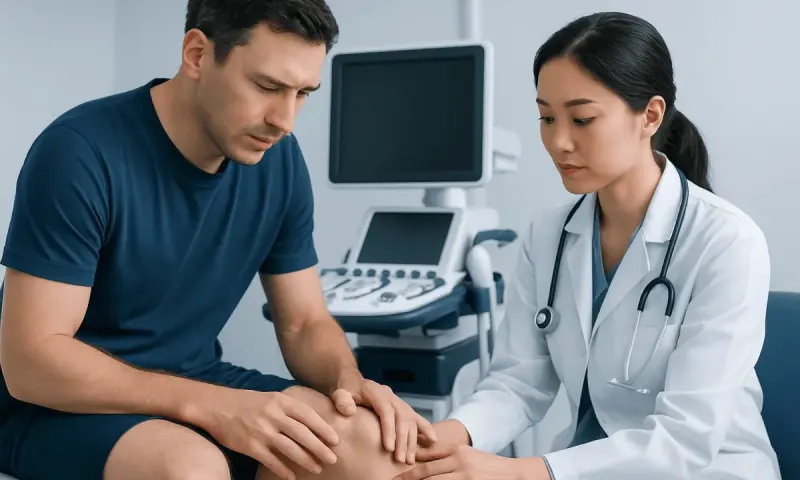
Diagnosis usually begins with a detailed conversation about how the symptoms started, what movements worsen them, and whether there was a twist, fall, or sports injury. The doctor then examines the knee for tenderness, swelling, range of motion, alignment, and stability. Specific tests can help point toward ligament or meniscus involvement.
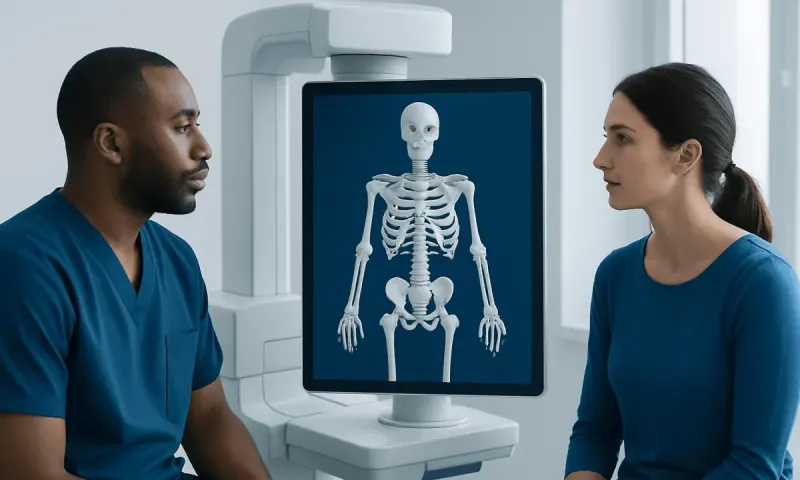
Imaging may be used depending on the concern. X-rays show bone position, joint spacing, and signs of arthritis or fracture. MRI provides more detail about ligaments, menisci, cartilage, and other soft tissues. In some situations, ultrasound or additional imaging may be helpful, especially when evaluating surrounding tendons or fluid collections.
A careful diagnosis matters because many knee problems can feel similar at first. Pain is not always where the underlying issue is located, and symptoms can overlap. A targeted assessment helps match the treatment plan to the actual structure involved rather than to the symptom alone.
Treatment options
Treatment depends on what part of the knee is affected and how severe the problem is. Minor strains, irritation, and overuse injuries may improve with rest, activity modification, ice, compression, and elevation. Gentle movement and guided rehabilitation often help restore function while preventing stiffness.
Physical therapy is frequently central to recovery. Exercises may focus on strengthening the quadriceps, hamstrings, hips, and core, improving balance, and correcting movement patterns that stress the knee. Supportive braces, taping, or footwear changes may be recommended in some cases.
When structural damage is present, other treatments may be considered. These can include medications for pain and inflammation, injections in selected conditions, or surgery for problems such as certain ligament tears, meniscal injuries, or advanced joint wear. The right approach depends on age, activity goals, tissue damage, and the person’s overall health.
Recovery planning is especially important for patients who travel for care. Follow-up appointments, rehabilitation schedules, and return-to-activity guidance should be discussed clearly before the patient leaves the hospital or returns home.
Prevention and self-care
Not every knee problem can be prevented, but the joint usually does better when the muscles around it are strong and movement is balanced. Regular exercise that includes strength, flexibility, and balance work can reduce strain. Warming up before activity and increasing training intensity gradually also helps protect the knee.
Healthy body mechanics matter in everyday life. Using good technique for lifting, climbing stairs, or exercising can lower the load on the joint. Appropriate shoes, attention to surface conditions, and pacing during long walks or sports may also reduce irritation.
For mild discomfort, temporary modification of activity is often more helpful than complete rest. Short walks, light range-of-motion exercises, and avoiding movements that trigger sharp pain can support recovery. If symptoms return repeatedly, it is better to identify the cause than to keep pushing through them.
Helpful self-care habits may include:
- Keeping thigh and hip muscles strong
- Using ice after minor overuse flare-ups, if advised
- Avoiding repeated deep twisting or kneeling when painful
- Maintaining a healthy weight to reduce joint load
- Following a prescribed rehabilitation plan consistently
When to see a doctor
Medical advice is appropriate if knee pain lasts more than a short period, keeps returning, or interferes with walking, work, sleep, or exercise. A doctor should also evaluate swelling, instability, or pain after an injury, especially if the person cannot bear weight comfortably.
Prompt assessment is important if the knee looks deformed, becomes very swollen, locks, or cannot straighten. Fever, redness, warmth, or severe unexplained pain also deserve medical attention because they may suggest an inflammatory or infectious process rather than a simple strain.
For people considering treatment in another country, it helps to arrange evaluation before travel when possible and to have records, imaging, and a recovery plan organized clearly. Acibadem Health Point’s multidisciplinary specialists and JCI-accredited hospitals diagnose and treat knee conditions for international patients, with coordinated care from assessment through follow-up.
Frequently asked questions
01Why is the knee considered such a complex joint?
The knee brings together bones, cartilage, menisci, ligaments, tendons, and muscles, all of which have to work in sync. It must stay stable while still allowing movement, which makes it more complex than a simple hinge.
02What is the difference between a ligament and a meniscus?
Ligaments are strong bands that connect bones and help stabilize the joint. Menisci are cushion-like cartilage structures that absorb shock and spread force across the knee.
03Can knee anatomy explain where pain is felt?
Often, yes, but not always exactly. Front pain, side pain, locking, or giving way can suggest different structures, yet a full evaluation is usually needed to identify the true cause.
04Why does the kneecap matter so much?
The kneecap improves how the thigh muscles work when the knee straightens. It also influences how smoothly the front of the knee moves during stairs, squatting, and standing up.
05Do all knee problems need surgery?
No. Many knee conditions improve with activity changes, rehabilitation, and other non-surgical care. Surgery is usually reserved for specific injuries or when symptoms do not improve with conservative treatment.
06When should a person get urgent help for a knee problem?
Urgent evaluation is sensible if the knee is deformed, cannot bear weight, locks completely, or swells suddenly after injury. Fever, redness, or severe pain without a clear cause also needs prompt medical attention.
This article is for general information only and is not a substitute for professional medical advice. Please consult a qualified doctor about your individual situation.
Joint and spine care in Turkey — expert assessment & treatment
JCI-accredited · board-certified surgeons · reply within 24h
Add us as a Preferred Source to see more of our trusted health content across Google Search, AI Overviews and Discover.