Knee Meniscus Anatomy, Tears and Treatment Options
The knee meniscus is a pair of C-shaped cartilage structures that distribute force, support stability and protect the joint surfaces. A meniscus tear may improve with non-surgical care or require repair or trimming depending on its pattern, location, symptoms and the person’s activity needs.
Knee Meniscus: Overview and Role in the Joint
The knee meniscus consists of two tough, rubbery pads of fibrocartilage inside each knee: the medial meniscus on the inner side and the lateral meniscus on the outer side. Their main role is to spread load between the femur (thighbone) and tibia (shinbone), helping reduce contact stress on the joint cartilage.
The knee meniscus composition is mainly water, collagen fibers and specialized cartilage cells. This arrangement allows the menisci to absorb force while helping the knee remain stable during walking, squatting, turning and other movement. The outer edge has a better blood supply than the inner portion, which is important because tissue with more blood supply has greater potential to heal.
The knee medial meniscus anatomy makes it less mobile than the lateral meniscus because it is more firmly connected to nearby structures. As a result, the medial meniscus is commonly injured. The phrase “complete meniscus” is sometimes used informally, but clinicians usually describe a tear by its exact location, size, pattern and whether it is displaced.
How Meniscus Tears Happen
A meniscus tear can occur suddenly when the knee twists while the foot is planted, such as during sport, a fall or lifting while turning. It may occur alongside ligament injuries, particularly injuries involving the anterior cruciate ligament (ACL). A direct impact can also damage the meniscus.
Not all tears result from one obvious injury. Over time, the meniscus can become less flexible and more prone to fraying or tearing during ordinary movements. These degenerative tears are more common in middle-aged and older adults and may occur alongside osteoarthritis, where joint cartilage gradually changes.
Clinicians may describe tears as horizontal, radial, flap, complex, bucket-handle or root tears. A complete medial meniscus tear may refer to a tear extending through the tissue, but the wording alone does not determine treatment. Whether the tear is stable, displaced, in a vascular area, and causing mechanical symptoms matters more than the label.
Where Does It Hurt if the Meniscus Is Torn?
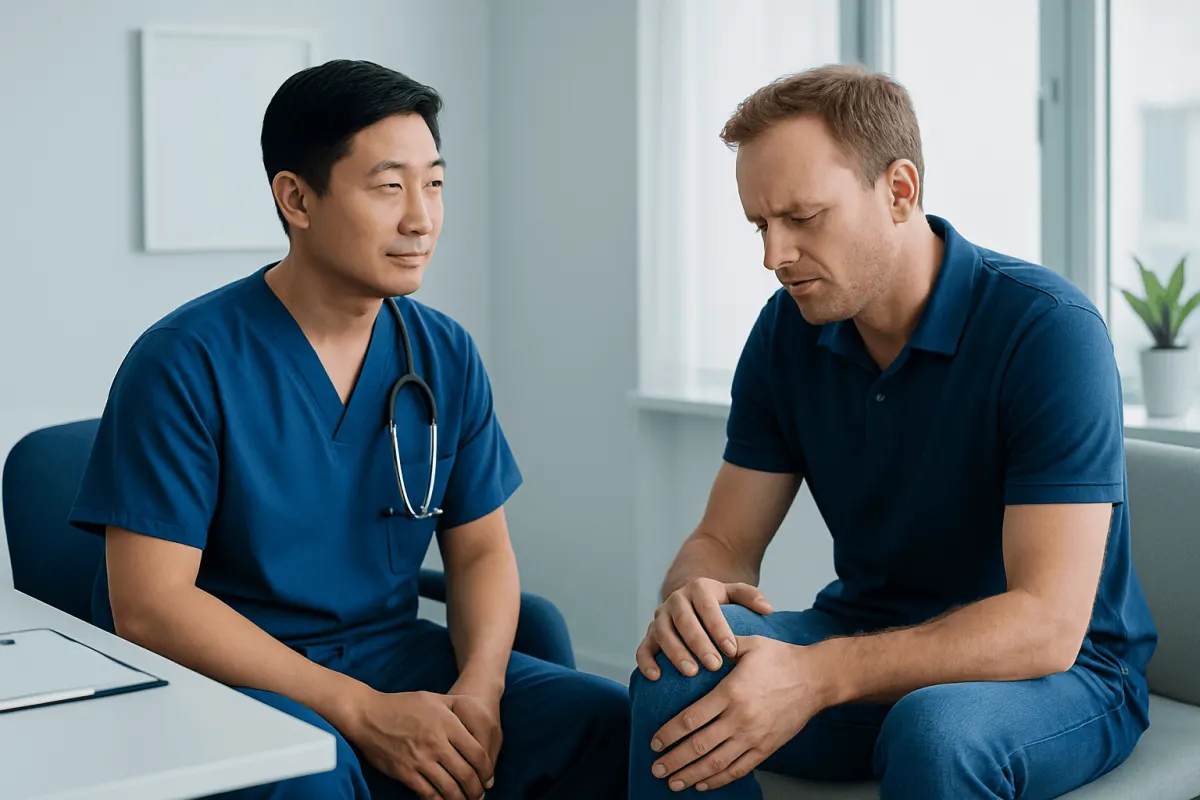
Meniscus pain is often felt along the joint line: the narrow gap between the thighbone and shinbone. A medial meniscus tear commonly causes discomfort on the inside of the knee, while a lateral meniscus tear may cause pain on the outside. The precise site can vary, and pain may be less sharply localized in degenerative tears.
Symptoms may begin at the time of an injury or build gradually over the following day. Swelling can occur soon after a significant injury or later after repeated activity. Some people notice stiffness, a sense that the knee may give way, clicking, catching, or difficulty fully bending or straightening the leg.
A torn meniscus does not always cause severe pain. Some tears are found incidentally on imaging and are not the main source of symptoms. Pain around the front of the knee, pain only with kneeling, or widespread aching can have other causes, so a professional assessment is useful when symptoms persist.
- Inner joint-line pain may occur with a medial meniscus injury.
- Outer joint-line pain may occur with a lateral meniscus injury.
- Locking or an inability to fully straighten the knee can occur when a tear has displaced into the joint.
- Repeated swelling after activity may indicate irritation within the joint.
Is a Meniscus Tear Very Serious?
A meniscus tear is a common knee injury and is not automatically a medical emergency. Many tears are manageable, and some people return to comfortable daily activity with rehabilitation and other non-surgical measures. However, the injury deserves assessment when symptoms are significant because an untreated unstable tear may continue to cause pain, locking or loss of function.
Severity depends on the tear pattern, its location, the associated knee injuries, the degree of symptoms and the person’s goals. A small stable tear in the outer vascular zone may have a better chance of healing than a complex tear in the inner portion. A displaced bucket-handle tear causing a locked knee requires more urgent orthopedic review.
Protecting as much functioning meniscal tissue as possible is generally important for long-term joint health. Meniscal tissue helps distribute force, and loss of tissue can increase stress on the joint cartilage. Treatment decisions should therefore be individualized rather than based on an MRI result alone.
Can You Walk if Your Meniscus Is Torn?
Many people can still walk with a torn meniscus, particularly when the tear is small or degenerative. Walking may be painful, stiff or accompanied by swelling, and symptoms can worsen with twisting, deep squatting, stair climbing or prolonged standing. Being able to walk does not rule out a meniscus injury.
After an acute injury, it is sensible to reduce activities that increase pain or swelling. Relative rest, avoiding pivoting movements, using a support if advised, and applying cold packs for short periods may help early symptoms. A clinician can advise whether temporary crutches, a brace or a structured rehabilitation plan is appropriate.
People should seek prompt assessment if they cannot bear weight, the knee is visibly deformed, it is locked in one position, or there is severe swelling after trauma. These signs can indicate a more significant injury or a problem in addition to a meniscal tear.
Diagnosis and Non-Surgical Treatment
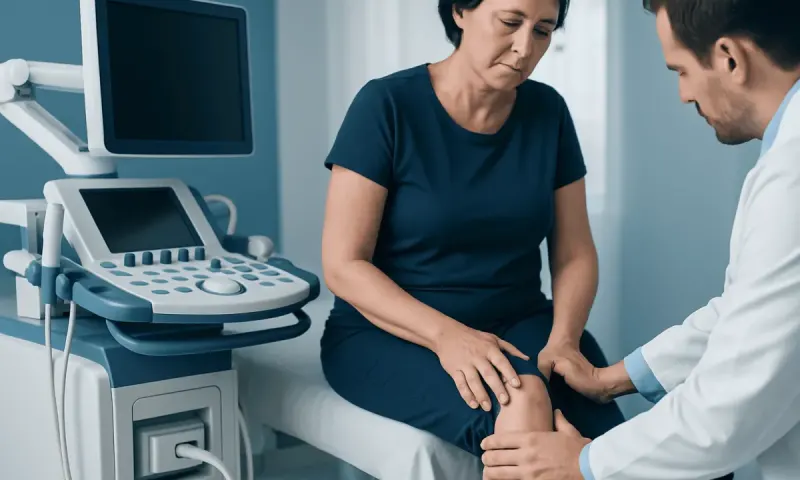
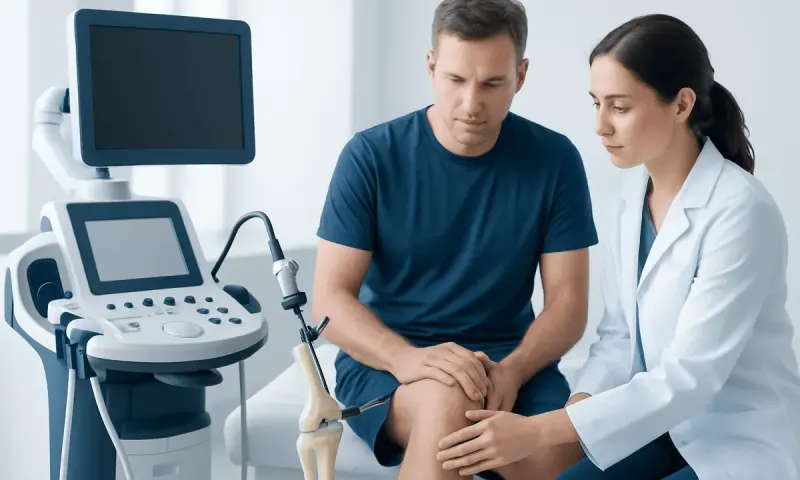
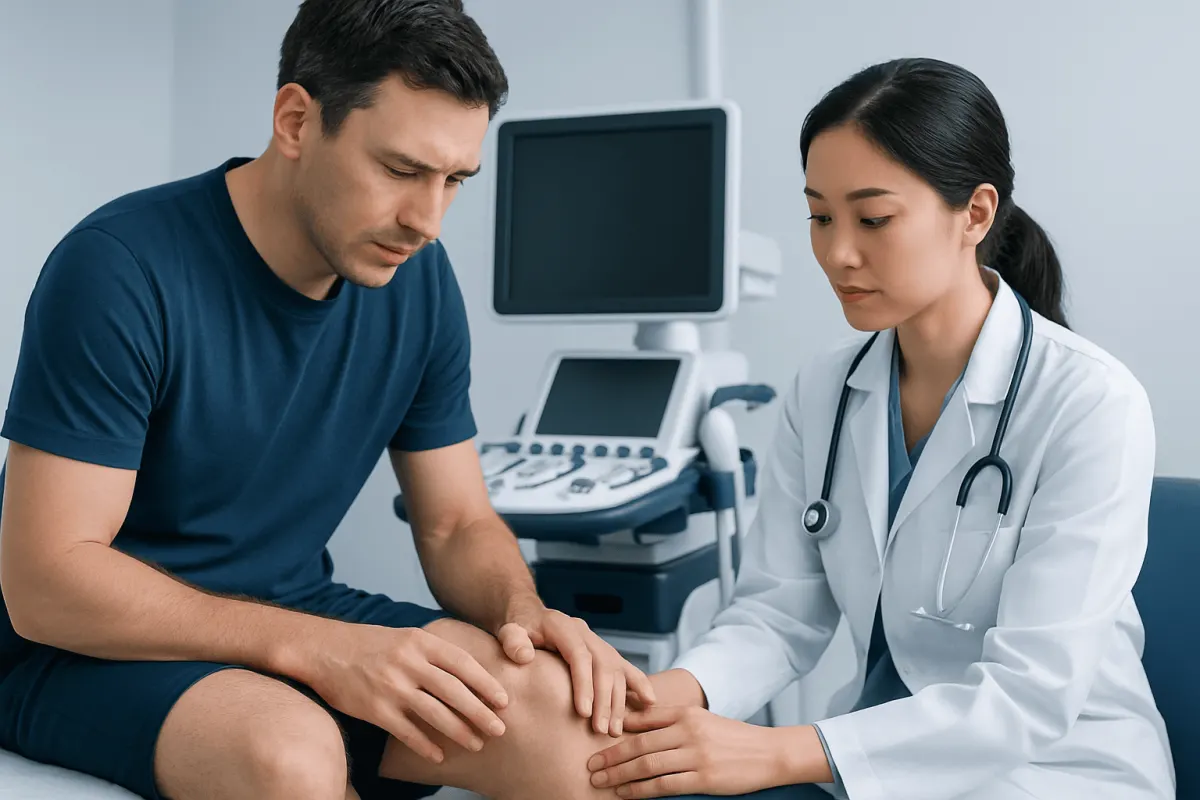
Diagnosis begins with a history of the injury or symptom pattern and a physical examination. A clinician may check for joint-line tenderness, swelling, range of motion, stability and signs of ligament injury. X-rays do not show a meniscus tear directly, but they can help identify fractures or arthritis. Magnetic resonance imaging (MRI) can provide detailed information about meniscal and other soft-tissue injuries when needed.
Non-surgical care is often considered first for stable tears without persistent locking, especially for degenerative tears. This may include activity adjustment, ice for short periods after aggravating activity, appropriate pain-relief medicines when safe for the individual, and physiotherapy. Rehabilitation commonly focuses on restoring knee motion, strengthening the quadriceps and hip muscles, and improving balance and movement control.
Symptoms and function are central to decisions. An MRI may show a tear that is not causing the person’s symptoms, particularly in older adults. A clinician can consider the scan alongside examination findings, daily function, work demands, sports goals and other joint conditions.
Does a Torn Meniscus Heal Itself Over Time?
Some torn menisci can heal, but this depends largely on where the tear is located. The outer third of the meniscus, often called the red zone, receives more blood supply and may heal better than the inner region, which has limited blood flow. Small, stable tears in the outer area have the greatest healing potential.
Tears in the inner, relatively avascular portion are less likely to heal fully on their own. Even so, symptoms may settle with time and rehabilitation, and surgery may not be necessary if the knee remains functional and does not lock. The aim is not always to make the tear disappear on imaging; it is to relieve symptoms and support safe movement.
A clinician may monitor progress over several weeks or months, depending on the injury. Ongoing catching, recurrent swelling, limited extension or pain that prevents normal activities may lead to further evaluation and discussion of procedural options.
Meniscus Surgery, Recovery and When to Seek Medical Care
The knee meniscus surgery medical term is usually arthroscopic meniscus repair or arthroscopic partial meniscectomy. Arthroscopy uses a small camera and specialized instruments through small incisions. When feasible, repair aims to preserve the meniscus by suturing it; partial meniscectomy removes only unstable, damaged tissue that cannot reasonably be repaired.
The choice between repair and partial removal depends on the tear’s pattern and position, tissue quality, age of the injury, knee stability and the individual’s circumstances. Recovery after repair is usually longer because the tissue needs time to heal, while recovery after partial meniscectomy may be faster. A rehabilitation plan guided by the treating team is important after either approach.
When to seek medical care: Medical assessment is advisable for persistent knee pain, swelling, catching, repeated giving way or loss of motion after an injury. Urgent care is appropriate for a locked knee, inability to bear weight, major swelling or deformity after trauma, fever with a red or hot swollen joint, or new calf swelling and pain. Acıbadem Health Point’s multidisciplinary specialists and JCI-accredited hospitals evaluate and treat knee conditions for international patients.
Frequently asked questions
01Is a meniscus tear very serious?
A meniscus tear can range from a minor stable injury to a displaced tear that interferes with knee movement. Many tears improve with rehabilitation and activity changes, but persistent locking, swelling or inability to function normally should be assessed by an orthopedic clinician. Associated ligament injury can also make a tear more significant.
02Can you walk if your meniscus is torn?
Yes, many people can walk with a torn meniscus, although walking may be painful or cause swelling and stiffness. The ability to walk does not exclude a meaningful injury. A locked knee, inability to bear weight, or severe pain after trauma needs prompt medical evaluation.
03Does a torn meniscus heal itself over time?
A tear near the outer edge of the meniscus may heal because that area has a better blood supply. Tears in the inner portion are less likely to heal completely, although symptoms may still improve without surgery. The best approach depends on the tear and the person’s symptoms, activity level and knee function.
04Where does it hurt if the meniscus is torn?
Pain is commonly felt along the inner or outer joint line of the knee. A medial tear often causes inner-knee pain, while a lateral tear may cause pain on the outer side. Swelling, catching and discomfort during twisting or deep bending may occur as well.
05Will an MRI always be needed for a suspected meniscus tear?
Not always. A clinician may make an initial assessment based on the symptoms, examination and, when appropriate, X-rays to exclude bone injury. MRI is useful when the diagnosis is unclear, symptoms persist, surgery is being considered, or other soft-tissue injuries are suspected.
06When is surgery considered for a meniscus tear?
Surgery may be considered when there is persistent pain or functional limitation despite appropriate non-surgical treatment, or when the knee locks because a tear is displaced. When surgery is suitable, preserving and repairing meniscal tissue is generally preferred when the tear has a realistic chance of healing. The decision should be made with an orthopedic specialist.
This article is for general information only and is not a substitute for professional medical advice. Please consult a qualified doctor about your individual situation.
Joint and spine care in Turkey — expert assessment & treatment
JCI-accredited · board-certified surgeons · reply within 24h
Add us as a Preferred Source to see more of our trusted health content across Google Search, AI Overviews and Discover.