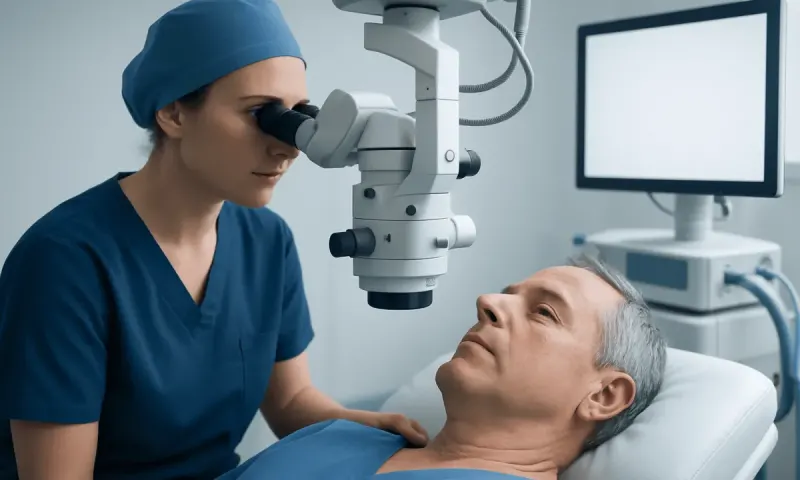
Jaw Augmentation Before and After: When Results Settle
Jaw augmentation surgery before and after changes can include a more defined jawline, improved lower-face balance, or correction of a recessed jaw appearance. Early swelling can temporarily obscure results, while the final contour becomes clearer gradually as healing progresses.
Jaw augmentation surgery before and after: what changes to expect
Jaw augmentation surgery before and after results commonly show greater definition along the lower jaw, improved balance between the chin and jawline, or a broader and more projected mandibular angle. The exact change depends on whether the procedure uses an implant, moves the jawbone, or combines approaches. A well-planned result should complement the person’s existing facial proportions rather than create a uniform or exaggerated appearance.
Immediately after surgery, swelling, bruising, firmness, and temporary changes in facial expression can make the jaw look larger or less even than the eventual result. Photographs taken during the early recovery period are therefore not a reliable guide to the final contour. As swelling reduces and tissues settle, the new shape usually becomes more apparent.
“Jaw augmentation” can refer to several procedures. Cosmetic jaw implants add projection or width to selected areas of the jaw. Orthognathic, or corrective jaw, surgery repositions the upper jaw, lower jaw, or both to improve bite and facial balance. Non-surgical contouring with fillers may offer a temporary alternative for some people, although it cannot correct major skeletal or bite-related concerns.
How jaw augmentation works and who may be a candidate
For implant-based augmentation, a surgeon places a shaped biocompatible implant over the jawbone, most often near the jaw angles or along the lower border of the mandible. The implant may be secured in position and is intended to add definition without changing the alignment of the teeth. Some implants are selected from standard shapes, while others may be customized using imaging of the facial bones.
Corrective jaw surgery works differently. The surgeon makes carefully planned cuts in the jawbone and repositions the bone to improve the relationship between the upper and lower teeth. This may be recommended when a person has a significant overbite, underbite, open bite, facial asymmetry, or functional difficulties related to jaw position. Orthodontic treatment is often part of the overall plan.
Potential candidates are generally in good overall health, have realistic expectations, and understand the recovery process. A consultation should consider facial proportions, skin and soft-tissue thickness, dental alignment, chewing function, breathing, previous facial surgery, and medical history. People who smoke or use nicotine may be advised to stop because nicotine can impair wound healing.
A full assessment is particularly important if there is jaw pain, clicking, limited opening, bite changes, snoring, or suspected sleep-related breathing problems. These symptoms may need evaluation before elective facial contouring so that an underlying functional issue is not overlooked.
What happens during the procedure

The exact steps depend on the method selected. Before surgery, the clinician reviews goals, examines the face and mouth, and may request photographs, dental records, X-rays, or three-dimensional imaging. These tools help the surgical team assess bone shape, symmetry, tooth alignment, and the safest position for an implant or bone movement.
Jaw implant surgery is typically performed with anesthesia. The incision may be made inside the mouth, avoiding a visible external scar, or occasionally beneath the jawline depending on the surgical plan. The surgeon creates a precise pocket over the bone, places the implant, checks symmetry and contour, and closes the incision. The length and details of surgery vary with the extent of augmentation and whether other facial procedures are performed at the same time.
Orthognathic surgery is more complex and is usually performed in a hospital setting under general anesthesia. The jawbones are repositioned according to preoperative planning and stabilized with plates and screws. When clinically indicated, this form of treatment may be part of orthognathic surgery for jaw alignment and bite correction.
After either approach, patients receive instructions on pain control, oral hygiene, food texture, activity limits, and follow-up visits. The treating surgeon should explain what changes are expected, what findings are normal during healing, and what symptoms require prompt contact with the care team.
Recovery timeline and how long it takes to look normal
Recovery differs substantially between a jaw implant and corrective jaw surgery. After an implant procedure, swelling and tenderness are usually most noticeable during the first several days. Bruising may occur, and the lower face can feel tight or numb. Many people can return to desk-based activities within about one to two weeks if they feel comfortable, but visible swelling can take longer to resolve.
How long does it take to look normal after jaw surgery? After cosmetic jaw implant surgery, many patients feel socially presentable in approximately two to four weeks, although mild swelling or firmness may remain. A more settled contour often develops over several months. After orthognathic surgery, swelling may be more pronounced and recovery is longer; the face can continue to refine for many months as bone and soft tissues heal.
Soft foods may be recommended initially, particularly when incisions are inside the mouth. Following corrective jaw surgery, dietary restrictions are typically more significant and must be followed carefully to protect the healing bones. Strenuous exercise, contact sports, and activities that could injure the jaw should be avoided until the surgeon advises otherwise.
Follow-up appointments allow the team to monitor healing, review sensation and bite function, and address concerns early. It is helpful to compare progress using photographs taken at planned intervals rather than judging the outcome day by day, when swelling changes can be more noticeable.
Benefits, risks and how long results last
Potential benefits of jaw augmentation include a stronger lower-face profile, improved facial symmetry, a more balanced transition between the chin and neck, and—in corrective cases—better bite function. Results are individual. A procedure that improves one person’s facial balance may not be appropriate for another person with similar aesthetic concerns but different bone structure, dental alignment, or soft-tissue anatomy.
How risky are jaw implants? Jaw implants are commonly used in facial contour surgery and can be safe in appropriately selected patients when performed by an experienced qualified surgeon. However, all surgery has risks. These include bleeding, infection, scarring, fluid collection, delayed healing, implant movement, asymmetry, contour irregularity, temporary or persistent numbness, pain, and a result that does not match expectations. Implant removal or revision may occasionally be needed.
Corrective jaw surgery carries additional risks related to bone healing, changes in bite, tooth or gum problems, nerve injury, jaw-joint symptoms, infection, and the possible need for further orthodontic or surgical care. The surgical team will discuss the risks that are most relevant to the individual procedure and health history.
How long does jaw augmentation last? A well-positioned jaw implant is intended to provide a long-lasting result, although the face naturally changes with aging, weight change, and skin elasticity. Orthognathic surgery creates permanent changes in jawbone position, though minor settling can occur during healing. Dermal fillers used for jawline contouring are temporary and require repeat treatment to maintain their effect.
Will jaw surgery slim the face?
Does jaw surgery slim your face? It can, but not in every case. Procedures that reduce or reposition a prominent jaw angle may make the lower face appear narrower. In contrast, jaw implants are designed to add projection, width, or definition and may make the jawline appear stronger rather than slimmer.
Corrective jaw surgery may alter facial width, profile, and lower-face proportions because the bones are moved into a new position. The visual effect depends on the original anatomy, the surgical movements required for the bite, facial soft tissues, and postoperative swelling. It should not be planned solely as a weight-loss or facial-slimming procedure.
For people whose main concern is fullness under the chin or along the neck, treatment options may differ from jaw augmentation. A consultation can help separate concerns involving bone shape from those involving fat distribution, skin laxity, muscle size, or dental alignment. Clear preoperative discussion and imaging are important for setting realistic expectations.
Self-care and when to seek medical care
After jaw augmentation, following the surgeon’s instructions is an important part of recovery. This may include taking prescribed medicines as directed, using cold compresses when recommended, keeping the mouth clean, choosing suitable foods, avoiding tobacco and nicotine, and attending follow-up appointments. Patients should not press, massage, or attempt to reshape the surgical area unless their surgeon specifically advises it.
When to seek medical care: Patients should contact their surgical team promptly if they develop increasing rather than improving pain or swelling, fever, spreading redness, drainage with an unpleasant odor, persistent vomiting, difficulty breathing or swallowing, uncontrolled bleeding, a sudden bite change, or a new and marked asymmetry. Emergency care is appropriate for severe breathing difficulty, heavy bleeding, or signs of a serious allergic reaction.
Before choosing surgery, it is reasonable to ask about the proposed technique, expected recovery, alternatives, possible revision needs, and the clinician’s experience with the procedure. Acıbadem Health Point’s multidisciplinary specialists and JCI-accredited hospitals diagnose and treat jaw and facial conditions for international patients, including evaluation for corrective jaw surgery when it is clinically appropriate.
A personalized review with an oral and maxillofacial surgeon, plastic surgeon, orthodontist, or other qualified specialist can help ensure that treatment choices support both facial goals and healthy jaw function.
Frequently asked questions
01What should someone expect in jaw augmentation surgery before and after photos?
Before and after photographs may show increased jawline definition, improved lower-face balance, or a change in facial width and profile. Early photographs can be misleading because swelling may make the jaw look fuller or uneven. Final results should be judged only after the surgeon confirms that healing is sufficiently advanced.
02Is a jaw implant the same as corrective jaw surgery?
No. A jaw implant adds contour over the existing jawbone and is mainly used for aesthetic projection or definition. Corrective jaw surgery repositions the jawbones and is often used to address bite problems, skeletal imbalance, or functional concerns.
03Can jaw implants be removed?
Yes, implants can usually be removed or replaced if medically necessary or if a person wishes to change the result. Removal is still a surgical procedure and may involve recovery time, scar tissue, and changes in the overlying soft tissues. A surgeon can explain the individual considerations before treatment.
04Will numbness after jaw augmentation go away?
Temporary numbness, tingling, or altered sensation can occur after surgery because tissues and small sensory nerves are affected by swelling or surgical manipulation. It often improves as healing progresses, but recovery varies. Persistent, worsening, or troubling sensation changes should be discussed with the surgeon.
05Can fillers be used instead of jaw augmentation surgery?
Fillers may provide temporary jawline definition for selected people and can help someone explore a possible contour change without surgery. They do not alter the jawbone, correct significant asymmetry, or resolve bite-related problems. A qualified clinician can advise whether a non-surgical option is suitable.
06How can someone prepare for jaw augmentation surgery?
Preparation usually includes a detailed medical assessment, discussion of medications and allergies, and planning for recovery support and suitable foods. Patients may be asked to stop smoking and nicotine use and to avoid certain medicines or supplements when medically appropriate. Instructions should always come from the treating surgical team.
This article is for general information only and is not a substitute for professional medical advice. Please consult a qualified doctor about your individual situation.
Explore treatments in Turkey — costs, top hospitals & a free quote
JCI-accredited · board-certified surgeons · reply within 24h
Add us as a Preferred Source to see more of our trusted health content across Google Search, AI Overviews and Discover.