Male Lipo Before and After: When Results Settle
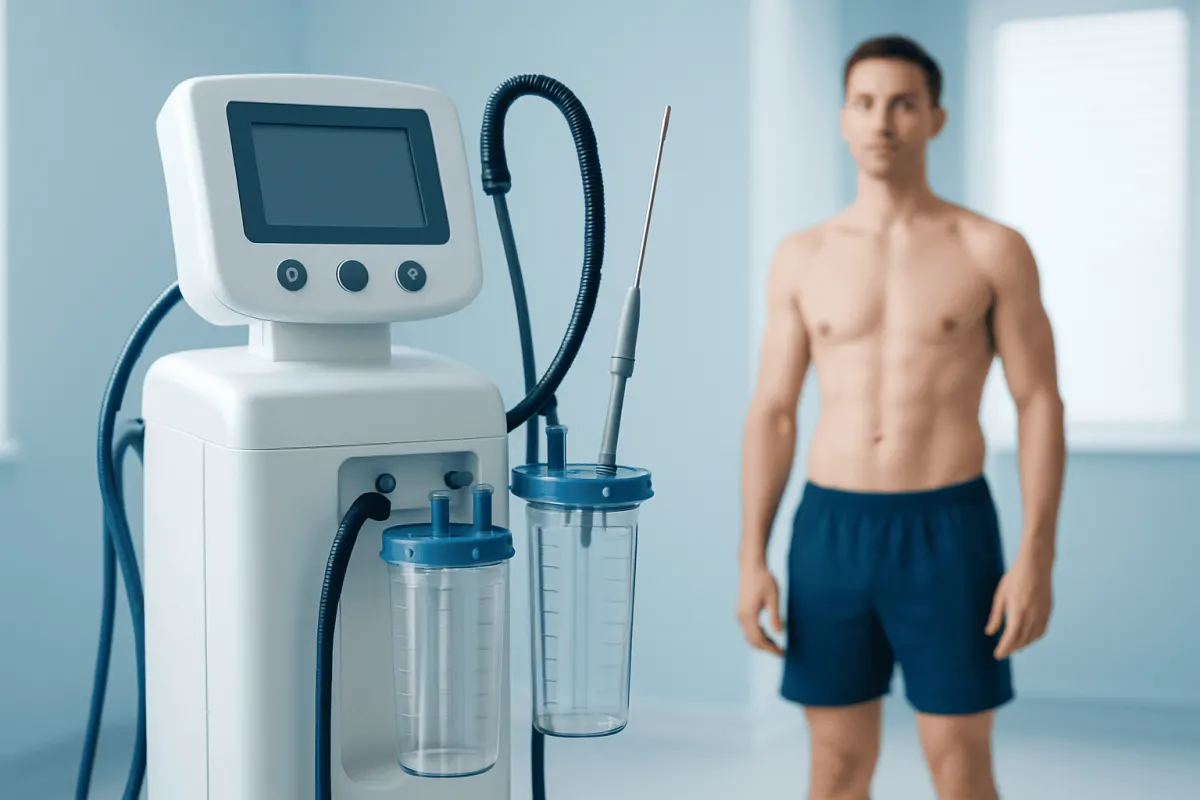
Lipo male before after results can show a more defined body contour when liposuction is used to remove localized fat that has not responded to lifestyle measures. Final results take time: early swelling and bruising are expected, while the treated area commonly continues refining over several months.
Lipo Male Before After: What Results Can Men Expect?
Lipo male before after results usually show a reduction in stubborn fat and a smoother, more defined contour in selected areas. In men, liposuction is commonly considered for the abdomen, flanks or “love handles,” chest, back, upper arms, chin and neck. The aim is not to create a different body overnight, but to improve proportions where diet and regular exercise have not produced the desired change.
Immediately after treatment, the area may look swollen, bruised or uneven. These early changes are not the final outcome. As swelling reduces and tissues adapt, the contour becomes clearer; this process often takes several months. Photos should therefore be compared at similar stages of healing, with consistent lighting, posture and body weight.
Online searches for male lipo before and after reddit may offer personal perspectives, but individual experiences are not a reliable guide to safety or expected results. A consultation with a board-qualified plastic surgeon is the most useful way to discuss whether a particular body area, skin quality and health profile are likely to respond well.
How Male Liposuction Works
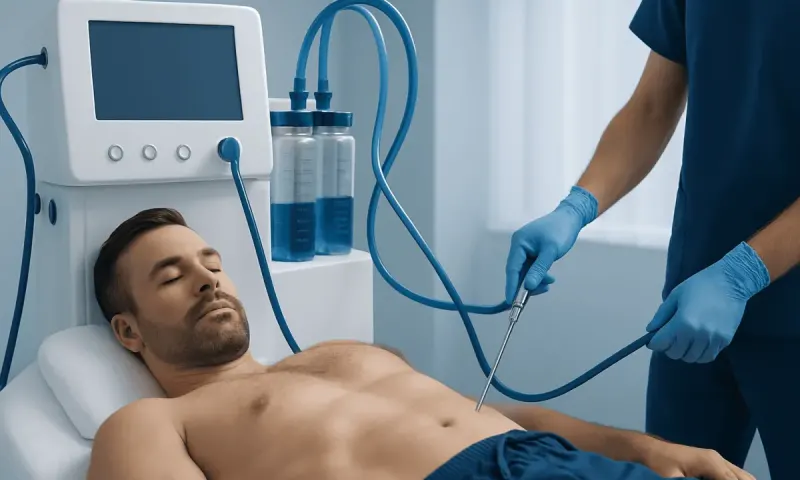
Liposuction is a surgical body-contouring procedure that removes localized deposits of fat through a thin tube called a cannula. The surgeon makes small incisions, introduces fluid in many techniques to help reduce bleeding and discomfort, and uses controlled suction to remove fat cells while shaping the area.
Several techniques may be used, including tumescent liposuction, power-assisted liposuction and ultrasound-assisted approaches. The appropriate method depends on the treatment area, the amount and character of fat, previous surgery, skin elasticity and the surgeon’s clinical assessment. The technique is only one part of the outcome; careful planning and conservative contouring are equally important.
Liposuction does not tighten markedly loose skin, build abdominal muscle or treat obesity. For chest enlargement in men, the surgeon also needs to determine whether the fullness is mainly fatty tissue, glandular breast tissue or both. Glandular enlargement may require a different surgical approach and should be assessed carefully.
Who Is a Good Candidate for Liposuction?

Men who are close to a stable, sustainable weight but have localized fat deposits may be candidates for liposuction. Good candidates are generally in good overall health, do not smoke or are able to stop before and after surgery as advised, and have skin with enough elasticity to retract reasonably after fat removal.
Realistic expectations are essential. Liposuction can improve a contour, but it cannot guarantee a particular physique or replicate edited images seen online. A surgeon will consider medical history, medications, previous operations, body-weight changes, skin quality and the person’s goals before advising whether the procedure is appropriate.
People with uncontrolled medical conditions, active infection, certain bleeding risks, or plans for substantial weight loss may need treatment of those concerns first or may be advised to consider another option. A stable lifestyle with balanced nutrition and regular physical activity remains important before and after surgery.
- Localized fat that persists despite healthy habits
- A weight that has been stable for several months
- Reasonably firm, elastic skin in the planned treatment area
- Understanding that scars, swelling and recovery are part of surgery
- Willingness to follow aftercare instructions and attend reviews
The Procedure: Step by Step
Before surgery, the plastic surgeon reviews the medical history, examines the target area and discusses achievable changes. Preoperative instructions may include guidance about smoking, alcohol, medications and supplements that can affect bleeding or healing. The surgeon may mark the treatment zones while the patient is standing so that contour planning reflects the natural body shape.
On the day of surgery, anesthesia may be local with sedation or general anesthesia, depending on the extent of treatment and the clinical plan. After making small, strategically placed incisions, the surgeon introduces the cannula and removes fat in controlled amounts. The incisions are closed or managed according to the technique used, and a compression garment is usually applied.
The procedure may be performed as a day case or require a short period of observation, depending on the areas treated, anesthesia and the person’s health. A planned liposuction procedure should always include clear instructions for transportation home, early recovery support and scheduled follow-up appointments.
How Long Does It Take for a Man to Recover From Liposuction?
Recovery varies according to the number of areas treated, the volume removed, the technique used and the person’s health. Many men can walk gently on the day of surgery or shortly afterward, which supports circulation. However, soreness, swelling, fluid drainage from incisions and bruising are common during the early phase.
Some people return to desk-based work within several days to about two weeks, while physically demanding work may require longer. Light activity is commonly resumed gradually, but strenuous exercise, heavy lifting and contact sports should wait until the surgeon confirms that healing is progressing appropriately. Compression garments are often worn for a period recommended by the surgical team.
Noticeable improvement may be seen after the first few weeks, but residual swelling can continue to obscure the final contour. Many patients see a more representative result at around three to six months, with continued tissue settling possible beyond that. Follow-up visits help the surgeon monitor healing and answer questions about activity, massage or scar care.
Is Lipo Worth It for Men?
Whether liposuction is worth it for a man is personal and depends on the reason for seeking treatment, the likely benefit, the recovery required and acceptance of surgical risks. It may be worthwhile for someone who has stable weight and specific areas of disproportionate fat that remain despite consistent lifestyle efforts. It is less likely to meet expectations when the main goal is large-scale weight loss, skin tightening or a solution to broader health concerns.
A useful consultation focuses on what can realistically change, what will not change and whether non-surgical approaches should be tried or continued. The decision should not be driven by comparison with social media images or a single before-and-after photograph. Men should feel comfortable asking about scars, anesthesia, revision surgery, time away from work and how the surgeon handles complications.
The potential benefits include improved contour, better fit of clothing and, for some people, greater comfort in their appearance. These benefits need to be weighed against cost, downtime, temporary swelling and the small but real chance of complications or an outcome that does not match expectations.
What Happens 10 Years After Liposuction?
Fat cells removed by liposuction do not usually grow back in the treated area. However, liposuction does not prevent future weight gain. If a person gains weight over the following years, remaining fat cells can enlarge, and fat may accumulate in treated and untreated areas. The long-term appearance therefore depends partly on weight stability, aging, hormones, genetics and lifestyle.
Skin also changes over time. Natural reduction in skin elasticity may alter body contours years after surgery, even when weight remains stable. Significant weight fluctuation can make contour changes more noticeable. Liposuction should be viewed as a contouring procedure with lasting fat-cell reduction, not as permanent protection against body changes.
Maintaining regular activity, eating patterns that support a stable weight, sleeping adequately and managing long-term health conditions can help preserve results. If concerns arise years later, a qualified clinician can assess whether they relate to weight change, skin laxity, hormonal factors or another issue rather than assuming more surgery is the answer.
What Do I Wish I Knew Before Liposuction?
People commonly say they wish they had understood how gradual healing can be. The first weeks may involve swelling, uneven firmness, numbness and temporary limits on movement, so early images can be misleading. Planning time away from demanding work, arranging help if needed and having comfortable recovery clothing can make the process easier.
It is also important to know that liposuction is surgery, not a shortcut around healthy habits. Results are generally most satisfying when someone already has a stable routine and wants refinement rather than major weight reduction. Small scars are expected, although surgeons place incisions as discreetly as possible and scars usually mature over time.
Before committing, patients should ask who will provide postoperative care, what symptoms require urgent contact, how revisions are approached and what their personal risk factors are. Acıbadem Health Point’s multidisciplinary specialists and JCI-accredited hospitals diagnose and treat appropriate candidates for liposuction, including international patients, with individualized preoperative assessment and follow-up planning.
Risks, Self-Care and When to Seek Medical Care
Like all operations, liposuction has risks. These can include bleeding, infection, fluid collection, changes in sensation, prolonged swelling, scarring, contour irregularities, asymmetry, skin discoloration and anesthesia-related complications. Rarely, more serious complications such as blood clots or fat embolism can occur. Careful candidate selection, accredited surgical settings and following aftercare advice help reduce risk but cannot eliminate it.
During recovery, patients should take prescribed medicines only as directed, wear compression garments as instructed, walk gently when advised and avoid smoking. They should not resume intense exercise or drive while taking sedating pain medication unless their clinician confirms it is safe. A balanced diet, hydration and stable weight support healing, but supplements should not be started without medical advice.
Medical care should be sought promptly for worsening rather than improving pain, rapidly increasing swelling, significant bleeding, fever, spreading redness, foul-smelling drainage, shortness of breath, chest pain, fainting or one-sided leg swelling. These symptoms do not always indicate a serious problem, but they require timely clinical assessment. For non-urgent concerns such as persistent numbness or uneven swelling, patients should contact their surgical team for guidance.
Frequently asked questions
01When will male liposuction results look final?
Early changes may be visible once bruising begins to fade, but swelling can hide the final contour for weeks or months. Many people see a more reliable result around three to six months, although healing can continue longer depending on the treated areas and individual response.
02Can liposuction give men visible abdominal muscles?
Liposuction can reduce fat around the abdomen and may make existing muscle definition easier to see. It does not create abdominal muscles or replace exercise, nutrition and a body composition that supports visible definition.
03Does male liposuction leave scars?
Liposuction requires small incisions, so small scars are expected. Surgeons usually position them in less noticeable areas where possible, and scars commonly fade and soften over time, although they do not disappear completely.
04Can fat return after liposuction?
The removed fat cells are permanently reduced in the treated area, but weight gain can enlarge remaining fat cells. Maintaining a relatively stable weight is the best way to support long-term contour results.
05Is liposuction painful for men?
The procedure is performed with anesthesia, so pain is controlled during surgery. Afterward, soreness, tenderness and tightness are common and are usually managed with the recovery plan provided by the surgical team.
06How soon can a man exercise after liposuction?
Gentle walking is often encouraged early, but the timing of gym training, running and heavy lifting varies by procedure and healing progress. A surgeon should provide individualized clearance before strenuous exercise is resumed.
This article is for general information only and is not a substitute for professional medical advice. Please consult a qualified doctor about your individual situation.
Joint and spine care in Turkey — expert assessment & treatment
JCI-accredited · board-certified surgeons · reply within 24h
Add us as a Preferred Source to see more of our trusted health content across Google Search, AI Overviews and Discover.