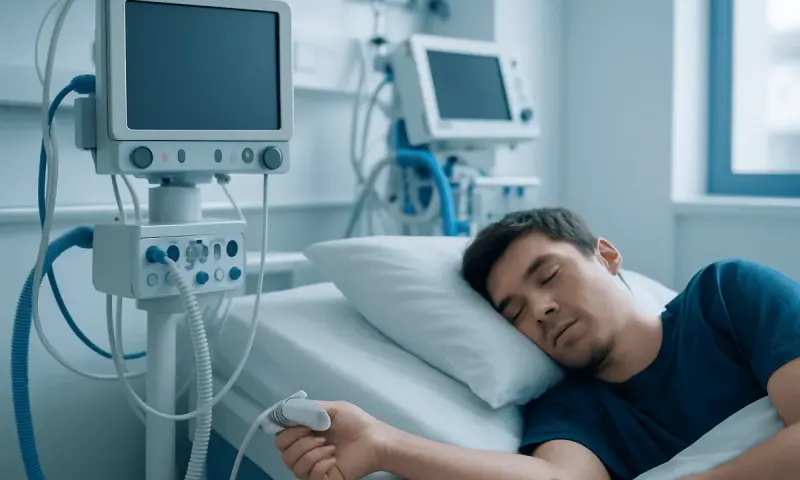
Is Three Hours of Sleep Enough for Adults?
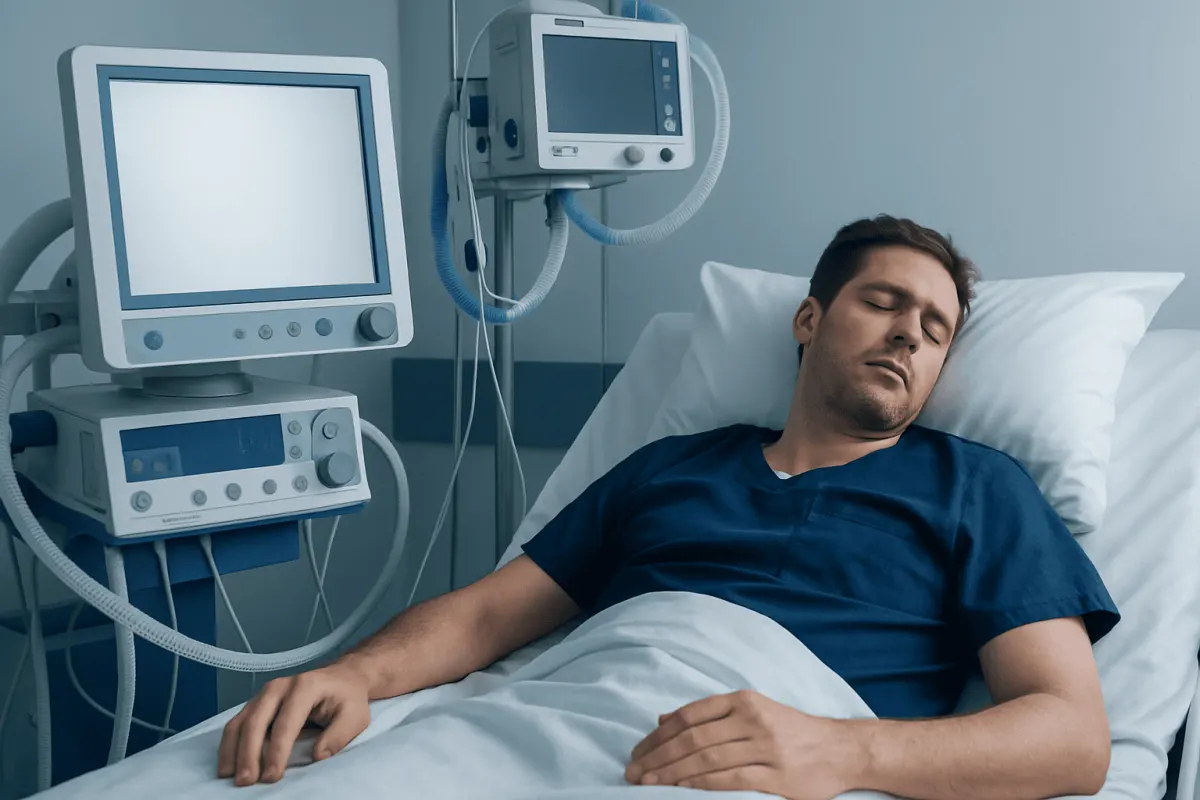
Three hours of sleep is not enough for most adults to support consistent alertness, mood, physical health, and safe daily functioning. A single short night is common and usually recoverable, but repeated short sleep or symptoms such as loud snoring, breathing pauses, or severe daytime sleepiness deserve medical attention.
Is 3 Hours of Sleep Enough?
For most people, 3 hours of sleep is not enough. One unusually short night is common and is often manageable with extra care the following day, especially if it happens because of travel, a family responsibility, or an isolated stressful event. However, regularly sleeping only 3 hours leaves most adults without enough restorative sleep for reliable concentration, emotional balance, physical recovery, and long-term health.
Sleep needs differ slightly from person to person, but most adults function best with 7 to 9 hours each night. Teenagers and children typically need more. A small number of people naturally sleep less than average and still feel consistently rested and alert, but this is uncommon and should not be assumed simply because someone has become used to a short schedule.
The most helpful question is not only how many hours a person spends in bed, but also how they feel and function during the day. Regular unplanned naps, difficulty staying awake while reading or driving, irritability, poor concentration, and reliance on large amounts of caffeine can all suggest that sleep is insufficient or not restorative.
What Happens After a Very Short Night?
After one night with around 3 hours of sleep, many people notice fatigue, slower thinking, reduced patience, headache, increased appetite, and lower exercise performance. Attention and reaction time can be affected even when a person feels they are coping reasonably well. This is especially important for driving, operating machinery, caring for children, or making safety-sensitive decisions.
It is reassuring that an isolated episode of short sleep does not usually mean lasting harm. The body can often recover when the person returns to a regular sleep routine over the following nights. A calm, practical response is generally more useful than trying to force sleep or becoming worried about every short night.
Repeated sleep restriction is different. When a person regularly gets far less sleep than they need, deficits can accumulate. They may feel less sleepy than expected because they have adapted to the feeling of tiredness, yet their alertness, memory, and reaction time may still be impaired.
- Allow extra time for tasks requiring concentration.
- Avoid driving if drowsy or struggling to stay alert.
- Use caffeine cautiously and avoid it later in the day if it may delay the next night’s sleep.
- Return to a consistent sleep and wake schedule as soon as practical.
Why Might Someone Sleep Only 3 Hours?

Short sleep can happen for many reasons. Temporary causes include emotional stress, illness, travel across time zones, a noisy environment, caring responsibilities, late work, or an occasional social event. These situations often improve once routines and circumstances settle.
When reduced sleep continues, it may reflect insomnia, in which a person has difficulty falling asleep, staying asleep, or returning to sleep despite having an opportunity to rest. Stress, anxiety, low mood, pain, reflux, frequent urination, and certain medicines or substances can contribute. Alcohol may make some people sleepy initially, but it can fragment sleep later in the night.
Sleep can also be unrefreshing because of a sleep disorder rather than too little time in bed. For example, obstructive sleep apnea can cause repeated breathing interruptions and brief awakenings that a person may not remember. Snoring alone does not confirm sleep apnea, but loud habitual snoring, witnessed pauses in breathing, gasping, morning headaches, and marked daytime sleepiness should be assessed. Sleep apnea is a treatable condition, and identifying it can improve both sleep quality and daytime wellbeing.
How Much Sleep Is Usually Recommended?
For most adults, health organizations recommend 7 to 9 hours of sleep per night. Some adults may feel well with slightly more or slightly less, but routinely sleeping under 7 hours is associated with poorer daytime functioning for many people. Individual needs can change with age, health, physical activity, pregnancy, recovery from illness, and emotional demands.
Sleep duration is only one part of healthy sleep. Quality, timing, and regularity also matter. Someone who spends 8 hours in bed but wakes repeatedly may still feel exhausted, while someone with a changing night-shift schedule may find it difficult to obtain consistent restorative sleep even if total hours seem adequate.
People can use daytime function as a practical guide. Feeling generally alert after waking, being able to stay awake through quiet activities, and not regularly needing to catch up on sleep are signs that the sleep schedule may be meeting their needs. Persistent fatigue should not automatically be blamed on lifestyle; it may warrant a medical discussion.
Can Naps or Weekend Sleep Make Up for It?
A short daytime nap can temporarily improve alertness after a poor night, particularly when it is planned early in the afternoon and kept brief enough not to interfere with nighttime sleep. However, a nap does not fully reverse the effects of repeated sleep loss. Long or late naps may also make it harder for some people to fall asleep at their usual bedtime.
Sleeping longer on days off can help reduce immediate tiredness, but large changes between workdays and weekends may disrupt the body clock. This can make early weekday wake times feel even harder. When possible, maintaining a broadly similar wake time every day supports more stable sleep timing.
Trying to compensate through caffeine, energy drinks, or alcohol is not an effective substitute for sleep. Caffeine may offer short-lived alertness but can mask tiredness and, when taken late, prolong the problem. Alcohol and sedating non-prescription products can alter sleep quality and should not be used regularly as sleep solutions without advice from a clinician.
Practical Steps for Better Sleep
Improving sleep usually begins with small, repeatable routines rather than a single perfect night. A consistent wake time, exposure to daylight in the morning, regular daytime movement, and a wind-down period before bed can all support the body’s natural sleep-wake rhythm. If a person is unable to sleep, reducing pressure to “make sleep happen” can be helpful.
A comfortable, dark, quiet sleeping environment is useful. It may also help to limit nicotine, alcohol, large late meals, and caffeine later in the day. Screens are not the only cause of poor sleep, but emotionally stimulating content, work messages, and bright light close to bedtime can keep the mind alert.
For persistent insomnia, clinicians often recommend cognitive behavioral therapy for insomnia (CBT-I), a structured approach that addresses unhelpful sleep habits and worries about sleep. It is generally considered a first-line treatment for long-term insomnia. Sleep disorders treatment may include a tailored assessment of sleep habits, underlying health conditions, and evidence-based treatment options.
When to Seek Medical Care
Medical care is appropriate when poor sleep lasts for several weeks, causes significant distress, or affects work, school, relationships, or safety. A person should seek prompt advice if they are falling asleep while driving, having near-misses, or cannot stay awake during routine daytime activities. They should avoid driving or hazardous tasks while drowsy.
It is also important to arrange an assessment for loud snoring with gasping or witnessed breathing pauses, repeated morning headaches, restless or uncomfortable legs at night, unusual movements during sleep, or severe fatigue despite spending enough time in bed. Changes in mood, including persistent low mood or anxiety, can both affect sleep and benefit from supportive clinical care.
A doctor will usually ask about sleep timing, nighttime symptoms, daytime sleepiness, work schedules, medicines, caffeine and alcohol use, mental wellbeing, and medical history. They may recommend a sleep diary, review possible contributing conditions, or arrange further testing such as a sleep study when symptoms suggest a sleep disorder. Acıbadem Health Point’s multidisciplinary specialists and JCI-accredited hospitals can assess sleep concerns and related conditions for international patients.
Frequently asked questions
01Is it okay to sleep 3 hours for one night?
One night of 3 hours of sleep is usually not dangerous for an otherwise healthy person, although it can reduce alertness, concentration, and reaction time the next day. It is wise to avoid driving or safety-sensitive activities if drowsiness is present and to return to a normal sleep routine over the next few nights.
02Can a person survive on 3 hours of sleep every night?
People can continue functioning for a period with very little sleep, but regularly sleeping 3 hours is not enough for most adults. Chronic sleep restriction can impair daytime performance and may contribute to physical and mental health difficulties over time.
03Why do I feel fine after only 3 hours of sleep?
Some people feel temporarily energized after a short night because of stress hormones, activity, or caffeine. This feeling does not always mean the brain and body are fully rested, and attention or reaction time may still be reduced. If short sleep is frequent, it is helpful to consider daytime functioning and discuss persistent concerns with a clinician.
04Should I take a nap after sleeping only 3 hours?
A brief early-afternoon nap may help some people feel more alert after a poor night. Long or late naps can interfere with the next night’s sleep, especially for people who already struggle with insomnia. A consistent bedtime routine remains the more important longer-term approach.
05How can I recover after a night of very little sleep?
Return to regular wake and bedtime routines, get daylight exposure and gentle activity during the day, and prioritize a calm sleep opportunity the following night. Avoid relying on alcohol or excessive caffeine. If short nights happen repeatedly, look for contributing factors and seek medical advice when needed.
06When is short sleep a sign of a sleep disorder?
Short sleep may indicate a sleep disorder when it persists despite having time and opportunity to sleep, or when it comes with severe daytime sleepiness, loud snoring, breathing pauses, gasping, or frequent awakenings. A clinician can assess whether insomnia, sleep apnea, a circadian rhythm issue, medication effects, or another condition may be involved.
This article is for general information only and is not a substitute for professional medical advice. Please consult a qualified doctor about your individual situation.
Explore treatments in Turkey — costs, top hospitals & a free quote
JCI-accredited · board-certified surgeons · reply within 24h
Add us as a Preferred Source to see more of our trusted health content across Google Search, AI Overviews and Discover.