Is Scrambled Egg Healthy for You?

Key Takeaways
- Scrambled eggs provide high-quality protein and several important nutrients.
- Preparation matters: added fat, salt, and heavy dairy can change the nutrition profile.
- For most healthy adults, eggs can fit into a balanced eating pattern.
- People with specific conditions, such as high cholesterol or food allergies, may need individualized advice.
- Pairing scrambled eggs with vegetables, whole grains, or fruit can make the meal more balanced.
Scrambled eggs can be a healthy food for many people when prepared with simple ingredients and served as part of a balanced diet. Their nutrition depends less on the egg itself and more on what is added during cooking, such as butter, cream, cheese, or salt.
Overview
For most people, the short answer to is scrambled egg healthy for you is yes. Eggs are a nutrient-dense food, and scrambling them does not remove their natural value. What changes the health impact is usually the cooking method and the ingredients mixed in afterward.
Plain scrambled eggs can provide high-quality protein, vitamins such as B12 and riboflavin, and minerals including selenium. They can also be a practical meal choice for people who need something quick, filling, and easy to digest. In everyday eating, they tend to be healthiest when cooked with modest amounts of fat and served with other whole foods rather than processed sides.
That said, “healthy” is not the same for everyone. A person managing cholesterol, diabetes, heart disease risk, or food allergies may need a more individualized view. The value of scrambled eggs depends on the whole plate, the overall diet, and the person’s medical background.
What Makes Scrambled Eggs Nutritious
Eggs are often described as a complete protein source because they contain all the essential amino acids the body needs. This makes scrambled eggs especially useful for supporting muscle repair, satiety, and steady energy. For people who eat smaller meals, eggs can help a breakfast feel more substantial without requiring a large portion.
They also bring several micronutrients to the table. The yolk contains fat-soluble vitamins and important nutrients such as choline, which supports normal cell function and is especially relevant for brain and liver health. The white contributes most of the protein while staying naturally low in calories.
What people add to scrambled eggs can either preserve or weaken those benefits. A small amount of olive oil or a nonstick pan may keep the meal lighter, while heavy butter, large amounts of cheese, or processed meats can increase saturated fat and sodium. In nutrition, the final recipe matters as much as the base ingredient.
Symptoms and Signs That a Meal May Not Suit You
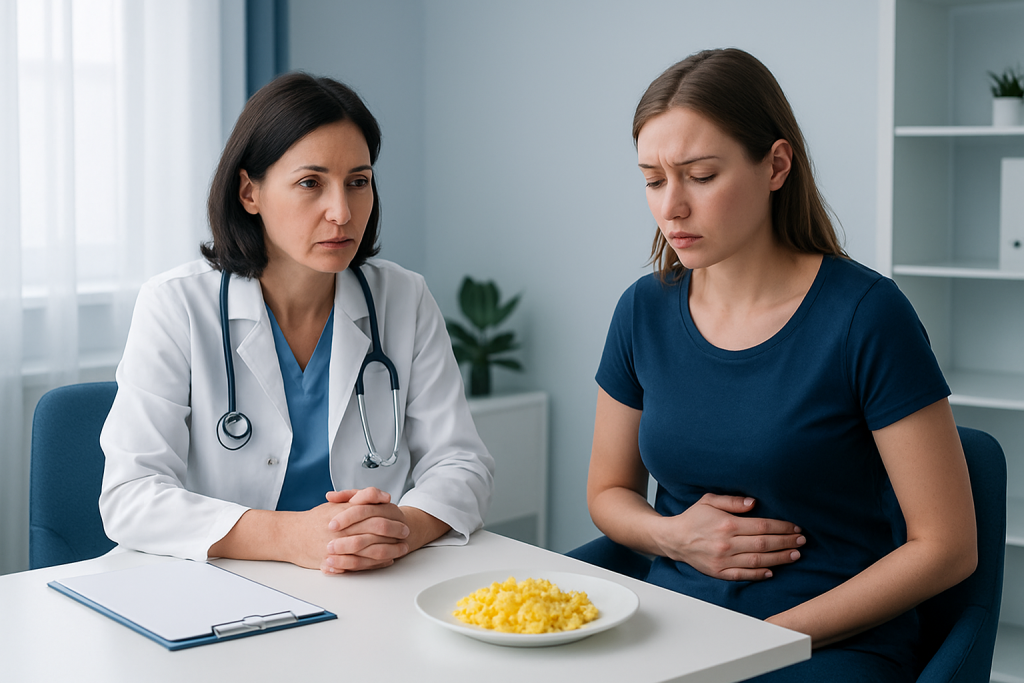
Scrambled eggs are usually well tolerated, but some people notice that they feel uncomfortable after eating them. That may include bloating, nausea, a heavy feeling, heartburn, or stomach upset. These symptoms do not always mean eggs are the cause, but they are worth paying attention to.
Food allergy is a different issue and can cause hives, swelling, wheezing, vomiting, or more serious reactions. Egg allergy is more common in children, but adults can have it too. Anyone who has had a suspicious reaction should avoid eggs until a clinician gives clear guidance.
Some people also find that scrambled eggs feel less satisfying or cause digestive discomfort when they are cooked with rich dairy products or eaten with oily sides. In those cases, the egg itself may not be the problem. Adjusting the recipe, portion size, or accompanying foods can make a noticeable difference.
Causes & Risk Factors: When Eggs May Need a Closer Look
Whether scrambled eggs are a good choice depends partly on a person’s health profile. People with elevated LDL cholesterol, diabetes, cardiovascular disease, or a strong family history of heart disease may want to discuss their egg intake with a doctor or dietitian. The concern is often not a single food in isolation, but the broader eating pattern over time.
Another common factor is how eggs are prepared. Scrambling them with butter, cream, full-fat cheese, or salty processed meats changes the nutritional balance. If eggs are eaten frequently in that style, the meal may become higher in saturated fat and sodium than intended.
Food safety is also part of the picture. People who are pregnant, older adults, or anyone with a weakened immune system should be careful to cook eggs thoroughly and store them properly. Safe handling matters because eggs are a perishable food and can carry harmful bacteria if mishandled.
Diagnosis: How Clinicians Think About Egg-Related Concerns
There is no test needed to decide whether scrambled eggs are generally healthy for a person. Instead, clinicians look at the broader health picture: cholesterol levels, blood sugar, body weight goals, symptoms after eating, allergy history, and the rest of the diet. This helps determine whether eggs fit comfortably into the person’s meal plan.
If a food allergy is suspected, a doctor may ask about timing, symptom patterns, and the type of egg preparation involved. Depending on the situation, allergy testing or referral to a specialist may be appropriate. For digestive symptoms, the evaluation may focus on intolerances, reflux, gallbladder issues, or other causes unrelated to eggs themselves.
People seeking care internationally sometimes bring a simple food diary, recent lab results, and medication lists to their appointment. That small step can make dietary discussions more efficient and helps the team give advice that is realistic for daily life after travel or during recovery.
Treatment Options and Healthier Ways to Prepare Them
There is no “treatment” for scrambled eggs because they are a food, but there are many ways to make them more health-conscious. A practical approach is to use minimal added fat, avoid excessive salt, and keep the ingredient list short. Herbs, black pepper, tomatoes, spinach, mushrooms, or onions can add flavor and nutrients without making the meal heavier.
For people watching cholesterol or calorie intake, it can help to pair eggs with vegetables and whole grains rather than bacon, sausage, or refined pastries. Another option is to use fewer yolks and more egg whites in some meals, though this is not necessary for everyone. The best approach depends on individual nutrition goals, appetite, and medical advice.
If eggs are part of a recovery diet or a busy travel routine, they can be a useful source of easy protein. Soft scrambled eggs are often appealing when appetite is low, but they should still be fully cooked for safety. Good food choices during recovery are usually simple, familiar, and easy to tolerate.
Prevention & Self-care: Building a Balanced Egg Habit
A healthy egg habit starts with portion awareness and balance. Rather than thinking only about whether scrambled eggs are healthy, it is more useful to ask what the rest of the meal looks like. A plate with eggs, vegetables, and a whole grain can be very different from a plate of eggs with heavily processed sides.
People can also make small changes that matter over time. Using a nonstick pan, choosing olive oil in modest amounts, limiting butter and cream, and seasoning with herbs instead of much salt all help keep the meal lighter. Cooking at home also makes it easier to know exactly what has been added.
- Choose simple ingredients and avoid frequent extras high in saturated fat.
- Include vegetables or fruit to add fiber and micronutrients.
- Pay attention to how your body feels after eating eggs.
- Follow individualized advice if you have cholesterol, diabetes, or a known allergy.
For people traveling to receive medical care, everyday nutrition can be part of the recovery plan. Clear instructions about what to eat, how to monitor symptoms, and when to return for follow-up can make a new diet feel less overwhelming, especially after an appointment far from home.
When to See a Doctor
Medical advice is helpful if eggs regularly cause stomach pain, vomiting, hives, swelling, breathing symptoms, or other concerning reactions. These may point to an allergy or another condition that should be assessed. A doctor can help determine whether eggs need to be avoided or simply prepared differently.
It is also sensible to ask about egg intake if a person has high cholesterol, diabetes, heart disease, or a nutrition plan from a clinician that limits certain foods. The question is not whether eggs are universally good or bad, but whether they fit safely into that person’s overall pattern. A dietitian or doctor can give guidance that reflects current labs and health goals.
Acibadem Health Point’s multidisciplinary specialists and JCI-accredited hospitals diagnose and treat a wide range of health concerns for international patients, including nutrition-related questions that come up during general checkups and recovery planning. When in doubt, a qualified healthcare professional is the right place to start.
Frequently asked questions
01Is scrambled egg healthy for you every day?
For many healthy adults, eggs can fit into a daily eating pattern if the rest of the diet is balanced. The healthiest version is usually one prepared with modest fat and served with vegetables, fruit, or whole grains. People with cholesterol concerns or other medical conditions should ask a clinician for personal advice.
02Are scrambled eggs healthier than fried eggs?
They can be, depending on how each is cooked. Scrambled eggs often use similar ingredients to fried eggs, so the difference usually comes from the amount and type of fat used. A lightly cooked scrambled egg in a nonstick pan may be a lighter option than a fried egg cooked in a lot of butter or oil.
03Do scrambled eggs raise cholesterol?
Eggs contain dietary cholesterol, but their effect on blood cholesterol varies from person to person. For many people, overall diet quality matters more than one food alone. Anyone with high cholesterol or heart disease risk should discuss egg intake with a healthcare professional.
04Can scrambled eggs help with weight management?
They may help some people feel full because they provide protein and can be relatively satisfying. That benefit is strongest when the eggs are not loaded with heavy cheese, butter, or processed meats. Weight management depends on the full diet, activity level, and medical context.
05What is the healthiest way to scramble eggs?
A simple method is usually best: cook them gently, use a small amount of healthy oil or a nonstick pan, and season lightly. Adding vegetables can improve the meal’s fiber and nutrient content. The goal is a balanced plate rather than a perfectly “diet” version.
06Who should be careful with scrambled eggs?
People with egg allergy should avoid them, and anyone who develops symptoms after eating eggs should be evaluated. Those with specific cholesterol, heart, or digestive concerns may also need individualized guidance. Pregnant people and others at higher risk for foodborne illness should make sure eggs are fully cooked.
This article is for general information only and is not a substitute for professional medical advice. Please consult a qualified doctor about your individual situation.
Medical weight-loss options in Turkey — costs & eligibility
JCI-accredited · board-certified surgeons · reply within 24h
Add us as a Preferred Source to see more of our trusted health content across Google Search, AI Overviews and Discover.