Eyebrow Hair Transplant: Procedure, Benefits, Risks and Recovery

Key Takeaways
- An eyebrow hair transplant can restore eyebrow fullness using the patient’s own hair follicles.
- The procedure is usually planned carefully to match natural brow direction, angle, and symmetry.
- Common reasons include overplucking, scarring, genetics, alopecia, and previous cosmetic procedures.
- Recovery is gradual, and the transplanted hairs need time to shed and regrow before final results appear.
- Good candidate selection and an experienced surgical team help reduce risks and improve natural-looking outcomes.
An eyebrow hair transplant is a surgical procedure that uses a patient’s own hair to help restore fuller, more defined eyebrows. It may be considered for thinning, scarring, or shape correction when other treatments are unlikely to provide lasting results.
Overview
An eyebrow hair transplant is a surgical method of restoring eyebrow density by moving healthy hair follicles, usually from the back of the scalp, into the brow area. It is often chosen when eyebrows have become sparse because of overplucking, scarring, genetics, burns, autoimmune hair loss, or earlier cosmetic procedures that left the brows uneven or thin.
The goal is not simply to add more hair. The surgeon also shapes the brows so they follow the face’s natural proportions, hair direction, and arch. That careful planning matters because eyebrow hair sits differently from scalp hair: it grows at a flatter angle, and the hairs must be placed with precision to look believable in daily life and in close-up settings.
For people who want a longer-lasting solution than makeup, microblading, or temporary fillers, the procedure can be an appealing option. It is still a surgical treatment, though, which means the decision should be based on medical suitability, realistic expectations, and an understanding of the healing process.
Symptoms and Signs That May Lead Someone to Consider It
Most people do not seek an eyebrow transplant because of pain or illness. They usually notice a gradual or sudden change in appearance: brows that have become thinner, patchier, asymmetrical, or missing in places. Some people also see differences after years of shaping, eyebrow makeup changes, or skin injury.
Common situations include:
- Thinning from long-term overplucking or waxing
- Scars from burns, trauma, surgery, or skin conditions
- Hair loss related to alopecia areata or other medical causes
- Congenitally sparse eyebrows
- Uneven brow shape after cosmetic tattooing or prior procedures
In practice, concern is often both physical and emotional. Eyebrows frame the eyes, so even small changes can alter facial balance. A consultation can help distinguish whether the problem is temporary, medically treatable, or better addressed with a transplant.
Causes and Risk Factors

Eyebrow thinning can happen for many reasons, and the cause influences whether a transplant is a good choice. Some causes are local to the skin and hair follicles, while others reflect broader health issues. A doctor usually asks about hair grooming habits, medical history, medications, past injuries, and any changes in the skin around the brow.
Potential causes and risk factors include hormonal or autoimmune conditions, nutritional deficiencies, thyroid disorders, chronic skin inflammation, scars, repeated trauma from plucking, and family tendency toward sparse hair growth. Certain medications or medical treatments can also affect hair density.
Before recommending surgery, specialists often want to know whether the hair loss is stable or still changing. If a condition is active, treating the underlying problem first may be the more appropriate step. In some cases, a transplant is still possible, but only after the team is confident the donor hair and the recipient area are suitable.
How the Procedure Works
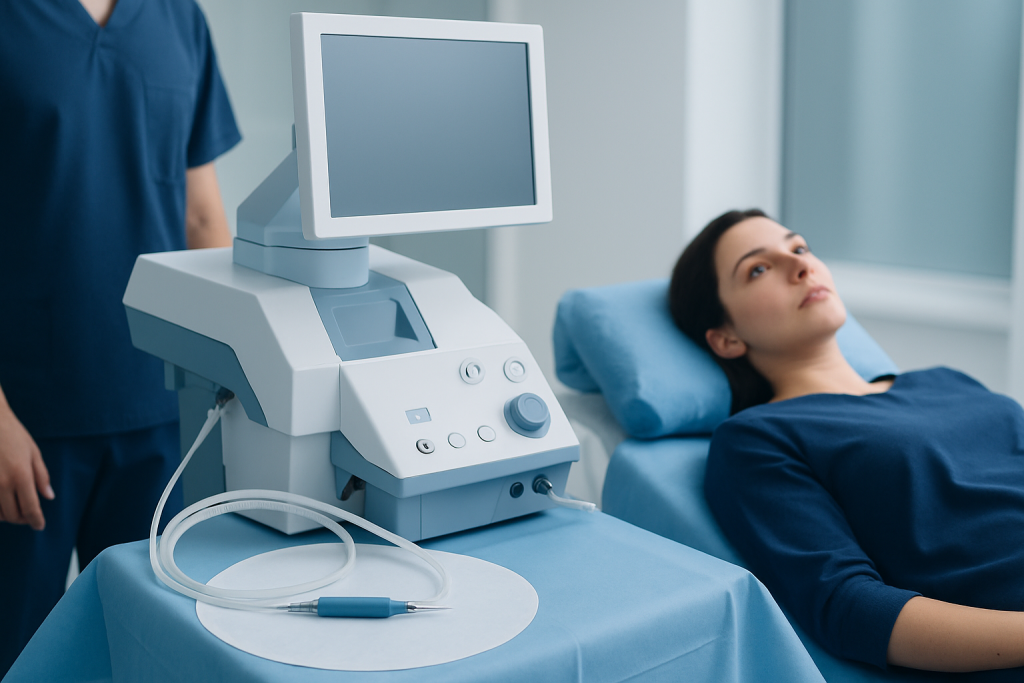
An eyebrow hair transplant is typically performed using hair follicles taken from a donor site, most often the scalp. The donor hair is selected because it is healthy and durable, but the surgeon plans carefully to choose hairs that can blend as naturally as possible with the brows.
After the donor area is prepared, individual follicular units are harvested and then implanted into tiny openings made in the eyebrow region. Placement is deliberate: the angle, direction, and spacing are adjusted so the hairs lie flat and follow the curve of the brow. This is one of the main reasons experience matters, because eyebrow hair does not grow in the same way as scalp hair.
The procedure is usually done with local anesthesia, so the person remains awake but comfortable. Depending on the number of grafts needed, it may take several hours. Afterward, the brow area may look slightly red or swollen at first, which is expected during early healing.
Benefits and What Results Can Be Expected
The most valued benefit is a natural-looking improvement that can be maintained over time. Because the transplanted hair comes from the patient’s own body, the result can feel more personal and less artificial than tattooing or surface camouflage methods.
Another advantage is customization. The surgeon can tailor the brows to the face, whether the goal is a fuller arch, improved symmetry, or reconstruction after scar-related hair loss. For many patients, this brings relief from the daily effort of drawing in eyebrows and can make grooming routines simpler.
It is important to understand that transplanted eyebrow hairs usually keep some characteristics of scalp hair. They may grow longer than native brow hairs and may need regular trimming. Final results also take time. The transplanted hairs often shed before regrowing, so the appearance evolves gradually rather than immediately.
Risks and Possible Complications
As with any surgical procedure, an eyebrow hair transplant has risks. Most are not serious when the procedure is done by a qualified surgeon, but they should be discussed beforehand so the patient knows what to expect.
Possible issues include temporary swelling, bruising, redness, itching, numbness, uneven growth, graft failure, infection, or visible scarring at the donor or recipient site. In some cases, the brows may need refinement later if the density or shape is not ideal.
There is also a cosmetic risk: if grafts are placed at the wrong angle or with poor distribution, the brows can look unnatural. This is why planning, surgical technique, and follow-up matter as much as the grafting itself. A thorough consultation helps reduce the chance of an unsatisfactory outcome.
Recovery and Aftercare
Recovery is usually manageable, but it requires patience. In the first days, the brow area may be tender and slightly swollen. Tiny scabs can form around the grafts, and the donor site may also feel sensitive. Most people are advised to avoid rubbing, scratching, makeup on the area, and activities that could disturb the grafts during the early healing phase.
One of the most important parts of recovery is understanding the normal growth cycle. Transplanted hairs often shed in the weeks after surgery before new growth begins. This shedding can surprise patients who expect immediate fullness, but it is generally part of the process rather than a sign of failure.
Longer-term care may include gentle cleansing, protecting the area from sun exposure, and attending follow-up visits so the surgeon can monitor growth. Because the transplanted hairs may continue to grow like scalp hair, regular trimming is often part of maintenance. People traveling from another country should also plan enough time for initial follow-up and ask how remote check-ins will be handled after they return home.
When to See a Doctor
A medical evaluation is sensible whenever eyebrow loss is sudden, patchy, painful, itchy, scaly, or associated with skin changes. These features can point to an underlying condition that deserves treatment before any cosmetic procedure is considered.
Anyone thinking about an eyebrow hair transplant should consult a surgeon experienced in hair restoration, not only to ask whether the brows can be improved, but also to understand whether the donor area is strong enough and whether the cause of hair loss is stable. A good consultation should include an honest discussion of expectations, recovery time, and how the final shape will suit the face.
For international patients, it can help to choose a center that can coordinate preoperative assessment, the procedure, and post-procedure follow-up in one pathway. At Acibadem Health Point, multidisciplinary specialists and JCI-accredited hospitals diagnose and treat eyebrow hair transplant cases for international patients with this kind of coordinated approach.
Frequently asked questions
01Who is a good candidate for an eyebrow hair transplant?
A good candidate usually has stable eyebrow thinning or loss, enough healthy donor hair, and realistic expectations about growth and maintenance. A doctor also looks for signs that the underlying cause has been identified or treated, especially if hair loss has been recent or active.
02Does an eyebrow hair transplant look natural?
It can look very natural when the hair is placed at the correct angle, direction, and spacing. The final appearance depends heavily on surgical technique and careful design of the brow shape.
03How long does it take to see final results?
Early healing happens within days to weeks, but the growth process takes longer. Many patients see gradual improvement over several months, and the brows continue to mature as the transplanted hairs settle in and regrow.
04Will the transplanted eyebrow hairs need trimming?
Often, yes. Because the grafts usually come from scalp hair, they may grow longer than normal eyebrow hairs. Regular trimming can help maintain a neat and natural look.
05Is the procedure painful?
The procedure is usually performed with local anesthesia, so discomfort during surgery is limited. Mild soreness, tightness, or tenderness can occur afterward, but this is typically temporary.
06Can eyebrow hair loss come back after a transplant?
The transplanted hairs are generally intended to be long lasting, but the overall result can still change if there is ongoing skin disease, scarring, or another hair loss condition. That is why identifying the cause of eyebrow thinning is an important part of planning.
This article is for general information only and is not a substitute for professional medical advice. Please consult a qualified doctor about your individual situation.
Hair transplant in Turkey — costs, graft counts & a free assessment
JCI-accredited · board-certified surgeons · reply within 24h
Add us as a Preferred Source to see more of our trusted health content across Google Search, AI Overviews and Discover.