

Osteoarthritis Self-care: Causes, Symptoms, Diagnosis and Treatment

Key Takeaways
- Osteoarthritis is a common joint condition that develops when cartilage wears down and joints become painful, stiff, or less flexible.
- Self-care can include exercise, weight management, heat or cold therapy, pacing activities, and joint-friendly movement.
- Diagnosis usually relies on symptoms, physical examination, and sometimes imaging to rule out other causes of joint pain.
- Treatment is individualized and may range from lifestyle changes and physical therapy to medicines, injections, or surgery in advanced cases.
- Medical review is important if pain is persistent, swelling is marked, the joint locks, or daily activities become difficult.
Osteoarthritis self-care focuses on easing pain, preserving movement, and protecting joints through practical daily habits. It works best alongside a doctor-guided plan that may include physical therapy, medication, and other treatments when needed.
Overview
Osteoarthritis self-care is the day-to-day management of joint pain and stiffness using practical habits that help a person stay active and comfortable. It is not a substitute for medical care, but it often plays a central role in reducing flare-ups and protecting function over time.
Osteoarthritis is the most common form of arthritis. It affects the smooth cartilage that cushions the ends of bones inside a joint, most often in the knees, hips, hands, spine, and feet. As the joint changes, movement may become more painful, less fluid, and sometimes harder to trust.
For many people, the best results come from combining self-care with a clear diagnosis and a personalized treatment plan. That approach is especially useful for international patients who may be deciding when to travel for assessment, how to prepare for treatment, and what recovery will look like once they return home.
Symptoms
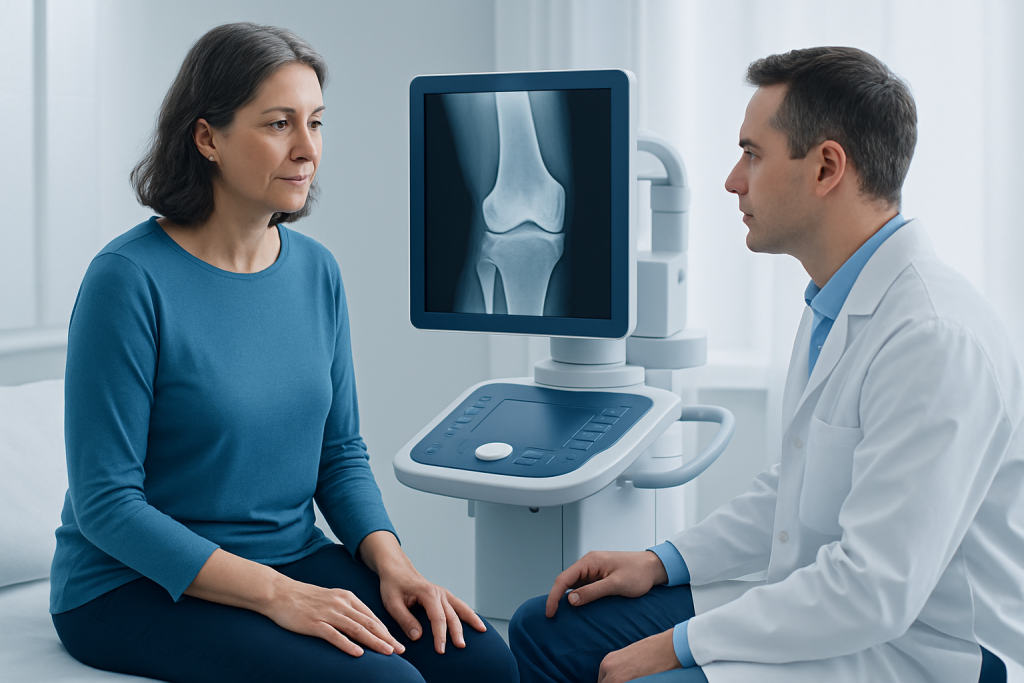
The early signs of osteoarthritis can be subtle. A joint may feel stiff after rest, sore after activity, or more uncomfortable when walking, climbing stairs, gripping objects, or standing up after sitting for a while.
Common symptoms include:
- Joint pain that improves with rest and may worsen with use
- Morning stiffness that usually lasts a short time
- Reduced range of motion
- Swelling or a feeling of fullness around the joint
- Creaking, clicking, or grinding sensations during movement
- Weakness or difficulty doing familiar tasks
Symptoms often develop gradually, which can make people adapt quietly for months before they seek help. That slow pace is one reason self-care is important: small changes made early may help preserve mobility and confidence.
Causes & Risk Factors
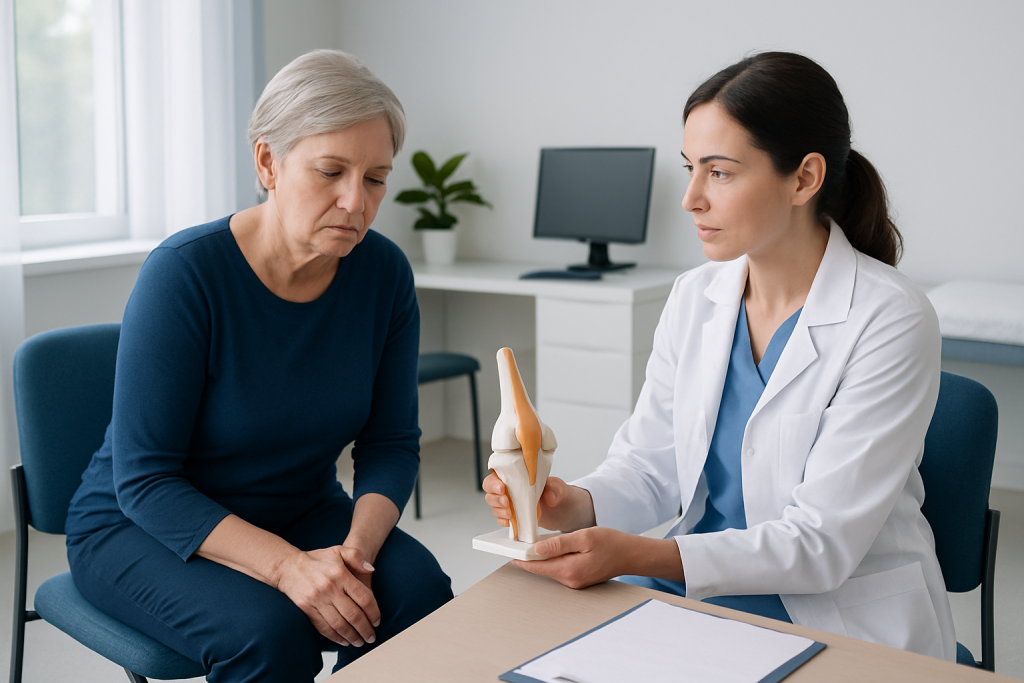
Osteoarthritis develops when the balance between wear and repair in a joint begins to shift. Cartilage becomes thinner and the bone underneath may change shape, while the surrounding tissues can become irritated and inflamed.
Age is one of the strongest risk factors, but osteoarthritis is not simply an inevitable part of getting older. Previous joint injury, repetitive strain from work or sport, excess body weight, poor muscle support around a joint, and certain inherited tendencies can all increase risk. Some people also develop osteoarthritis after a fracture or ligament injury that changes how a joint moves.
Risk is often shaped by more than one factor. For example, a person with a past knee injury who works long hours on hard surfaces may develop symptoms sooner than someone without that background. Understanding the factors involved helps clinicians recommend the most useful self-care steps, such as strengthening specific muscles or adjusting daily loads on the joint.
Diagnosis
Diagnosis starts with a detailed discussion of symptoms, daily limitations, past injuries, and the pattern of joint pain. A doctor will usually examine the affected joint for tenderness, stiffness, swelling, alignment changes, and how well it moves.
Imaging may be used when the diagnosis is uncertain or when the team needs a clearer view of joint structure. X-rays can show narrowing of the joint space, bone spurs, or other changes associated with osteoarthritis. In some situations, blood tests or other studies are ordered to help rule out inflammatory arthritis, gout, infection, or another problem that can cause similar symptoms.
For patients traveling from another country, bringing previous imaging reports, medication lists, and a simple symptom diary can make the first consultation more efficient. This is especially helpful when coordinating care across borders, because it gives the specialist a better picture of how the condition has changed over time.
Treatment Options
Treatment is usually matched to the joint involved, the severity of symptoms, and how much the condition affects daily life. Early care often begins with non-surgical strategies, because many people improve when pain is controlled and the joint is supported more intelligently.
Core treatment options may include physical therapy, exercise planning, weight management when relevant, pain-relief medicines recommended by a clinician, and sometimes injections for selected cases. A therapist may focus on muscle strengthening, flexibility, balance, and movement habits that reduce stress on the affected joint.
When symptoms remain severe despite conservative care, surgery may be considered. Joint replacement or other procedures can be appropriate for certain patients, particularly when pain and stiffness are significantly limiting quality of life. The decision is made after careful discussion of benefits, recovery time, and the person’s overall health.
Prevention & Self-care
Osteoarthritis self-care works best when it is realistic and repeatable. The goal is not to “push through” pain, but to keep joints moving in ways that are safe, steady, and sustainable.
Helpful self-care strategies include:
- Choosing low-impact activities such as walking, cycling, or swimming
- Doing regular strengthening and stretching exercises as advised by a clinician or therapist
- Using heat for stiffness and cold packs for short-term soreness or swelling
- Pacing activities and breaking long tasks into smaller steps
- Maintaining a healthy body weight if recommended by a doctor
- Wearing supportive footwear and using assistive devices when needed
Simple routines often make the biggest difference. A person who plans movement breaks, protects painful joints during chores, and keeps muscles active is usually better positioned to stay independent than someone who becomes inactive for fear of pain. It is also important to remember that self-care should be adjusted if a joint becomes more inflamed or if a new symptom appears.
When to See a Doctor
Medical evaluation is advisable when joint pain lasts more than a few weeks, keeps returning, or begins interfering with sleep, work, exercise, or everyday tasks. A doctor can confirm whether osteoarthritis is the likely cause and help identify the most suitable treatment path.
Care should be sought sooner if the joint becomes suddenly hot, very swollen, red, unstable, or unable to bear weight. These signs may suggest a different condition that needs prompt attention. A consultation is also important if there is fever, unexplained weight loss, numbness, or a major change in the way the joint functions.
For patients considering treatment abroad, a specialist review can help determine whether a trip is worthwhile and what type of follow-up will be needed after returning home. Acibadem Health Point’s multidisciplinary specialists and JCI-accredited hospitals diagnose and treat osteoarthritis for international patients in a coordinated setting, which can simplify that process.
Living Well With Osteoarthritis
Living with osteoarthritis often becomes easier when the condition is treated as a long-term joint-care plan rather than a single problem to “fix.” Many people do best when they combine movement, symptom tracking, and periodic medical review so that treatment can change as the joints change.
It can help to notice patterns: which activities worsen stiffness, whether pain is better in the morning or evening, and how the joint responds after exercise or rest. That information gives clinicians a clearer basis for adjusting therapy and helps patients feel more involved in the plan.
With consistent self-care and the right medical support, many people continue to work, travel, exercise, and remain independent. The aim is not perfect joints, but better control, fewer setbacks, and a practical routine that fits real life.
Frequently asked questions
01What is the most important part of osteoarthritis self-care?
Regular, joint-friendly movement is often the foundation of self-care. Exercise helps maintain strength, flexibility, and stability, which can reduce pain over time and support daily function. It works best when combined with pacing, good footwear, and guidance from a clinician or physical therapist.
02Can osteoarthritis get better without treatment?
Symptoms can fluctuate, but osteoarthritis usually does not disappear on its own because it reflects structural joint change. Many people do improve with self-care, weight management when relevant, and medical treatment tailored to the affected joint. Early attention often leads to better control of symptoms and better function.
03Is walking good for osteoarthritis?
Walking is often helpful because it is low impact and keeps the joint moving. The pace, distance, and surface should be adjusted to what the person can tolerate without causing prolonged pain afterward. If walking repeatedly worsens symptoms, a clinician may suggest a different exercise plan.
04Does weight loss help osteoarthritis?
If extra body weight is contributing to joint stress, even modest weight loss may ease symptoms, especially in weight-bearing joints such as the knees and hips. The main goal is to reduce strain in a safe, sustainable way, not to pursue rapid change. A doctor or dietitian can help create a realistic plan.
05When is surgery considered for osteoarthritis?
Surgery may be considered when pain and stiffness remain severe despite non-surgical care and the joint limits daily life. The exact procedure depends on the joint involved, the extent of damage, and the person’s overall health. A specialist will explain whether surgery is appropriate and what recovery may involve.
06What should a patient bring to an osteoarthritis consultation?
A symptom list, previous imaging reports, a medication record, and notes about what makes the pain better or worse can be very helpful. If the patient is traveling internationally, it is also useful to bring details of prior treatments and any related surgery or injury history. These details help the specialist build a more accurate plan.
This article is for general information only and is not a substitute for professional medical advice. Please consult a qualified doctor about your individual situation.
Joint and spine care in Turkey — expert assessment & treatment
JCI-accredited · board-certified surgeons · reply within 24h
Add us as a Preferred Source to see more of our trusted health content across Google Search, AI Overviews and Discover.


