Is Red Light Therapy Bad for Your Eyes? Safety Risks and Use
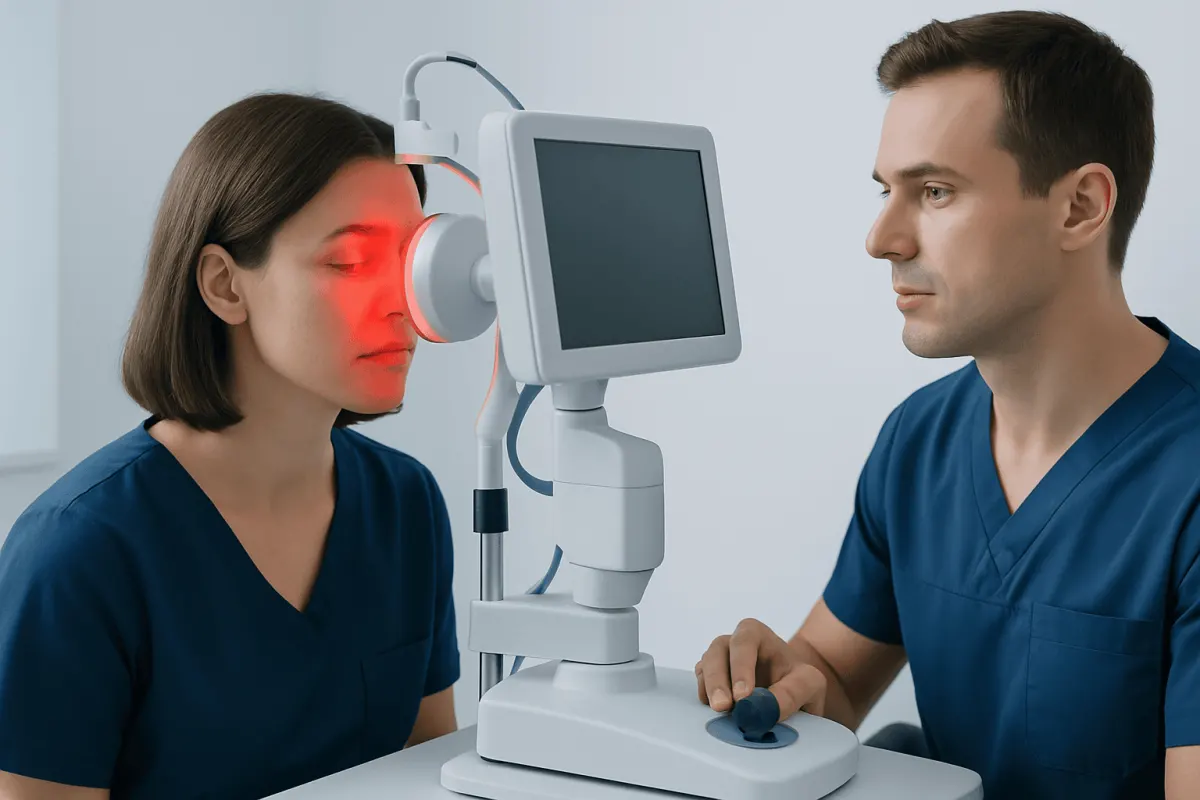
Red light therapy is not automatically harmful to the eyes, but direct, intense, prolonged, or poorly controlled exposure may cause discomfort or potentially injure sensitive eye tissues. Its safety and usefulness depend on the wavelength, power, device design, treatment area, eye protection, and a person’s existing eye health.
Overview: Is Red Light Therapy Bad for Your Eyes?
Red light therapy is not necessarily bad for the eyes when a properly designed device is used exactly as intended, at an appropriate distance and with recommended eye protection. However, it can be unsafe to look directly into a bright light source or use unregulated, high-intensity devices near the eyes, because the retina and other eye tissues are sensitive to light exposure.
Also called photobiomodulation or low-level light therapy, red light therapy uses specific wavelengths of visible red light and sometimes near-infrared light. It is commonly marketed for skin concerns, wound support, pain relief, and hair-related concerns. Research is ongoing, and benefits vary by purpose, device, and treatment protocol.
Red light is different from ultraviolet (UV) radiation, which is a well-established cause of eye and skin damage. Still, the absence of UV does not mean a device is harmless. A person considering treatment around the face or for an eye-related concern should first discuss it with an ophthalmologist or optometrist.
How Red Light Therapy Works
Red light therapy exposes tissue to selected wavelengths of light, often in the red or near-infrared range. These wavelengths may be absorbed by cellular components, including mitochondria, which help cells produce energy. Researchers are studying whether this process can influence inflammation, circulation, tissue repair, and cellular signaling.
The effect of treatment depends on more than color alone. Wavelength, intensity, exposure time, distance from the device, treatment schedule, and the area being treated all matter. More exposure is not necessarily better; excessive intensity or duration may increase the chance of irritation or injury without improving results.
In eye research, photobiomodulation has been investigated for several retinal and age-related conditions. These studies are still developing, often use specialized clinical equipment, and do not establish that consumer devices can safely treat vision problems. Anyone with Macular Degeneration: Central Vision Loss and Care" class="ahp-ilk">age-related macular degeneration or another retinal condition should follow an ophthalmologist’s treatment plan rather than self-treating with home light devices.
Can Red Light Therapy Mess Up Your Eyes?
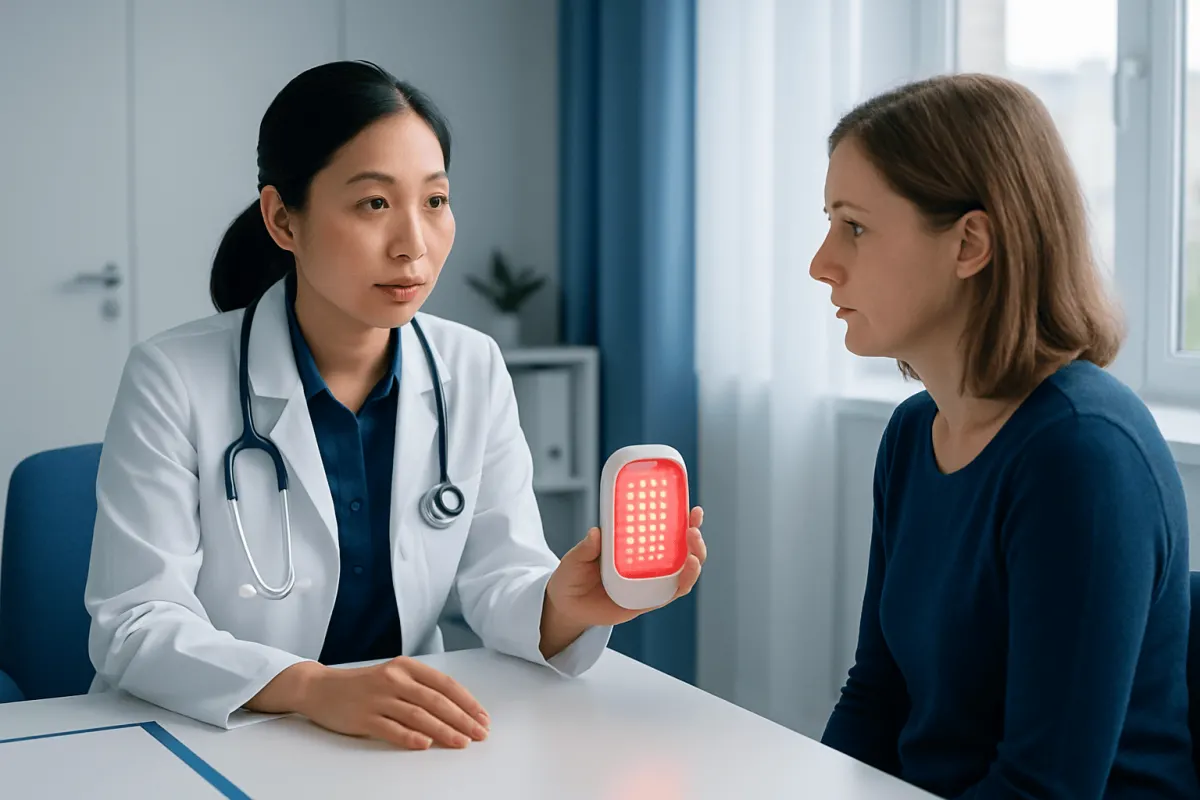
Yes, red light therapy can potentially affect the eyes adversely if it is used incorrectly. Looking into a powerful LED panel, laser, or other concentrated source may cause temporary glare, afterimages, headache, eye strain, or light sensitivity. The likelihood and seriousness of harm depend on the light’s intensity, wavelength, exposure time, and whether the beam is focused or dispersed.
The retina is particularly important because it converts light into visual signals. It does not feel pain in the same way as the front of the eye, so a person may not recognize excessive retinal exposure immediately. This is one reason device instructions, exposure limits, and protective eyewear should be taken seriously.
People should stop using a device and arrange clinical advice if they develop persistent blurred vision, blind spots, distorted vision, worsening floaters, pain, or ongoing sensitivity to light. A red light device should never be used as a substitute for evaluation of symptoms that could be linked to retinal disease, glaucoma, cataracts, infection, or another eye condition.
- Do not stare directly at active LEDs, lasers, or light panels.
- Use only devices with clear safety instructions and appropriate protective measures.
- Avoid adapting a body device for use on the eyelids or eyes unless supervised by an eye specialist.
- Keep devices away from children unless they are specifically designed and supervised for pediatric use.
Candidacy, Procedure Steps, and What to Expect
Red light therapy may be considered for selected non-eye concerns, such as certain skin or musculoskeletal symptoms, after discussing expected benefits and limitations with a qualified clinician. A person with eye disease, a history of retinal surgery, unexplained visual symptoms, photosensitivity, or medicines that increase light sensitivity should seek medical advice before using it, particularly on the face or scalp.
In a clinical setting, the first step is an assessment of the treatment goal, medical history, skin type, medications, and relevant eye conditions. The clinician selects a suitable device and protocol. If treatment is near the face, the patient may be instructed to wear fitted protective goggles or to keep the eyes closed, depending on the equipment and procedure.
During a session, the patient is positioned at a defined distance from the light source for a planned amount of time. The treatment is generally painless, although warmth, brightness, or temporary visual glare may occur. At-home products should be used only according to their labeling; a stronger setting, a longer session, or closer positioning should not be assumed to be more effective.
There is typically no recovery period after red light therapy for skin or body applications. People can usually resume normal activities, but should report persistent discomfort, rash, eye irritation, or visual changes. For concerns involving the eye itself, evaluation and treatment should be guided by an ophthalmology team rather than a general wellness protocol.
Benefits, Limitations, and Risks
Potential benefits of red light therapy are being studied in several areas, including some inflammatory skin conditions, wound healing support, pain management, and hair growth. Results can be modest, variable, and gradual. The quality of evidence differs substantially between uses, and findings from clinical-grade devices cannot always be applied to home products.
For eye health, early research has generated interest in carefully controlled photobiomodulation approaches. However, there is not enough consistent evidence to recommend consumer red light therapy as a proven treatment for reduced vision or common eye diseases. Effective established care may include monitoring, corrective lenses, injections, laser procedures, surgery, or other therapies depending on the diagnosis.
Possible side effects include temporary redness or warmth of the skin, headache, dizziness, eye strain, glare, and light sensitivity. Risks may be higher when devices are misused, when a person has a light-sensitive condition, or when exposure occurs directly to the eye. Laser products require particular caution because their concentrated beams may present greater eye hazards than broad LED light devices.
People seeking treatment for facial or skin concerns can discuss evidence-based options with a dermatologist or aesthetic specialist. Any treatment plan should be individualized, especially when it involves light-based technology close to the eyes.
Why Don't Doctors Recommend Red Light Therapy?
Doctors do not universally oppose red light therapy. Rather, many clinicians are cautious because treatment quality, device output, safety features, and marketing claims vary widely. They may recommend it only for selected uses where the potential benefit is reasonable and the risks can be managed.
For eye conditions, doctors may be especially careful because vision is vulnerable and delays in established treatment can have consequences. A consumer device may not provide the same wavelength, dose control, diagnostic oversight, or monitoring used in clinical studies. Claims that red light can reverse eye disease, replace medical treatment, or restore vision should therefore be viewed critically.
Medical professionals generally prioritize an accurate diagnosis first. For example, blurred vision may arise from dry eye, refractive error, cataracts, diabetes-related retinal changes, glaucoma, or macular disease, all of which need different care. A treatment that is suitable for skin wellness may not be suitable for the cause of a person’s visual symptoms.
What Does Mayo Clinic Say About Red Light Therapy?
Mayo Clinic health information has described red light therapy as an area of interest with possible uses in certain conditions, while emphasizing that research is ongoing and more evidence is needed for many claims. It does not position red light therapy as a universal remedy or a replacement for diagnosis and established medical care.
In practical terms, this cautious approach is helpful: people should consider the specific condition they want to address, the quality and intended use of the device, and their personal health history. A clinician can help determine whether an approach has meaningful evidence, whether a safer alternative is available, and whether symptoms need further investigation.
When a device is being considered around the eyes, an ophthalmologist or optometrist is the appropriate professional to advise on ocular safety. The person should bring the device name, instructions, wavelength information if available, and details of the planned use to the consultation.
Does Red Light Therapy Work on a 70 Year Old Woman?
Red light therapy may have effects in a 70-year-old woman, but age alone does not determine whether it will work or whether it is appropriate. The expected benefit depends on the condition being treated, the device and protocol used, skin and overall health, medicines, and the presence of eye or retinal disease.
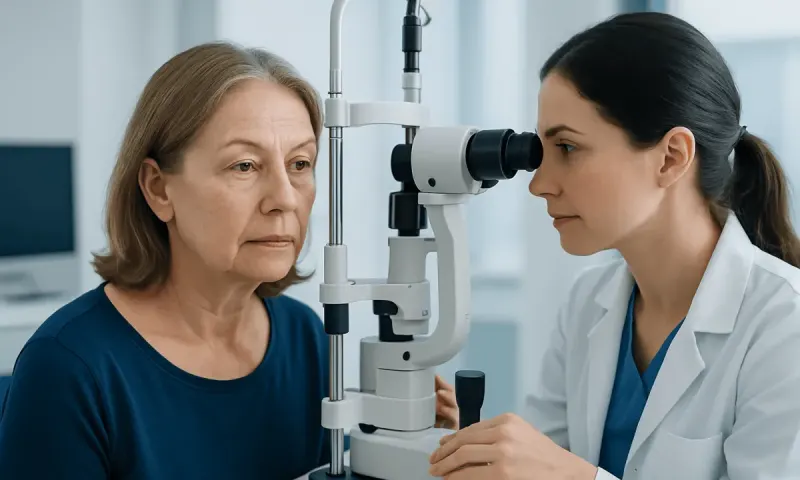
Older adults may be more likely to have conditions that require a medical assessment before trying light-based treatments. These include cataracts, glaucoma, diabetic eye disease, macular degeneration, photosensitive skin disorders, and medications that make the skin or eyes more sensitive to light. A comprehensive eye examination is particularly important when there are any visual symptoms.
For healthy aging, red light therapy should be considered an optional adjunct at most, not a replacement for sleep, balanced nutrition, physical activity, sun protection, routine health screening, or prescribed treatment. Realistic expectations are important: any improvement, if it occurs, may be subtle and may require time.
When to Seek Medical Care
A person should seek urgent eye care for sudden vision loss, a new curtain or shadow in the field of vision, a sudden increase in floaters, flashes of light, severe eye pain, significant redness, or an eye injury. These symptoms may have causes unrelated to red light therapy and should not be managed at home.
Non-urgent but timely assessment is appropriate for ongoing blurred or distorted vision, difficulty seeing in low light, persistent dry or irritated eyes, recurring headaches after light exposure, or concerns about a device used near the face. An ophthalmologist can check the retina, optic nerve, lens, and front of the eye and explain suitable next steps.
Acıbadem Health Point’s multidisciplinary specialists and JCI-accredited hospitals support international patients with assessment and treatment for eye concerns and related health conditions. A personalized consultation can help distinguish evidence-based care from therapies that may not be suitable for an individual’s symptoms or diagnosis.
Frequently asked questions
01Is red light therapy bad for your eyes?
Red light therapy is not automatically harmful, but direct exposure to bright or high-powered devices can pose a risk to the eyes. It should not be stared into, and devices used near the face should follow manufacturer instructions and professional guidance. Anyone with eye disease or visual symptoms should ask an eye-care professional before use.
02Should eyes be open or closed during red light therapy?
This depends on the device, the treatment area, and its specific instructions. For treatments near the face, many devices advise eye protection or keeping the eyes closed, but closed eyelids do not necessarily provide complete protection from intense light. A person should not improvise and should seek professional advice for any eye-area use.
03Can red light therapy improve eyesight?
Research into photobiomodulation for some eye conditions is ongoing, but consumer red light therapy is not an established treatment for improving eyesight. It should not replace eye examinations, corrective lenses, prescribed medicine, injections, laser treatment, or surgery. New or worsening visual symptoms should be assessed promptly.
04Why do eyes feel strange after red light therapy?
Brightness, glare, temporary afterimages, eye strain, and light sensitivity can occur after exposure to a strong light source. Symptoms should settle quickly after stopping exposure. Persistent changes in vision, pain, or increasing sensitivity require evaluation by an optometrist or ophthalmologist.
05Who should avoid red light therapy near the eyes?
People with unexplained vision changes, retinal disease, glaucoma, recent eye surgery, photosensitivity disorders, or medicines that increase light sensitivity should seek medical advice first. Children and people unable to follow safety directions also need particular caution. An ophthalmologist can provide advice based on the individual’s diagnosis and device.
06Is red light therapy safe for older adults?
It can be suitable for some older adults when used for an appropriate purpose and according to instructions. However, older adults are more likely to have eye conditions or take medicines that may affect suitability. Medical guidance is advisable before using light therapy near the face or eyes.
This article is for general information only and is not a substitute for professional medical advice. Please consult a qualified doctor about your individual situation.
Hair transplant in Turkey — costs, graft counts & a free assessment
JCI-accredited · board-certified surgeons · reply within 24h
Add us as a Preferred Source to see more of our trusted health content across Google Search, AI Overviews and Discover.