

Is Pineapple Good for Pregnant Women?

Key Takeaways
- Pineapple is generally safe in pregnancy when eaten as part of a balanced diet.
- The fruit is a source of vitamin C, water, and fiber, which can support overall nutrition.
- Fresh pineapple is usually a better choice than sugary pineapple juices or desserts.
- Large amounts are not needed, and pineapple does not have a proven role in starting labor.
- Pregnant women with reflux, diabetes, or allergy symptoms should discuss fruit choices with their doctor.
Pineapple can be a safe fruit to enjoy during pregnancy when eaten in normal food portions. It provides fluid, fiber, and vitamins, but women with reflux, gestational diabetes, or food sensitivities may need to be more cautious.
Overview
For most women, the answer to is pineapple good for pregnant women is yes: pineapple can be a healthy, refreshing food during pregnancy when it is eaten in ordinary amounts. It offers hydration, natural sweetness, and nutrients that can fit well into a balanced pregnancy diet.
What matters most is portion size, overall diet quality, and how the body tolerates acidic foods. Pineapple is not a “special” pregnancy food, but it is also not something that usually needs to be avoided. The bigger question is whether it suits an individual woman’s digestion, blood sugar needs, and taste preferences at that stage of pregnancy.
Pregnancy nutrition is less about one fruit and more about building a pattern of safe, varied meals. In that context, pineapple can be one part of the picture, especially when it replaces less nutritious snacks rather than adding extra sugar to the day.
What Pineapple Offers During Pregnancy
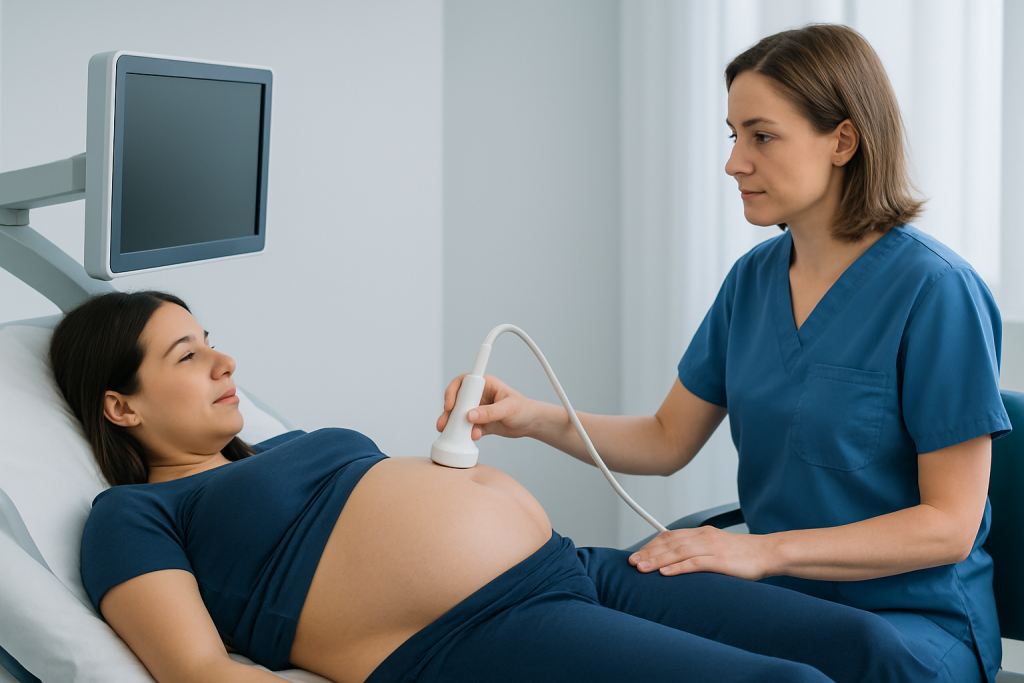
Pineapple contains vitamin C, which helps the body use iron from plant foods and supports normal immune function. It also provides water, which can be helpful when nausea, heat, or poor appetite make it harder to stay hydrated.
The fruit also contains fiber, especially when eaten fresh in slices rather than as juice. Fiber can support bowel regularity, which is a common pregnancy concern. Many women find that naturally sweet fruit is easier to tolerate than heavy desserts or processed snacks.
Another practical benefit is that pineapple is easy to portion. A few slices can be added to yogurt, oats, salads, or a mixed fruit bowl, giving variety without requiring a major change to the diet.
Myths About Pineapple and Labor
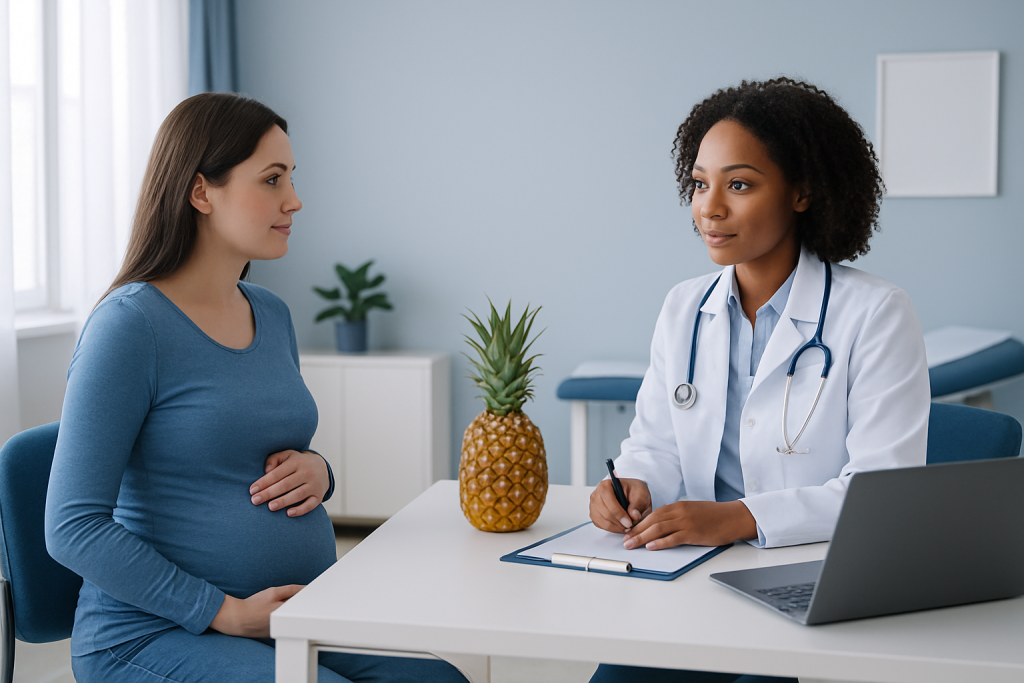
One of the most common pregnancy myths is that pineapple can start labor. This idea usually comes from bromelain, an enzyme found in pineapple, but normal food portions do not contain enough of it to reliably affect the uterus.
In everyday eating, pineapple is treated as food, not as a labor-inducing remedy. A woman would need to consume unrealistic amounts for that idea to matter, and even then there is no dependable evidence that it would trigger birth. Labor should never be attempted at home with unproven food “methods.”
It is more useful to think about pineapple the same way as other fruits: enjoyable, nutritious, and safe for many people in moderation. If there are concerns about preterm labor or symptoms such as contractions, a doctor should be contacted promptly rather than relying on home remedies.
When Pineapple May Not Feel So Good
Although pineapple is generally safe, some pregnant women notice that it worsens heartburn or nausea because it is acidic. This is especially common later in pregnancy, when the growing uterus can make reflux more noticeable.
Women with gestational diabetes may also want to pay attention to portion size and the form of pineapple they choose. Whole fruit is usually preferable to juice, canned fruit in syrup, or desserts, because these options can deliver sugar more quickly and in larger amounts.
Some people may also be sensitive to pineapple in a way that causes mouth irritation, itchiness, or digestive discomfort. If symptoms appear after eating it, the fruit may simply not be a good fit for that individual’s pregnancy diet.
- Choose fresh pineapple or fruit packed in water or natural juice when possible.
- Limit large servings if reflux or nausea becomes worse after acidic foods.
- Be careful with pineapple juice, which is easier to overconsume.
- Discuss fruit portions with a doctor or dietitian if blood sugar is a concern.
How to Eat Pineapple Safely While Pregnant
Food safety matters as much as nutrition during pregnancy. Pineapple should be washed before cutting, and any prepared fruit should be stored properly to reduce the risk of contamination. Freshly cut fruit is best kept refrigerated and eaten within a reasonable time.
Simple serving ideas often work best. Pineapple can be paired with protein-rich foods such as yogurt, cottage cheese, or nuts to create a more balanced snack. This can help with satiety and may soften the sugar impact compared with eating fruit on its own.
It is also sensible to avoid fruit that is overripe, damaged, or left at room temperature too long. Canned pineapple can be used occasionally, but reading the label helps because some products contain added sugar that is unnecessary in pregnancy.
Pineapple in the Wider Pregnancy Diet
Pregnancy diets are usually healthiest when they include a wide range of foods: vegetables, fruit, whole grains, protein, dairy or alternatives, and healthy fats. Pineapple can add color and taste, but it should not replace more nutrient-dense choices on a daily basis.
Women often benefit from thinking in terms of balance rather than restriction. If pineapple is one of several fruits in the week, it can easily fit into an eating plan. If it becomes a frequent craving, it is still best to keep portions moderate and vary fruit choices.
For travelers or Myomectomy Recovery for International Patients: The Usual Travel Timeline" class="ahp-ilk">international patients, that balance may look different from home to home. In many settings, fresh fruit availability, meal timing, and food safety practices vary, so asking a clinician or dietitian for local guidance can make day-to-day eating simpler and safer.
When to See a Doctor
Pineapple itself usually does not require medical attention, but symptoms after eating it sometimes do. A pregnant woman should speak with her doctor if pineapple repeatedly causes strong heartburn, vomiting, oral itching, hives, swelling, or abdominal pain.
Medical advice is also important if she has gestational diabetes, a history of food allergy, trouble keeping food down, or any pregnancy complication that affects diet. A clinician can help decide whether pineapple should be limited, adjusted, or replaced with another fruit.
If there is uncertainty about what is safe during pregnancy, especially when care is being coordinated from another country, a multidisciplinary team can help interpret food, symptom, and lab findings together. Acibadem Health Point’s specialists and JCI-accredited hospitals diagnose and treat a wide range of women’s health needs for international patients.
A Practical Bottom Line
So, is pineapple good for pregnant women? In most cases, yes — when it is eaten as part of a normal, varied diet and tolerated well. The fruit can contribute hydration, fiber, and vitamin C without introducing unnecessary complexity.
The main cautions are not about danger from pineapple itself, but about how it is consumed and how the individual body responds. Fresh fruit in sensible portions is usually the best choice, while juice, syrup-packed canned fruit, and very large servings are less ideal.
As with most pregnancy nutrition questions, the most reliable advice is personal. A doctor, midwife, or dietitian can help tailor fruit choices to nausea, reflux, blood sugar needs, and any other pregnancy-specific concerns.
Frequently asked questions
01Is pineapple safe to eat during pregnancy?
For most pregnant women, pineapple is safe when eaten in normal food portions. Fresh pineapple is usually the best option because it provides fruit nutrients without added sugar. If it causes discomfort, it can simply be reduced or replaced.
02Can pineapple cause miscarriage or early labor?
There is no good evidence that ordinary amounts of pineapple cause miscarriage or start labor. The bromelain in pineapple is not present in enough food quantity to work as a labor trigger. Concerns about bleeding, contractions, or pregnancy complications should be discussed with a doctor.
03How much pineapple can a pregnant woman eat?
There is no universal amount that fits every pregnancy, because tolerance and blood sugar needs vary. A moderate serving as part of a balanced meal or snack is usually reasonable for many women. If a clinician has given dietary advice for gestational diabetes or reflux, that guidance should take priority.
04Is pineapple juice as healthy as fresh pineapple in pregnancy?
Fresh pineapple is usually a better choice than juice because it contains fiber and is harder to overconsume. Juice can raise blood sugar more quickly and may worsen heartburn in some women. If juice is used, small amounts are generally more sensible than large glasses.
05Can pineapple help with pregnancy nausea or constipation?
Some women find pineapple refreshing when nausea reduces appetite, and the fruit’s water content can be helpful. Its fiber may support bowel regularity, though it is not a treatment for constipation on its own. If nausea or constipation is persistent, a doctor can suggest safer and more effective options.
06Who should be more cautious with pineapple during pregnancy?
Women with acid reflux, mouth irritation, fruit allergy symptoms, or gestational diabetes may need to be more careful. Pineapple can also feel too acidic for some women in later pregnancy. A healthcare professional can help decide whether to limit the fruit or choose alternatives.
This article is for general information only and is not a substitute for professional medical advice. Please consult a qualified doctor about your individual situation.
Persistent digestive symptoms? Get evaluated in Turkey
JCI-accredited · board-certified surgeons · reply within 24h
Add us as a Preferred Source to see more of our trusted health content across Google Search, AI Overviews and Discover.


