Breech Baby: Causes and Delivery Options

Key Takeaways
- A breech position late in pregnancy is common enough for doctors to monitor closely, and it does not always mean a problem.
- Ultrasound and physical examination help confirm the baby’s position and guide the next step.
- Some breech babies may turn before birth, and external cephalic version may be an option in selected pregnancies.
- Delivery planning depends on the type of breech, gestational age, placenta location, maternal health, and fetal wellbeing.
- A woman should contact a doctor if she has reduced fetal movement, bleeding, contractions, or concerns about her baby’s position.
A breech baby is one who is positioned feet-, bottom-, or sideways-first late in pregnancy instead of head-down. Many babies turn on their own, and when they do not, obstetric teams can discuss monitoring, version, or delivery planning based on the mother’s and baby’s situation.
Overview
When a baby is described as breech, it means the baby is lying in a position other than head-down near the end of pregnancy. The most familiar breech positions place the baby’s bottom, feet, or both closer to the birth canal. Many babies are breech earlier in pregnancy and then turn naturally as the uterus grows and space changes.
By the final weeks of pregnancy, however, a baby that remains breech deserves a careful discussion with the obstetric team. The main question is not only where the baby’s head is, but whether the safest plan is to wait, try to turn the baby, or prepare for a planned delivery approach. That decision is individualized and usually based on the baby’s exact position, the pregnancy history, and the mother’s preferences and medical needs.
For families traveling for maternity care, breech presentation often raises practical questions as well: how much time is available, whether a version attempt is suitable, and what delivery setting is most appropriate. These are the kinds of details that are best reviewed with a clinician who can assess the pregnancy directly and explain the options in plain language.
Symptoms and How It Is Found
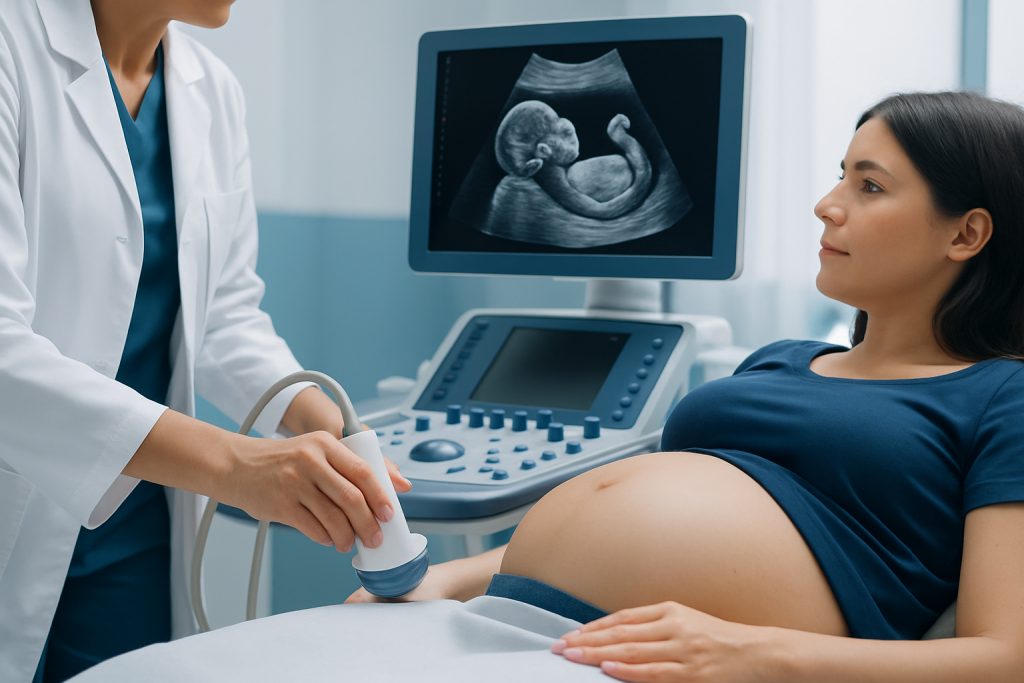
A breech baby usually does not cause a specific symptom that the mother can reliably feel. Some women notice that kicks are felt lower in the pelvis, while the pressure in the upper abdomen may feel different from a head-down pregnancy. Still, body sensations alone cannot confirm the baby’s position.
During routine antenatal visits, a clinician may suspect breech presentation by examining the abdomen and feeling where the baby’s head, back, and buttocks are located. Ultrasound is commonly used to confirm the position and to better understand the baby’s type of breech, the amount of fluid around the baby, the placenta’s location, and any other details that influence planning.
Common breech types include:
- Frank breech: the baby’s bottom is down, with the legs stretched upward.
- Complete breech: the baby sits cross-legged with the bottom down.
- Footling breech: one or both feet are positioned to come first.
The exact type matters because it can affect how likely the baby is to turn on its own and what delivery options are considered safest.
Causes and Risk Factors

In many pregnancies, there is no single identifiable reason why a baby remains breech. Early in pregnancy, many babies change positions naturally, and some simply do not settle head-down by the end. Breech presentation is therefore often a matter of timing and space rather than something the mother did or did not do.
Certain factors can make breech presentation more likely. These may include prematurity, a uterus shape that changes how the baby lies, low or high amniotic fluid, placenta placement, multiple pregnancy, or a baby with certain conditions that affect movement. A history of previous breech presentation can also be relevant.
Maternal factors may be considered too, but they do not mean breech will occur. The main point is that breech presentation is usually assessed in context, because the same position can carry different implications depending on the overall pregnancy picture. A doctor can explain whether the breech is likely temporary or whether intervention should be discussed.
Diagnosis
Diagnosis starts with the routine antenatal assessment. If the clinician suspects breech by abdominal examination, an ultrasound is often arranged to confirm the position and check details that matter for delivery planning. This is a simple and noninvasive way to make decisions more precise.
Ultrasound helps the care team see whether the baby is frank, complete, or footling breech, and whether the head is flexed or extended. It also allows the placenta, cord, and amniotic fluid volume to be reviewed. These findings can influence whether turning the baby is a good option and whether vaginal breech birth might be considered in a specific hospital setting.
For women receiving care abroad or arriving late in pregnancy, the diagnostic step is often especially important because prior records may be incomplete. In that setting, the team may repeat ultrasound, review earlier pregnancy notes if available, and create a plan based on the current examination rather than assumptions from before travel.
Treatment Options
There is no treatment for breech presentation in the sense of “fixing” a disease, but there are several management options. Some babies turn on their own before labor begins, especially earlier in the third trimester. If the baby remains breech near term, the doctor may discuss an external cephalic version, planned caesarean birth, or, in selected situations, planned vaginal breech birth.
External cephalic version (ECV) is a procedure in which a clinician uses hands on the mother’s abdomen to try to guide the baby into a head-down position. It is generally considered near term and is not suitable for every pregnancy. The team will assess whether the placenta position, fetal wellbeing, scar history, fluid level, and other factors make it appropriate.
If version is not advised or does not succeed, delivery planning becomes the next step. A planned caesarean birth is often recommended in many breech pregnancies because it can reduce certain delivery risks for the baby. In carefully selected cases, and in hospitals with the right expertise, vaginal breech birth may be an option after detailed counseling. That decision depends heavily on local skill, the baby’s type of breech, and the mother’s medical situation.
Supportive planning may also include monitoring fetal movements, checking the baby’s wellbeing, and discussing what to do if labor starts before the arranged delivery date. For Myomectomy Recovery for International Patients: The Usual Travel Timeline" class="ahp-ilk">international patients, this is the stage when coordination matters: records, timing, interpreter support, and a clear written plan can make the birth experience much smoother.
Prevention and Self-care
Most breech presentations cannot be prevented because they are not caused by something a woman has done. Still, there are sensible ways to support a safe pregnancy and stay ready for a changing plan. Regular prenatal care is the main tool, because it allows the baby’s position to be checked at the right time and gives the family space to discuss options calmly.
Some women hear about exercises, positions, or home methods intended to turn a breech baby. These should be approached carefully. Evidence is limited for many of these methods, and not all are safe in every pregnancy. It is best to ask the obstetric team before trying any technique, especially if there is bleeding, pain, placenta concerns, contractions, or a previous uterine surgery.
Helpful self-care steps include:
- attending all prenatal appointments and ultrasound visits;
- noticing fetal movement patterns and reporting a clear reduction;
- asking early about delivery options if the baby is breech near term;
- keeping travel plans flexible if care may need to change;
- bringing past scan reports or maternity records when seeking care abroad.
For women recovering from a breech-related caesarean or preparing for a planned birth away from home, practical aftercare planning is just as important as the delivery itself. Clear instructions about wound care, activity limits, breastfeeding support, and follow-up appointments help the transition feel less overwhelming.
When to See a Doctor
Medical review is important if a breech position is suspected, especially in the third trimester. Even when the baby is moving well, the pregnancy should be reassessed to confirm the position and decide whether any action is needed. The best timing for that review may vary, but it should not be left until labor has already begun.
Immediate contact with a doctor or maternity unit is important if there is Common Causes and How Doctors Evaluate It" class="ahp-ilk">vaginal bleeding, leaking fluid, regular contractions, decreased fetal movement, severe abdominal pain, or any sudden change in how the pregnancy feels. These symptoms do not necessarily mean something serious, but they should be checked promptly.
Women who are planning to give birth in another country may benefit from earlier contact with a maternity center, because breech presentation can affect travel timing and delivery logistics. Acibadem Health Point’s multidisciplinary specialists and JCI-accredited hospitals diagnose and treat breech pregnancy for international patients with coordinated, patient-centered care.
Living with the Diagnosis and Preparing for Birth
Hearing that a baby is breech often creates uncertainty, but it is usually a planning issue rather than an emergency. Many families find it helpful to focus on the next practical step instead of trying to solve everything at once. The next step may be a repeat scan, a version discussion, or a detailed conversation about the safest delivery route.
It can also help to ask questions in advance: How is the baby lying? Is version appropriate? If a caesarean is recommended, when would it be scheduled? If labor starts earlier, where should the mother go? For patients traveling internationally, those questions can be answered more effectively when a local team reviews the pregnancy history and coordinates care in advance.
Whether the final plan is a successful turning procedure, a planned caesarean, or a carefully selected vaginal breech birth, the goal is the same: a safe delivery for mother and baby with as little uncertainty as possible.
After Birth and Follow-up
Once the baby is born, follow-up focuses on the usual newborn checks and, if needed, recovery for the mother. If a caesarean was performed, the mother will need guidance on wound care, activity, pain control, and warning signs that should be reported. If a vaginal breech birth occurred, the baby may still be examined carefully to ensure there were no birth-related concerns.
After discharge, women who received care away from home should have a clear plan for ongoing follow-up, including who to contact if concerns arise after returning to their own country. Good discharge instructions are especially valuable when language, travel, or time-zone differences make later contact more complicated.
In many cases, the most reassuring part of the process is knowing that the breech diagnosis led to a deliberate plan rather than a rushed decision. When the pregnancy is monitored and the birth setting is chosen thoughtfully, families are usually able to move from uncertainty to a clear and supported delivery experience.
Frequently asked questions
01What does it mean if a baby is breech?
A breech baby is positioned so that the buttocks or feet are toward the birth canal instead of the head. This is common earlier in pregnancy, but if it continues near term, the obstetric team usually reviews the safest delivery plan.
02Can a breech baby turn on its own?
Yes, some babies turn naturally before birth, especially earlier in the third trimester. If the baby remains breech near term, the doctor may discuss whether external cephalic version is suitable.
03Is breech presentation always a reason for caesarean birth?
No, but caesarean birth is often recommended in many breech pregnancies because it may be safer for the baby in certain situations. In selected cases and in experienced hospitals, vaginal breech birth may be considered after careful counseling.
04Does breech mean something is wrong with the baby?
Not necessarily. Many breech babies are otherwise healthy, and the position itself does not automatically mean a problem. The doctor will check for factors that may have contributed and will assess the whole pregnancy before advising on delivery.
05Can exercises or home methods safely turn a breech baby?
Some methods are widely discussed, but not all are proven or appropriate for every pregnancy. A woman should speak with her obstetric team before trying any technique, because safety depends on her pregnancy details.
06When should a woman seek urgent help if the baby is breech?
Urgent medical advice is needed for reduced fetal movement, vaginal bleeding, fluid leakage, strong contractions, or severe pain. These symptoms should be assessed promptly whether or not the baby is breech.
This article is for general information only and is not a substitute for professional medical advice. Please consult a qualified doctor about your individual situation.
Explore treatments in Turkey — costs, top hospitals & a free quote
JCI-accredited · board-certified surgeons · reply within 24h
Add us as a Preferred Source to see more of our trusted health content across Google Search, AI Overviews and Discover.