12 Week Pregnant Woman: What You Need to Know

Key Takeaways
- A 12 week pregnant woman is usually near the end of the first trimester, when nausea and fatigue may start to improve.
- The baby is developing rapidly, and routine prenatal care may include an ultrasound and first-trimester screening.
- Mild cramps, bloating, and breast tenderness can be normal, but bleeding, severe pain, or persistent vomiting need medical attention.
- Balanced meals, hydration, prenatal vitamins, and rest can help support comfort and health.
- Traveling for pregnancy care can be coordinated safely with a qualified obstetric team, especially for international patients.
At 12 weeks pregnant, many people begin to feel the first trimester ease, while the baby’s early organs and features continue developing quickly. This stage is a good time to understand common symptoms, upcoming tests, and simple ways to support a healthy pregnancy.
Overview
For a 12 week pregnant woman, this point in pregnancy often feels like a transition. The body is still adapting to major hormonal changes, but many people notice that the early weeks’ strongest symptoms begin to soften. It is also a meaningful milestone because the pregnancy is approaching the second trimester, when energy and appetite may improve for some women.
At 12 weeks, the baby is developing quickly. The head, limbs, facial features, and internal organs are continuing to mature, and the placenta is becoming more established as the main support system for the pregnancy. In routine care, this is a common time for an ultrasound or other first-trimester assessments, depending on the person’s medical history and local practice.
Pregnancy experience varies widely. Some women feel better by week 12; others still have nausea, tiredness, mood shifts, or food aversions. Both patterns can be normal. What matters most is regular prenatal follow-up and prompt attention to symptoms that seem severe, unusual, or worrying.
Symptoms
Many 12-week pregnant women notice that nausea is less intense than it was a few weeks earlier, though it may not disappear completely. Fatigue, breast tenderness, bloating, and frequent urination can continue. Mild constipation and heartburn are also common as hormones affect the digestive system.
Some women experience emotional changes during this stage. Relief, excitement, and anxiety may all appear in the same week, especially if the pregnancy was hard to achieve or if this is a first pregnancy. These feelings are understandable and do not usually mean something is wrong.
Typical symptoms around 12 weeks may include:
- Mild nausea or occasional vomiting
- Tiredness or the need for more rest
- Breast fullness or sensitivity
- Bloating and gas
- Mood changes
- Food cravings or aversions
Symptoms that become intense, new, or one-sided should not be ignored. A pregnant woman should contact a doctor if she has heavy bleeding, strong abdominal pain, fever, dizziness, dehydration, or vomiting that prevents fluids from staying down.
Causes & Risk Factors

The changes a 12 week pregnant woman feels are mainly driven by normal pregnancy hormones and the body’s adaptation to support the growing baby. Human chorionic gonadotropin, progesterone, and estrogen all play roles in nausea, tiredness, breast changes, and digestion. As pregnancy progresses, these levels and the body’s response to them continue to evolve.
Some women have stronger symptoms than others. A history of severe morning sickness, carrying more than one baby, a previous pregnancy with certain complications, thyroid problems, diabetes, or some gastrointestinal conditions may affect how pregnancy feels and how closely it needs to be monitored. Age, weight, smoking, alcohol use, and overall health can also influence pregnancy risks.
Risk factors do not mean a problem will occur, but they may guide prenatal care. For women traveling from another country for consultation or treatment, it is especially helpful to share previous ultrasound reports, test results, medication lists, and the timing of the last menstrual period so the care team can build a clear picture quickly.
Diagnosis
At 12 weeks, prenatal diagnosis usually focuses on confirming how the pregnancy is progressing and checking the mother’s health. A doctor may review symptoms, measure blood pressure, ask about any bleeding or pain, and discuss prior test results. In many settings, this visit also includes routine blood work and urine testing.
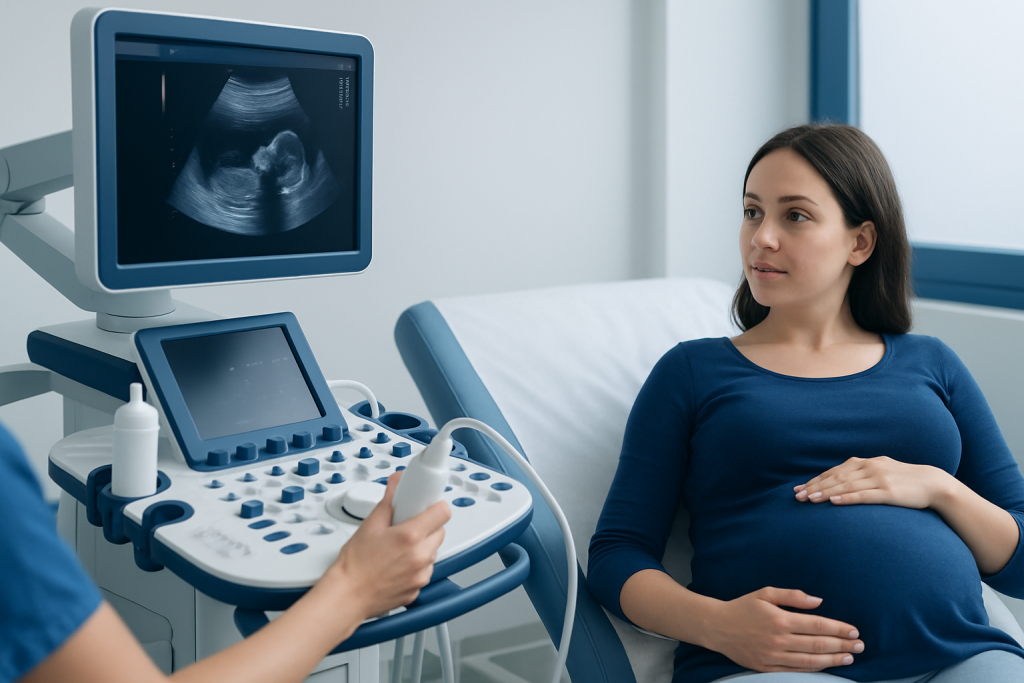
An ultrasound is often one of the most reassuring parts of care at this stage. It can help confirm gestational age, check fetal heartbeat, and assess the number of babies in the uterus. Depending on the situation, the clinician may also discuss screening tests for chromosomal conditions, which are based on maternal age, ultrasound findings, and other clinical factors.
If the patient is receiving care outside her home country, the diagnostic plan may be organized over a short time so that important tests are completed efficiently. A multidisciplinary team can help coordinate obstetric evaluation, imaging, and laboratory work while keeping the process clear and understandable.
Treatment Options
There is no “treatment” for normal pregnancy itself, but there are many ways to manage symptoms and support a healthy course. If nausea is still troublesome, a doctor may suggest dietary changes, rest, or pregnancy-safe medication when appropriate. For constipation or heartburn, simple lifestyle steps often help, but persistent symptoms should be discussed with a clinician.
Routine prenatal care remains the foundation of management. That may include monitoring weight, blood pressure, urine findings, and any symptoms that suggest anemia, infection, or another concern. The doctor may also review whether the current prenatal vitamin is suitable and whether any medications should be continued, changed, or avoided.
When a pregnancy is considered higher risk, treatment may involve closer follow-up, specialist input, or repeat scans. In an international-care setting, this can be especially valuable because the patient may need a concise plan for follow-up after returning home. Clear documentation, a summary of findings, and guidance for next steps help keep care consistent across borders.
Prevention & Self-care
Self-care at 12 weeks is mostly about steady, realistic habits rather than dramatic changes. Eating small, balanced meals can help with nausea and energy dips, while drinking enough fluids supports circulation and digestion. A prenatal vitamin with folic acid is commonly recommended, but it should be taken as advised by the patient’s doctor.
Many pregnant women also benefit from pacing their day. Rest when tired, get up slowly if dizziness occurs, and choose gentle movement such as walking if it feels comfortable and has been approved by a clinician. Sleep, hydration, and regular meals often make a noticeable difference in how the body feels.
Helpful self-care steps may include:
- Eating bland or frequent small meals if nausea persists
- Avoiding foods and smells that trigger vomiting
- Drinking fluids throughout the day
- Limiting alcohol, smoking, and non-advised medications
- Using only pregnancy-safe supplements and remedies after medical advice
- Keeping prenatal appointments even if symptoms improve
For women planning travel during pregnancy, comfort and safety should come first. It is wise to confirm whether travel is appropriate, especially if there is bleeding, a history of complications, or a need for close follow-up soon after the visit.
When to See a Doctor
A 12 week pregnant woman should seek medical advice promptly if she has vaginal bleeding, severe or persistent abdominal pain, fever, foul-smelling discharge, fainting, or one-sided pelvic pain. These symptoms do not always signal a serious problem, but they deserve timely evaluation.
Medical review is also important if vomiting becomes frequent enough to cause weight loss, dehydration, or difficulty keeping food or fluids down. Headache with vision changes, swelling, or high blood pressure symptoms should also be discussed with a doctor as soon as possible.
Even when everything seems to be going well, regular prenatal visits matter. They allow the care team to confirm that the pregnancy is developing as expected and to answer practical questions about exercise, diet, medications, travel, and future tests. For Myomectomy Recovery for International Patients: The Usual Travel Timeline" class="ahp-ilk">international patients, Acibadem Health Point’s multidisciplinary specialists and JCI-accredited hospitals can help diagnose and treat this condition with coordinated, patient-centered care.
What to Expect in the Coming Weeks
After 12 weeks, many people begin to notice a gradual shift in how they feel. Energy may return, nausea may ease, and the pregnancy may become a little more visible as the uterus grows upward out of the pelvis. This is also when planning often moves from “Is everything okay?” to “How do we stay healthy from here?”
The second trimester usually brings new topics into prenatal conversations, such as anatomy scans, blood tests, movement expectations, and birth planning later on. It is normal to have questions about activity, travel, work, intimacy, or symptoms that seem different from week to week. A good prenatal team can help interpret what is normal for that individual pregnancy.
If a woman is receiving care in another country or considering a second opinion, this is a practical time to collect records and ask for a clear follow-up plan. Good communication now can make the rest of pregnancy feel more organized and less stressful.
Frequently asked questions
01Is 12 weeks considered the end of the first trimester?
Yes, 12 weeks is commonly considered the final part of the first trimester. Some symptoms may start to improve around this time, although every pregnancy is different. A doctor can confirm gestational age based on the last menstrual period and ultrasound if needed.
02What should a 12 week pregnant woman be feeling?
Many women still have some nausea, fatigue, breast tenderness, or bloating at 12 weeks. Others feel noticeably better and may regain energy and appetite. Both patterns can be normal.
03Is it normal to have cramps at 12 weeks pregnant?
Mild cramping can happen as the uterus grows and nearby ligaments stretch. Cramping should be mentioned to a doctor if it is strong, persistent, one-sided, or comes with bleeding. That combination deserves prompt assessment.
04Will there be an ultrasound at 12 weeks?
Often, yes. A 12-week scan may be used to confirm the pregnancy’s development, check the heartbeat, and estimate gestational age. The exact timing depends on local practice and the person’s medical history.
05Can nausea still be severe at 12 weeks?
Yes, some women continue to have strong nausea beyond the first trimester. If vomiting prevents drinking, causes dehydration, or leads to weight loss, a doctor should be contacted. There are safe ways to manage pregnancy-related nausea with medical guidance.
06Is it safe to travel at 12 weeks pregnant?
Many pregnant women can travel at 12 weeks if their pregnancy is uncomplicated and their doctor agrees. It is important to consider access to care, comfort, hydration, and any personal risk factors before planning a trip. Women with bleeding, pain, or higher-risk pregnancies should get individualized advice first.
This article is for general information only and is not a substitute for professional medical advice. Please consult a qualified doctor about your individual situation.
Persistent digestive symptoms? Get evaluated in Turkey
JCI-accredited · board-certified surgeons · reply within 24h
Add us as a Preferred Source to see more of our trusted health content across Google Search, AI Overviews and Discover.