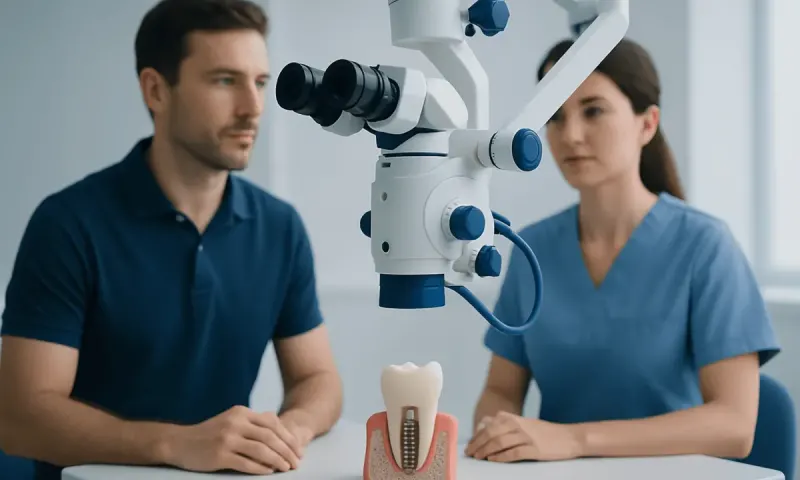
Implant Dentistry for Retirees: Choosing Care
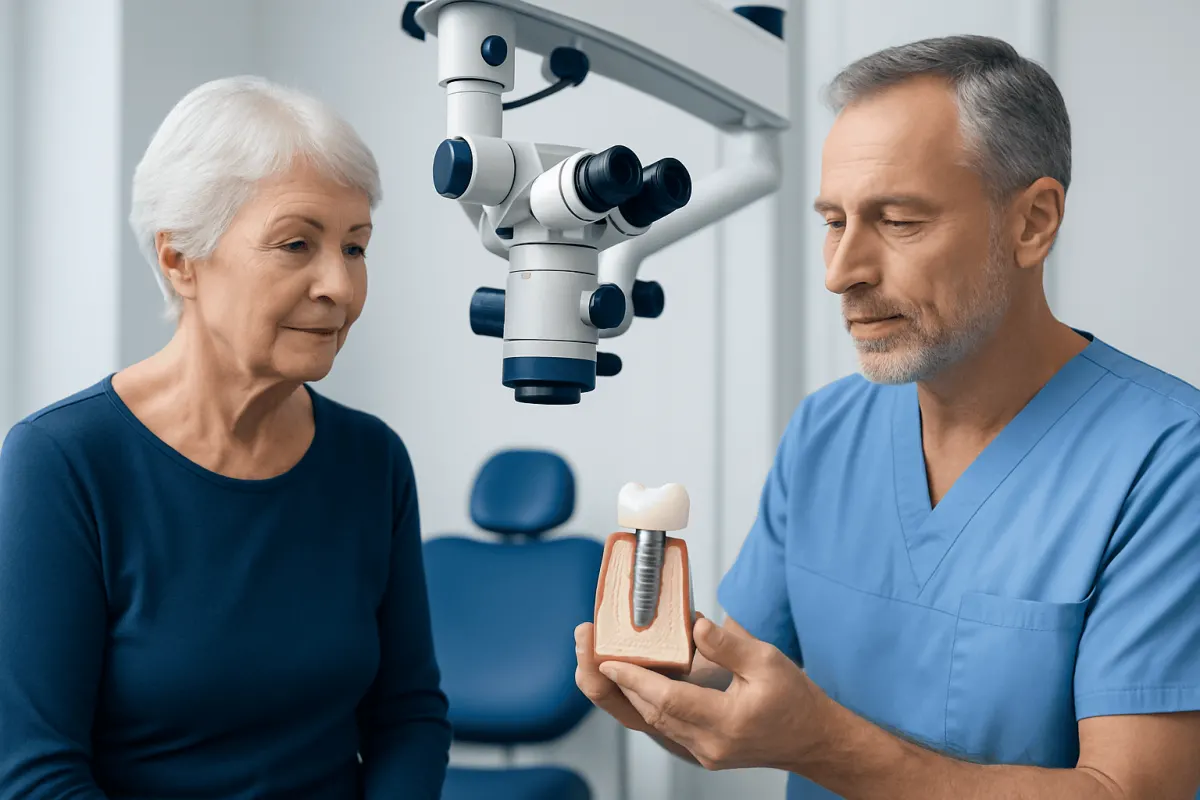
The best implant dentistry for retirees is care planned around the person’s overall health, bone and gum condition, goals, and ability to maintain implants—not age alone. A qualified implant team should explain alternatives, use appropriate imaging and treatment planning, coordinate with medical clinicians when needed, and provide reliable follow-up care.
Overview: choosing implant dentistry safely in retirement
The best implant dentistry for retirees is not defined by a person’s age, a single implant system, or a fast treatment promise. It is defined by a careful assessment of medical and dental health, a realistic treatment plan, experienced clinical care, and a commitment to long-term maintenance. For many retirees, implants can be a useful option for replacing one or more missing teeth or helping stabilize a removable denture.
A dental implant is a small, biocompatible post placed in the jawbone to act as an artificial tooth root. After it heals and integrates with bone, it can support a crown, bridge, or implant-retained denture. The final restoration should be designed to restore comfortable function while respecting the health of the gums, jawbone, nearby teeth, and bite.
Safe planning begins with the individual’s priorities. Some people want to replace a single tooth, while others need support for a loose lower denture or a fixed solution for several missing teeth. A clinician should discuss the expected benefits, limitations, alternatives such as bridges or removable dentures, treatment stages, and the care needed after treatment. Dental implant treatment may involve several professionals, including a restorative dentist, periodontist, oral and maxillofacial surgeon, prosthodontist, or dental hygienist.
How dental implants work and who may be a candidate
Dental implants work through a process called osseointegration, in which bone heals around the implant surface and helps anchor it in place. This healing process takes time. Once healing is adequate, the implant can be connected to an abutment and a custom-made replacement tooth or denture attachment.
Good candidacy depends on more than having a missing tooth. The dental team assesses the amount and quality of jawbone, the condition of the gums, the health of nearby teeth, bite forces, oral hygiene habits, and whether the person can attend follow-up appointments. Three-dimensional imaging may be used to map bone and avoid important structures such as nerves and sinuses.
Medical history is equally important for retirees. Conditions such as diabetes, osteoporosis, heart disease, immune disorders, and a history of radiation therapy to the head or neck do not automatically rule out implants, but they may affect timing, healing, or the level of coordination needed. Smoking and untreated gum disease can increase the chance of complications. The clinician should review all medicines, particularly medicines that affect bone metabolism, blood clotting, or immunity, and communicate with the patient’s doctor when appropriate.
- Potentially favorable factors include stable general health, healthy or treatable gums, adequate bone or suitability for grafting, and consistent oral hygiene.
- Planning may need modification for uncontrolled medical conditions, active oral infection, heavy smoking, severe teeth grinding, or limited ability to clean the implant area.
- Alternatives can be appropriate when surgery is not advisable or does not match the person’s goals.
The procedure: from consultation to the final tooth

The first visit usually includes a discussion of symptoms and goals, an examination of the mouth and bite, review of medical information, and dental X-rays or 3D imaging. The team may recommend treatment for gum inflammation, cavities, or infection before implant surgery. If a tooth must be removed, implant placement may occur at the same appointment in selected cases, or it may be delayed to allow healing.
During implant placement, the clinician numbs the area with local anesthesia; other sedation options may be considered based on medical suitability and anxiety level. The implant is placed into planned bone position beneath the gum. Depending on the site and stability, a temporary tooth may be used, but it should not be assumed that every patient can receive an immediate fixed tooth.
After surgery, the implant heals over weeks to months. Some people require bone grafting or a sinus-lift procedure before or during treatment when there is insufficient bone in the planned area. These procedures can add healing time but may make implant placement possible and more predictable in suitable patients.
Once the implant is stable, impressions or digital scans are used to create the crown, bridge, or denture. The final restoration is adjusted so it feels comfortable, is cleanable, and does not place excessive force on the implant. Follow-up visits allow the team to check healing, bite, gum health, and home-care technique.
Should a 70 year old get dental implants?
A 70-year-old may be a suitable candidate for dental implants if their oral and general health support treatment. There is no universal upper age limit for implant placement. Many older adults value implants because they may improve chewing comfort, speech, confidence with a denture, or the ability to replace missing teeth without preparing adjacent healthy teeth.
What matters most is the person’s health status and treatment goals. The implant team should assess whether chronic conditions are well managed, whether there is active gum disease or infection, whether bone is sufficient, and whether daily cleaning and scheduled reviews will be practical. Frailty, cognitive changes, reduced hand dexterity, or complex medical needs may influence the most suitable option, but they should be considered individually and respectfully.
For a retiree with several health conditions, a staged approach may be safer and easier to tolerate. In some cases, an implant-retained removable denture provides stability with fewer implants than a full fixed bridge. A clinician can compare these options in a way that supports informed decision-making.
What I wish I knew before dental implants?
Many patients say they wish they had known that dental implants are a treatment journey rather than a single appointment. The overall process may take months, particularly if tooth extraction, gum treatment, bone grafting, or a healing period is required. A temporary restoration may look and function differently from the final tooth.
It is also important to understand that implants can develop problems. Inflammation around an implant can affect the gums and supporting bone, especially when plaque accumulates or gum disease risk remains high. Implants do not decay like natural teeth, but the surrounding tissues still need careful daily cleaning and professional monitoring.
Before committing, patients should ask what restoration will be used, whether any additional procedures are likely, who will provide surgery and who will make the final teeth, and what happens if healing does not proceed as expected. They should also ask how often maintenance visits are advised and whether the planned design can be cleaned comfortably at home.
At what age are dental implants not recommended?
Dental implants are generally not recommended before jaw growth is complete, because the position of an implant does not change as the jaw develops. In adults and older adults, age itself is rarely the reason to avoid implants. Instead, clinicians consider whether surgery and healing are safe and whether the person is likely to benefit from the treatment.
Implants may be postponed or avoided when there is uncontrolled disease, active infection, severe untreated periodontal disease, insufficient bone that cannot reasonably be rebuilt, or a medical situation in which elective oral surgery carries unacceptable risk. Some medicines and medical treatments require special planning, which is why complete disclosure of health history is essential.
The decision should never be based on age alone. If implants are not appropriate, bridges, conventional dentures, or modified denture designs can still restore appearance and function. The best option is one that fits the person’s health, comfort, priorities, and capacity for long-term care.
How to pick a dentist for implants?
To choose safely, retirees should look for a clinician or team that performs a comprehensive assessment rather than offering a one-size-fits-all solution. Implant care may be provided by dentists with advanced implant training and by dental specialists, including periodontists, oral and maxillofacial surgeons, and prosthodontists. The important point is that the team has relevant education, experience, appropriate diagnostic tools, and a coordinated plan for surgery and restoration.
Patients may find it helpful to ask how the clinician evaluates bone and gum health, whether 3D imaging is used when indicated, how complex medical histories are managed, and who is responsible for each stage of care. They can also ask about options if bone grafting is needed, what type of temporary tooth is planned, and how the final restoration will be maintained.
A trustworthy consultation allows time for questions and includes discussion of benefits, risks, alternatives, expected treatment stages, and follow-up. Patients should be cautious about pressure to decide quickly or promises that implants are suitable for everyone. A second opinion can be reasonable when treatment is extensive or when recommendations are unclear.
- Confirm the clinician’s implant-specific training and experience with cases similar to the patient’s needs.
- Ask for a written treatment plan that explains the sequence of care and follow-up expectations.
- Ensure the team reviews medical conditions and medications and coordinates with other doctors when needed.
- Choose a practice that emphasizes hygiene instruction and ongoing implant maintenance.
Acıbadem Health Point’s multidisciplinary specialists and JCI-accredited hospitals diagnose and treat dental conditions for international patients, with individualized planning where implant treatment is appropriate.
Recovery, benefits, risks, and when to seek medical care
After implant placement, mild discomfort, swelling, bruising, or minor bleeding can occur and generally improve over the first several days. The dental team may advise a soft diet temporarily, gentle oral hygiene, and avoiding smoking. Healing timelines vary according to the surgical site, bone quality, whether grafting was needed, and a person’s overall health. The final tooth is often placed only after the implant has healed sufficiently.
Potential benefits include replacement of missing teeth, improved chewing, reduced movement of a denture, and support for facial and bite function. Potential risks include pain, infection, bleeding, delayed healing, injury to nearby structures, sinus-related concerns in the upper jaw, implant failure to integrate, or later inflammation around the implant. Careful planning and maintenance reduce risk but cannot remove it completely.
When to seek medical care: Contact the dental team promptly for worsening rather than improving pain or swelling, fever, persistent or heavy bleeding, pus or a bad taste, numbness that does not resolve as expected, a loose implant or restoration, or difficulty swallowing or breathing. Difficulty breathing, rapidly spreading swelling, or severe bleeding requires urgent emergency care.
Long-term success depends on regular dental reviews, professional cleaning as advised, and effective daily plaque removal around the implant and restoration. People with a history of gum disease, diabetes, smoking, or teeth grinding may need closer monitoring. Any new bleeding, tenderness, swelling, or change in bite should be checked early rather than waiting for the next routine visit.
Frequently asked questions
01How long do dental implants take for retirees?
The timeline varies with the condition of the gums and jawbone, the need for tooth removal or grafting, and the implant’s healing response. Many treatment plans take several months from consultation to the final restoration. A clinician can provide a more individualized estimate after examination and imaging.
02Can older adults have dental implants if they have diabetes?
Yes, some older adults with diabetes can receive implants, especially when blood glucose is well managed. Poorly controlled diabetes can slow healing and increase infection risk, so the dental team may coordinate with the patient’s medical doctor. Individual assessment is essential.
03Do dental implants hurt?
Implant surgery is usually performed with local anesthesia, so the area should be numb during the procedure. Soreness, swelling, and bruising may occur afterward, but these commonly improve over several days. The dental team can advise on safe pain relief and aftercare based on the person’s health and medicines.
04Are dentures or implants better for seniors?
Neither option is universally better. Implants can improve stability and chewing for appropriate candidates, while removable dentures may be less invasive and may suit people who prefer to avoid surgery. The best choice depends on oral health, medical considerations, bone support, budget planning, and personal priorities.
05Can dental implants fail years later?
Yes. An implant can develop inflammation of the surrounding gums and bone or be affected by excess biting forces, smoking, untreated gum disease, or inadequate cleaning. Regular checkups, professional maintenance, and daily cleaning help detect and manage concerns early.
06What should retirees bring to an implant consultation?
They should bring an up-to-date list of medicines, information about medical conditions and allergies, and details of their treating doctors where relevant. It is also useful to prepare questions about alternatives, procedure stages, recovery, maintenance, and who will provide each part of care. If desired, a family member or trusted support person can attend to help review the plan.
This article is for general information only and is not a substitute for professional medical advice. Please consult a qualified doctor about your individual situation.
Explore treatments in Turkey — costs, top hospitals & a free quote
JCI-accredited · board-certified surgeons · reply within 24h
Add us as a Preferred Source to see more of our trusted health content across Google Search, AI Overviews and Discover.