I Hear Electrical Buzzing in My Head: Possible Causes
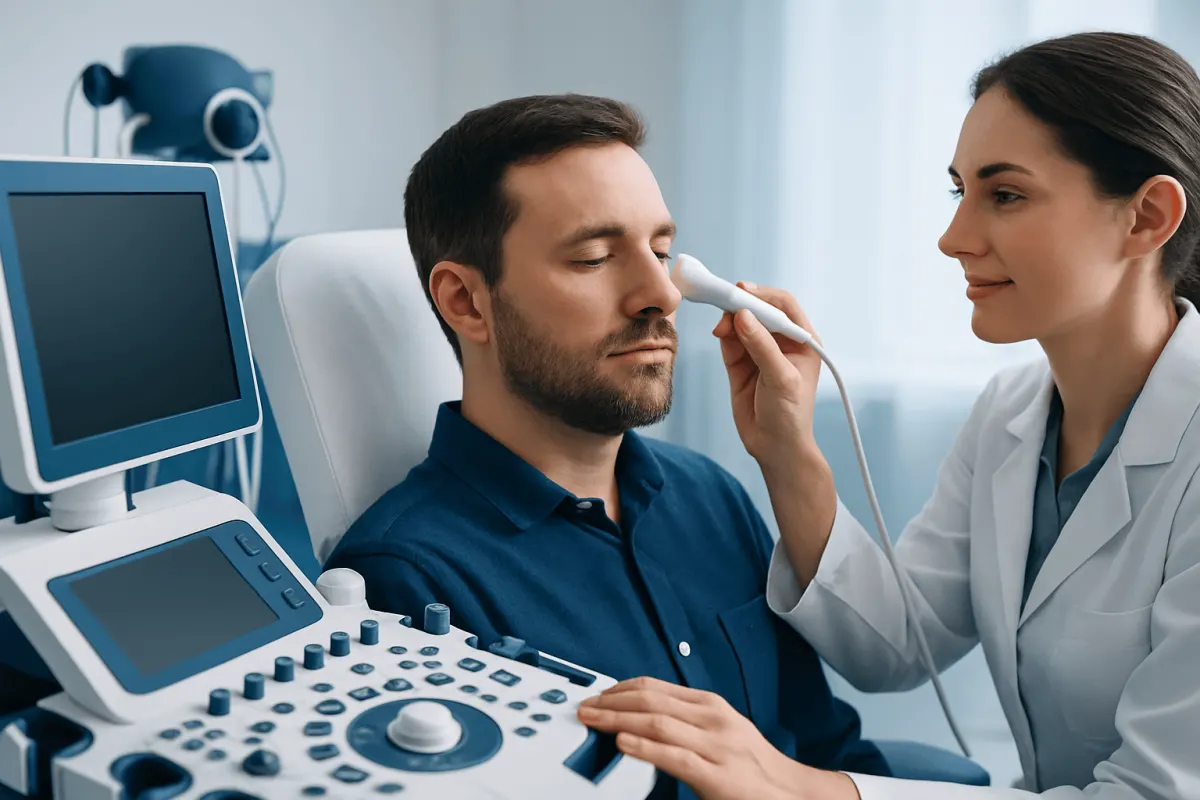
Hearing an electrical buzzing in the head is often related to tinnitus, a perception of sound without an outside source, but it can also be linked to ear conditions, sleep disruption, stress, medicines, or less commonly neurological or blood-vessel causes. A clinician can help distinguish the pattern and decide whether hearing, ear, or neurological assessment is needed.
What Does “Electrical Buzzing in My Head” Usually Mean?
When a person says, “I hear electrical buzzing in my head,” they are usually describing an internal sound rather than a sound produced by the environment. It may resemble buzzing, humming, static, vibration, an electrical current, or a high-pitched tone. This experience is often a type of tinnitus, which is the perception of sound when no external sound source is present.
Tinnitus is a symptom rather than a diagnosis. It may be heard in one ear, both ears, or seemingly in the middle of the head. It can be continuous or intermittent, quiet or intrusive, and may become more noticeable in a silent room or when a person is tired, stressed, or unwell.
Most cases are not a sign of an emergency. However, the sound’s pattern matters. Buzzing that begins suddenly, occurs in one ear only, keeps time with the heartbeat, or appears with hearing loss, dizziness, weakness, facial drooping, or a severe new headache should be assessed without delay.
How the Sound Pattern Can Offer Clues
Describing the sound carefully can help a clinician narrow down possible causes. A steady high-frequency buzz or hiss is often associated with tinnitus and changes in hearing. A low hum may be related to ear pressure, middle-ear muscle activity, or environmental sounds that become more noticeable in quiet settings.
A sound that pulses or whooshes in time with the heartbeat is called pulsatile tinnitus. Unlike the more common form of tinnitus, it can sometimes be related to blood flow near the ear or head. It should be discussed with a doctor, especially if it is new, one-sided, persistent, or accompanied by headache or visual changes.
It is also helpful to note when the buzzing occurs. Symptoms that follow loud noise exposure, a recent cold, poor sleep, anxiety, jaw clenching, or a medication change may point toward a manageable contributing factor. A symptom diary can record the onset, duration, triggers, ear symptoms, sleep quality, and any effect on daily life.
Possible Causes and Contributing Factors

Changes in the hearing system are among the most common reasons for internal buzzing. Age-related hearing changes, repeated exposure to loud sound, earwax buildup, ear infections, fluid behind the eardrum, and some inner-ear conditions can alter auditory signals and contribute to tinnitus. A hearing test is often useful even when a person does not notice obvious hearing difficulty.
Stress, anxiety, fatigue, and poor sleep do not necessarily cause tinnitus, but they can make the brain pay more attention to it and increase how disruptive it feels. Temporomandibular joint problems, jaw clenching, neck muscle tension, migraine, and recent head or neck injury may also contribute in some people.
Some medicines can be associated with ringing or buzzing in the ears, particularly at higher doses or in certain individuals. People should not stop prescribed medication on their own. Instead, they should ask the prescribing clinician or pharmacist whether a medicine, supplement, or recent change could be relevant and whether an alternative is appropriate.
Less commonly, a buzzing sound may be associated with neurological, circulation-related, or structural conditions. These possibilities are more important to consider when symptoms are one-sided, pulsatile, progressive, or linked with neurological signs. A clinician may consider conditions such as migraine when the symptom occurs alongside recurrent headache, light sensitivity, or sensory changes.
How Clinicians Assess Buzzing in the Head
Assessment usually begins with a detailed history. A doctor may ask whether the buzzing affects one or both sides, whether it is constant, whether it matches the pulse, and whether there has been noise exposure, infection, injury, stress, sleep difficulty, hearing change, dizziness, headache, or use of new medicines.
An examination may include looking in the ear canal for wax or inflammation, checking the eardrum, and assessing hearing, balance, jaw movement, neck tension, and the nervous system when appropriate. A formal hearing assessment performed by an audiologist can identify hearing loss or other auditory changes that may not be obvious in everyday conversation.
Imaging tests are not necessary for every person with tinnitus. A clinician may recommend MRI, CT, vascular imaging, or other investigations if the history or examination raises concern, such as one-sided tinnitus with hearing loss, pulsatile symptoms, focal neurological findings, or symptoms after significant trauma. Testing is selected to answer a specific clinical question, not simply because the sound is bothersome.
Treatment and Symptom Management
Treatment depends on the underlying cause. Removing impacted earwax, treating an ear infection, addressing a hearing problem, managing jaw dysfunction, or reviewing a possible medication effect may improve symptoms in some cases. When hearing loss is present, hearing aids can improve access to outside sound and may reduce the prominence of tinnitus for some people.
When no reversible cause is found, care focuses on reducing distress and improving sleep, concentration, and quality of life. Education, sound enrichment, counseling approaches, and cognitive behavioral therapy can help people change the attention and emotional response associated with tinnitus. These strategies do not suggest that the sound is imagined; they help the nervous system respond to it less intensely.
Low-level background sound, such as a fan, calm music, nature sounds, or a sound generator, can be useful in a quiet bedroom or workspace. Complete silence may make buzzing more noticeable for some people. A hearing specialist can discuss individualized sound strategies and whether hearing aids may be suitable when hearing loss is contributing.
There is no single medication proven to eliminate tinnitus for everyone. Supplements and unproven products may not be effective and can interact with medicines. It is safest to discuss any proposed treatment with a qualified clinician before starting it.
Practical Self-Care While Waiting for Assessment
People can take several low-risk steps while arranging medical advice. Protecting the ears from very loud sound is important, but routine use of earplugs in ordinary environments is usually unnecessary and may make internal sounds seem louder. At concerts, workplaces with loud equipment, or other noisy settings, appropriately fitted hearing protection can help prevent further noise-related damage.
Regular sleep, gentle physical activity, hydration, and stress-management techniques may reduce symptom awareness and improve coping. Relaxed breathing, mindfulness, stretching for neck and shoulder tension, and limiting late-day caffeine or alcohol may be useful for some people, although triggers vary from person to person.
A symptom diary can make a medical appointment more productive. It may include the date of onset, sound description, whether it is linked to the pulse, hearing changes, exposure to loud sound, recent illness, medicines, and any associated dizziness or headache. It is also sensible to avoid inserting cotton swabs or other objects into the ear canal.
When to Seek Medical Care
A non-urgent appointment with a primary care doctor, ear specialist, or audiologist is appropriate if buzzing lasts more than a few days, recurs, affects sleep or concentration, follows loud noise exposure, or is accompanied by ear fullness, pain, or gradual hearing difficulty. Early assessment can identify common causes such as wax, infection, or hearing loss and provide reassurance when serious causes are unlikely.
Urgent medical assessment is needed for sudden hearing loss, especially in one ear; new severe spinning dizziness; fainting; a severe or unusual headache; weakness, numbness, speech difficulty, facial asymmetry, confusion, or vision changes. These symptoms may need same-day evaluation.
A person should also seek prompt assessment for a new pulse-synchronous whooshing or buzzing sound, particularly if it is only on one side or occurs with headache or visual symptoms. Acıbadem Health Point’s multidisciplinary specialists and JCI-accredited hospitals can assess hearing, ear, neurological, and related concerns for international patients when specialist evaluation is needed.
Frequently asked questions
01Is electrical buzzing in the head the same as tinnitus?
It can be. Tinnitus is the perception of sound without an external source, and people may describe it as buzzing, humming, static, ringing, clicking, or hissing. A clinician can help determine whether the sound is tinnitus or relates to another ear, jaw, neurological, or circulation-related issue.
02Why is the buzzing louder at night?
Buzzing often seems louder in quiet places because there is less outside sound competing for attention. Fatigue, stress, and sleep-related worry can also make the brain focus more strongly on internal sounds. Soft background sound may be helpful at bedtime for some people.
03Can anxiety cause an electrical buzzing sound?
Stress and anxiety can increase awareness of tinnitus and make symptoms feel more intrusive, even if they are not the original cause. They can also worsen sleep and muscle tension, which may contribute to discomfort. Persistent symptoms still deserve a medical review, particularly when they are new or one-sided.
04Should a person be worried if the buzzing is in one ear?
One-sided buzzing is often not dangerous, but it should be assessed if it persists, especially when there is hearing loss, dizziness, ear pain, or a change in the sound. A hearing test and ear examination can help guide next steps. Sudden hearing loss requires urgent care.
05What does it mean if the buzzing matches the heartbeat?
A sound that matches the heartbeat is called pulsatile tinnitus. It can occur for a range of reasons, including changes in blood flow near the ear, and it should be discussed promptly with a doctor. The clinician may decide whether further examination or imaging is needed.
06Can earwax cause buzzing in the head?
Yes. Earwax blockage can reduce hearing and sometimes lead to ringing, buzzing, fullness, or discomfort in the ear. A healthcare professional can safely check for and remove impacted wax if necessary; objects should not be inserted into the ear canal at home.
This article is for general information only and is not a substitute for professional medical advice. Please consult a qualified doctor about your individual situation.
Explore treatments in Turkey — costs, top hospitals & a free quote
JCI-accredited · board-certified surgeons · reply within 24h
Add us as a Preferred Source to see more of our trusted health content across Google Search, AI Overviews and Discover.