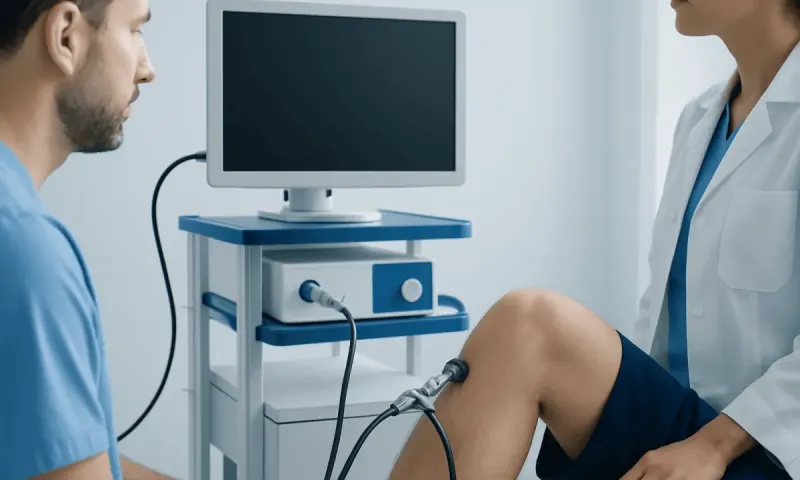
Neck Tension: Common Causes and Relief Strategies
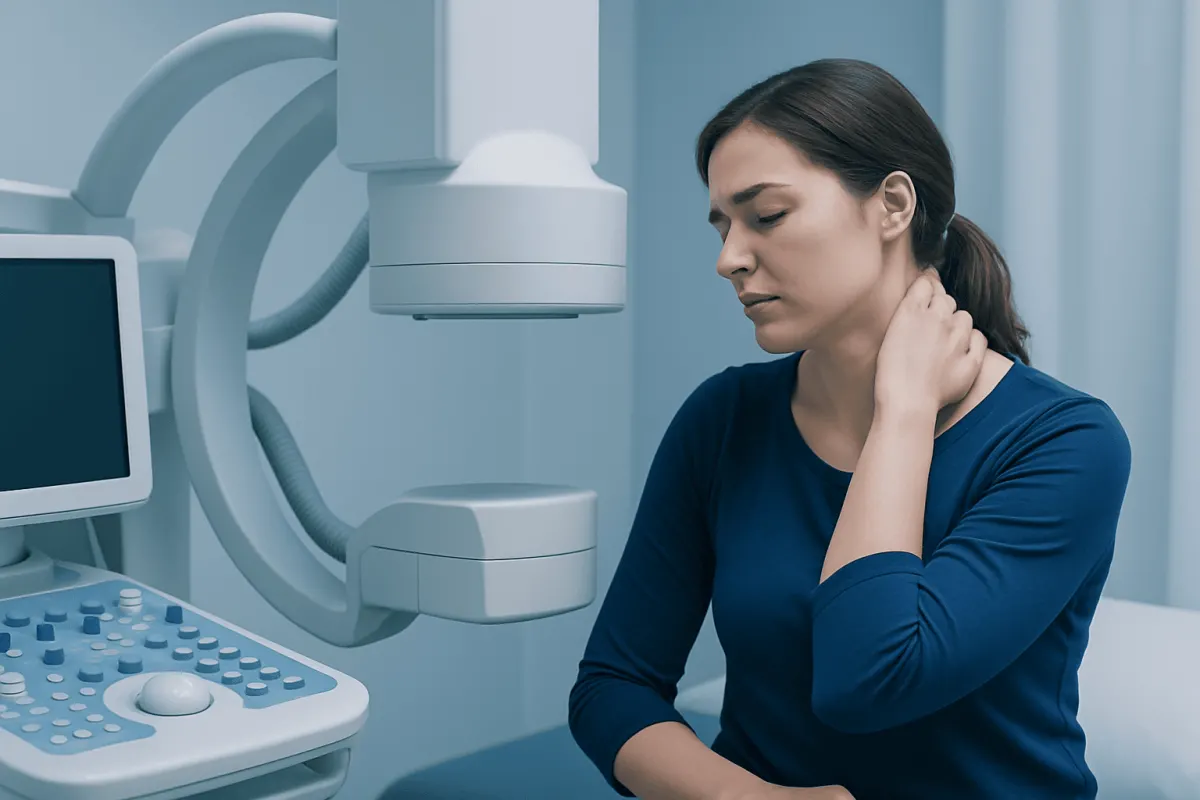
Neck tension describes a feeling of tightness, stiffness, aching, or reduced movement in the muscles around the neck and shoulders. It is commonly related to muscle strain, prolonged positions, stress, or repetitive activity, but persistent or severe symptoms should be assessed by a qualified clinician.
What Is Neck Tension?
Neck tension is a common symptom in which the muscles, tendons, and soft tissues around the neck feel tight, sore, stiff, or fatigued. It may be felt at the base of the skull, along either side of the neck, across the upper shoulders, or between the shoulder blades. Some people also notice reduced ability to turn or tilt the head comfortably.
In many cases, neck tension develops when muscles remain in one position for too long or work harder than usual. It can occur after looking down at a phone, working at a computer, driving, carrying a heavy bag, sleeping in an unsupported position, or experiencing emotional stress. The discomfort is often temporary, although it may recur if the contributing factors continue.
Neck tension is not a diagnosis by itself. It is a symptom that can be linked to muscle strain, poor ergonomics, headache disorders, joint irritation, or less commonly a nerve-related or systemic health issue. A careful assessment is useful when symptoms do not settle, interfere with daily life, or occur with warning signs.
How Neck Tension May Feel
Symptoms can vary from mild tightness to more noticeable pain and restriction. The neck may feel as though it needs to be stretched or massaged, and the muscles can be tender when touched. Symptoms may become more apparent at the end of a workday, after prolonged screen time, or during periods of poor sleep or increased stress.
Muscle tension can also refer discomfort into nearby areas. For example, tight upper shoulder muscles may produce aching around the shoulder blades, while tension near the base of the skull may be associated with a pressure-like headache. This does not necessarily mean there is a serious problem, but the pattern and accompanying symptoms matter.
- Aching, tightness, or a pulling sensation in the neck and shoulders
- Stiffness or difficulty turning the head fully
- Muscle tenderness, knots, or spasms
- Discomfort that worsens after sitting, driving, or using a device
- Tension-type headache or pain at the base of the head
- Temporary relief with movement, warmth, or changes in position
Symptoms such as tingling, numbness, arm weakness, loss of balance, or pain traveling below the shoulder may suggest nerve involvement rather than simple muscle tension. These symptoms should be discussed with a doctor.
Common Causes and Contributing Factors

Muscle overload is one of the most frequent reasons for neck tension. The neck supports the weight of the head throughout the day, and its muscles may become strained when the head is held forward, rotated, or bent for extended periods. Desk work, mobile device use, reading, crafting, and long-distance driving can all contribute when regular movement breaks are limited.
Stress can also play an important role. During stress, anxiety, or concentration, people may unconsciously raise their shoulders, clench their jaw, or tighten muscles around the neck. This can create a cycle in which discomfort disturbs sleep or activity, and fatigue then makes the muscles more sensitive.
Other contributing factors include sudden unaccustomed exercise, carrying loads on one shoulder, poor workstation setup, an unsuitable pillow, and reduced general physical activity. Some people develop tightness after a minor strain, while others have symptoms associated with a cervical spine condition or irritation of the neck joints.
Less commonly, neck symptoms may be related to inflammatory conditions, infection, injury, or a neurological problem. These causes are not assumed based on muscle tightness alone, but they are considered when the symptoms, examination findings, or medical history suggest them.
How Neck Tension Is Assessed
A healthcare professional usually begins by asking when the symptoms started, where they are felt, what makes them better or worse, and whether there was an injury or recent change in activity. Questions may also cover headaches, sleep, stress, work setup, exercise, previous neck problems, and symptoms in the arms or hands.
During a physical examination, the clinician may assess posture, neck movement, muscle tenderness, shoulder motion, strength, sensation, reflexes, and signs of nerve irritation. This helps distinguish uncomplicated muscular tension from conditions involving the cervical spine, shoulder, nerves, or other structures.
Imaging is not routinely needed for short-lived neck tension without concerning features. X-rays, magnetic resonance imaging, or other tests may be considered if symptoms continue despite appropriate care, follow an injury, are accompanied by neurological signs, or raise concern for another condition. The aim is to use tests when they are likely to inform treatment.
When headaches are a prominent feature, clinicians may also consider whether they fit a tension-type pattern or another headache disorder. Identifying the underlying pattern can guide a more targeted plan for relief and prevention.
Treatment and Relief Options
For uncomplicated neck tension, treatment commonly focuses on easing discomfort while restoring normal movement and reducing the factors that overload the muscles. Remaining gently active is generally more helpful than prolonged bed rest. Short periods of relative rest may be reasonable after a strain, but gradual return to usual movement supports recovery.
Warmth may relax tight muscles, while a cold pack can be useful soon after a minor strain or when an area feels inflamed. Either should be used with a protective layer between the skin and the heat or cold source. Gentle range-of-motion exercises, light stretching, and posture changes can also help when they do not increase pain.
A clinician or physiotherapist may recommend individualized exercises to improve neck and upper-back mobility, muscle endurance, and shoulder-blade control. Physical therapy and rehabilitation can be especially useful for recurring symptoms, persistent stiffness, or discomfort that affects work, sleep, or daily activities.
Over-the-counter pain medicines may be appropriate for some people, but they are not suitable for everyone and should be used according to product instructions and advice from a pharmacist or doctor. A clinician may recommend other treatments when muscle spasm, joint-related pain, a nerve condition, or another diagnosis is identified. Treatment should address the cause rather than relying only on temporary symptom relief.
Prevention and Everyday Self-Care
Small, regular changes are often more effective than trying to maintain one “perfect” posture all day. The goal is to avoid prolonged static positions and give the neck frequent opportunities to move. During screen-based work, it can help to position the monitor near eye level, keep frequently used items within easy reach, and support the forearms where possible.
Brief movement breaks can reduce muscle fatigue. Every so often, a person can gently roll the shoulders, stand up, walk briefly, and move the neck through a comfortable range without forcing it. Phone use may be easier on the neck when the device is raised closer to eye level rather than held low for long periods.
Sleep support also matters. A pillow should keep the neck in a comfortable, neutral position rather than sharply bent forward, backward, or sideways. The most suitable pillow varies with sleeping position and personal comfort. Regular physical activity, including exercises that strengthen the upper back and shoulders, may improve resilience over time.
Stress-management approaches such as paced breathing, relaxation exercises, regular sleep routines, and breaks from prolonged concentration can reduce unconscious muscle guarding. If jaw clenching or teeth grinding is suspected, a dentist or doctor may be able to advise on appropriate assessment and management.
When to Seek Medical Care
Medical care is appropriate if neck tension is severe, lasts longer than a few weeks, keeps returning, or does not improve with sensible self-care. An appointment is also recommended when pain disrupts sleep, limits work or daily activity, or follows a fall, collision, sports injury, or other trauma.
Urgent medical assessment is important for neck symptoms accompanied by weakness, numbness, tingling that is worsening, difficulty walking, problems with coordination, loss of bladder or bowel control, unexplained weight loss, fever, or a severe unusual headache. Immediate care is particularly important after significant injury or if neck pain occurs with chest pain, shortness of breath, fainting, or symptoms of stroke.
A clinician can help clarify whether symptoms are muscular or may relate to the spine, nerves, headache patterns, or another medical issue. Acıbadem Health Point’s multidisciplinary specialists and JCI-accredited hospitals diagnose and treat neck-related conditions for international patients, with care tailored to the individual assessment.
Frequently asked questions
01Is neck tension the same as neck pain?
Neck tension is a type of neck discomfort that often involves muscle tightness, stiffness, or fatigue. Neck pain is a broader term and may also result from joints, nerves, injury, inflammation, or other causes. Persistent or severe symptoms should be assessed by a clinician.
02Can stress cause neck tension?
Yes. Stress can lead people to tighten the neck, shoulder, and jaw muscles without noticing it. This muscle guarding may cause aching and stiffness, especially when combined with prolonged sitting, poor sleep, or limited movement.
03How long does neck tension usually last?
Mild muscle-related neck tension often improves over several days to a few weeks with gentle activity, ergonomic changes, and appropriate self-care. Recovery varies depending on the cause, activity demands, and overall health. Medical advice is sensible if symptoms persist, worsen, or repeatedly return.
04Should a person use heat or ice for a tight neck?
Heat may feel soothing for muscle tightness and stiffness, while cold can be helpful after a recent minor strain or when an area feels sore. Both should be applied briefly with a cloth barrier to protect the skin. If either treatment increases symptoms, it should be stopped.
05Can poor posture cause neck tension?
Prolonged positions, especially a forward-head posture while using screens or looking down, can overload neck and upper shoulder muscles. Posture is only one factor, and frequent movement is often more important than holding a rigid position. Adjusting the workstation and taking regular breaks can help.
06When is neck tension a sign of a serious problem?
Most neck tension is not serious, but urgent evaluation is needed if it occurs with weakness, progressive numbness, balance problems, fever, severe headache, chest symptoms, or after significant injury. A doctor should also assess ongoing pain that does not respond to basic measures or interferes with normal life.
This article is for general information only and is not a substitute for professional medical advice. Please consult a qualified doctor about your individual situation.
Joint and spine care in Turkey — expert assessment & treatment
JCI-accredited · board-certified surgeons · reply within 24h
Add us as a Preferred Source to see more of our trusted health content across Google Search, AI Overviews and Discover.