Humerus: Anatomy and Function

Key Takeaways
- The humerus is the main bone of the upper arm and plays a key role in shoulder and elbow movement.
- Pain, swelling, bruising, weakness, or limited arm motion can signal a humerus injury or fracture.
- X-rays are usually the first test, while CT or MRI may be used for more detailed assessment.
- Treatment ranges from rest and immobilization to surgery, depending on the fracture pattern and bone stability.
- Rehabilitation is important for restoring strength, range of motion, and day-to-day use of the arm.
The humerus is the long bone of the upper arm, linking the shoulder to the elbow and helping the arm move, lift, and rotate. When it is injured or fractured, prompt evaluation helps protect function and support recovery.
Overview
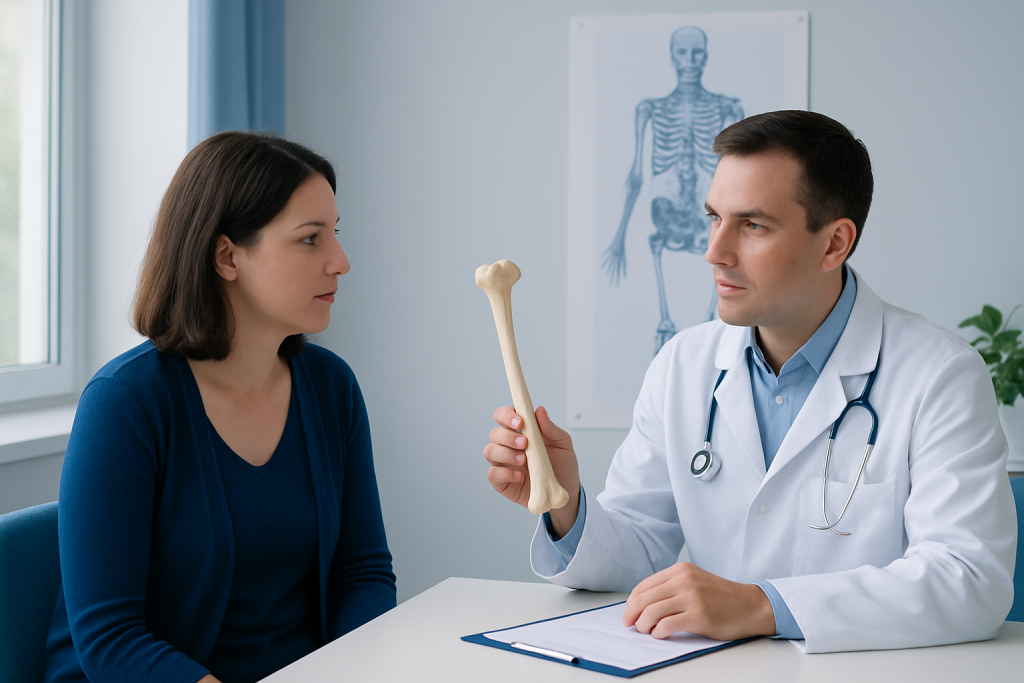
The humerus is the long bone that runs from the shoulder to the elbow. It forms the framework of the upper arm and works with muscles, tendons, nerves, and joints to make reaching, lifting, and carrying possible.
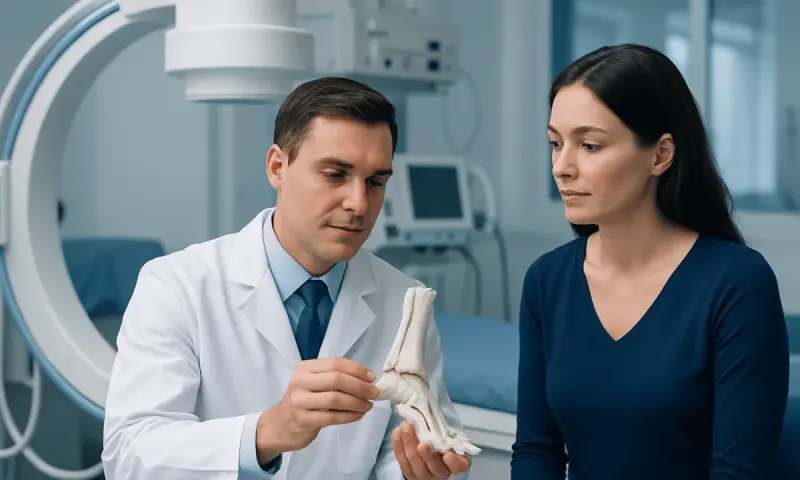
Because the bone has several important regions — the head near the shoulder, the shaft in the middle, and the lower end near the elbow — injuries can affect movement in different ways. A simple fall, a sports collision, or a high-energy accident may cause a crack, break, or dislocation around this bone.
For many people, a humerus injury is not only about the bone itself. It may also affect the rotator cuff, the shoulder joint, the elbow, or nearby nerves such as the radial nerve, which is why careful assessment matters.
Symptoms
Humerus injuries usually announce themselves quickly. Pain is often the first sign, and it may be sharp with movement or constant even at rest. Swelling and bruising may appear within hours, especially after a fall or direct impact.
Depending on where the bone is affected, the person may notice difficulty lifting the arm, turning the forearm, or straightening the elbow. Some fractures also create a visible change in arm shape, a feeling of instability, or a grinding sensation when the arm moves.
When nearby nerves are irritated or compressed, symptoms can include numbness, tingling, or weakness in the hand, wrist, or fingers. These symptoms do not always mean severe damage, but they deserve prompt medical evaluation.
- Pain in the upper arm, shoulder, or elbow
- Swelling, tenderness, or bruising
- Limited range of motion
- Weakness or difficulty using the arm
- Numbness or tingling in the hand or forearm
Causes & Risk Factors
Most humerus injuries happen because the arm is forced beyond what the bone and surrounding tissues can safely tolerate. Falls are common, especially when a person lands on an outstretched hand or directly on the shoulder. Traffic accidents, Orthopedist" class="ahp-ilk">sports injuries, and work-related trauma can also be involved.
Some fractures happen with relatively minor stress when the bone is already weaker than usual. Osteoporosis, advanced age, certain bone diseases, long-term steroid use, and previous fractures can raise the likelihood of breaking the humerus. In children and younger adults, the mechanism is often more forceful, such as a bicycle crash or contact sport injury.
Risk is also shaped by balance, vision, coordination, and environment. Wet floors, poor lighting, uneven ground, and loose rugs can all contribute to falls that lead to upper arm injuries.
Diagnosis
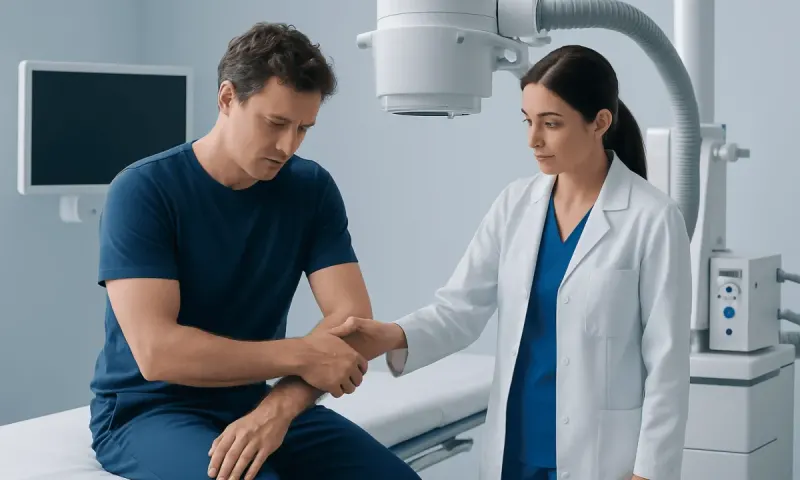
Diagnosis begins with a careful history and physical examination. The clinician usually asks how the injury happened, where the pain is strongest, whether there is numbness or weakness, and how much the arm can move. This helps determine whether the problem is likely a fracture, a dislocation, or a soft-tissue injury.
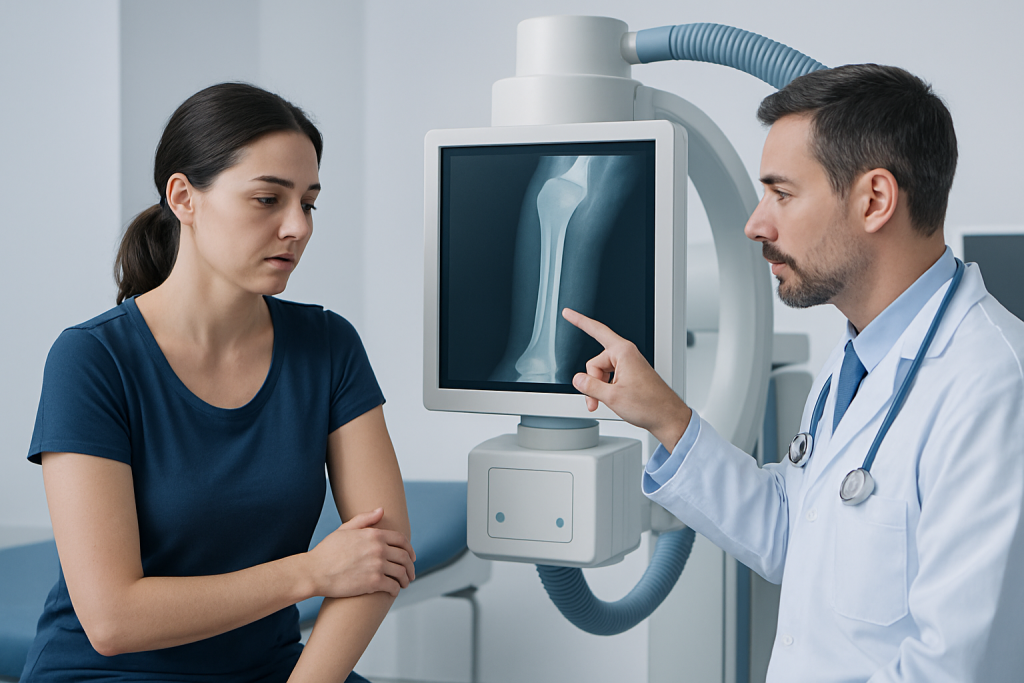
X-rays are typically the first imaging test because they show the position of the bone and whether the fracture is simple or displaced. In some cases, especially when the break extends into the shoulder or elbow, a CT scan provides more detail. MRI may be helpful if doctors suspect damage to ligaments, muscles, or the rotator cuff.
When nerve injury is a concern, the examination may include checks of wrist, hand, and finger movement as well as sensation in specific areas of the arm. This is an important part of planning treatment and follow-up.
Treatment Options
Treatment depends on the location of the fracture, how far the bone pieces have moved, the patient’s age, and whether nerves or blood vessels are involved. Some humerus fractures can heal well with a sling, brace, or splint and close follow-up. Others need surgery to align and stabilize the bone.
Nonsurgical care often includes immobilization, pain control, and repeat imaging to make sure the bone stays in a safe position while it heals. As pain decreases, gentle movement is usually introduced step by step to avoid stiffness in the shoulder or elbow.
Surgery may be recommended when the fracture is unstable, the bone is badly displaced, the joint surface is involved, or the injury has caused nerve or vascular concerns. Common surgical approaches use plates, screws, nails, or other fixation methods chosen for the specific fracture pattern.
Recovery does not end when the bone is united. Physical therapy is often a key part of treatment because the shoulder and elbow can become stiff after a period of rest. The goal is to rebuild motion, strength, and confidence in using the arm again.
Prevention & Self-care
Not every humerus injury can be prevented, but some risks can be lowered. For older adults, bone health deserves attention through appropriate exercise, nutrition, fall-prevention habits, and medical review of osteoporosis risk when needed. Safe footwear, clear walkways, and good lighting can also reduce falls.
For active people, protective gear, proper technique, and conditioning matter. Athletes and workers who use the arms repeatedly or perform lifting tasks should pay attention to fatigue and avoid pushing through pain that could worsen an injury.
During recovery, following the care plan is just as important as the treatment itself. Keeping follow-up appointments, protecting the arm as directed, and performing prescribed exercises at the right time can help limit stiffness and support healing.
- Use assistive devices if advised, especially when walking is unsteady
- Keep the home environment free of tripping hazards
- Support bone health with balanced nutrition and regular activity
- Do not return to sports or heavy lifting before clearance
When to See a Doctor
Medical assessment is important after any suspected humerus injury, especially when pain is significant or the arm looks deformed. A person should seek prompt care if they cannot move the arm normally, if swelling increases quickly, or if the injury followed a strong impact.
Urgent evaluation is also needed if there is numbness, weakness in the hand or wrist, a pale or cold hand, or open skin over the injured area. These signs may suggest nerve or blood vessel involvement and should not be watched at home without examination.
Even when symptoms seem mild, it is wise to have a clinician review the injury if pain does not improve within a day or two, if motion remains limited, or if daily activities become difficult. For international patients arranging care from abroad, Acibadem Health Point’s multidisciplinary specialists and JCI-accredited hospitals can help diagnose and treat humerus injuries with coordinated orthopedic support.
Recovery and Follow-Up
Healing time varies widely because different parts of the humerus behave differently and because each injury has its own stability. Early recovery often focuses on protecting the bone and keeping swelling under control, while later recovery shifts toward motion, strength, and coordination.
Follow-up visits are important because doctors may repeat imaging and reassess nerve function, healing progress, and the need to change the treatment plan. If surgery was performed, follow-up also helps monitor the incision, hardware, and rehabilitation progress.
People recovering from a humerus fracture may feel impatient as stiffness lingers after the bone starts to heal. That is common, and it is one reason rehabilitation is tailored carefully rather than rushed. A gradual, supervised return to activity usually gives the best chance of restoring useful arm function.
Living With a Humerus Injury
Daily life can feel awkward after an upper arm injury because simple tasks — dressing, eating, washing hair, or carrying a bag — suddenly require planning. Small adjustments, such as using the uninjured arm more often, wearing loose clothing, or arranging objects within easy reach, can reduce strain during recovery.
Emotionally, it is common to feel frustrated when the arm cannot be used normally. Clear expectations from the care team can help. Knowing which movements are safe, what discomfort is expected, and when progress should be noticeable makes recovery feel more manageable.
With the right diagnosis, treatment, and rehabilitation, many people regain strong, practical use of the arm. The key is to respect the healing process and stay in contact with the treating team if symptoms change or recovery stalls.
Frequently asked questions
01What exactly is the humerus bone?
The humerus is the long bone in the upper arm, running from the shoulder to the elbow. It helps the arm move, lift, rotate, and bear force during everyday activities.
02How can someone tell if the humerus is fractured?
Common signs include pain, swelling, bruising, weakness, and trouble moving the arm. A fracture may also cause visible deformity or numbness if a nearby nerve is affected.
03Is every humerus fracture treated with surgery?
No. Some fractures can heal well with a sling or brace, especially if the bone pieces remain in a safe position. Surgery is more likely when the fracture is displaced, unstable, or involves the joint.
04How long does recovery usually take?
Recovery time depends on the fracture type, the person’s overall health, and whether surgery is needed. Many patients need several weeks to months for bone healing and a longer period for strength and motion to return fully.
05Can a person move the arm after a humerus fracture?
Movement is often limited at first to protect healing. As the fracture stabilizes, a doctor or therapist may recommend guided exercises to prevent stiffness and rebuild function.
06What complications should be watched for?
Possible complications include stiffness, delayed healing, and nerve irritation, especially if the injury is more severe. New numbness, worsening pain, or a cold or pale hand should be checked promptly.
This article is for general information only and is not a substitute for professional medical advice. Please consult a qualified doctor about your individual situation.
Joint and spine care in Turkey — expert assessment & treatment
JCI-accredited · board-certified surgeons · reply within 24h
Add us as a Preferred Source to see more of our trusted health content across Google Search, AI Overviews and Discover.