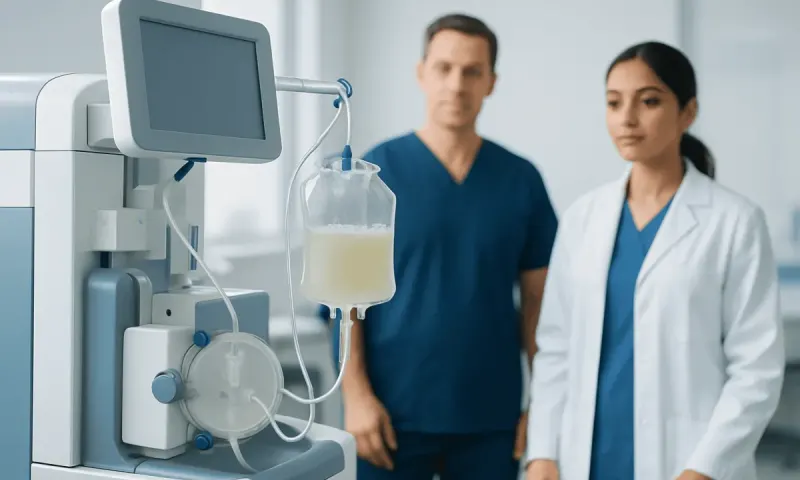
Human Stem Cell Serum: What Is Actually Used?
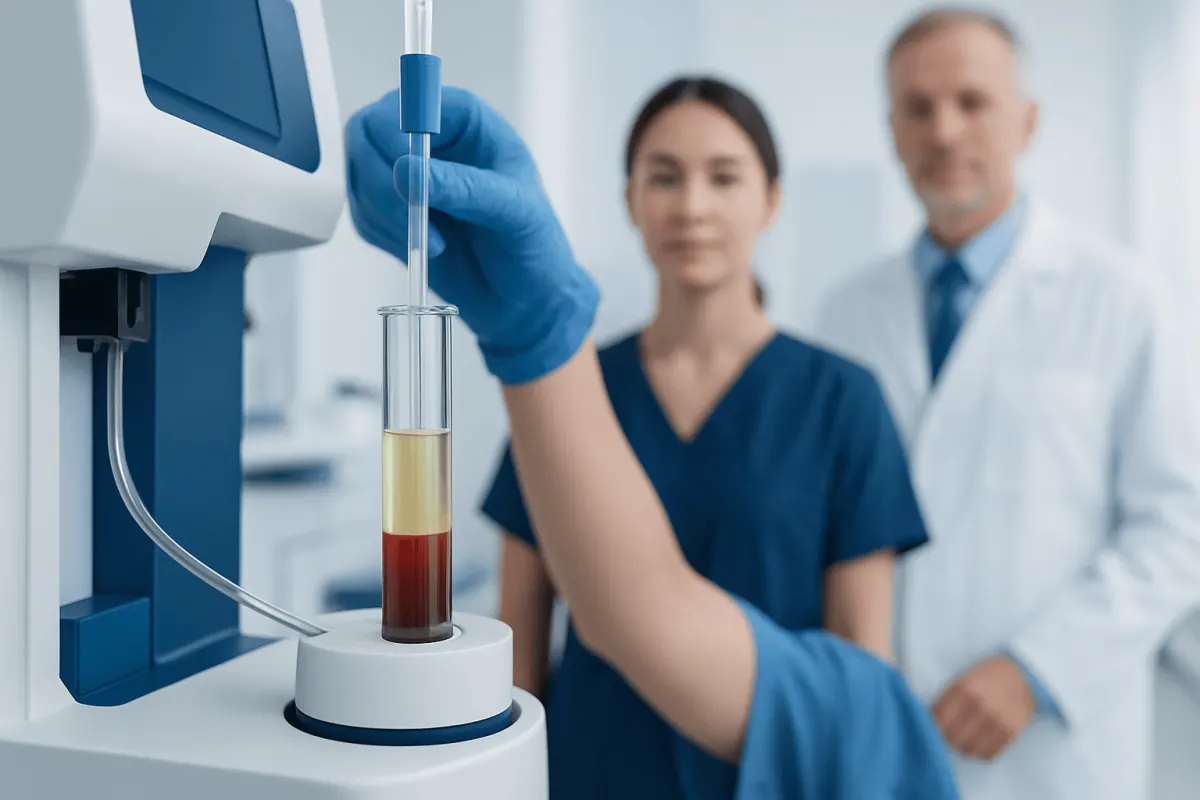
Human stem cell serum is not a standard medical term and may describe very different products, from topical cosmetic serums to cell-based treatments. Whether it is appropriate, effective or safe depends on the product, the health condition being treated and whether the therapy is approved and delivered through a regulated medical program.
Human Stem Cell Serum: What It Means
Human stem cell serum is a broad marketing or informal term rather than a precise medical diagnosis or standardized treatment. It may refer to a topical skincare product containing ingredients made from cultured cells, laboratory-grown cell extracts, growth factors or plant-derived ingredients. These products generally do not contain living human stem cells that can replace damaged tissue.
In clinical medicine, stem cell therapy has a more specific meaning. The best-established form is a hematopoietic stem cell transplant, also called a bone marrow or blood stem cell transplant. It replaces or restores blood-forming stem cells after intensive treatment or when bone marrow cannot produce healthy blood cells. This treatment may be used in carefully selected people with conditions such as leukemia, lymphoma, multiple myeloma and certain inherited blood or immune disorders.
Some clinics also use the term for injections intended to treat joint pain, tendon injury, neurologic disease or other concerns. Many of these applications are still being researched, and their effectiveness and long-term safety may not be established. A person considering a stem cell-related treatment should receive a clear explanation of the product, source, intended use, evidence and regulatory status before deciding.
How Stem Cell Treatment Works and Who May Be a Candidate
Blood stem cell transplantation works by introducing healthy blood-forming stem cells into the bloodstream. These cells travel to the bone marrow, where they may begin producing red blood cells, white blood cells and platelets. Cells may come from the patient’s own body (autologous transplant), a matched donor (allogeneic transplant), or, in some situations, stored umbilical cord blood.
Before an established transplant, the care team considers the underlying disease, prior treatments, age, general health, organ function, infection risk and availability of a suitable donor when needed. The decision is individualized because transplant can be intensive and requires close monitoring. It is commonly part of the treatment plan for leukemia and other serious hematologic conditions.
For injection-based regenerative treatments, candidacy is much less clear because protocols vary and evidence differs by condition. A responsible assessment should include a confirmed diagnosis and discussion of proven first-line options. A treatment should not be presented as a replacement for evidence-based care, especially for cancer, progressive neurologic conditions or severe inflammatory disease.
- Ask whether the product contains living cells, cell extracts or another substance.
- Ask whether the treatment is approved, established or part of a formally supervised clinical study.
- Discuss alternatives, expected benefits, possible harms and the likely recovery period.
Step by Step: What the Procedure May Involve

The procedure depends entirely on the type of stem cell-related intervention. For a topical serum, the process is usually similar to introducing any skincare product: a clinician or dermatologist may recommend it as part of a routine, often after checking for active irritation, eczema, allergy or infection. Patch testing may be helpful for people with sensitive skin.
For a blood stem cell transplant, preparation usually begins with detailed blood tests, heart and lung assessments, infection screening and consultations with a transplant team. Stem cells are collected from the patient or donor, or prepared from a stored source. Conditioning treatment with chemotherapy, sometimes with radiation therapy, may be given to treat disease and prepare the bone marrow for the new cells.
The stem cells are then infused through a vein, much like a blood transfusion. The infusion itself is generally not a surgical operation. However, the days and weeks afterward require careful support while blood counts are low and the transplanted cells begin to grow, a process called engraftment. Bone marrow transplantation is delivered in specialized centers with infection prevention, blood-product support and ongoing laboratory monitoring.
For outpatient injections marketed as stem cell therapy, procedures can vary widely in collection method, processing, injection technique and follow-up. This lack of consistency is one reason it is important to seek advice from an appropriately qualified specialist and avoid treatments that make broad or guaranteed claims.
Recovery Timeline, Benefits and Possible Risks
Recovery after a topical serum is usually immediate, although redness, dryness, itching or a rash can occur if the skin reacts to an ingredient. It should be stopped and reviewed by a clinician if irritation is significant, persistent or accompanied by swelling, blistering or breathing symptoms.
After a stem cell transplant, recovery is measured in weeks to months rather than days. The early period often involves fatigue, low blood counts, mouth soreness, nausea, appetite changes and a higher risk of infection or bleeding. Engraftment may occur over the following weeks, but immune recovery can take much longer, especially after an allogeneic transplant. The transplant team gives individual instructions on medicines, food safety, activity, visitors and follow-up testing.
A potential benefit of an established transplant is restoration of healthy blood formation or improved control of the underlying disease. Risks can include serious infections, bleeding, organ complications, infertility, recurrence of disease and, with donor cells, graft-versus-host disease. These risks are discussed in detail before treatment because they vary according to the transplant type and the person’s health.
Injection-based products may carry risks including pain, swelling, bleeding, infection, nerve or tissue injury, unwanted immune responses and uncertainty about effectiveness. Inappropriately prepared or unregulated products may create additional risks. Any claimed benefit should be evaluated against the quality of clinical evidence for the specific condition and product.
How Long Should You Rest After Stem Cell Therapy?
Rest needs vary greatly by treatment. After a topical product, no special rest is usually needed unless the skin is irritated. After a simple outpatient injection, the treating clinician may advise a short period of relative rest for the treated area, followed by gradual return to normal activity; the exact advice depends on the body area, diagnosis and injection technique.
After a blood stem cell transplant, people need a much longer period of recovery. Hospitalization may be required during the intensive early phase, and fatigue can continue after discharge. Light activity is often encouraged when medically safe because it can support strength and wellbeing, but strenuous exercise, crowded environments and activities with injury or infection risk may need to be avoided until the transplant team advises otherwise.
Recovery plans should always be individualized. A patient should follow the transplant or treating team’s instructions rather than using a general timeline from online sources, because blood counts, complications, medications and immune recovery determine when activities can safely resume.
Does Stem Cell Serum Really Work?
The answer depends on what “stem cell serum” refers to. For skincare, evidence may support some ingredients used in cosmetic formulations for hydration or skin appearance, but claims that a serum can regenerate skin through living human stem cells are generally not supported by the way most commercial topical products work. Cosmetic products should not be expected to treat serious skin disease, scarring or aging in the same way as medical procedures.
For hematopoietic stem cell transplantation, there is strong clinical evidence for specific diseases and carefully selected patients. It is a recognized medical treatment with defined indications, although it also has substantial risks and is not suitable for everyone. It is different from broadly marketed stem cell injections.
For many other stem cell applications, research is ongoing and results may be preliminary, mixed or limited to selected trial settings. A trustworthy clinician will explain what is known, what remains uncertain and which established treatments should be considered first. The absence of a guarantee is appropriate in medicine, particularly in complex conditions.
What Not to Do After Stem Cell Injections
After any injection, patients should not ignore the post-procedure plan provided by their clinician. They should avoid heavy or high-impact activity involving the treated area until advised that it is safe, particularly after injections into a joint, tendon or spine-related structure. They should also avoid self-starting medicines or supplements that could affect bleeding, inflammation or immune function without checking with the treating team.
People should not assume that temporary pain, swelling or fatigue means the treatment is working. Symptoms that are severe, worsening or unexpected need medical review. It is also important not to delay established treatment, rehabilitation or diagnostic follow-up while waiting for an unproven treatment to produce an effect.
After a blood stem cell transplant, precautions are more extensive. Patients should take prescribed medicines exactly as directed, follow hygiene and food-safety guidance, attend frequent blood tests and avoid exposure to people with contagious illnesses where possible. The transplant team will explain when vaccinations, travel, work, exercise and social activities can be resumed safely.
What Are the Worst Days After a Stem Cell Transplant?
For many people, the most challenging period is often after conditioning treatment and before engraftment, when white blood cell counts are very low. This phase may occur during the first few weeks after infusion, but timing varies. The body is temporarily less able to fight infection, and side effects from chemotherapy or radiation may be most noticeable then.
Possible difficulties include fever, fatigue, nausea, diarrhea, mouth sores, poor appetite, bleeding or bruising because of low platelets, and emotional strain. People receiving donor cells may also be monitored closely for early signs of graft-versus-host disease. Supportive care can include infection treatment, anti-nausea medication, pain relief, nutrition support and blood-product transfusions when appropriate.
Not every patient experiences the same symptoms or timeline. The transplant team should be contacted promptly about fever, chills, shortness of breath, chest pain, confusion, uncontrolled vomiting or diarrhea, bleeding, a new rash, severe pain or an inability to drink enough fluids. Acıbadem Health Point’s multidisciplinary specialists and JCI-accredited hospitals provide assessment and treatment for international patients requiring complex transplant care.
When to Seek Medical Care
Medical care should be sought urgently after an injection or transplant if there is fever, chills, difficulty breathing, chest pain, fainting, severe weakness, confusion, uncontrolled bleeding, rapidly increasing swelling or signs of a serious allergic reaction such as facial swelling or trouble breathing. These symptoms may require immediate assessment, particularly in people with low immunity.
A person should contact their care team promptly for persistent vomiting, diarrhea, dehydration, new or worsening rash, severe mouth sores, painful urination, a new cough, unusual bruising or any concern about a central line. After a transplant, a fever can be the first sign of infection and should never be managed without the transplant team’s guidance.
For cosmetic or non-transplant stem cell products, consultation with a dermatologist or qualified physician is appropriate if there is persistent skin irritation, worsening symptoms or uncertainty about product ingredients. Professional evaluation can also help distinguish evidence-based care from unsupported claims.
Frequently asked questions
01What is human stem cell serum?
Human stem cell serum is not a standardized medical term. It may describe a cosmetic skincare product containing cell-derived ingredients, or it may be used imprecisely to market regenerative treatments. Patients should ask for the exact ingredient list or cell product details before using it.
02How long should you rest after stem cell therapy?
Rest depends on the treatment. A topical serum usually requires no recovery time, while an outpatient injection may require short-term protection of the treated area. A blood stem cell transplant involves a much longer recovery period, often with close medical follow-up for weeks to months.
03Does stem cell serum really work?
Its effectiveness depends on the exact product and intended use. Some skincare ingredients may improve hydration or appearance, but topical serums should not be expected to replace damaged tissue or treat serious disease. Stem cell transplantation is effective for selected blood and immune conditions, while many other uses remain under investigation.
04What not to do after stem cell injections?
Patients should avoid strenuous or high-impact activity involving the treated area until their clinician says it is safe. They should not ignore severe or worsening symptoms, skip follow-up visits or postpone proven treatment while relying on an unproven injection. Medication and supplement changes should be discussed with the care team.
05What are the worst days after a stem cell transplant?
The period after conditioning therapy and before engraftment is often the most physically demanding because blood counts can be very low. Infection risk, fatigue, nausea, mouth sores and bleeding risk may be greatest during this time. The precise timing and severity differ from person to person.
06Are stem cell injections safe?
Safety depends on the condition being treated, the source and handling of cells, the injection method and the quality of medical oversight. Possible complications include infection, bleeding, pain, tissue injury and immune reactions. Patients should seek treatment only after a clear discussion with a qualified physician about expected benefits, alternatives and risks.
This article is for general information only and is not a substitute for professional medical advice. Please consult a qualified doctor about your individual situation.
Joint and spine care in Turkey — expert assessment & treatment
JCI-accredited · board-certified surgeons · reply within 24h
Add us as a Preferred Source to see more of our trusted health content across Google Search, AI Overviews and Discover.