Stem Cell Treatment Centers: What to Look For
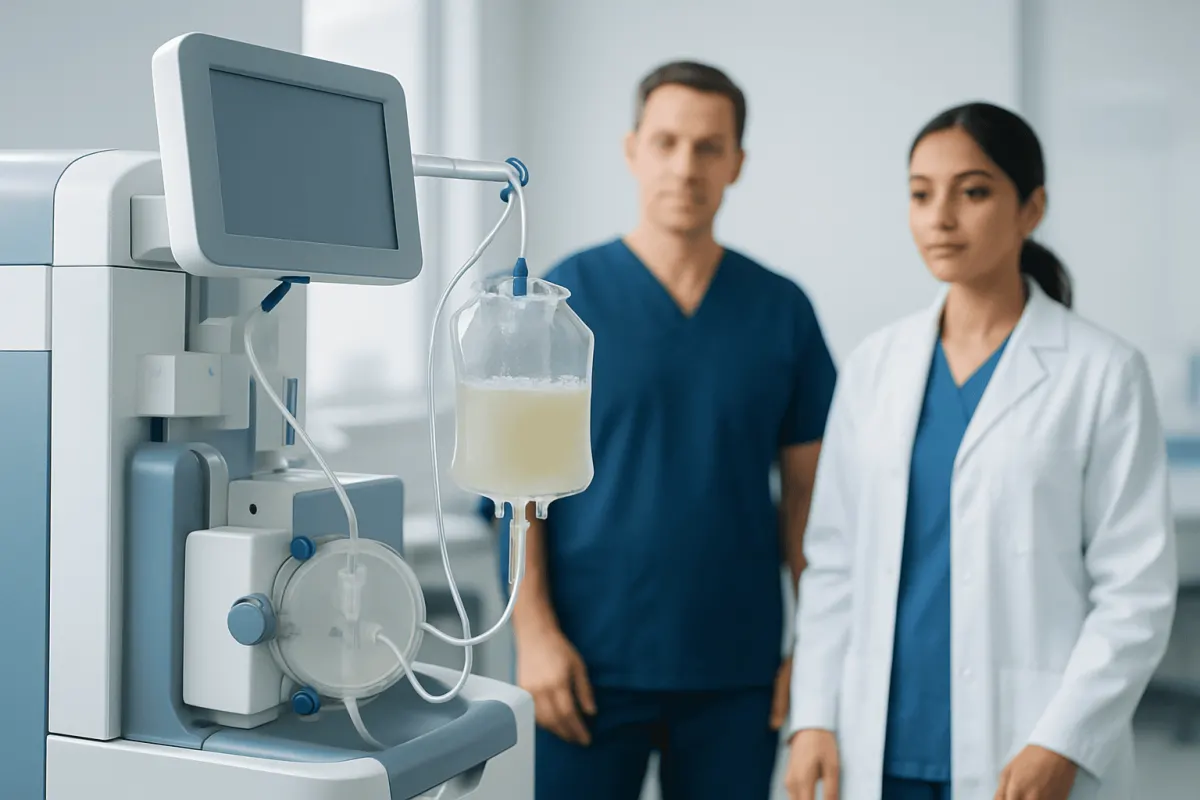
The best place for stem cell treatment depends on the condition being treated, the type of stem cell procedure, and whether the therapy is supported by strong clinical evidence. A safe choice is a regulated hospital or accredited transplant center that offers specialist assessment, clear consent, laboratory quality controls, and structured follow-up rather than promising broad cures.
Overview: choosing the best place for stem cell treatment
The best place for stem cell treatment is a regulated hospital or specialist center that uses stem cells for a clearly diagnosed condition, follows nationally recognized standards, and provides care before, during, and after the procedure. The right center should match the person’s medical need: a stem cell transplant for a blood disorder is very different from an experimental stem cell injection offered for joint pain or neurological symptoms.
Stem cells are cells that can develop into specialized cells and, in some settings, help restore blood and immune system function. Hematopoietic stem cell transplantation, often called a bone marrow or blood stem cell transplant, is established medical care for selected conditions. By contrast, many regenerative stem cell products promoted directly to consumers have not been proven safe or effective for the conditions advertised.
Rather than looking for a single “best place for stem cell therapy in the world,” people benefit from evaluating the evidence behind the proposed treatment and the center’s experience with their exact diagnosis. A responsible team will also discuss standard treatments, clinical trials when appropriate, and the possibility that stem cell therapy is not the best option.
How stem cell treatment works and when it is established
In established hematopoietic stem cell transplantation, healthy blood-forming stem cells are infused into the bloodstream after preparative treatment. These cells travel to the bone marrow, where they can begin producing new blood cells and rebuilding immune function. Cells may come from the patient (an autologous transplant) or from a compatible donor (an allogeneic transplant).
Transplantation may be considered for conditions such as leukemia, lymphoma, multiple myeloma, certain bone marrow failure syndromes, and some inherited blood or immune disorders. The purpose may be to allow intensive cancer treatment, replace diseased marrow, or establish a healthy donor-derived immune system. The treatment pathway should be led by a hematology and transplant team familiar with the underlying disease.
Other uses of stem cells are being studied in carefully designed research. For example, investigators are evaluating cell-based approaches for some orthopedic, neurological, cardiac, and autoimmune conditions. Research participation is not the same as receiving a proven treatment: a legitimate clinical trial has eligibility criteria, ethics oversight, a defined protocol, and transparent information about uncertainty.
How to identify a safe stem cell center

A safe center begins with a full medical evaluation rather than offering the same injection or infusion for many unrelated illnesses. It should identify the precise diagnosis, explain why stem cells may or may not help, and involve specialists relevant to the condition. For a transplant, this commonly includes hematologists, oncologists, infectious disease specialists, nurses, pharmacists, laboratory teams, dietitians, and rehabilitation professionals.
People can ask whether the treatment is approved or recommended by recognized medical authorities for their condition. They should also ask whether it is being offered as part of a registered, ethics-approved clinical trial. A trustworthy provider explains the source of the cells, how they are processed and tested, what quality standards apply, and who is responsible for monitoring the person after treatment.
- Look for hospital accreditation, licensed clinicians, and an established transplant or specialty program.
- Ask how often the team treats the same condition and performs the proposed procedure.
- Request a written explanation of expected benefits, realistic limitations, possible complications, alternatives, and follow-up.
- Be cautious about claims of guaranteed improvement, “cures” for many unrelated diseases, or pressure to decide quickly.
- Seek an independent second opinion, particularly before traveling internationally or pursuing an experimental procedure.
The best place for stem cell injections should meet the same standards. An injection being minimally invasive does not make it risk-free, and the biological product, sterility procedures, indication, and emergency planning all matter.
Candidacy and the stem cell procedure: step by step
Candidacy depends on the diagnosis, disease stage, prior treatments, overall health, organ function, infection status, and—when donor cells are needed—the availability of a suitable donor. The transplant team weighs potential benefit against risks such as treatment-related complications, relapse, or graft failure. Age alone does not determine eligibility, but it is considered alongside physical fitness and other health conditions.
For an autologous transplant, stem cells may be collected from the patient’s blood before high-dose treatment. For an allogeneic transplant, donor compatibility testing and donor cell collection are arranged. Before infusion, the patient receives conditioning treatment, which may include chemotherapy, radiation, or immune-suppressing medicines, depending on the disease and transplant type.
The stem cell infusion itself is usually given through a central venous catheter, similar to a blood transfusion. It is not surgery. The most intensive part is often the period afterward, when blood counts are low and close monitoring for infection, bleeding, medication effects, and other complications is essential.
For patients considering a recognized transplant pathway, stem cell transplantation should be discussed with a specialist team that can assess suitability and coordinate the full course of care. The plan should include not only the infusion but also donor work-up, supportive care, recovery, and long-term surveillance.
Benefits, risks, and recovery timeline
Potential benefits depend on the condition and treatment type. In appropriate candidates, a stem cell transplant can offer disease control, remission, or replacement of faulty blood-forming cells. However, it is a major medical treatment and cannot promise a particular result. The team should explain the expected goal in individual terms and how success will be assessed.
Early recovery may involve several weeks of close hospital-based or outpatient monitoring while the transplanted cells begin making new blood cells, a process known as engraftment. Fatigue, appetite changes, mouth soreness, nausea, infection risk, and low blood counts can occur during this period. Recovery of strength and immune function often takes months, and some people need longer follow-up.
Risks of transplantation can include serious infections, bleeding, organ complications, reactions to medicines, infertility, and disease recurrence. With donor transplants, graft-versus-host disease can occur when donor immune cells attack the recipient’s tissues. The likelihood and severity of risks vary substantially, which is why experience in prevention, early recognition, and management is central to choosing a center.
Unproven stem cell products may carry additional concerns, including contamination, immune reactions, abnormal tissue growth, infection, blood clots, or worsening symptoms. A person should not stop established treatment or delay necessary care in favor of an unverified cell-based intervention.
What is the best country to get stem cell therapy?
There is no single best country to get stem cell therapy because the safest destination depends on the person’s diagnosis and the specific procedure. For established stem cell transplantation, the most important factors are a regulated health system, an experienced accredited center, access to donor registries and specialized laboratories, and the ability to provide intensive follow-up after the procedure.
International patients should also consider how pre-treatment records will be reviewed, whether treatment plans are shared in writing, language support, infection-prevention standards, emergency services, and arrangements for care after returning home. Travel should not replace a local specialist’s assessment; ideally, the referring doctor and destination center communicate directly.
For experimental therapies, traveling abroad adds complexity. Regulations vary between countries, and permission to market a treatment does not necessarily mean that it has strong evidence for a specific condition. A reputable center will be transparent about whether a treatment is standard care, investigational care, or part of a clinical trial.
Where does Joe Rogan go for stem cells?
Public discussions about where Joe Rogan goes for stem cells should not be used to choose medical treatment. Celebrity accounts may not include the full diagnosis, cell source, procedure details, medical screening, complications, or evidence supporting the treatment. Information shared in interviews or social media is not a substitute for individualized medical advice.
Someone searching for the best place for stem cell therapy should focus on independently verifiable standards instead: the provider’s credentials, the treatment’s regulatory status, peer-reviewed evidence for the condition, laboratory practices, and follow-up plan. This approach is more reliable than selecting a clinic based on a public figure’s experience.
If a person is interested in a procedure mentioned by a celebrity, a qualified physician can help review whether the treatment is established, investigational, or unsupported for that person’s health concern. Bringing the clinic’s written proposal to the appointment can make this discussion more specific.
Where is the best place in the United States for stem cell therapy?
In the United States, the best place for stem cell therapy is not one named clinic for every condition. For an established transplant, patients should seek a major hospital-based hematology or cancer program with a dedicated transplant service, appropriate accreditation, and experience with the particular disease. The referring hematologist or oncologist can help identify suitable centers.
For orthopedic, neurologic, or other regenerative uses, patients should be especially careful. Many advertised stem cell injections are not approved treatments for common conditions, even if they are offered in medical offices. The U.S. Food and Drug Administration advises patients to understand whether a product is FDA-approved, being studied in a properly conducted clinical trial, or being marketed without adequate evidence.
Comparing centers should include medical suitability, not only convenience. Questions about the clinician’s specialty training, emergency protocols, independent ethics oversight, product testing, and long-term outcomes are appropriate. A consultation that includes a clear recommendation against an unsuitable procedure can be a sign of responsible care.
Where did Kim Kardashian get stem cells?
Reports about where Kim Kardashian received stem cell-related treatments are not a dependable guide to medical decision-making. Public reporting may use broad terms such as “stem cell treatment” without confirming the exact product, indication, evidence base, medical oversight, or individual health circumstances involved.
Cosmetic and wellness marketing can also blur the difference between topical products, procedures using growth factors, platelet-rich plasma, and true stem cell therapies. These approaches are not interchangeable. Anyone considering a procedure for appearance, pain, or general wellness should ask exactly what is being administered and what research supports its use.
A safer choice is to discuss goals with a qualified specialist and use treatments with an established safety profile for the relevant concern. Claims based primarily on celebrity use, testimonials, or before-and-after images should be viewed cautiously.
When to seek medical care
People should seek medical advice promptly if they have been diagnosed with a blood cancer, bone marrow disorder, severe immune disorder, or inherited blood condition and have been told that transplantation may be an option. A hematology or oncology consultation can clarify whether a transplant, another standard treatment, or a clinical trial is appropriate.
Urgent medical assessment is needed for symptoms that may suggest a serious infection or complication, including fever, chills, shortness of breath, chest pain, unusual bleeding, confusion, or rapidly worsening weakness—especially after chemotherapy, immune-suppressing treatment, or a transplant. Patients should follow the emergency instructions given by their treating team.
Acıbadem Health Point’s multidisciplinary specialists and JCI-accredited hospitals support international patients who need assessment and treatment planning for complex conditions, including appropriate stem cell transplant pathways. A specialist evaluation can help patients make decisions based on diagnosis, evidence, and safety rather than advertising claims.
Frequently asked questions
01What is the best place for stem cell treatment?
The best place is a regulated, hospital-based specialist center that has experience treating the person’s exact condition and provides comprehensive follow-up. It should clearly explain whether the proposed treatment is established care, part of a properly approved clinical trial, or not supported by sufficient evidence.
02Is stem cell therapy the same as a stem cell transplant?
No. A hematopoietic stem cell transplant is an established treatment that replaces or restores blood-forming cells for selected blood, immune, and cancer conditions. The term stem cell therapy can also describe experimental or unproven injections and infusions used for many other health concerns.
03How can a patient check whether a stem cell clinic is legitimate?
Patients can ask about the clinician’s credentials, hospital accreditation, regulatory status of the product, cell source, laboratory testing, infection-control processes, and formal follow-up plan. It is also sensible to obtain an independent opinion from a specialist who does not have a financial interest in providing the procedure.
04Are stem cell injections safe for arthritis or back pain?
Safety and effectiveness depend on the exact product and condition, but many stem cell injections marketed for arthritis or back pain do not have enough high-quality evidence to be considered standard treatment. A musculoskeletal specialist can discuss established options and whether an approved research study is available.
05How long does recovery take after a stem cell transplant?
The initial period of low blood counts and close monitoring commonly lasts several weeks, although timing varies. Energy, immune recovery, and return to usual activities can take months, particularly after a donor transplant, and regular follow-up remains important.
06Can a person travel abroad for stem cell treatment safely?
International treatment can be appropriate when it is provided by a regulated, experienced center for a well-defined indication. Before traveling, patients should confirm the treatment’s evidence base, obtain a written care plan, arrange follow-up at home, and discuss travel safety with their treating doctor.
This article is for general information only and is not a substitute for professional medical advice. Please consult a qualified doctor about your individual situation.
Joint and spine care in Turkey — expert assessment & treatment
JCI-accredited · board-certified surgeons · reply within 24h
Add us as a Preferred Source to see more of our trusted health content across Google Search, AI Overviews and Discover.