HPV Warts or Skin Tags: How They Differ
HPV warts and skin tags are both common skin growths, but they have different causes, appearances, and health implications. A clinician can usually distinguish them with a skin examination and advise whether treatment or testing is appropriate.
HPV Warts or Skin Tags: The Evidence-Based Difference
HPV warts and skin tags may both appear as small bumps on the skin, but they are not the same condition. Warts are caused by infection with certain types of human papillomavirus (HPV). Skin tags, also called acrochordons, are benign pieces of extra skin that commonly develop in areas of rubbing or friction and are not caused by a viral infection.
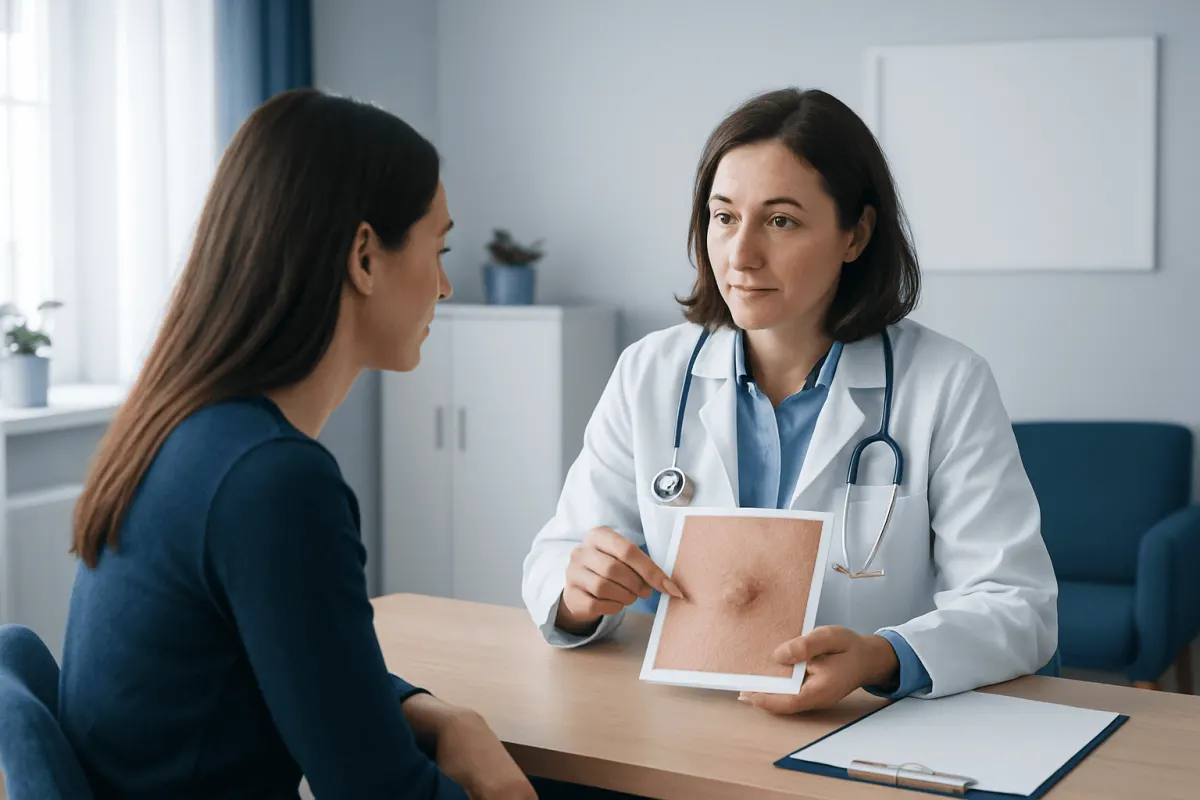
In practical terms, a skin tag is usually soft, smooth, and attached to the skin by a narrow stalk. A wart is more likely to be firm, rough, flat, raised, or uneven in texture. However, appearance alone is not always enough to make a reliable diagnosis. Genital skin changes in particular can have several possible causes, so an examination by a qualified clinician is the safest way to clarify what a growth is.
Having a wart does not mean a person has poor hygiene, and having skin tags does not mean they have HPV. Both are common. The important step is to avoid assumptions, particularly when a new growth is on the genitals, anus, mouth, eyelids, or another sensitive area.
How Warts and Skin Tags Tend to Look and Feel
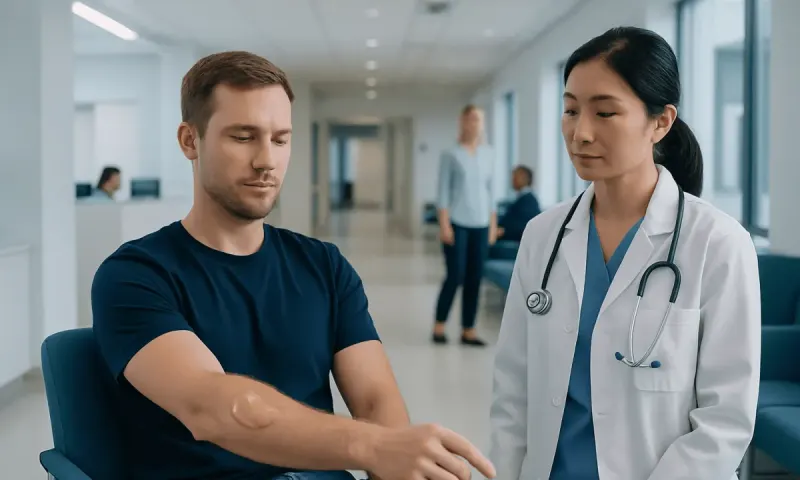
Skin tags are often flesh-colored, slightly darker than the surrounding skin, or occasionally pink or brown. They may be tiny or larger, and commonly occur on the neck, eyelids, underarms, upper chest, groin, or beneath the breasts. They tend to be soft and mobile when gently touched, although they can become sore, swollen, or dark if twisted or repeatedly irritated by clothing or jewelry.
Warts vary depending on their location and HPV type. Common warts often appear on the hands, fingers, knees, or other areas of broken skin. They may have a coarse, grainy surface and sometimes contain small dark dots, which are tiny clotted blood vessels. Plantar warts on the sole of the foot may feel hard and can be painful when standing or walking.
Genital warts may be small, smooth, raised bumps or grouped growths with an irregular, cauliflower-like surface. They can occur on the vulva, vagina, cervix, penis, scrotum, groin, anus, or surrounding skin. Some cause itching, discomfort, bleeding after friction, or emotional distress, while others cause no symptoms. Genital warts can be subtle, so any persistent or unexplained genital bump should be assessed rather than self-diagnosed.
- More suggestive of a skin tag: soft, smooth, hanging growth in a skin fold.
- More suggestive of a wart: rough, firm, flat or raised bump that may spread or appear in clusters.
- Needs professional review: a lesion that changes rapidly, bleeds without clear injury, is painful, ulcerated, pigmented, or located on the genitals.
Causes, Transmission, and Risk Factors
Warts develop when HPV enters the outer layer of skin or mucous membranes, often through tiny breaks that may not be noticed. Different HPV types favor different body sites. The HPV types usually responsible for common hand or foot warts are not the same as the types that most often cause genital warts. Genital HPV is typically spread through intimate skin-to-skin sexual contact, including contact without penetration.
HPV can sometimes be transmitted even when a person has no visible warts or other symptoms. Condoms reduce the likelihood of transmission, but they cannot fully protect areas of skin that are not covered. Most HPV infections are controlled by the immune system over time, and many people never know they were exposed. The types of HPV that commonly cause genital warts are generally considered low risk for cancer, but they are distinct from some HPV types associated with cancers.
Skin tags are not infectious and cannot be passed through sexual contact, everyday contact, towels, or shared surfaces. They are associated with skin friction and are more common with increasing age, during pregnancy, and in people with a family tendency to develop them. They may also occur more often in people with overweight or conditions linked with insulin resistance, but a skin tag alone does not diagnose diabetes or any other health condition.
Both warts and skin tags can become more noticeable with irritation. Shaving, scratching, squeezing, or repeatedly rubbing an uncertain growth can cause bleeding, inflammation, or spread of a viral wart to nearby skin.
Why a Correct Diagnosis Matters
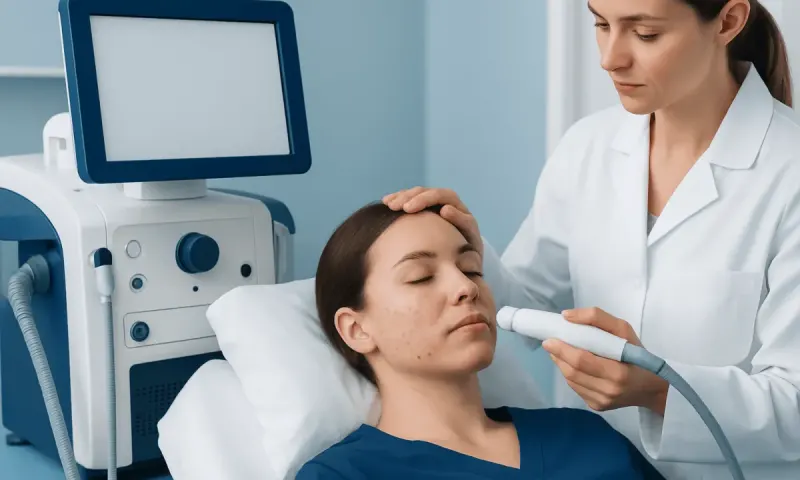
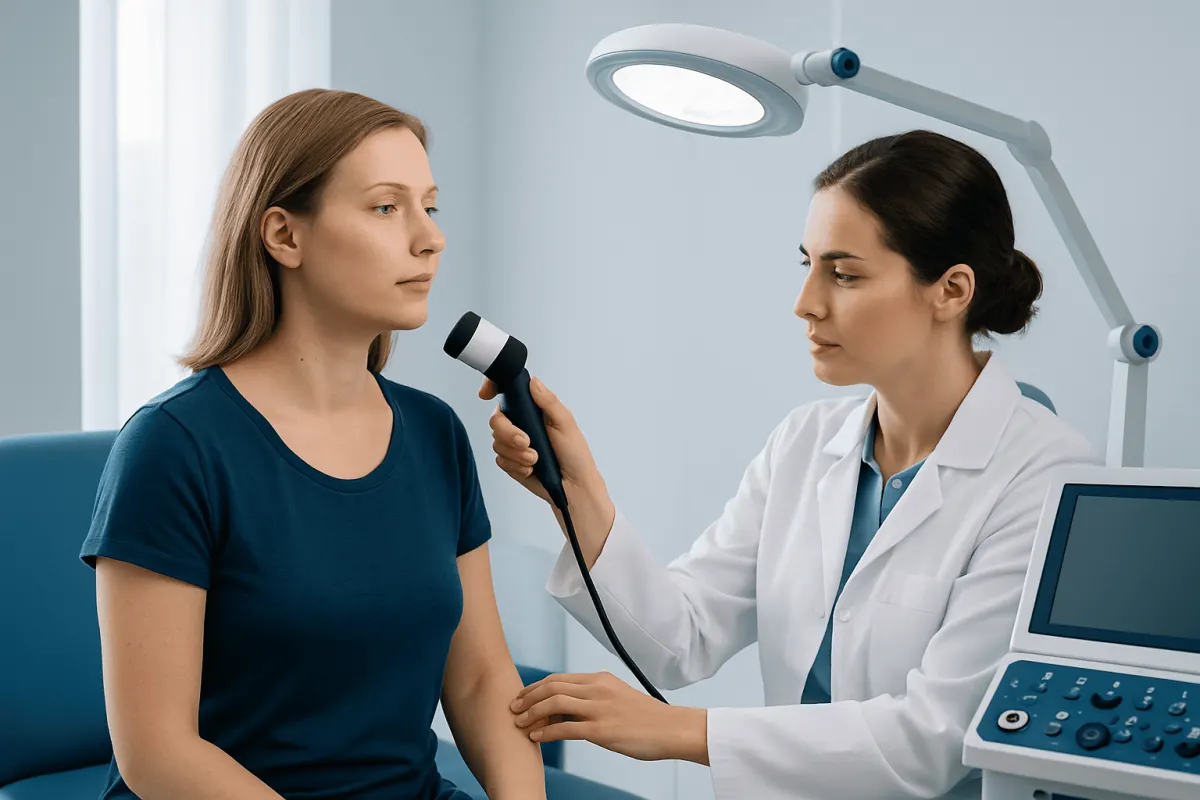
A clinician can often identify a skin tag or wart by looking closely at the area and asking about symptoms, timing, sexual history when relevant, and any changes in the lesion. Dermoscopy, a handheld magnifying device with light, may help examine skin details. Most straightforward skin tags and common warts do not require laboratory testing.
For suspected genital warts, diagnosis is usually based on visual examination. There is no routine HPV test used to diagnose visible genital warts, and HPV testing is not a general screening test for all men or for external genital skin lesions. Cervical screening and HPV testing, when recommended for an individual, are designed to identify changes related to cervical cancer risk rather than to confirm genital warts.
Sometimes a clinician may recommend a biopsy, meaning that a small sample is examined in a laboratory. This is more likely if a growth has an unusual appearance, does not respond as expected to treatment, is darkly pigmented, ulcerated, fixed, bleeding, or occurs in a person with a weakened immune system. A biopsy can help rule out conditions that may resemble warts or skin tags, including certain inflammatory conditions and, less commonly, skin cancer.
Accurate diagnosis also prevents inappropriate treatment. Acid-based wart removers available in pharmacies should not be used on genital skin, the face, or an undiagnosed lesion. These products can cause burns and may delay assessment of a condition that needs different care.
Treatment Options and What to Expect
Skin tags do not need treatment unless they are uncomfortable, catch on clothing, bleed after irritation, or are cosmetically bothersome. A dermatologist or other trained clinician may remove them with sterile snipping, freezing, or cautery, depending on their size and location. Removal is usually a brief procedure, but any procedure can carry small risks such as temporary soreness, bleeding, infection, scarring, or a change in skin color.
Common non-genital warts sometimes go away without treatment, although this can take months or longer. Treatments may include topical salicylic acid used as directed, freezing therapy, or other clinician-guided methods. The best option depends on the wart’s location, size, number, symptoms, a person’s age, and their medical history.
Genital warts can be treated with clinician-applied therapies or, in selected cases, prescription treatments used at home. Options may include freezing, carefully applied acids, electrosurgery, laser treatment, surgical removal, or prescription creams. Treatment removes visible warts but does not necessarily eliminate HPV immediately, so warts can recur. It is also possible for warts to disappear without treatment, but medical guidance is important because genital lesions should not be treated with standard over-the-counter wart products.
People should avoid picking or shaving over warts, as this can irritate the area and potentially spread infection. Sexual partners may benefit from open, nonjudgmental discussion and individualized medical advice. A clinician can explain whether examination, testing for other sexually transmitted infections, or follow-up is appropriate.
Prevention and Practical Self-Care
HPV vaccination is an effective preventive measure against HPV types that cause most genital warts and several HPV-related cancers. It is most effective when given before exposure to HPV, but people who are older or sexually active may still benefit depending on their age, vaccination history, and local recommendations. A healthcare professional can advise whether vaccination is suitable.
Barrier methods, including external or internal condoms, can lower the risk of genital HPV transmission and other sexually transmitted infections. They do not provide complete protection against HPV because the virus may affect surrounding uncovered skin. Limiting direct contact with visible genital warts until they have been assessed and treated can also help reduce transmission.
For non-genital warts, people should avoid sharing personal items that touch affected skin, such as razors, nail tools, socks, or towels. They should keep feet dry in communal changing areas and wear footwear in public showers or poolside spaces. Hands should be washed after touching a wart, and nails should not be bitten or picked if warts are present around the fingers.
Skin tags cannot always be prevented, but reducing repeated rubbing may help lessen irritation. Comfortable clothing, careful shaving, and avoiding necklaces or garments that repeatedly catch on a tag can be useful. Home removal kits, thread ligation, and cutting a growth with scissors are not recommended without a confirmed diagnosis and professional advice.
When to Seek Medical Care
A person should arrange medical assessment for a new growth on the genitals, anus, lips, mouth, eyelids, or other sensitive areas. It is especially important to seek care if the lesion is painful, itchy, bleeding, ulcerated, rapidly enlarging, changes color, develops an irregular shape, or does not heal. These features do not automatically indicate a serious problem, but they deserve a proper examination.
Medical advice is also appropriate when growths spread quickly, interfere with walking, shaving, sexual comfort, or daily activities, or cause significant worry. People who are pregnant, immunocompromised, or taking medicines that affect immune function should consult a clinician before trying wart treatments. Children with lesions near the face, eyes, or genitals should also be assessed by a healthcare professional.
For international patients, Acıbadem Health Point’s multidisciplinary specialists and JCI-accredited hospitals can assess and treat skin and genital lesions with appropriate dermatology, gynecology, urology, and sexual health support. The right care plan begins with identifying the lesion accurately rather than relying on photographs or online comparisons.
Frequently asked questions
01Can skin tags be caused by HPV?
No. Skin tags are not caused by HPV and are not contagious. They are benign skin growths that often develop in areas where skin rubs against skin, clothing, or jewelry.
02Are all genital bumps HPV warts?
No. Genital bumps can be caused by skin tags, blocked glands, normal anatomical variations, folliculitis, cysts, molluscum contagiosum, and other conditions. A clinician should assess any new or persistent genital lesion rather than assuming it is HPV.
03Can genital warts turn into cancer?
The HPV types that most often cause genital warts are usually different from the high-risk HPV types linked to cancer. However, a visible growth cannot be reliably identified through self-examination alone, so medical review is important if there is uncertainty or an unusual change.
04Can a person remove a skin tag at home?
It is safer to have a clinician confirm that a growth is truly a skin tag before removal. Cutting, tying, or burning an undiagnosed growth at home may cause bleeding, infection, scarring, or delayed diagnosis of another condition.
05Do genital warts go away on their own?
They may disappear without treatment in some people, as the immune system can control HPV over time. Still, genital warts should be evaluated because treatment may reduce symptoms and visible lesions, and a clinician can discuss sexual health and prevention.
06Does HPV vaccination treat existing warts?
HPV vaccination does not remove existing warts or cure an established HPV infection. It can still help protect against HPV types a person has not encountered, so eligibility should be discussed with a healthcare professional.
This article is for general information only and is not a substitute for professional medical advice. Please consult a qualified doctor about your individual situation.
Joint and spine care in Turkey — expert assessment & treatment
JCI-accredited · board-certified surgeons · reply within 24h
Add us as a Preferred Source to see more of our trusted health content across Google Search, AI Overviews and Discover.