Skin Blanching Is Usually Normal but Can Aid Diagnosis

Press a finger against your forearm and let go. For a moment the spot looks pale, then the color floods back. That pale moment is what doctors call skin blanching, and it happens because pressure pushes blood out of the tiny vessels just under the surface.
Most of the time it means nothing at all. But in the right context, it tells a clinician quite a lot — about a rash, about circulation, about inflammation, or about blood flow that has dropped off somewhere it shouldn’t have.
What skin blanch means
Skin blanch is the temporary whitening or paling of the skin when it is pressed. This happens because pressure pushes blood out of the tiny blood vessels near the surface. When the pressure is released, normal color usually returns as blood flows back into the area.
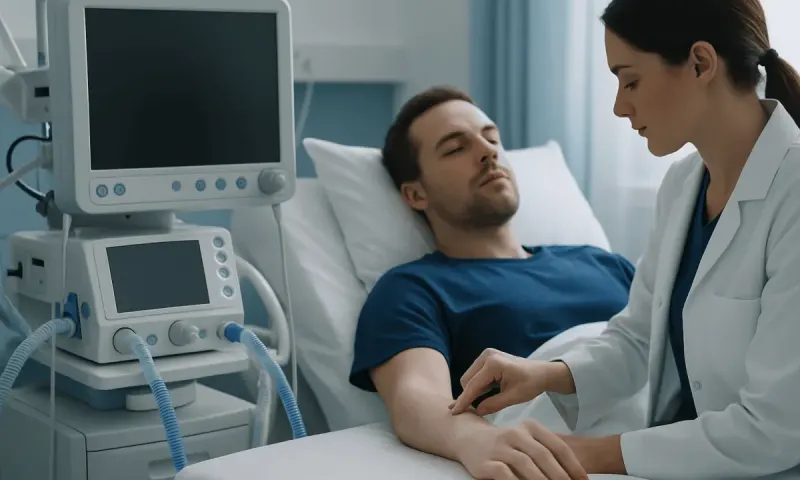
In many cases, this is a normal skin response. People may notice it when pressing a fingertip against the arm, leg, or chest, or when a healthcare professional checks circulation or examines a rash. The result matters less than the fact that clinicians interpret it in context: where the change occurs, how quickly color returns, and whether there are other symptoms.
Blanching is never a diagnosis by itself. It is a sign — one that may point toward healthy blood flow, temporary vessel changes, inflammation, allergic reactions, pressure effects, or, less often, reduced circulation. Keeping that in mind spares you a lot of needless worry, and helps you recognize the times when it is worth asking a doctor.
How blanching happens in the skin
The skin contains a network of very small blood vessels called capillaries. These vessels help regulate temperature, deliver oxygen and nutrients, and contribute to the skin’s color. When gentle pressure is applied, blood is momentarily displaced from these capillaries, making the area appear lighter.
After pressure is removed, color should usually return within a short time. This process is related to capillary refill, a simple bedside observation used to get a quick sense of peripheral blood flow. Temperature, age, lighting, and natural skin tone can affect how clearly blanching is seen, so the finding is never interpreted in isolation.
Blanching can also be influenced by inflammation and blood vessel behavior. For example, some rashes fade with pressure because the redness comes from widened blood vessels, while other spots do not fade because blood has leaked into the skin. That is one reason doctors may gently press a clear object or fingertip onto a rash during an examination.
When skin blanch is normal and when it may be a clue

Blanching is commonly normal in healthy skin. It may be more noticeable after pressure from clothing, leaning on an elbow, crossing the legs, or pressing the skin with a finger. As long as color returns promptly and there are no other concerning symptoms, this is usually not a sign of disease.
In medical assessment, however, blanching can provide useful information. A red area that blanches may suggest irritation, mild inflammation, heat-related redness, or an early superficial skin injury. In contrast, a lesion that does not blanch may suggest bleeding under the skin, vessel damage, or another process that needs closer evaluation.
Doctors also consider blanching in burns and pressure-related skin changes. For example, skin that is red but still blanches may behave differently from skin that has lost this response. In circulation problems, the issue may be less about whether the skin blanches and more about whether the skin is unusually pale, cool, painful, or slow to regain color after pressure.
Skin findings look alike far more often than people expect, so please don’t diagnose yourself on blanching alone. If something is new, sticking around, painful, spreading, or coming with symptoms elsewhere in your body, have your skin and circulation checked properly.
Common causes of blanching or blanching-related skin changes
Several everyday and medical conditions can be associated with skin blanch. Benign causes include pressure on the skin, temporary cold exposure, emotional stress, or exercise-related vessel changes. Sensitive skin may also show more visible blanching than thicker or more pigmented skin, even when circulation is normal.
Inflammatory skin conditions are another common reason. Some rashes, hives, insect bites, and mild contact reactions look red but fade when pressed because the redness comes from dilated vessels rather than blood trapped outside them. In those cases, symptoms such as itching, warmth, and irritation are often more informative than blanching itself. Some broader skin complaints may overlap with conditions such as eczema or psoriasis, although these require diagnosis based on the full pattern of skin findings.
Circulatory factors can also play a role. Cold-induced vessel spasm, dehydration, low blood pressure, or reduced blood flow to an extremity may change how quickly the skin regains color. People with diabetes, vascular disease, smoking history, or connective tissue disorders may be more likely to have circulation-related color changes in the hands, feet, or lower legs.
More serious causes are less common but important to recognize. Non-blanching purple or red spots, widespread rash with fever, or pale skin with severe pain or numbness may indicate a condition that needs urgent medical attention. A blanching test cannot replace a full medical evaluation when these warning signs are present.
How doctors examine skin blanch
Assessment starts with a history and physical examination. A clinician may ask when the color change began, whether it is painful or itchy, whether it appears only with pressure or cold, and whether there are symptoms such as swelling, shortness of breath, fever, numbness, or color changes in the fingers and toes.
The physical exam usually includes inspection under good lighting and gentle pressure with a fingertip or a transparent surface to see whether redness fades. Doctors may also check skin temperature, pulses, swelling, capillary refill, and whether color returns evenly. In darker skin tones, texture, warmth, tenderness, and the surrounding pattern can be especially important because blanching may be harder to see clearly.
If poor circulation is suspected, additional evaluation may be needed. Depending on the person’s symptoms, this can include blood pressure measurement, vascular assessment, blood tests, or imaging. If a rash appears unusual, persistent, or widespread, a dermatologist may evaluate it more closely; in some cases this may involve dermatology care or further skin testing.
When circulation to the limbs is a concern, clinicians may also consider a vascular workup. This is especially relevant if skin changes are accompanied by coldness, leg pain, ulcers, or slow wound healing, and may lead to assessment through vascular and cardiovascular surgery services when appropriate.
Treatment and self-care depend on the cause
There is no treatment for blanching as such — it is a sign, not a disease. If the response is simply a normal effect of pressure, no treatment is needed. Reassurance, avoiding prolonged pressure, and keeping the skin comfortable and protected are often enough.
When skin blanch is linked to irritation or inflammation, treatment focuses on the underlying problem. This may include avoiding triggers, using gentle skin care, managing dryness, or receiving treatment for hives, dermatitis, or another diagnosed skin condition. If there is uncertainty about the cause, a clinician may recommend tailored care rather than over-the-counter products chosen by trial and error.
If circulation problems are contributing, management may involve warming the affected area gradually, improving hydration, addressing smoking, and treating medical issues such as blood pressure abnormalities, diabetes, or vascular disease. Sudden or severe changes in circulation need professional evaluation rather than home treatment.
If your symptoms are complicated, or the same unexplained skin changes keep coming back, specialist care can help. Doctors sometimes work across dermatology and check-up services together to look for skin, allergic, inflammatory, or circulation-related causes. When it is needed, Acıbadem Health Point’s multidisciplinary specialists in JCI-accredited hospitals also evaluate and treat international patients with skin and vascular concerns.
Practical prevention and skin monitoring
Many episodes of visible blanching are harmless, but good daily habits can support healthy skin and circulation. Gentle cleansing, regular moisturizing, and avoiding harsh products help reduce irritation. Clothing and footwear that do not create prolonged pressure may also limit temporary blanching marks on the skin.
For people who are prone to cold-related color changes, keeping the hands and feet warm can help. Hydration, regular movement, and not smoking support blood flow more broadly. Those with diabetes or circulation problems should check their feet and lower legs regularly for changes in color, sensation, or wound healing.
Patterns are worth writing down. Questions such as whether the change happens only in cold weather, after standing, after pressure, or together with itching or pain can make a medical visit more productive. Photographs taken in consistent lighting may help document a recurrent rash or color change, especially if it resolves before an appointment.
- Protect skin from unnecessary pressure and friction.
- Use fragrance-free moisturizers if the skin is dry or easily irritated.
- Keep extremities warm in cold environments.
- Seek medical advice for persistent or unexplained skin color changes.
When to seek medical care
A short-lived blanching response after pressing healthy skin is usually normal. Medical advice is more important when the skin change is new, recurring without a clear reason, or associated with other symptoms such as pain, swelling, fever, dizziness, weakness, shortness of breath, or a feeling that the skin is cold and numb.
Prompt assessment is especially important for non-blanching red or purple spots, a rapidly spreading rash, skin discoloration after an injury, or an area that remains pale and painful. Delayed color return, poor wound healing, or persistent changes in the toes or fingers may suggest a circulation issue that should not be ignored.
People with chronic illnesses such as diabetes, vascular disease, autoimmune conditions, or a history of severe allergies should be particularly attentive to unusual skin findings. If a person is unsure whether a rash or color change is harmless, a qualified doctor can assess it safely and decide whether specialist review is needed.
Frequently asked questions
01Is skin blanch always a sign of poor circulation?
No. Skin blanch often happens normally when pressure briefly pushes blood out of small vessels near the skin surface. Poor circulation is considered only when blanching is accompanied by symptoms such as cold skin, pain, numbness, delayed color return, or slow healing.
02What is the difference between a blanching and non-blanching rash?
A blanching rash fades or turns pale when pressed because the redness is mainly due to blood in widened vessels. A non-blanching rash does not fade with pressure, which can suggest bleeding under the skin or another process that needs medical evaluation.
03How quickly should normal skin color return after pressing the skin?
In healthy skin, color usually returns quickly after pressure is released. Exact timing can vary with temperature, age, natural skin tone, and the body area being checked. If color return seems clearly delayed or uneven, especially with other symptoms, a clinician should assess it.
04Can cold weather make skin blanch more noticeable?
Yes. Cold causes blood vessels near the skin surface to narrow, which can make the skin appear paler and make blanching easier to notice. If cold exposure leads to pain, marked color changes, numbness, or repeated episodes in the fingers or toes, medical advice is sensible.
05Should a person test skin blanch at home?
A person may notice blanching naturally, but home testing has limits. Lighting, pressure, and skin tone can affect what is seen, and the result cannot diagnose a condition by itself. Persistent, unexplained, or concerning changes are best evaluated by a healthcare professional.
06When is skin blanch an urgent problem?
Urgent evaluation is important if skin changes come with severe pain, numbness, blue or very pale fingers or toes, trouble breathing, fever with a rash, or red or purple spots that do not blanch. These signs may point to problems that need prompt medical care rather than observation at home.
This article is for general information only and is not a substitute for professional medical advice. Please consult a qualified doctor about your individual situation.
Explore treatments in Turkey — costs, top hospitals & a free quote
JCI-accredited · board-certified surgeons · reply within 24h
Add us as a Preferred Source to see more of our trusted health content across Google Search, AI Overviews and Discover.