How to Get Rid of Skin Tags at Home?

Key Takeaways
- Skin tags are common, soft growths that often appear in skin folds such as the neck, armpits, or eyelids.
- The safest answer to how to get rid of skin tags at home is usually: do not try to cut, tie, burn, or freeze them yourself.
- A doctor can confirm that a bump is truly a skin tag before removing it, which matters because some look-alike lesions need different care.
- Medical removal is quick and may involve snipping, freezing, cautery, or minor procedures done in a clinic.
- Seek medical advice if a growth bleeds, changes color, grows quickly, hurts, or appears in an unusual area.
Skin tags are usually harmless, but many people want them removed for comfort or appearance. Home removal is not generally recommended because it can lead to bleeding, infection, scarring, or confusion with other skin growths.
Overview
Skin tags are small, soft, harmless-looking growths that hang from the skin by a thin stalk. They often appear where skin rubs against skin or clothing, such as the neck, underarms, eyelids, groin, or under the breasts. For many people, the question is not whether a skin tag is dangerous, but how to remove it without making the problem worse.
The short answer to how to get rid of skin tags at home is that it is usually not a good idea to remove them yourself. Even when a skin tag looks simple, home methods can cause bleeding, pain, infection, or a visible scar. Just as importantly, a growth that seems like a skin tag may sometimes be something else, so a proper diagnosis matters before any removal plan is chosen.
For people living abroad or planning care during a short trip, it can help to think of skin tag removal as a small medical procedure rather than a do-it-yourself task. A clinician can confirm the diagnosis, explain the safest options, and, if needed, remove the lesion in a controlled setting with clear aftercare instructions.
What skin tags are and why they appear
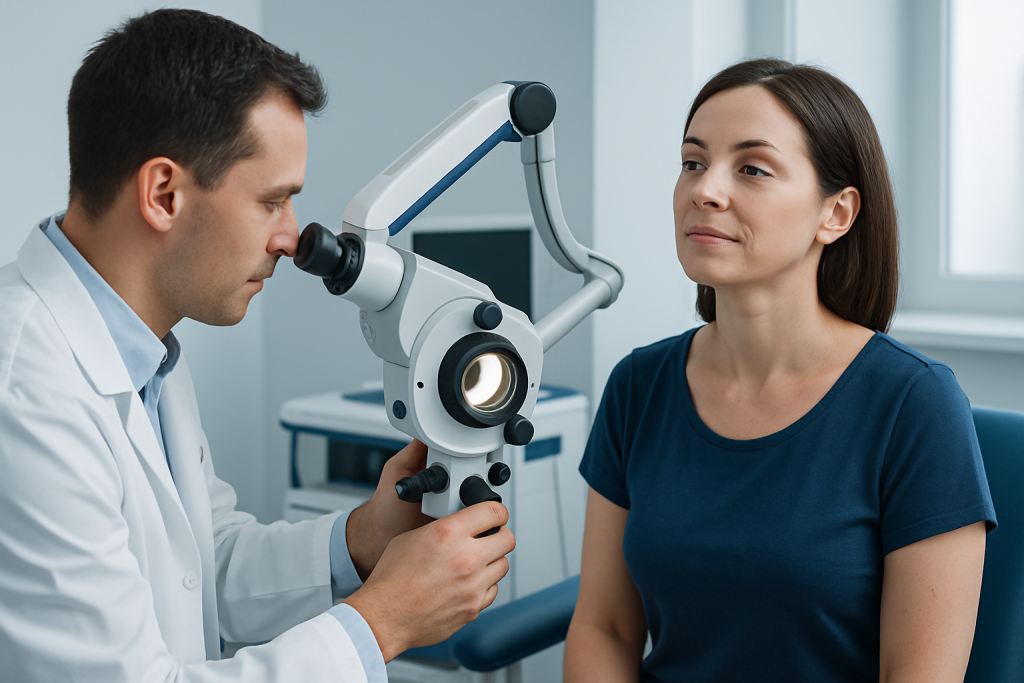
Skin tags, also called acrochordons, are benign growths made of skin and connective tissue. They are usually flesh-colored or slightly darker, and they can be tiny or several millimeters wide. Some stay flat against the skin, while others dangle on a narrow stalk.
They are common in adults and tend to appear in places where friction occurs. Being overweight, having diabetes, being pregnant, or having a family history of skin tags may make them more likely. That said, anyone can develop them, and they are not usually a sign of poor hygiene.
Because skin tags are benign, they do not need treatment unless they are irritated, catch on jewelry or clothing, or are cosmetically bothersome. Still, any growth that is painful, rapidly changing, bleeding without clear cause, or irregular in shape should be assessed by a doctor before anyone tries to remove it.
Symptoms and when a bump may not be a skin tag

Typical skin tags are soft, movable, and painless. They may become sore if they are twisted, rubbed, or accidentally pulled. Some people notice a tag only after it catches on a necklace, razor, seatbelt, or bra strap.
Not every small bump is a skin tag. Warts, moles, seborrheic keratoses, cysts, and other skin lesions can look similar in everyday lighting. This is one reason medical confirmation is important: a growth that seems harmless at home may need a different approach in clinic.
- Features that deserve medical review include bleeding, crusting, pain, color change, or uneven borders.
- Lesions near the eye, genital area, or anus should not be treated at home.
- Any new growth that is firm, pigmented, or enlarging quickly should be checked.
If a person is unsure whether a bump is truly a skin tag, a dermatologist or other qualified clinician can usually identify it by examination alone. In some situations, a biopsy may be recommended if the diagnosis is not clear.
Causes and risk factors
Skin tags form when the skin folds or rubs repeatedly, although the exact reason they develop is not fully understood. Friction is a common trigger, which is why they often appear in areas where skin touches skin or clothing.
Several factors are associated with a greater chance of developing skin tags. These include excess body weight, insulin resistance, type 2 diabetes, pregnancy, and a family tendency to form them. Age also plays a role, as skin tags become more common in adulthood.
It is helpful to know that risk factors do not mean a person has done anything wrong. Skin tags are a common dermatologic issue, and their presence is not a reason for embarrassment. The main goal is to remove them safely if they are bothersome and to rule out other causes when the appearance is not typical.
Diagnosis: why a quick check matters before removal
Most skin tags can be diagnosed with a simple skin examination. A doctor looks at the size, color, shape, location, and attachment point of the lesion. In many cases, that is enough to confirm the diagnosis.
For a person considering how to get rid of skin tags at home, this step is more valuable than it may sound. A brief professional assessment helps avoid treating the wrong lesion and gives a clear sense of whether removal is necessary at all. It also creates a safer plan for people with diabetes, bleeding disorders, weak immune systems, or a history of poor wound healing.
When the diagnosis is uncertain, the clinician may recommend removing the growth in a medical setting and sending it for laboratory analysis. That is not unusual; it is simply a cautious way to make sure a look-alike lesion is not missed.
Treatment options: what is safe, and what to avoid
The safest answer is that skin tags are best removed by a qualified clinician, not at home. In a medical setting, common options include snipping the tag with sterile instruments, freezing it, using heat or cautery, or removing it with another minor procedure depending on the size and location.
These methods are generally quick and performed with attention to comfort and hygiene. A doctor can also decide whether numbing is useful, whether a wound needs a dressing, and how to care for the area afterward. This is especially helpful for skin tags on the eyelids, neck, or other sensitive sites.
Home methods to avoid include cutting with scissors or razors, tying off with thread or dental floss, applying acidic products or caustic agents, freezing with non-medical devices, and using unproven online remedies. These approaches can lead to infection, pain, incomplete removal, or scarring, and they can be risky if the lesion is not a skin tag.
Some over-the-counter products are marketed for “skin tag removal,” but not all are suitable for every person or every location. It is best to read labels carefully and speak with a healthcare professional before using any product on the face, genitals, or near the eyes.
Prevention and self-care
There is no guaranteed way to prevent skin tags, but reducing irritation can help. Gentle skin care, breathable clothing, and minimizing repeated rubbing in skin folds may make a difference for some people. If shaving causes frequent irritation, a clinician can suggest safer grooming strategies.
Weight management may help reduce skin-on-skin friction for some individuals, though it is not a treatment for existing skin tags. People with diabetes or insulin resistance should also stay on top of routine medical care, since skin changes can sometimes go along with broader metabolic health issues.
After a skin tag is professionally removed, simple aftercare usually involves keeping the area clean and following the instructions given by the clinic. The healing period is often brief, but it is wise to avoid picking at the site, applying unapproved products, or returning to intense friction too soon.
For international patients, clear aftercare matters even more. If treatment happens during travel, it is useful to receive written instructions for wound care, what to expect during healing, and when a follow-up visit or virtual review may be needed after returning home.
When to see a doctor
A doctor should evaluate any growth that is painful, bleeding, rapidly changing, irregular, very dark, or located in a sensitive area. Medical assessment is also sensible if someone is not sure whether the lesion is a skin tag, because the safest treatment depends on the correct diagnosis.
People with diabetes, circulation problems, bleeding disorders, or immune suppression should avoid self-removal and seek professional advice before touching a skin growth. The same applies to children, pregnant people, and anyone with a lesion near the eye or genital area.
If a skin tag is simply annoying, a dermatologist can discuss the most appropriate removal option and what recovery will look like. For patients considering care abroad, Acibadem Health Point’s multidisciplinary specialists and JCI-accredited hospitals diagnose and treat skin tag concerns for international patients in a structured, medically supervised way.
Even when the lesion is harmless, a professional visit can bring peace of mind. That reassurance is often worth more than a risky attempt to remove it at home.
Frequently asked questions
01Can skin tags be removed safely at home?
In general, home removal is not recommended. Cutting, tying off, or applying harsh products can cause bleeding, infection, scarring, or remove the wrong lesion. A clinician can confirm the diagnosis and offer a safer method if treatment is needed.
02Do skin tags fall off on their own?
Sometimes a skin tag may twist, dry out, and fall off, but that is not something to rely on. Deliberately waiting for that to happen can leave the area irritated or bleeding. If it is bothering the person, medical removal is usually the better option.
03Are skin tags a sign of cancer?
Skin tags are usually benign and are not considered cancerous. However, some skin cancers or precancerous lesions can resemble other growths, which is why unusual, changing, or pigmented bumps should be examined by a doctor.
04What is the fastest way to remove a skin tag?
The fastest safe option is usually a minor in-office procedure performed by a qualified clinician. The exact method depends on the size and location of the tag, and the doctor can choose an approach that balances comfort and healing.
05Can I use toothpaste, nail clippers, or apple cider vinegar on a skin tag?
These home approaches are not medically recommended. They can irritate the skin, cause burns or infection, and may not remove the growth completely. It is safer to ask a doctor or dermatologist for proper assessment and treatment.
06When should a skin tag be checked by a doctor?
A skin tag should be checked if it bleeds, hurts, grows quickly, changes color, or appears in a sensitive area such as the eyelid or genitals. It should also be reviewed if there is any doubt about whether it is truly a skin tag.
This article is for general information only and is not a substitute for professional medical advice. Please consult a qualified doctor about your individual situation.
Explore treatments in Turkey — costs, top hospitals & a free quote
JCI-accredited · board-certified surgeons · reply within 24h
Add us as a Preferred Source to see more of our trusted health content across Google Search, AI Overviews and Discover.