Piercing in the Eye: What You Need to Know

Key Takeaways
- A piercing injury to the eye should be treated as urgent, even if pain seems mild at first.
- Symptoms can include pain, tearing, blurred vision, light sensitivity, bleeding, or a visible object.
- Do not rub the eye or try to remove an embedded object; protect the eye and seek care quickly.
- Doctors may use an eye exam, imaging, and protective treatment to prevent infection and vision loss.
- Prevention depends on eye protection during work, sports, home projects, and travel-related activities.
Piercing in the eye usually refers to a penetrating eye injury or a sharp object entering the eye, which can threaten vision and needs prompt medical attention. Quick assessment by an eye specialist is important because even small-appearing injuries may involve deeper damage.
Overview
When people search for piercing in the eye, they are usually asking about a sharp object or forceful impact that has broken the surface of the eye or gone into it. This is not the same as a minor irritation from dust or a loose eyelash. A true penetrating injury can affect the cornea, the white of the eye, the lens, or even deeper structures that are essential for sight.
The safest assumption is that any object that appears to be stuck in the eye, or any injury caused by metal, glass, wood, nails, wire, plant material, or high-speed debris, needs urgent evaluation. Some injuries are obvious, while others look small from the outside but are more serious inside. A calm, prompt response gives the best chance of preserving vision.
For people traveling internationally, eye injuries can be especially stressful because they may happen far from familiar care. In that situation, the key steps remain the same: protect the eye, avoid pressure, and seek urgent ophthalmic assessment rather than waiting for symptoms to settle.
Symptoms
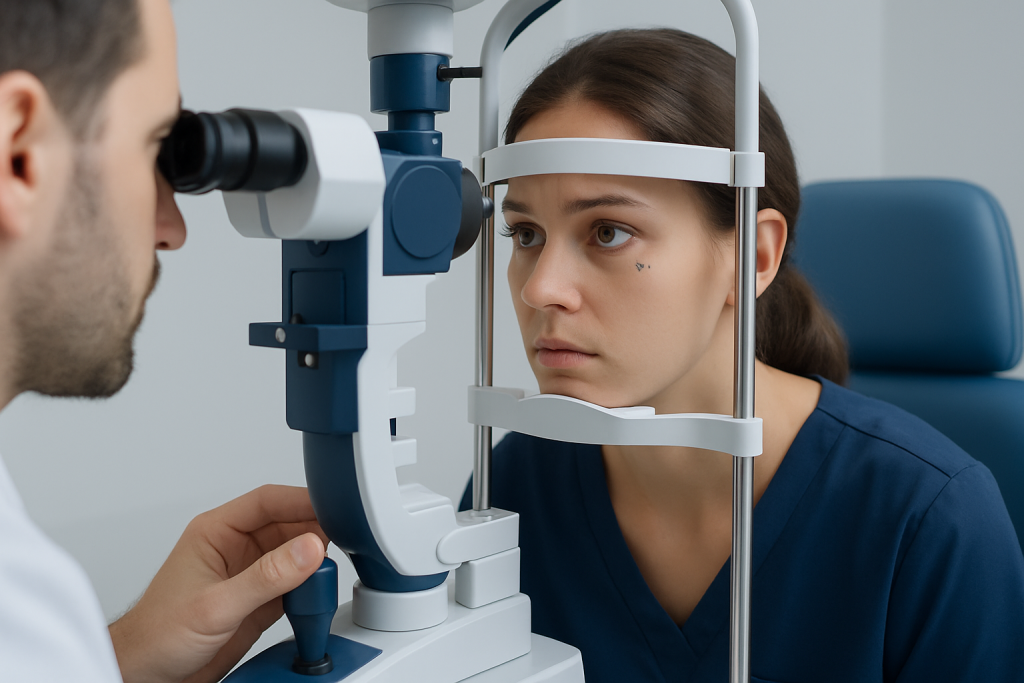
The symptoms of a piercing eye injury vary depending on how deep the object went and which structures were affected. Pain is common, but the level of pain does not always match the severity of the injury. Some people notice sudden tearing, blinking, or the feeling that something is caught in the eye.
Other warning signs may include blurred or reduced vision, sensitivity to light, redness, swelling, bleeding, a visible object, unequal pupils, or fluid leaking from the eye. In some cases, the person may have trouble opening the eye or may instinctively keep it closed.
Because the eye is delicate, even a seemingly small puncture can lead to infection, inflammation, scarring, or changes in vision. Any change in eyesight after trauma should be taken seriously, especially if symptoms worsen over time or follow a high-risk event such as grinding metal or breaking glass.
Causes & Risk Factors

Penetrating eye injuries often happen during everyday activities that involve speed, force, or sharp materials. Common causes include metal fragments from hammering or drilling, glass shards, tree branches, knives, fishing hooks, fireworks, and blunt trauma that pushes a sharp edge into the eye.
Workplace exposure is a major risk factor, especially in construction, manufacturing, welding, woodworking, and gardening. Sports can also cause injury, particularly racquet sports, ball sports, and activities involving flying debris. Children are at risk during play if sharp toys, pencils, sticks, or improvised projectiles are involved.
Risk increases when eye protection is not used, when contact lenses are worn in hazardous environments, or when a person tries to remove debris by rubbing the eye. Alcohol use, poor lighting, and distraction can also make accidents more likely. People who already have eye disease or reduced vision in one eye may be more vulnerable to serious consequences from a second injury.
Diagnosis
Doctors begin by asking what happened, when it happened, and whether anything entered the eye. This history helps determine whether the injury is likely to be superficial, penetrating, or associated with a foreign body. The eye specialist will then assess vision and carefully examine the eye structure.
If an open-globe injury is suspected, the eye is handled very gently to avoid more damage. The doctor may use magnification, fluorescein dye, and other noninvasive methods to look for corneal wounds or leaks. Imaging such as a CT scan may be needed if a hidden foreign body is possible or if the extent of the injury is unclear.
Tests are chosen cautiously because some procedures should be avoided when the eyeball may be open. The priority is to confirm the injury, understand the depth and location, and plan treatment without putting pressure on the eye.
Treatment Options
Treatment depends on the type of injury. A superficial foreign body on the eye surface may sometimes be removed by a clinician under safe conditions, followed by medication and close follow-up. A penetrating injury, however, usually requires urgent specialist care and may need surgery.
Immediate management often includes protecting the eye with a shield, controlling pain, preventing infection, and avoiding anything that presses on the eye. The doctor may prescribe antibiotics, tetanus protection when appropriate, and other medications to reduce inflammation or support healing. If the lens, retina, or other internal structures are involved, further procedures may be necessary.
Rehabilitation may be part of recovery, especially if vision has changed. Follow-up exams help monitor healing, detect infection, and manage complications such as scarring, cataract, retinal injury, or increased eye pressure. For international patients, this may include coordinated care after returning home so that healing can continue safely.
Prevention & Self-care
Eye protection is the most reliable way to prevent a piercing injury. Safety glasses, face shields, or goggles should be used for tasks that can produce chips, splinters, dust, or fragments. Everyday habits matter too: keeping tools in good condition, using them correctly, and making sure children are supervised around sharp objects can reduce risk.
If an injury does happen, the first aid goal is to protect the eye rather than fix it at home. The person should not rub the eye, apply pressure, remove an embedded object, or rinse aggressively if a deep injury is suspected. A rigid shield or clean protective covering can help prevent accidental touching on the way to care.
- Use proper eye protection for work, sports, and home repairs.
- Keep hands away from the eye after injury.
- Avoid trying to remove a stuck object.
- Seek urgent care if vision changes, pain is significant, or bleeding occurs.
After treatment, follow instructions carefully and attend all review visits. Resting the eye, taking prescribed medication as directed, and avoiding dusty or risky activities during recovery can support healing.
When to See a Doctor
Anyone who has a sharp object in the eye, suspects a puncture, or develops vision changes after trauma should be seen urgently by a doctor, ideally an eye specialist. This is especially important if there is bleeding, fluid leakage, a visible object, severe pain, or reduced vision. When in doubt, it is safer to treat the situation as an emergency.
Immediate medical attention is also important if an injury occurred during high-speed work such as drilling, grinding, mowing, or breaking glass, even when the eye looks only mildly irritated. Some internal injuries are not visible without a proper examination.
For people seeking care while abroad, timely evaluation can prevent complications and simplify follow-up. Acibadem Health Point’s multidisciplinary specialists and JCI-accredited hospitals diagnose and treat eye injuries for international patients with coordinated attention to both urgent treatment and recovery planning.
Living With Recovery After an Eye Injury
Recovery after a piercing eye injury can be emotionally and physically draining, especially if the person needs time away from work, driving, or sports. Some patients heal quickly, while others need several visits to confirm that the eye is stable and vision is improving. Patience is important, because the eye may continue to heal even after the most obvious symptoms fade.
It can help to keep follow-up documents, medication lists, and discharge instructions together, particularly for patients who will continue recovery in another country. If vision remains blurry, light-sensitive, or uncomfortable, the specialist should be informed rather than assuming it is part of normal healing.
With prompt treatment and proper follow-up, many eye injuries can be managed effectively. The most important step is not to downplay the injury at the start, because early care often makes the difference in protecting long-term vision.
Frequently asked questions
01Is a piercing in the eye always an emergency?
Yes, it should be treated as urgent because it may mean the eye has been punctured or a foreign body is embedded. Even if the pain seems manageable, deeper damage may not be obvious right away. Prompt eye specialist evaluation is the safest approach.
02What should someone do first if an object is stuck in the eye?
They should avoid rubbing the eye or trying to remove the object. The eye should be protected from pressure, and urgent medical care should be sought as soon as possible. If available, a rigid eye shield is safer than a bandage that presses on the eye.
03Can a small eye puncture heal on its own?
Some very superficial surface injuries can heal with treatment, but a true penetrating injury should never be assumed to be minor. The eye needs an exam to rule out infection, leakage, or internal damage. Self-treatment is not recommended.
04Can a person travel after an eye injury?
Travel is sometimes possible, but only after the injury has been assessed and the eye is stable. If the injury is recent or serious, urgent treatment should come first. A specialist can advise whether follow-up is needed before or after travel.
05How can future eye injuries be prevented?
Protective eyewear is the most effective prevention, especially during work, sports, and home repairs. Safe tool use, good supervision for children, and quick action when something hits the eye also help reduce risk. Prevention is especially important for people who have already had an eye injury.
This article is for general information only and is not a substitute for professional medical advice. Please consult a qualified doctor about your individual situation.
Explore treatments in Turkey — costs, top hospitals & a free quote
JCI-accredited · board-certified surgeons · reply within 24h
Add us as a Preferred Source to see more of our trusted health content across Google Search, AI Overviews and Discover.