How Quickly Does Breast Cancer Grow and What Affects It?
Breast cancer does not grow at one predictable speed. Some tumors develop slowly over years, while others are more biologically active and may progress faster, which is why prompt assessment of a new breast change is important.
How quickly does breast cancer grow?
Breast cancer can grow at very different rates. Some cancers remain small for a long time, while others divide and spread more quickly. In many cases, a breast cancer begins as a microscopic group of abnormal cells and may take years to become large enough to be felt or seen on a mammogram. However, no clinician can accurately predict an individual tumor’s growth rate from one scan or one examination alone.
The pace depends mainly on the cancer’s biology. Hormone receptor-positive cancers often grow more slowly than some triple-negative or HER2-positive cancers, although there are important exceptions. A biopsy and laboratory testing help the care team understand the tumor subtype, grade, and markers that guide treatment decisions.
A new lump, skin change, nipple discharge, or persistent breast symptom should be assessed without delay. Prompt assessment does not mean assuming cancer is present; many breast changes are benign. It does mean that, if cancer is found, the team can plan treatment based on accurate and timely information.
Why breast cancer growth rates differ
Breast cancers are not all the same disease. Their growth is influenced by how abnormal the cells look under a microscope, called the tumor grade, and by whether the cells use estrogen, progesterone, or HER2 signals to grow. Higher-grade cancers tend to have cells that divide more actively, but grade alone does not determine a person’s outlook.
The type of breast cancer also matters. Invasive ductal carcinoma is the most common type, while invasive lobular carcinoma may be harder to detect on examination or imaging because it can grow in a more diffuse pattern. Non-invasive conditions, such as ductal carcinoma in situ, are confined to the milk ducts and are managed differently from invasive cancer.
Doctors combine several findings rather than relying on a single feature. These include imaging results, biopsy findings, lymph node assessment, genetic or genomic tests when appropriate, and whether cancer has spread beyond the breast. This individualized evaluation helps determine whether surgery, systemic therapy, radiation therapy, or a combination is most suitable. More information about breast cancer can help patients understand the diagnostic and treatment pathway.
How doctors assess growth, stage, and outlook

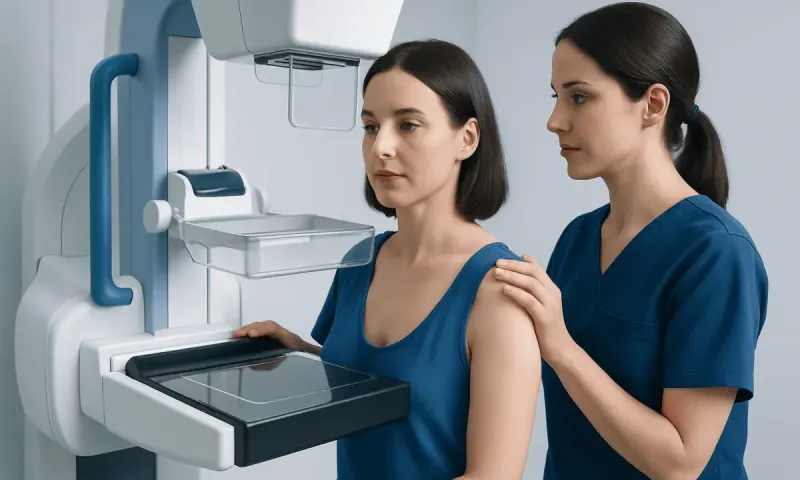
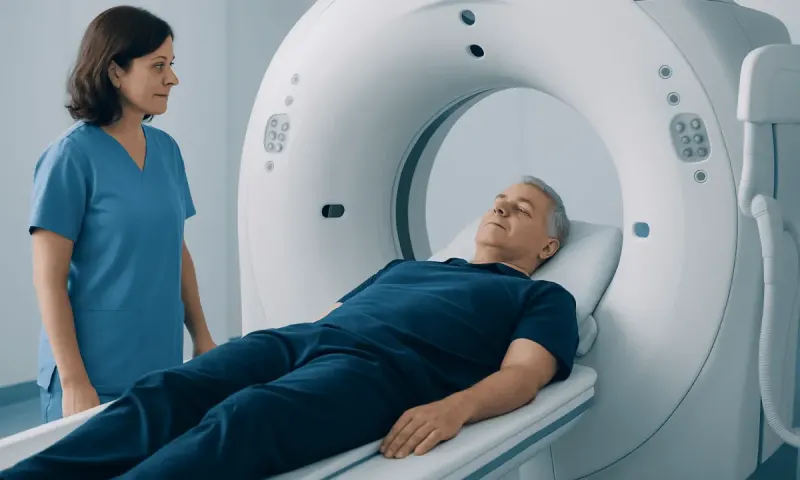
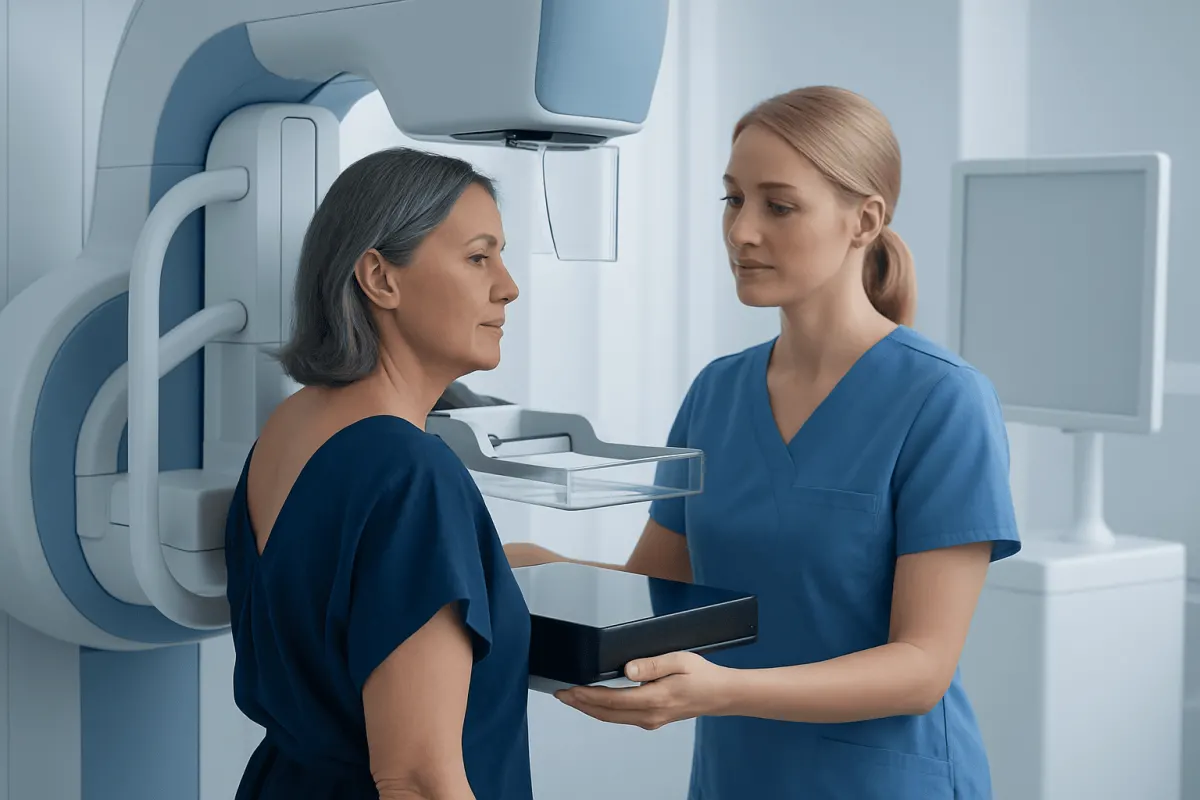
Breast imaging is usually the first step when a concerning change is found. Depending on the situation, this may include diagnostic mammography, ultrasound, or magnetic resonance imaging (MRI). These tests can show the size and location of an area of concern, but they cannot confirm cancer by themselves.
A needle biopsy removes a small tissue sample for examination. Pathology can identify the cancer type, grade, hormone receptor status, and HER2 status. These results are central to treatment planning because they provide more meaningful information about likely behavior than the size of a lump alone.
Staging describes the extent of cancer in the body. It considers tumor size, whether nearby lymph nodes contain cancer cells, whether there is spread to distant organs, and the tumor’s biological features. A multidisciplinary team may also recommend staging scans in selected circumstances, particularly when symptoms or findings suggest a more advanced cancer.
- Tumor size: measured in centimeters and grouped within the TNM staging system.
- Lymph nodes: assessed clinically, with imaging, and sometimes through sentinel lymph node biopsy or surgery.
- Tumor biology: includes hormone receptors, HER2 status, grade, and, in some cases, genomic testing.
- Response to treatment: monitored through examinations, imaging, and pathology when treatment is given before surgery.
What size tumor is considered large?
In breast cancer staging, a tumor larger than 5 centimeters, or about 2 inches, is generally considered large. This size is often classified as T3 in the TNM system when there is no direct extension into the chest wall or skin. However, a tumor can be clinically important at a much smaller size, and a larger tumor is not automatically an indication that cancer has spread.
Size is only one part of the overall picture. A small tumor with lymph node involvement or aggressive biological features may need intensive treatment, while a larger hormone receptor-positive tumor may have a different treatment plan and outlook. Location, lymph node status, tumor subtype, and response to therapy all matter.
For larger cancers, treatment may begin with medication before surgery. This can include chemotherapy, hormone therapy, HER2-targeted therapy, or immunotherapy in selected settings. Preoperative treatment may shrink the tumor, help assess its response, and sometimes make breast-conserving surgery more feasible. Breast cancer treatment is therefore tailored to the individual rather than determined by tumor size alone.
Modern treatment approaches for breast cancer
Modern breast cancer care is personalized. Surgery may involve breast-conserving surgery, also called lumpectomy, or mastectomy. The appropriate operation depends on tumor size and location, breast size, genetic risk, prior treatment, personal preferences, and other medical factors. Reconstruction may be considered after mastectomy or, in some situations, after breast-conserving surgery.
Systemic treatments work throughout the body and may be used before or after surgery. They include chemotherapy, endocrine therapy for hormone receptor-positive cancer, HER2-targeted therapy for HER2-positive cancer, immunotherapy for selected tumors, and other targeted medicines in particular circumstances. Radiation therapy may be recommended after breast-conserving surgery and for some patients after mastectomy.
Some people receive treatment before surgery, known as neoadjuvant therapy. Others have surgery first and receive additional treatment afterward to lower the risk of recurrence. The care plan should be discussed with a breast surgeon, medical oncologist, radiation oncologist, radiologist, pathologist, and specialist nurses as appropriate. Acıbadem Health Point’s multidisciplinary specialists and JCI-accredited hospitals support international patients through breast cancer diagnosis and treatment planning.
Can you fully recover from breast cancer?
Many people complete treatment for breast cancer and remain free of detectable cancer for the long term. Whether clinicians use the word “cured” depends on the cancer type, stage, treatment response, and the length of follow-up. In clinical practice, doctors may describe no evidence of disease, remission, or a low risk of recurrence rather than promise that recurrence can never occur.
Early-stage breast cancers are often treated with curative intent. Even when cancer has spread beyond the breast, modern therapies can frequently control the disease for meaningful periods, reduce symptoms, and support quality of life. Individual outlook is best discussed with the treating oncology team, who can interpret the pathology and stage in context.
Follow-up care remains important after treatment. It commonly includes regular clinical reviews, recommended breast imaging, management of treatment effects, and attention to bone health, heart health, emotional well-being, and lifestyle. Patients should report new or persistent symptoms rather than waiting for their next routine appointment.
What are five things people rarely tell you about life after breast cancer?
Life after breast cancer can involve more than follow-up scans and medical appointments. Experiences differ greatly, but many people find it helpful to know that recovery may be gradual and that practical and emotional changes are common. Support from family, peer groups, rehabilitation specialists, mental health professionals, and the care team can be valuable.
- Recovery may be uneven: energy, sleep, concentration, and mood can improve gradually rather than all at once.
- Fear of recurrence is common: worry before scans or appointments is a normal experience and can be addressed with supportive care.
- Body image can change: scars, altered breast sensation, hair changes, and weight changes may affect confidence and intimacy.
- Some effects can appear later: stiffness, lymphedema, menopausal symptoms, nerve discomfort, or fatigue may need ongoing care.
- Returning to normal may mean finding a new routine: work, relationships, exercise, and priorities can shift after treatment.
These experiences do not mean that recovery is failing. They are reasons to speak openly with the healthcare team, since rehabilitation, symptom management, counseling, and survivorship support can often help.
What not to eat with breast cancer and when to seek medical care
There is no proven diet that can cure breast cancer, and people should be cautious about restrictive diets or supplements promoted as cancer treatments. In general, it is sensible to limit or avoid alcohol, as alcohol can increase breast cancer risk and may be discouraged during certain treatments. Highly processed foods, excess added sugars, and large amounts of saturated fat are best limited as part of an overall heart-healthy eating pattern.
A balanced diet usually includes vegetables, fruits, beans, whole grains, protein-rich foods, and healthy fats, adapted to appetite, treatment side effects, weight changes, and other health conditions. Patients should ask their oncologist, pharmacist, or dietitian before using vitamins, herbal products, or concentrated supplements, as some may interact with treatment. Maintaining adequate protein and fluids can be particularly important during active therapy.
Medical care should be sought promptly for a new breast or underarm lump, breast skin dimpling or redness, an inward-turning nipple, bloody or unexplained nipple discharge, a persistent change in breast shape, or unexplained swelling. Anyone already treated for breast cancer should contact their care team about new persistent pain, breathlessness, neurological symptoms, unexplained weight loss, or other concerning changes. Most symptoms have causes other than cancer, but timely evaluation is the safest approach.
Frequently asked questions
01Can breast cancer grow noticeably in a few months?
Some breast cancers can show measurable change over a few months, particularly if they are biologically more active. Others grow slowly and may change little over that time. Comparing imaging studies and reviewing biopsy results helps clinicians assess the situation more accurately.
02Does a painful breast lump mean breast cancer is growing quickly?
Pain does not reliably indicate whether a lump is cancerous or how fast it is growing. Many painful lumps are caused by benign conditions, such as cysts or hormonal changes. Any new lump or persistent breast change should still be examined by a qualified clinician.
03Can mammograms detect breast cancer before it can be felt?
Yes. Mammograms can identify many breast cancers before they cause symptoms or become noticeable as a lump. Screening recommendations vary by age, personal history, family history, and local guidelines, so patients should discuss an appropriate plan with their doctor.
04Does breast cancer always spread if treatment is delayed?
Breast cancer does not follow one fixed timetable, and short delays do not have the same meaning for every person. However, a suspected breast cancer should be assessed promptly so that diagnosis and treatment planning are not unnecessarily postponed. The healthcare team can advise on the urgency based on symptoms and test results.
05Is a 2 cm breast tumor considered large?
A 2 cm tumor is not generally classified as large in the TNM staging system. Nevertheless, it requires full assessment because lymph node involvement, grade, hormone receptors, HER2 status, and other features affect treatment choices and outlook.
06Can diet stop breast cancer from coming back?
No specific food or diet has been proven to prevent every recurrence. A balanced dietary pattern, regular physical activity when medically appropriate, maintaining a healthy weight where possible, and avoiding alcohol can support general health. Follow-up care and recommended cancer treatment remain essential.
This article is for general information only and is not a substitute for professional medical advice. Please consult a qualified doctor about your individual situation.
Oncology care in Turkey — second opinion and treatment plan
JCI-accredited · board-certified surgeons · reply within 24h
Add us as a Preferred Source to see more of our trusted health content across Google Search, AI Overviews and Discover.