How Pcos Is Diagnosed: Tests, Imaging & What to Expect
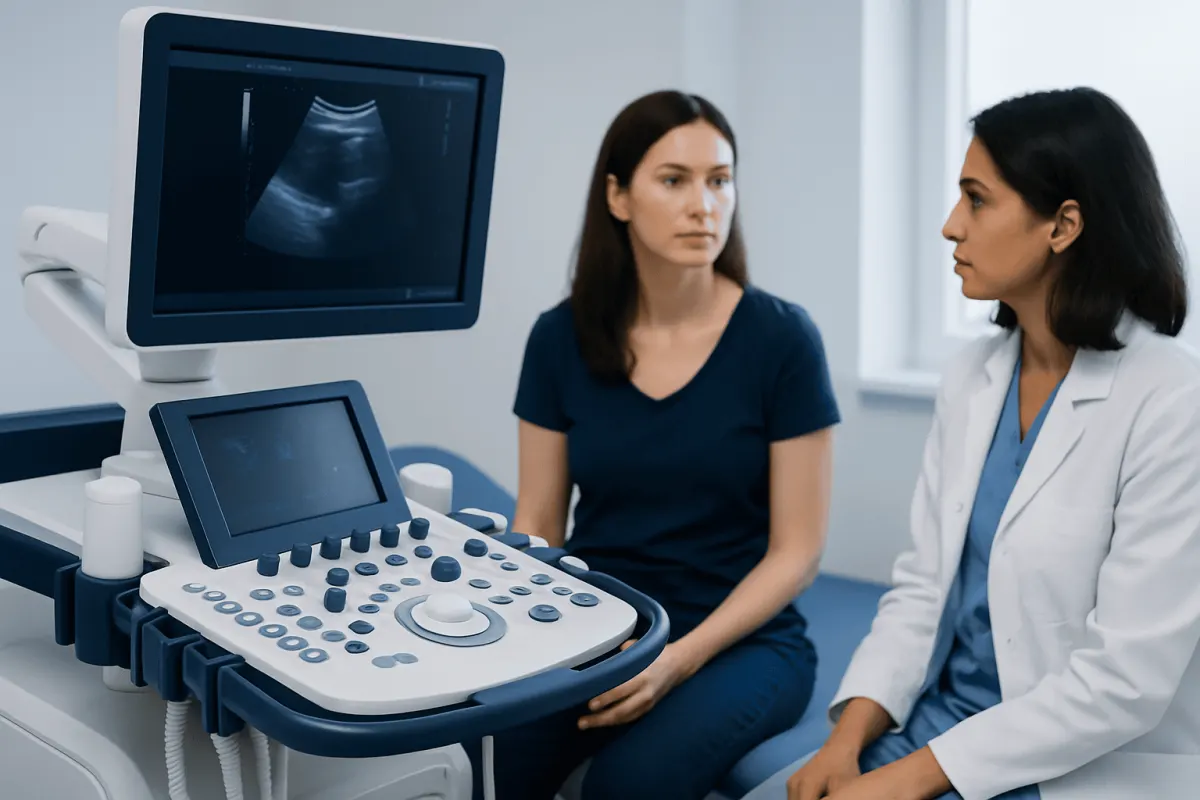
PCOS diagnosis is based on a clinician’s assessment of menstrual patterns, signs of higher androgen levels, laboratory tests and sometimes pelvic ultrasound. There is no single test for polycystic ovary syndrome, so the process also involves ruling out other conditions that can cause similar symptoms.
Overview: How PCOS Is Diagnosed
PCOS diagnosis is made by looking at a person’s symptoms, menstrual history, physical examination findings and selected tests. Clinicians commonly diagnose polycystic ovary syndrome when at least two of three features are present: irregular or absent ovulation, signs or blood-test evidence of higher androgen hormones, and polycystic ovarian appearance on ultrasound—after other possible causes have been excluded.
There is no single blood test, scan or home test that can diagnose PCOS on its own. Some people have irregular periods without cyst-like follicles on ultrasound, while others have a polycystic ovarian appearance but do not have PCOS. This is why assessment is individualized and interpreted in the context of overall health.
PCOS is a common hormonal condition that can affect periods, skin, hair growth, ovulation and fertility. It may also be associated with insulin resistance and changes in cholesterol, blood pressure or weight. A timely assessment helps a clinician address current symptoms and plan appropriate longer-term health monitoring.
What Symptoms May Lead to Testing?
Many people seek assessment because their periods are infrequent, unpredictable or absent. Ovulation may not occur regularly, which can make it more difficult to become pregnant. However, not everyone with PCOS wants pregnancy, and evaluation is equally important for people seeking help with cycle changes, acne, unwanted hair growth or scalp hair thinning.
Symptoms linked with higher androgen activity may include persistent acne, increased coarse hair on the face, chest, abdomen or back, and thinning hair on the scalp. These features can have other causes, so their pattern, timing and severity are considered carefully during the consultation.
Weight changes, darkened velvety areas of skin—often around the neck or underarms—and a family history of PCOS, type 2 diabetes or metabolic conditions can also be relevant. These findings do not establish the diagnosis by themselves, but they may influence which tests a clinician recommends.
- Periods occurring far apart, or stopping for several months
- Difficulty identifying ovulation or becoming pregnant
- New or troublesome acne, excess hair growth or scalp hair loss
- Symptoms of insulin resistance or a strong family history of metabolic disease
The First Appointment: History and Physical Examination

The diagnostic process usually begins with a detailed conversation. The clinician may ask about the age at which periods began, cycle frequency, bleeding pattern, changes in weight, acne or hair growth, medicines and supplements, and personal or family history of diabetes, thyroid disease or early hair loss.
For those who may become pregnant, a pregnancy test is often an early step because pregnancy can also stop periods. The clinician may also ask about fertility goals, contraception, previous pregnancies and symptoms that could suggest another hormonal condition, such as rapid physical changes, milk discharge from the breasts, headaches or changes in vision.
A physical examination may include measurement of blood pressure, weight and waist circumference, as well as assessment of acne, hair distribution, scalp hair and skin changes. This examination is respectful and tailored to the individual. Patients can ask questions, request explanations and discuss any concerns about the examination before it begins.
Blood Tests for PCOS and Similar Conditions
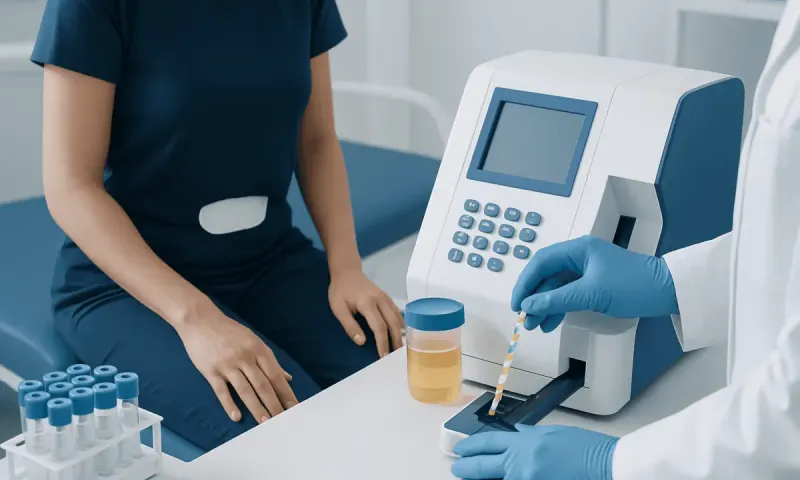
Blood tests can provide useful information, but results must be interpreted alongside symptoms and cycle history. Tests may measure total or free testosterone and other androgens, depending on local laboratory practice. A clinician may also measure hormones that help identify other causes of irregular periods or androgen-related symptoms.
Common tests may include thyroid-stimulating hormone to assess thyroid function, prolactin, and tests for conditions affecting the adrenal glands. In selected cases, additional testing is needed to investigate less common hormonal disorders. Testing may be scheduled at a particular point in the menstrual cycle when possible, although this is not always practical for people with very irregular periods.
Because PCOS can affect metabolic health, clinicians may also check blood glucose or longer-term glucose control, cholesterol and triglycerides. These assessments do not diagnose PCOS directly, but they help identify health factors that may benefit from early support. A clinician will explain what each result means and whether repeat testing is needed.
Pelvic Ultrasound: How It Works and What It Can Show
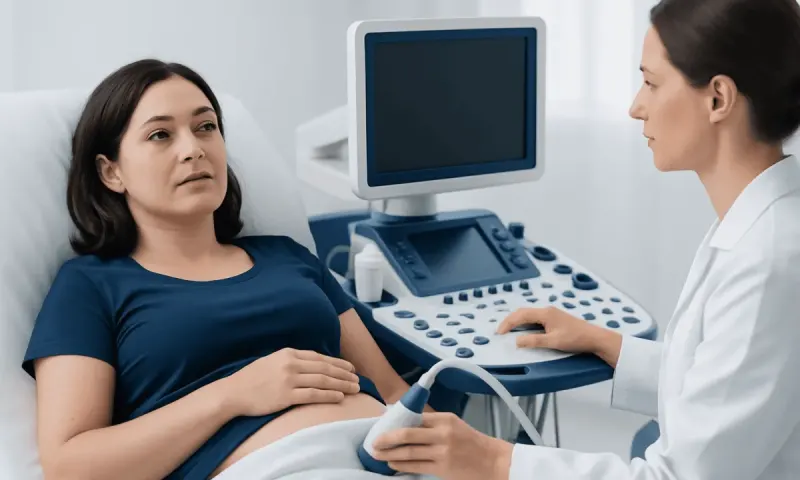
A pelvic ultrasound uses sound waves to create images of the ovaries and uterus. It may show a higher number of small follicles or increased ovarian volume, findings that can support PCOS diagnosis in the right clinical setting. These follicles are not harmful “cysts” in the usual sense, and an ultrasound finding alone does not mean a person has PCOS.
Depending on the person’s circumstances, the scan may be performed over the lower abdomen or with a transvaginal probe. A transabdominal scan usually requires a full bladder. A transvaginal scan can offer more detailed images and is generally considered only when appropriate, with informed consent; it is not required for everyone.
The procedure is usually brief and does not require recovery time. Mild discomfort from bladder fullness or the internal probe is possible, but significant pain is not expected. Ultrasound does not use ionizing radiation, and it can also help assess other pelvic causes of irregular bleeding or pain when these are suspected.
Ultrasound is not always necessary. In adults who have both irregular ovulation and clear clinical or biochemical signs of higher androgens, imaging may add little to the diagnosis. In adolescents, ovarian ultrasound is generally not used early after periods begin because normal pubertal changes can resemble PCOS.
Who Needs Testing and What to Expect Step by Step
Testing may be appropriate for people with persistent irregular cycles, features of androgen excess, trouble with ovulation or concerns about PCOS-related metabolic health. It may also be recommended for those with a close family history of PCOS or type 2 diabetes. The exact pathway depends on age, symptoms, medical history, current medicines and whether pregnancy is possible or planned.
Step one is usually a consultation and pregnancy test when relevant. Step two may include blood tests to assess hormones and metabolic health. Step three is pelvic ultrasound if it is clinically useful. The clinician then reviews the combined findings, checks that alternative explanations have been considered, and discusses whether the criteria for PCOS are met.
Most diagnostic steps involve little or no downtime. A blood draw can cause short-lived bruising, lightheadedness or discomfort at the needle site. Ultrasound is non-surgical and people can usually return to normal activities immediately. Results may be available at different times, so a follow-up appointment is often helpful for reviewing the full picture.
Benefits of a structured evaluation include greater clarity, identification of related health needs and a personalized care plan. A possible limitation is that symptoms and test results can change over time, particularly during adolescence, after stopping hormonal contraception or during major weight changes. In some cases, reassessment later is more informative than making an immediate diagnosis.
After Diagnosis: Next Steps and Ongoing Care
Management is based on the symptoms and goals that matter most to the individual. Options may include support for menstrual regularity, treatment for acne or unwanted hair growth, metabolic risk reduction and fertility care when pregnancy is desired. Lifestyle measures such as balanced nutrition, regular activity, adequate sleep and stress support can be beneficial, but care should never assume that weight loss is the only or required goal.
People with PCOS may benefit from periodic monitoring of blood pressure, glucose and cholesterol, particularly when other risk factors are present. If periods are very infrequent, a clinician may recommend treatment to protect the lining of the uterus. The most suitable approach depends on personal health history and should be discussed with a qualified healthcare professional.
For people who are trying to conceive, evaluating ovulation and discussing fertility-focused options can be helpful. A broader overview of symptoms, management and fertility considerations is available in polycystic ovary syndrome information.
Acıbadem Health Point’s multidisciplinary specialists and JCI-accredited hospitals assess and treat PCOS for international patients, including coordinated laboratory testing, imaging and fertility consultations where appropriate.
When to Seek Medical Care
It is sensible to arrange a medical appointment for periods that remain irregular over time, stop unexpectedly, or occur less often than expected. Assessment is also appropriate for new or worsening acne, excess facial or body hair, scalp hair thinning, difficulty becoming pregnant or concerns about glucose and metabolic health.
Prompt medical advice is especially important if androgen-related changes develop rapidly, such as a sudden marked increase in coarse hair growth, deepening of the voice or substantial muscle changes. These symptoms are uncommon in PCOS and may need evaluation for other causes. Heavy bleeding, severe pelvic pain, fainting or possible pregnancy with pain or bleeding should also be assessed urgently.
Before an appointment, it can help to note recent period dates, symptoms, medicines, supplements and any family history of PCOS, diabetes or thyroid disease. This information can make the consultation more efficient and support a clear, individualized diagnostic plan.
Frequently asked questions
01Can PCOS be diagnosed with a blood test alone?
No. Blood tests can identify higher androgen levels and help exclude other hormonal conditions, but they cannot diagnose PCOS on their own. Clinicians consider test results together with menstrual history, symptoms and, when useful, ultrasound findings.
02Is an ultrasound always needed for PCOS diagnosis?
No. In adults with irregular ovulation and clear signs of androgen excess, an ultrasound may not be necessary. Ultrasound is also usually avoided as a diagnostic tool in adolescents soon after their first periods because the ovaries may normally look similar to polycystic ovaries.
03Do polycystic ovaries mean someone has PCOS?
Not necessarily. Some people have polycystic ovarian morphology on ultrasound without symptoms or hormone changes associated with PCOS. A diagnosis requires a broader clinical assessment and exclusion of other causes.
04Should hormonal contraception be stopped before PCOS testing?
Hormonal contraception can affect bleeding patterns and some hormone test results. A clinician can advise whether testing should be done while using contraception or after a planned break, taking pregnancy prevention and individual health needs into account. It is important not to stop prescribed contraception without medical guidance.
05How long does PCOS diagnosis take?
The initial assessment may be completed in one appointment, but diagnosis can take longer if blood tests, imaging or repeat assessments are needed. Timing depends on the availability of tests, menstrual pattern and whether other conditions need to be ruled out.
06Can PCOS be diagnosed in teenagers?
PCOS can be considered in adolescents, but diagnosis requires extra care because irregular periods and acne can be normal during puberty. Clinicians generally focus on persistent menstrual irregularity and evidence of androgen excess, while avoiding reliance on ultrasound early after menstruation begins.
This article is for general information only and is not a substitute for professional medical advice. Please consult a qualified doctor about your individual situation.
Hair transplant in Turkey — costs, graft counts & a free assessment
JCI-accredited · board-certified surgeons · reply within 24h
Add us as a Preferred Source to see more of our trusted health content across Google Search, AI Overviews and Discover.