Can You Test for a UTI While on Your Period?
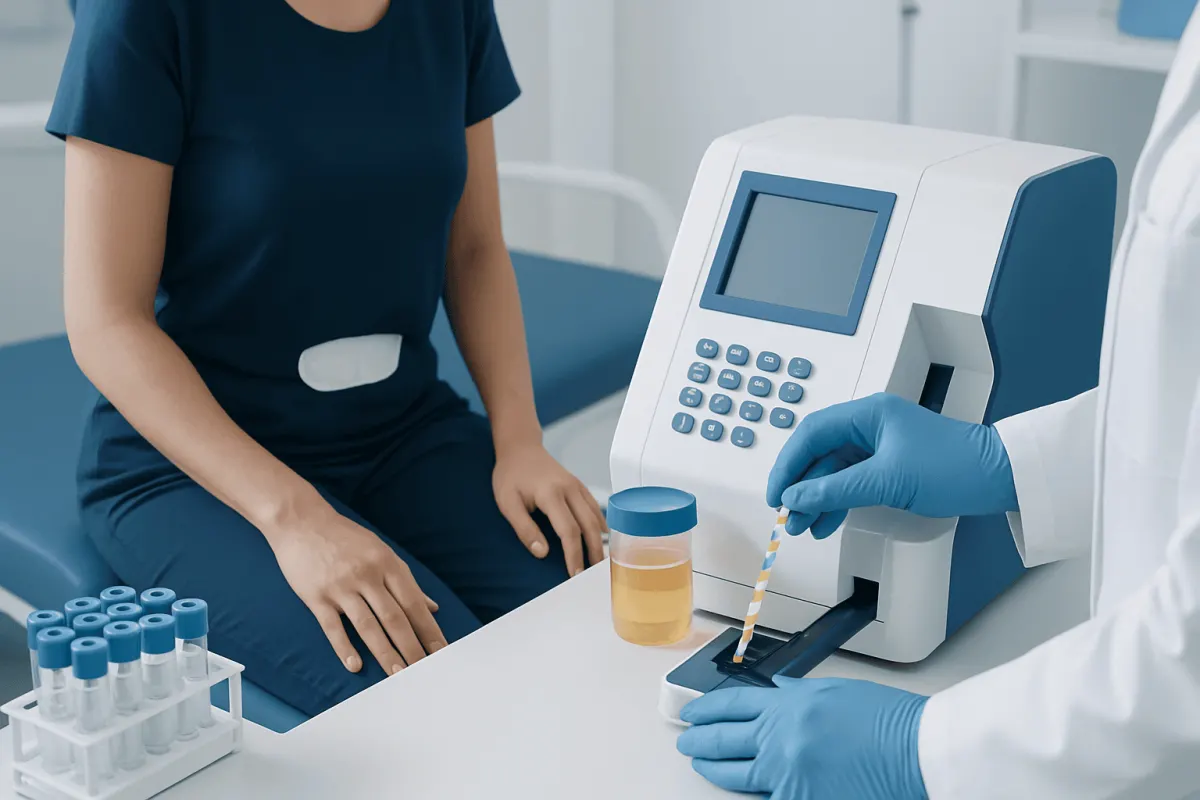
Yes, a urinary tract infection (UTI) can usually be tested for during a period. Menstrual blood may affect some urine test results, but a carefully collected sample and, when needed, a urine culture can still help clinicians diagnose infection.
Can you test for UTI while on period?
Yes. People can usually test for a UTI while menstruating, and they should not delay medical advice if they have troublesome urinary symptoms. A urine dipstick test and urine culture can still be performed, although blood from a period can enter the sample and make parts of the result harder to interpret.
Before giving a sample, it is important to tell the clinician or laboratory that menstruation is occurring. They may recommend a careful midstream clean-catch sample, repeat the test after the period ends if symptoms are mild and results are unclear, or send the sample for a culture. A culture looks for bacteria growing in urine and can help confirm whether an infection is present and which antibiotic may be appropriate.
In some circumstances, especially when an accurate sample is essential and contamination remains a concern, a clinician may discuss another collection method. This decision is individualized. Symptoms, examination findings, pregnancy status, medical history, and test results are all considered together rather than relying on one test alone.
How to test for UTI while on period
If someone wonders how to test for UTI while on period, the practical first step is to contact a healthcare professional or visit a suitable clinic for urine testing. Home UTI test strips may detect markers such as leukocytes or nitrites, but menstrual blood and vaginal discharge can interfere with interpretation. A home result does not reliably confirm or rule out infection.
For a clean-catch sample, the person should wash their hands, separate the labia, clean the area as instructed by the clinic, begin urinating into the toilet, then collect urine midstream in the sterile container without touching its inside. Finishing in the toilet is usually recommended. Some people find that changing a tampon or menstrual cup immediately before collection helps reduce visible blood contamination, but they should only use menstrual products they normally tolerate and follow local clinical instructions.
The sample should be delivered promptly, as instructed by the laboratory. If there is significant menstrual flow, the clinician may still test the sample but may interpret red blood cells cautiously. They may also request a repeat culture after bleeding has stopped if the result is mixed, inconclusive, or does not match the person’s symptoms.
- Do not add water, soap, wipes, or other substances to the specimen container.
- Do not start leftover antibiotics before testing; they can affect culture results and may not be the right treatment.
- Report pregnancy, recurrent UTIs, kidney disease, immune suppression, or recent urinary procedures to the clinician.
What can throw off a UTI test?

Several factors can affect a urine test or make it appear abnormal without a straightforward UTI. Menstrual blood can cause blood to be detected in urine, while vaginal discharge, skin bacteria, or an improperly collected sample can introduce cells or bacteria that do not come from the urinary tract. This is why laboratories often report whether a sample may be contaminated.
Drinking very large amounts of fluid shortly before testing can dilute urine and may reduce the concentration of some markers. Antibiotics taken recently can suppress bacterial growth in a culture. Certain medicines, vitamin supplements, and foods can change urine color, while conditions such as kidney stones or inflammation can cause blood or white blood cells in urine without a typical bacterial bladder infection.
A dipstick test is useful for rapid assessment but is not perfect. Nitrites may be absent even when a UTI is present, and leukocytes can occur for reasons other than infection. When symptoms persist, are severe, occur in pregnancy, or do not fit the initial test result, a urine culture and clinical review are especially valuable.
How do I tell if I have a UTI during my period?
Period symptoms and urinary symptoms can overlap, particularly when pelvic cramping or bloating is present. Features that more strongly suggest a bladder UTI include burning or stinging while passing urine, needing to urinate more often than usual, sudden urgency, passing only small amounts, cloudy or unusually strong-smelling urine, and discomfort low in the abdomen.
Menstrual cramps commonly feel like a dull or wave-like ache in the lower abdomen or back and may come with bleeding. In contrast, pain that happens mainly while urinating, a persistent urgent need to urinate, or new urinary frequency is more suggestive of a urinary cause. Both a period and a UTI can occur at the same time, so it is reasonable to seek testing rather than trying to decide based on symptoms alone.
Blood seen in the toilet during a period cannot reliably be attributed to urine. A clinician may ask about the timing of symptoms, menstrual flow, vaginal symptoms, sexual health, previous infections, and medications. This fuller picture helps distinguish urinary tract infection from other causes of pelvic or urinary discomfort.
What causes 80% of UTIs?
About 80% of uncomplicated UTIs are caused by Escherichia coli (E. coli), bacteria that normally live in the bowel. Most bladder infections occur when these bacteria enter the urethra and travel into the bladder. This is not usually caused by poor hygiene, and it is not a sign that a person has done anything wrong.
UTIs are more common in people with a shorter urethra, including many women, because bacteria have a shorter distance to reach the bladder. Sexual activity, pregnancy, menopause-related changes, incomplete bladder emptying, urinary stones, diabetes, urinary catheters, and structural urinary tract differences can also increase risk. Some people experience recurrent infections despite taking sensible preventive measures.
Prevention can include drinking fluids regularly according to individual health needs, not routinely holding urine for long periods, wiping from front to back after using the toilet, and urinating after sex if this is comfortable and practical. Anyone with repeated infections should discuss tailored prevention with a clinician rather than relying on frequent self-treatment.
What else feels like a UTI but isn't?
Not all burning, urgency, or pelvic discomfort is caused by a bacterial UTI. Vaginal yeast infections, bacterial vaginosis, irritation from soaps or fragranced products, and sexually transmitted infections can cause burning or discomfort around the genital area. Vaginal itching, unusual discharge, sores, or pain during sex may point toward a vaginal or sexual-health condition rather than a simple bladder infection.
Kidney stones can cause severe side or back pain, nausea, and blood in urine. Bladder pain syndrome, also called interstitial cystitis, can cause ongoing bladder pain and urinary frequency without a typical infection. Pelvic floor muscle tension, overactive bladder, endometriosis, and some bowel conditions may also produce symptoms that overlap with a UTI.
This is why repeated antibiotic treatment without confirmation is not ideal. If urine cultures are negative, symptoms recur, or symptoms do not improve as expected, a clinician can reassess the diagnosis and consider further testing or referral. The goal is to identify the actual cause and avoid unnecessary medication.
Can you test for kidney infection while on your period?
Yes, clinicians can assess for a kidney infection while someone is on their period. A urine test and culture may be used, and menstrual contamination is handled in the same way as for suspected bladder infection. However, suspected kidney infection should not wait for a period to end because it can require prompt evaluation and treatment.
A kidney infection may cause fever, chills, pain in the side or back below the ribs, nausea, vomiting, and marked illness, often alongside urinary burning, frequency, or urgency. Menstrual cramps alone do not typically cause high fever or flank pain. Depending on the symptoms and examination, clinicians may also arrange blood tests or imaging.
People who are pregnant, have diabetes, have known kidney disease, use a urinary catheter, have a weakened immune system, or have a history of urinary tract abnormalities should seek timely medical advice for possible infection. These situations can need more careful monitoring and treatment planning.
When to seek medical care
Medical advice is appropriate for new urinary symptoms, particularly if symptoms are persistent, uncomfortable, or occurring for the first time. A clinician can check for UTI during a period and decide whether a culture is needed. Prompt assessment is also sensible for recurrent symptoms, symptoms after a new sexual partner, or symptoms accompanied by vaginal discharge or irritation.
Urgent medical care is needed for fever, chills, flank or back pain, vomiting, confusion, severe weakness, inability to keep fluids down, or rapidly worsening symptoms. These may indicate infection involving the kidneys or another condition that needs timely attention. Pregnant people with possible UTI symptoms should contact a healthcare professional promptly, even if symptoms seem mild.
Acıbadem Health Point’s multidisciplinary specialists and JCI-accredited hospitals diagnose and treat urinary symptoms and related conditions for international patients. Care should always be guided by an appropriately qualified doctor, who can interpret test results in the context of each person’s symptoms and health history.
Frequently asked questions
01Can they check for UTI while on period?
Yes, a clinician can check for a UTI during menstruation. Menstrual blood can contaminate the urine sample, so the clinician or laboratory should be told that the person is on their period. A careful midstream sample and urine culture can improve accuracy.
02Can I test urine for UTI while on period at home?
A home urine test can be used while on a period, but the result may be less reliable if blood or vaginal discharge enters the sample. Home tests do not diagnose all UTIs and cannot identify the bacteria causing an infection. Persistent, severe, or recurrent symptoms should be assessed by a healthcare professional.
03Should I wait until my period ends to have a urine culture?
Not necessarily. If symptoms suggest a UTI, especially if they are significant, it is better to seek care rather than wait. The clinician can collect a sample during menstruation and may repeat it afterward if contamination makes the culture difficult to interpret.
04Can a period cause a false positive UTI test?
It can contribute to an unclear or potentially misleading urine result, particularly for blood and sometimes white blood cells. A period itself does not create a bacterial infection, but blood and vaginal bacteria may contaminate the sample. A culture and symptom review help clarify the result.
05What symptoms mean a UTI may be more serious?
Fever, chills, pain in the side or back, nausea, vomiting, or feeling severely unwell can suggest a kidney infection or another serious condition. These symptoms require urgent medical assessment. Pregnant people should seek prompt advice for any suspected UTI symptoms.
06Can period cramps feel like a UTI?
Period cramps can cause lower abdominal or back discomfort that overlaps with bladder discomfort. Burning while urinating, new urgency, and needing to urinate frequently are more typical of a UTI. Because both conditions can happen together, testing is helpful when urinary symptoms are present.
This article is for general information only and is not a substitute for professional medical advice. Please consult a qualified doctor about your individual situation.
Explore treatments in Turkey — costs, top hospitals & a free quote
JCI-accredited · board-certified surgeons · reply within 24h
Add us as a Preferred Source to see more of our trusted health content across Google Search, AI Overviews and Discover.