How Much Does Top Surgery Cost in Practice?
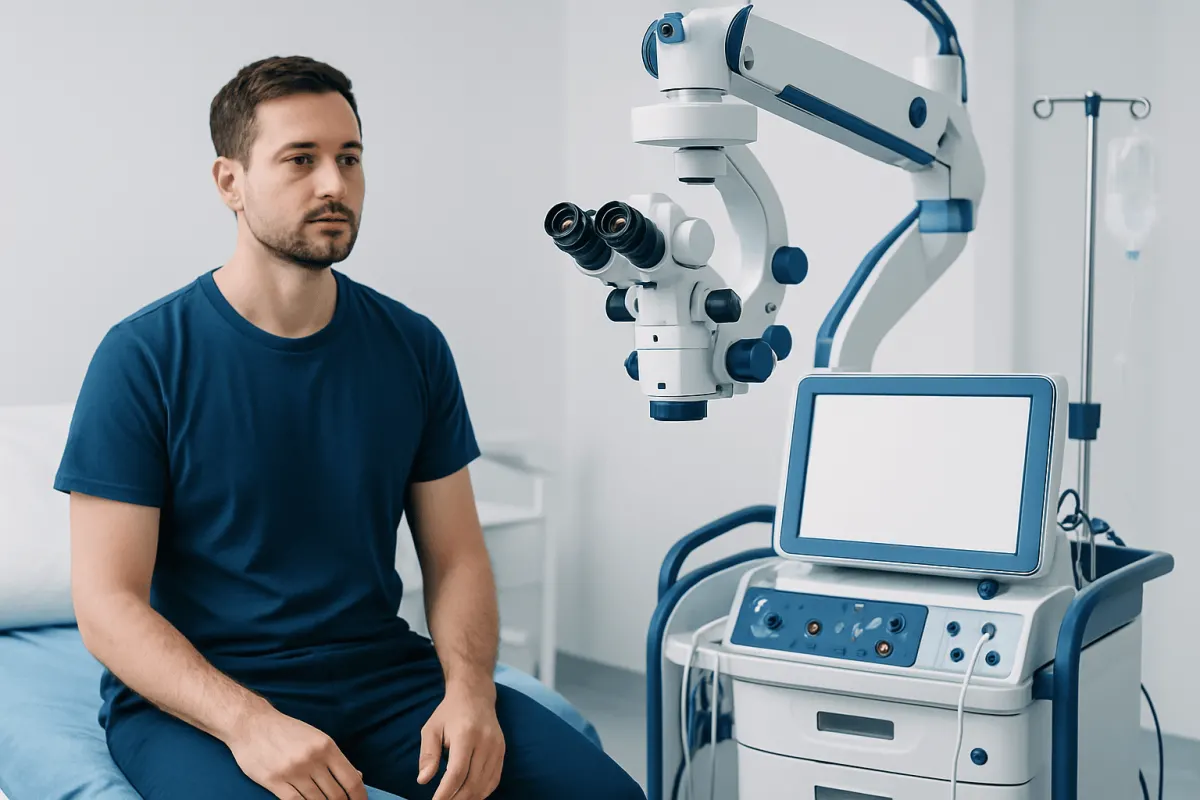
How much does top surgery cost cannot be answered with one reliable figure because care plans, insurance coverage, surgical techniques, hospital services and recovery needs differ between individuals and countries. A consultation and itemized treatment estimate can help a person understand both the medical plan and the full financial commitment before proceeding.
How Much Does Top Surgery Cost?
How much does top surgery cost depends on the type of operation, the surgeon’s expertise, the hospital or surgical facility, anesthesia, the location of care, insurance arrangements and the support needed during recovery. Rather than relying on a single advertised amount, a person should request an individualized, written estimate that explains what is and is not included.
Top surgery may refer to different gender-affirming chest procedures. It can include chest masculinization surgery, which removes breast tissue and reshapes the chest, or breast augmentation for transfeminine people. Because these operations have different techniques, clinical needs and follow-up plans, their costs and preparation requirements are not directly comparable.
When comparing treatment plans, it is useful to ask whether the estimate includes the initial assessment, blood tests or imaging if needed, operating-room services, anesthesia, pathology when tissue is removed, prescribed garments, medicines, follow-up appointments and treatment of unexpected complications. Travel, accommodation, time away from work and the need for a support person can also affect overall planning.
What Top Surgery Involves and Who May Be a Candidate
Top surgery is a form of gender-affirming care intended to bring a person’s chest appearance into closer alignment with their gender identity and personal goals. Chest masculinization may involve removal of breast tissue, contouring of fat and skin, reshaping of the nipple-areola complex, or a combination of these steps. Transfeminine chest surgery commonly involves breast augmentation, sometimes alongside other contouring approaches.
Candidacy is individual. A surgical team usually reviews the person’s goals, general health, chest anatomy, medical history, medications, smoking or nicotine use, previous chest surgery and ability to follow recovery instructions. They may also discuss informed consent, emotional readiness and any documentation required by local regulations, the hospital or an insurer.
Some people need or prefer to stabilize certain health conditions before surgery. For example, uncontrolled diabetes, active infection, significant heart or lung disease, blood-clotting concerns or nicotine use can increase surgical risk. These factors do not automatically rule out surgery, but they may mean that additional assessment or preparation is needed.
A careful consultation should also cover realistic expectations. Scars, altered nipple sensation, asymmetry and the possibility of revision surgery are important considerations. The appropriate technique is selected based on anatomy, safety and the individual’s priorities rather than on appearance alone.
How the Procedure Is Planned and Performed

The process begins with a consultation with a qualified plastic surgeon or gender-affirming surgical team. The clinician discusses desired chest contour, reviews medical history, performs an examination and explains which techniques may be appropriate. Preoperative steps may include laboratory testing, medication adjustments and instructions about eating, drinking, nicotine cessation and arranging transport and support after surgery.
For chest masculinization, the operation may be performed through incisions around the areola, through small incisions combined with liposuction, or through longer chest incisions when more tissue or skin needs to be removed. The surgeon removes and contours tissue, manages excess skin when necessary and may resize or reposition the nipple-areola complex. Drains may be used temporarily in some cases.
For breast augmentation, implants or, less commonly, fat transfer may be used to create breast volume and shape. Implant type, placement and incision location are discussed in advance. The procedure is usually performed with anesthesia, and the person is monitored during the immediate recovery period.
Patients considering surgery can discuss gender-affirming top surgery with a surgical team to understand the planned technique, expected scars, follow-up schedule and recovery needs. A written surgical plan can make it easier to compare options and clarify the services included in an estimate.
What Can Affect the Overall Cost of Care
Costs vary because top surgery is not a single standardized procedure. The complexity of the technique, whether skin reduction or nipple grafting is needed, the duration of surgery, use of drains, type of anesthesia and whether the procedure is outpatient or requires an overnight stay can all influence the treatment plan.
Professional and facility-related components can include the surgeon’s fee, anesthesiologist’s fee, operating-room charges, hospital or clinic fees, nursing care and pathology assessment of removed tissue where appropriate. Preoperative consultations, laboratory tests, imaging, compression garments, prescription medicines and postoperative appointments may be billed separately depending on the system of care.
Insurance may cover some or all medically necessary gender-affirming surgery in certain plans and locations, but coverage rules differ. A person should contact their insurer before booking surgery to ask about prior authorization, referral requirements, in-network care, deductible or co-payment responsibilities, exclusions and documentation requirements. The surgical provider’s financial counseling team may help explain the process, but the insurer gives the final coverage decision.
For people traveling for care, non-medical expenses deserve early planning. These may include transportation, accommodation, meals, a companion’s travel, recovery supplies and extra time in the destination before it is safe to return home. Choosing a facility should prioritize clinical standards, transparent communication and continuity of follow-up rather than cost alone.
Benefits, Risks and Recovery Timeline
For many people, top surgery can reduce chest-related gender dysphoria and make daily activities, clothing choices and body comfort easier. Individual experiences vary, and surgery cannot guarantee a particular emotional outcome. Discussing expectations, support systems and any mental health concerns openly with the care team can support informed decision-making.
All surgery carries risks. Possible complications include bleeding, infection, fluid collection, delayed wound healing, unfavorable scarring, changes in nipple or chest sensation, contour irregularities, asymmetry, loss of nipple tissue in procedures involving grafts, blood clots and anesthesia-related complications. Some concerns can be managed with observation or medical care, while others may require further procedures.
Recovery varies by procedure and individual health. The first days generally involve rest, swelling, bruising, discomfort and limited upper-body movement. Dressings, drains or compression garments may be used, and follow-up visits allow the team to assess healing. Many people can gradually return to light daily activities after an initial recovery period, but strenuous exercise, heavy lifting, swimming and chest-focused movement should wait until the surgeon confirms it is safe.
Swelling and scar maturation can continue to change for months. Attending every follow-up appointment, taking medicines only as directed, avoiding nicotine and protecting healing scars from sunlight are practical parts of recovery. The surgical team should provide individualized instructions because timelines differ between techniques and patients.
Preparing for Surgery and Supporting Recovery
Preparation begins well before the procedure. A person should provide an accurate list of medications, supplements, allergies and past health conditions, and should not stop prescribed medication without medical advice. The team may recommend temporary changes to medicines that affect bleeding risk, as well as steps to manage chronic conditions safely around surgery.
Nicotine in cigarettes, vaping products and other sources can impair blood flow and wound healing. Surgical teams commonly advise stopping nicotine well before and after an operation. Maintaining balanced nutrition, hydration, sleep and gentle activity as advised can also support general surgical readiness.
At home, it helps to arrange easy-to-reach supplies, loose front-opening clothing, prepared meals and help with household tasks. A trusted adult may be needed to accompany the patient after anesthesia and assist during the first stage of recovery. Patients should also confirm how to contact the surgical team outside routine office hours.
Emotional support matters as well. Recovery can involve temporary discomfort, reduced independence and changing feelings about the body. Support from trusted people, a mental health professional or peer community resources may be helpful. Decisions about surgery should be made at a pace that allows time for questions and informed consent.
When to Seek Medical Care
Urgent medical assessment is needed after surgery for severe or rapidly worsening pain, heavy bleeding, chest pain, shortness of breath, fainting, new confusion or swelling and pain in one leg. These symptoms can have several causes and should not be managed at home without professional advice.
The surgical team should be contacted promptly for fever, increasing redness or warmth around an incision, pus-like drainage, a bad odor, wound opening, sudden swelling on one side of the chest, persistent vomiting or pain that is not controlled by the prescribed plan. Early contact allows the team to decide whether an examination or treatment is needed.
Before surgery, a person should seek medical advice if they develop a new illness, infection, pregnancy concern, significant change in medications or worsening of a chronic condition. These issues may affect the timing or safety of anesthesia and surgery.
Acıbadem Health Point’s multidisciplinary specialists and JCI-accredited hospitals support international patients who are exploring assessment and treatment options for gender-affirming chest surgery. A consultation with a qualified surgical team can help a person understand suitability, safety considerations, recovery and the expected care pathway.
Frequently asked questions
01Is there one standard price for top surgery?
No. Top surgery costs are individualized because procedures, clinical needs, facility arrangements and insurance coverage differ. A written estimate from the surgical provider is the most reliable way to understand expected charges and possible additional expenses.
02What should a top surgery estimate include?
Patients can ask whether the estimate includes surgeon, anesthesia and facility fees, preoperative tests, pathology, garments, medicines and follow-up visits. It is also important to ask which services may be billed separately and what happens if additional care is needed.
03Does insurance cover top surgery?
Coverage varies by country, insurer and policy. Patients should confirm benefit eligibility, authorization requirements, network rules, deductibles and exclusions directly with their insurer before making financial decisions.
04How long does recovery from top surgery take?
Initial recovery commonly involves rest and activity restrictions, while swelling and scar changes may continue for months. The exact timeline depends on the procedure, healing progress and the surgeon’s instructions.
05What are the main risks of top surgery?
Risks may include bleeding, infection, fluid collections, scarring, sensation changes, asymmetry, wound-healing problems and anesthesia-related complications. A surgeon can explain how individual health factors and the chosen technique affect risk.
06Can someone travel soon after top surgery?
Travel plans should be discussed with the surgical team, particularly after procedures performed under anesthesia. Patients may need to remain nearby for early follow-up and should avoid travel until the clinician considers it safe.
This article is for general information only and is not a substitute for professional medical advice. Please consult a qualified doctor about your individual situation.
Explore treatments in Turkey — costs, top hospitals & a free quote
JCI-accredited · board-certified surgeons · reply within 24h
Add us as a Preferred Source to see more of our trusted health content across Google Search, AI Overviews and Discover.