Sliding Genioplasty: Benefits, Risks, and Recovery — A Complete Guide
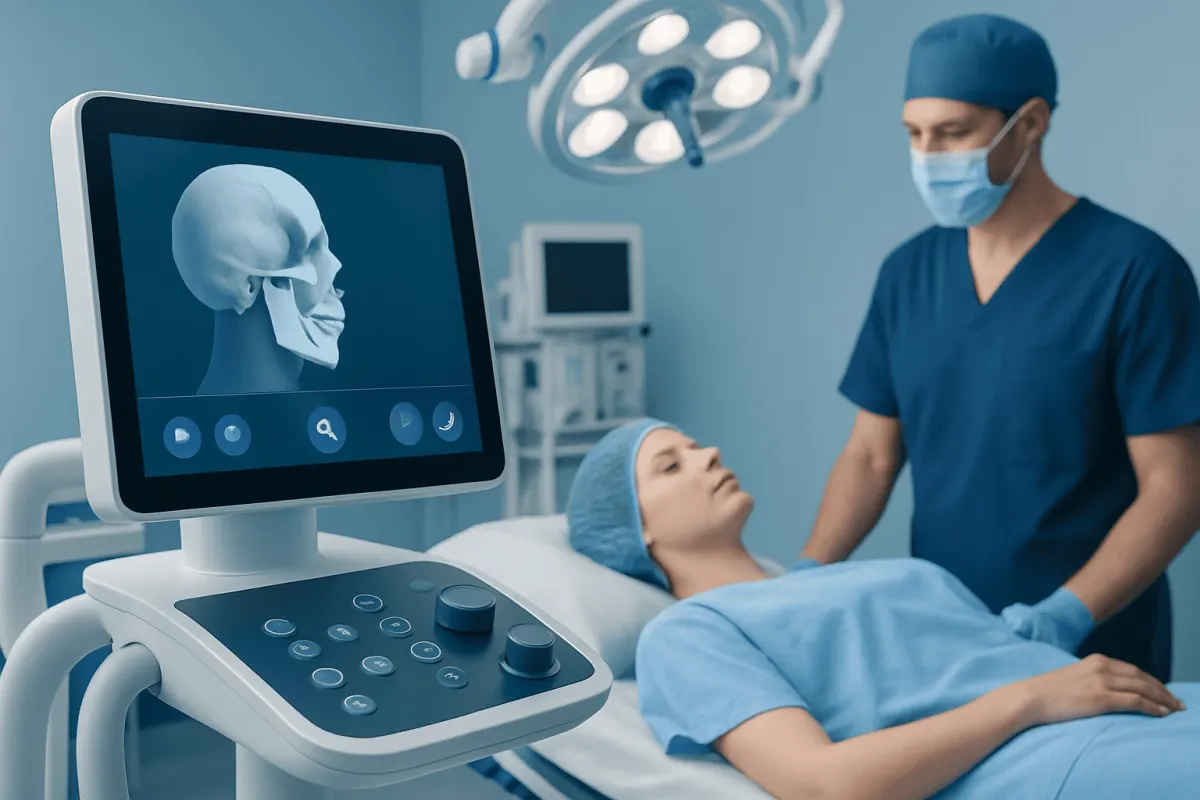
Sliding genioplasty is a surgical procedure that moves a person’s own chin bone forward, backward, upward, downward, or sideways to improve chin position and lower-face balance. It can be performed for cosmetic facial harmony, to help address certain jaw-related concerns, or alongside corrective jaw surgery when clinically appropriate.
Overview: What Is Sliding Genioplasty?
Sliding genioplasty is an operation that changes the position of the chin by cutting and moving the lower portion of the chin bone. The surgeon secures the repositioned bone with small plates and screws, which usually remain in place permanently. Because it uses the patient’s own bone, sliding genioplasty can make substantial and multidirectional changes to chin shape and projection.
The procedure is commonly considered when the chin sits too far back, projects too far forward, appears overly long or short, or is visibly uneven. A chin that is out of proportion with the nose, lips, jawline, and neck can affect overall facial balance. In some people, chin position is also evaluated as part of treatment planning for bite and jaw alignment concerns.
Sliding genioplasty is different from a chin implant. An implant adds volume in a selected area, while a sliding genioplasty physically repositions bone. Neither approach is automatically better; the most suitable option depends on facial anatomy, the degree and direction of correction needed, dental and jaw relationships, and the person’s goals.
How the Procedure Works and Who May Be a Candidate
During sliding genioplasty, the surgeon makes a controlled horizontal cut through the front part of the lower jaw, below the roots of the teeth. The lower segment of bone is then moved into the planned position. It may be advanced for a recessed chin, moved back for excessive prominence, shortened or lengthened vertically, or adjusted to improve symmetry. Titanium plates and screws stabilize the bone while it heals.
Suitable candidates are generally adults whose facial bones have finished growing and who are in good overall health. They should have healthy gums and teeth, realistic expectations, and a clear understanding that the procedure changes chin position rather than correcting every concern involving the jawline, neck, or facial profile.
A surgeon may recommend a detailed orthodontic and jaw assessment when there is a significant overbite, underbite, open bite, difficulty chewing, or a mismatch between the upper and lower jaws. In these situations, chin surgery alone may not address the underlying skeletal issue. Some patients benefit from combined planning with oral and maxillofacial surgery, orthodontics, or corrective jaw surgery.
People who smoke or use nicotine products are usually advised to stop well before and after surgery, as nicotine can impair blood flow and bone healing. Uncontrolled medical conditions, active oral infections, bleeding disorders, and certain medications may also require treatment or adjustment before an operation can be considered safely.
Assessment and Surgical Planning

Planning for sliding genioplasty begins with a consultation that considers both facial appearance and function. The surgeon reviews medical history, previous facial surgery or injury, medications, allergies, dental health, and goals for treatment. A physical examination assesses the chin, lips, jawline, bite, facial symmetry, skin and soft-tissue thickness, and the relationship between the chin and neck.
Photographs, dental records, and imaging such as X-rays or three-dimensional scans may be used to measure the jaw and plan bone movement. Digital planning can help the surgical team visualize how changes in the bony chin may influence the overlying soft tissues. It is helpful, but it cannot predict an exact final appearance because healing and individual tissue response vary.
Patients should openly discuss their priorities, including whether their concern is mainly chin projection, length, asymmetry, profile balance, or jaw function. The surgeon should also explain alternatives, which may include observation, non-surgical contouring in selected cases, a chin implant, orthodontic treatment, or jaw surgery. A well-informed decision is based on anatomy and safety, not on a single idealized facial measurement.
Sliding Genioplasty: Step by Step
Sliding genioplasty is usually performed under general anesthesia. The operation is commonly done through an incision inside the lower lip, so there is typically no visible scar on the outside of the chin. The surgeon gently exposes the front of the lower jaw while protecting important nerves, tooth roots, and surrounding tissues.
Next, the chin bone is cut according to the preoperative plan. The mobile lower segment is carefully shifted into its intended location. Depending on the individual plan, this may involve advancing, setting back, lengthening, shortening, or rotating the segment. Bone gaps created by certain movements may heal naturally or, in some cases, require grafting material.
Once the new position is confirmed, the bone is fixed with plates and screws. The incision inside the mouth is then closed with stitches, many of which dissolve on their own. The exact surgical duration varies with the complexity of the movement and whether other facial or jaw procedures are performed at the same time.
After surgery, the care team monitors breathing, comfort, bleeding, and early swelling. Some people return home the same day, while others may stay overnight depending on their health, the extent of surgery, and whether it was combined with another procedure. Written aftercare instructions should be followed closely.
Potential Benefits and Important Limitations
The principal benefit of sliding genioplasty is that it allows the surgeon to alter the chin in several directions using the patient’s own bone. Advancing a recessed chin may improve profile balance and the definition between the chin and neck. Vertical shortening or lengthening can help create a more proportionate lower facial height, while asymmetric movement may improve selected chin irregularities.
For appropriate candidates, the bony change is intended to be long-lasting once healing is complete. The procedure may also be coordinated with corrective jaw surgery when a person has both chin-position concerns and a significant jaw discrepancy. In this setting, treatment is planned around bite function, airway considerations, facial proportions, and long-term stability.
However, sliding genioplasty does not directly change the entire jawline, remove excess neck fat, correct loose neck skin, or resolve all bite problems. It also does not guarantee a particular facial appearance. Changes are influenced by bone movement, muscle attachment, soft-tissue thickness, swelling, and natural healing.
A thoughtful consultation should include discussion of what is realistically achievable. Bringing photographs that illustrate general preferences can be useful, but a surgeon will tailor recommendations to the individual’s anatomy rather than attempting to reproduce another person’s features.
Recovery Timeline and Self-Care
Early recovery commonly includes swelling, bruising, tenderness, tightness around the chin and lower lip, and temporary numbness. Swelling often becomes most noticeable during the first several days, then gradually improves over the following weeks. Subtle swelling and changes in sensation can take longer to settle, particularly after larger bone movements.
For the first stage of recovery, patients usually follow a soft or liquid diet as directed by their surgeon and maintain careful oral hygiene. Rinsing as instructed, using a soft toothbrush when permitted, and avoiding trauma to the surgical site can support healing. The care team may also advise sleeping with the head elevated, applying cold compresses during the early period, and avoiding strenuous activity.
Many people can return to desk-based work and routine daily activities after approximately one to two weeks, depending on comfort and the nature of their work. Exercise, contact sports, and activities that could injure the chin should be postponed until the surgeon confirms that bone healing is progressing appropriately. Follow-up appointments are important for checking healing, bite changes, incision recovery, and chin position.
Final contours are not assessed immediately after surgery. As swelling resolves and bone healing continues, the chin appearance becomes clearer over several months. Patients should contact their surgical team before taking new supplements, restarting nicotine use, or making major changes to diet or exercise during recovery.
Risks, Safety, and When to Seek Medical Care
Sliding genioplasty is a well-established procedure, but all surgery carries risks. Possible complications include bleeding, infection, delayed bone healing, scarring inside the mouth, asymmetry, an unsatisfactory contour, movement of the bone segment, hardware-related issues, and the need for additional surgery. Rarely, injury to nearby tooth roots or changes in the bite may occur.
Altered sensation in the lower lip, chin, or gums is particularly important to discuss. Nerves in this area are carefully protected during surgery, but temporary numbness, tingling, or altered feeling is common after the procedure. Sensation often improves gradually, although persistent sensory changes are possible in a small number of cases.
Patients should seek urgent medical advice if they develop trouble breathing or swallowing, rapidly increasing swelling, heavy or persistent bleeding, severe worsening pain not relieved by the prescribed plan, fever, pus-like drainage, a foul taste with increasing tenderness, or a new injury to the chin. These symptoms do not always mean a serious complication, but prompt assessment is the safest approach.
For planned treatment, an oral and maxillofacial surgeon or appropriately trained facial surgeon can explain the benefits and risks in the context of the individual’s anatomy. Acıbadem Health Point’s multidisciplinary specialists and JCI-accredited hospitals assess and treat facial and jaw conditions for international patients, with care plans based on clinical evaluation and shared decision-making.
Frequently asked questions
01Is sliding genioplasty permanent?
The bone is repositioned and secured with plates and screws, so the structural change is generally intended to be permanent after healing. Normal aging, weight changes, and soft-tissue changes can still affect facial appearance over time. A surgeon can explain the expected stability for a specific surgical plan.
02What is the difference between sliding genioplasty and a chin implant?
Sliding genioplasty moves the person’s own chin bone and can change chin position in multiple directions. A chin implant adds material to increase projection or contour, most commonly at the front of the chin. The appropriate choice depends on the desired correction, jaw anatomy, soft tissues, and overall facial balance.
03Is sliding genioplasty painful?
Discomfort, tightness, and swelling are expected after surgery, especially during the first few days. Pain is usually managed with a surgeon-directed plan that may include prescribed or over-the-counter medicines when appropriate. Patients should report pain that suddenly worsens or is not controlled by the recommended approach.
04How long does swelling last after sliding genioplasty?
The most obvious swelling usually improves over the first few weeks. Mild residual swelling can persist for several months, and the final contour develops gradually as tissues settle. The pace of recovery differs according to the extent of bone movement and individual healing.
05Will sliding genioplasty leave a visible scar?
The incision is usually made inside the mouth, along the lower lip area, so an external chin scar is generally avoided. Internal healing can still cause temporary tenderness or tightness. The surgical team will provide instructions to help protect the incision while it heals.
06Can sliding genioplasty correct an overbite or underbite?
Sliding genioplasty changes the chin segment but usually does not move the tooth-bearing portions of the jaws enough to correct a significant bite discrepancy. Overbites and underbites may require orthodontic treatment, corrective jaw surgery, or both. A combined evaluation by an oral and maxillofacial surgeon and orthodontist is often helpful.
This article is for general information only and is not a substitute for professional medical advice. Please consult a qualified doctor about your individual situation.
Explore treatments in Turkey — costs, top hospitals & a free quote
JCI-accredited · board-certified surgeons · reply within 24h
Add us as a Preferred Source to see more of our trusted health content across Google Search, AI Overviews and Discover.