How Many Teeth Are You Supposed to Have?

Key Takeaways
- Adults typically have 32 permanent teeth, though 28 is also common if wisdom teeth are absent or removed.
- Children usually have 20 primary teeth, which are later replaced by permanent teeth.
- Teeth count can vary because of genetics, extra teeth, missing teeth, injury, or dental disease.
- A sudden change in the number or position of teeth should be assessed by a dentist.
- Good brushing, flossing, and regular dental visits help protect the teeth a person has.
Most adults are supposed to have 32 teeth, including the wisdom teeth, but many people have 28 if wisdom teeth never develop or are removed. Children usually have 20 primary teeth before permanent teeth begin to replace them.
Overview
If someone is asking how many teeth are you supposed to have, the shortest answer is this: most adults are expected to have 32 permanent teeth, while children usually have 20 primary teeth. That said, a “normal” tooth count is not identical for every person. Some adults naturally have fewer teeth because wisdom teeth never formed, and others may have had teeth removed for orthodontic, injury-related, or dental health reasons.
Tooth number matters because it influences chewing, speech, bite alignment, and the way the jaw develops over time. A dentist looks at both the count and the arrangement of teeth, since having the “right number” does not always mean the teeth are healthy or working well. In international dental care, this is often one of the first things reviewed during a comprehensive examination, especially if someone is planning treatment while traveling or seeking a second opinion abroad.
The human mouth changes over a lifetime. Primary teeth appear in early childhood, fall out in stages, and are replaced by permanent teeth through the teenage years. Understanding these stages helps families know what to expect and recognize when a tooth is late, missing, or extra.
What Is the Usual Number of Teeth?
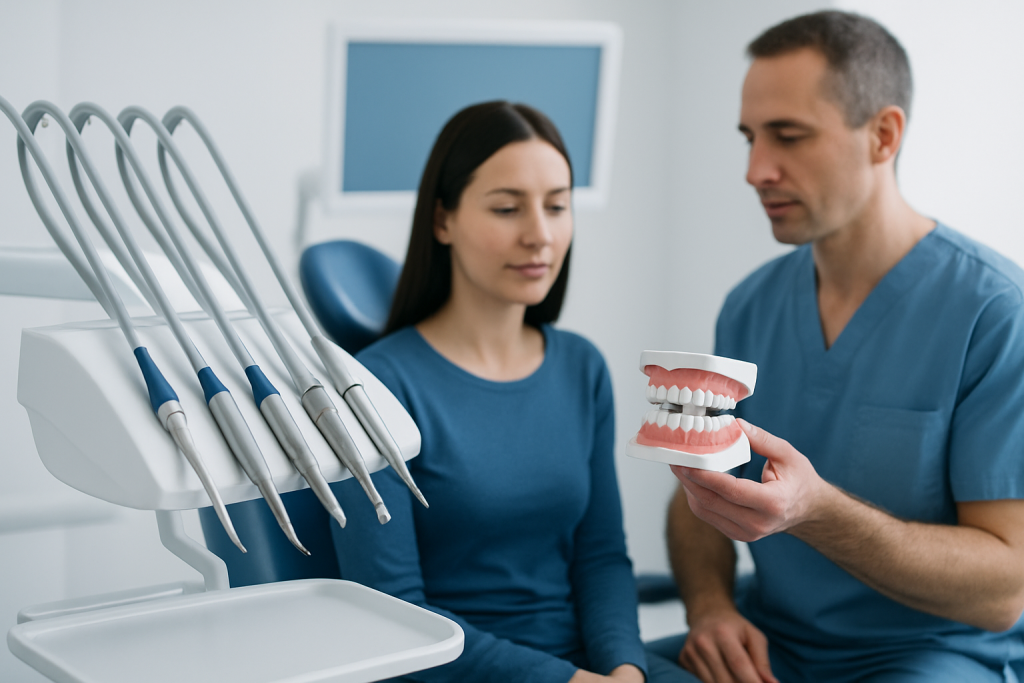
Adults usually have 32 permanent teeth when the wisdom teeth are present: 8 incisors, 4 canines, 8 premolars, and 12 molars. The 12 molars include the four wisdom teeth, which are the third molars at the back of the mouth. Many adults, however, have 28 teeth because one or more wisdom teeth never develop, remain impacted, or are removed.
Children typically have 20 primary teeth, also called baby teeth or deciduous teeth. These are smaller than permanent teeth and serve as placeholders until the adult teeth begin to erupt. The usual primary set includes 8 incisors, 4 canines, and 8 molars; children do not have premolars because those teeth only appear in the permanent dentition.
It is worth remembering that dental charts and clinical exams count teeth by type, position, and condition. A person may have the expected number of teeth but still need care if one tooth is fractured, heavily worn, poorly positioned, or not erupting at the right time. For that reason, the question is not only “how many teeth are you supposed to have,” but also “are the teeth present, healthy, and functioning properly?”
How Teeth Develop From Childhood to Adulthood
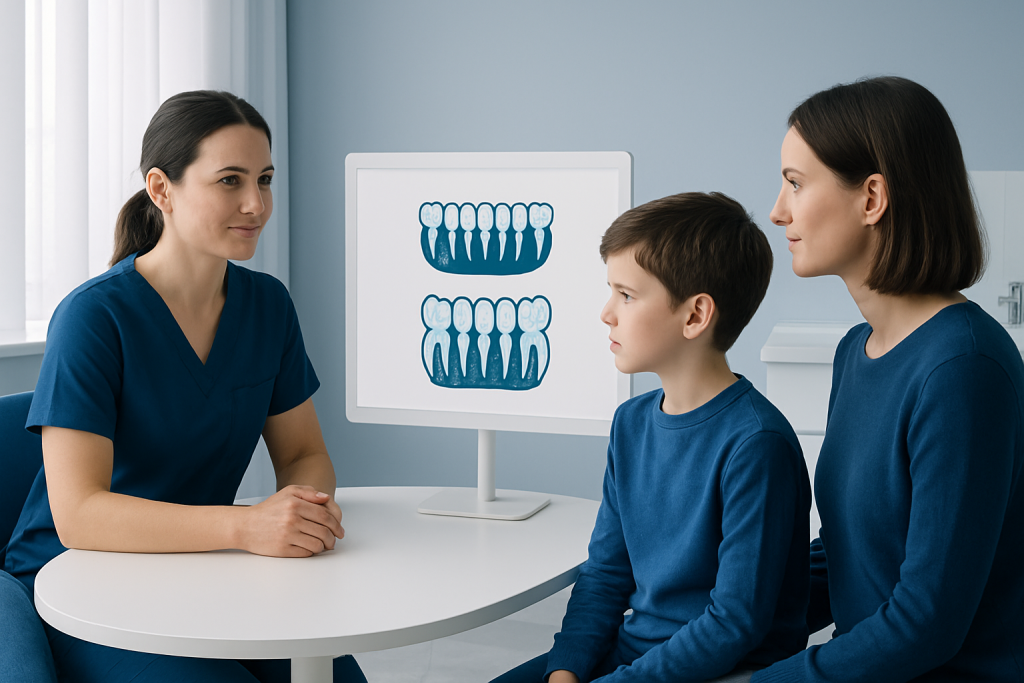
Primary teeth usually begin erupting during infancy, often starting with the lower front teeth. By about age 2 to 3, most children have a full set of 20 primary teeth. These teeth are important for eating, speaking, and holding space for the permanent teeth that will come later.
Permanent teeth generally begin appearing around age 6, though timing varies. The first permanent molars often erupt behind the primary teeth, and the front teeth gradually replace the baby teeth in the years that follow. By the early to mid-teens, most children have most of their permanent teeth, with wisdom teeth usually appearing later in the teen years or early twenties, if they appear at all.
This transition is not always smooth. Some children lose teeth earlier than expected because of injury, decay, or genetic factors, while others keep baby teeth longer than average if permanent teeth are delayed or absent. Dentists monitor this process closely because timing can affect bite alignment, spacing, and jaw development.
Why Tooth Counts Can Differ
Not everyone ends up with the textbook number of teeth. One common reason is that the wisdom teeth never develop, which is completely normal in some families. Another common reason is that a tooth was removed because of decay, severe gum disease, crowding, or trauma.
Some people are born with missing teeth, a condition called hypodontia. Others have extra teeth, known as supernumerary teeth. These differences may be inherited, but they can also appear alongside certain developmental conditions or syndromes. In many cases, the person feels fine and the difference is discovered on an X-ray or routine dental exam.
Other causes of a changed tooth count include impacted teeth that never fully emerge, teeth lost to advanced gum disease, and teeth extracted as part of orthodontic planning. Because the reasons vary so widely, a dentist will usually look at the full picture rather than judging only by the number of visible teeth.
- Missing teeth: may be congenital or due to extraction/loss
- Extra teeth: can crowd nearby teeth or delay eruption
- Impacted teeth: present but trapped in the jaw
- Dental disease: can reduce tooth count over time if untreated
How Dentists Check Tooth Number and Position
A dental exam does more than count visible teeth. The dentist also checks the gums, bite, jaw relationship, tooth wear, spaces between teeth, and whether any teeth are blocked from erupting. If there is concern about missing, extra, or impacted teeth, dental imaging such as X-rays may be recommended.
For children, timing is especially important. If a primary tooth falls out too early or a permanent tooth is delayed, the dentist may want to confirm whether the adult tooth is present and developing normally. In adults, imaging can show hidden wisdom teeth, roots left after extraction, cysts, or other issues that are not obvious during a visual exam.
People seeking care while traveling often appreciate a clear written plan, especially if treatment may need to continue after they return home. A good dental assessment should explain what is normal for the individual, what needs monitoring, and what treatment options are appropriate now versus later.
Treatment Options if the Count Is Not Typical
There is no treatment needed simply because a person does not have the textbook number of teeth. Care depends on why the difference exists and whether it affects function, comfort, or appearance. A dentist may recommend observation, especially if the missing or extra tooth is not causing problems.
If a tooth is missing, treatment options may include orthodontics to close spaces, a bridge, a dental implant, or a removable prosthesis in selected cases. If an extra tooth is causing crowding or preventing another tooth from erupting, removal may be advised. Impacted wisdom teeth may be monitored or extracted depending on symptoms, position, and the risk to nearby structures.
For children, treatment is often conservative and focused on preserving space for the adult teeth. For adults, treatment planning may involve several specialties, such as general dentistry, oral surgery, periodontics, and orthodontics. That multidisciplinary approach is especially useful when care is being coordinated for someone coming from another country and needing follow-up planning before travel home.
Prevention & Self-care
While people cannot change how many teeth they were born with, they can protect the teeth they have. Daily brushing with fluoride toothpaste, flossing or cleaning between teeth, and regular dental checkups remain the foundation of prevention. These habits help lower the risk of tooth loss from cavities and gum disease.
Children benefit from early dental visits because decay in baby teeth can affect eating, speech, and the alignment of permanent teeth. Parents can also watch for delayed eruption, early loss of a baby tooth, or signs that a tooth is coming in at an unusual angle. In adults, any new looseness, shifting, or discomfort should not be ignored, even if the tooth count seems unchanged.
Simple self-care also includes limiting frequent sugary snacks and drinks, using a mouthguard for sports when advised, and seeking prompt care after dental trauma. If someone has had teeth removed or repaired, it is important to follow the dentist’s instructions carefully, especially when treatment was started abroad and follow-up may continue with another clinician at home.
When to See a Doctor
A dentist should be consulted if a child’s teeth are erupting much earlier or later than expected, if a permanent tooth seems to be missing, or if there is visible crowding. Adults should also seek evaluation if they notice a new gap, a tooth that no longer feels stable, or discomfort around a wisdom tooth.
It is also wise to book a dental appointment after facial injury, because a tooth may be cracked, displaced, or damaged below the gumline even when it still looks intact. If a person has repeated tooth loss, gum bleeding, or persistent bad breath, those can be signs of gum disease that need treatment rather than routine cleaning alone.
For patients comparing treatment options internationally, an organized dental assessment can help clarify what is urgent, what can wait, and what can be safely monitored over time. Acibadem Health Point’s multidisciplinary specialists and JCI-accredited hospitals can diagnose and treat dental conditions for international patients, with care plans designed to support continuity after the trip.
Frequently asked questions
01How many teeth are you supposed to have as an adult?
Most adults are supposed to have 32 permanent teeth if all wisdom teeth are present. Many adults have 28 because wisdom teeth never develop or have been removed. Both can be normal depending on the person’s dental history.
02How many teeth do children have?
Children usually have 20 primary teeth. These baby teeth are gradually replaced by permanent teeth starting around age 6. The timing can vary from child to child.
03Is it normal to be missing wisdom teeth?
Yes, it is very common for one or more wisdom teeth not to form at all. Some people also have wisdom teeth removed because they become impacted or cause problems. A dentist can confirm what is happening with an exam and X-rays if needed.
04What if someone has extra teeth?
Extra teeth can happen and are called supernumerary teeth. They may be found by chance or because they cause crowding, delayed eruption, or bite changes. A dentist will decide whether monitoring or treatment is best.
05Do missing teeth always need to be replaced?
Not always. Replacement depends on the reason the tooth is missing, where it was located, and whether the gap affects chewing, speech, bite balance, or appearance. A dentist can explain the options.
06When should parents worry about a child’s tooth count?
Parents should ask a dentist if baby teeth fall out too early, permanent teeth are delayed, or teeth seem to be coming in the wrong place. Early evaluation can help protect spacing and jaw development. It is usually easier to guide eruption early than to correct a larger problem later.
This article is for general information only and is not a substitute for professional medical advice. Please consult a qualified doctor about your individual situation.
Explore treatments in Turkey — costs, top hospitals & a free quote
JCI-accredited · board-certified surgeons · reply within 24h
Add us as a Preferred Source to see more of our trusted health content across Google Search, AI Overviews and Discover.