How Many Bones Does a Newborn Have?

Key Takeaways
- A newborn usually has about 270 bones, while an adult has 206.
- Many baby bones are partly made of cartilage and later fuse together.
- Bone fusion is a normal part of growth and development.
- A soft spot on the head is expected in infancy and protects the growing brain.
- Unusual swelling, pain, deformity, or delayed development should be checked by a doctor.
A newborn typically has about 270 bones, more than an adult, because many bones are still separate and will fuse as the child grows. This normal process helps the body become stronger and more adaptable over time.
Overview
How many bones does a newborn have? The usual answer is about 270 bones, although the exact count can vary slightly depending on how bones are counted at birth. Adults have 206 bones, so the difference reflects normal growth: a baby begins life with many separate bone pieces that later join together.
This is not a sign that anything is missing or extra. In early life, having more flexible bone structures helps with birth, rapid growth, and movement. Over time, many of these smaller pieces fuse into the larger, stronger bones seen in adolescence and adulthood.
For families trying to understand newborn anatomy, the important point is that a baby’s skeleton is still under construction. That ongoing change is expected and supports healthy development.
Why newborns have more bones than adults
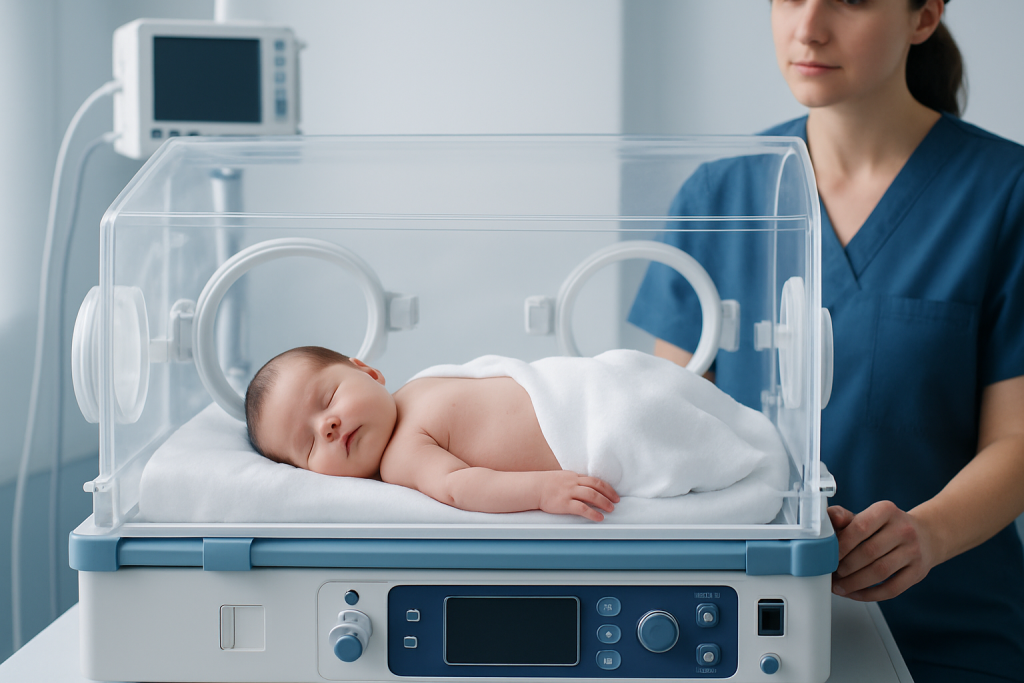
A newborn’s skeleton includes bones that are not fully fused yet. Some are separated by cartilage, a softer tissue that gives the body flexibility. As a child grows, cartilage gradually hardens into bone and nearby bone segments join together.
This design is useful in infancy. It allows the skull to be more flexible during birth, gives growing bones room to expand, and helps the body adapt quickly during the first years of life. What looks like “extra bones” is really a temporary stage in normal human development.
One familiar example is the skull. Instead of being a single solid structure at birth, it contains several plates that are connected by sutures, or flexible joints. These spaces make room for the brain to grow during infancy and early childhood.
What changes as a baby grows
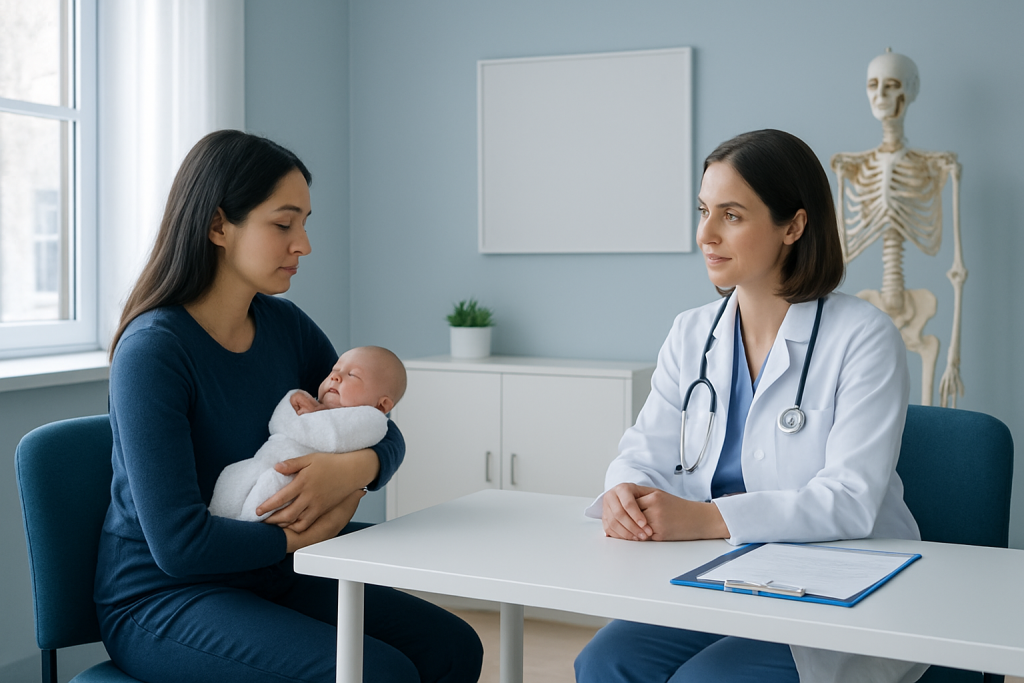
Bone development continues well after birth. Some bones merge in the first few years, while others do not fully fuse until the late teenage years or early adulthood. The pelvis, spine, hands, feet, and skull all follow different timelines.
The process is influenced by growth, hormones, nutrition, and overall health. Calcium, vitamin D, protein, and regular physical movement all support healthy bone formation. Pediatric care visits help clinicians watch whether growth is following the expected pattern.
Families may notice that a child’s body proportions change over time. Limbs lengthen, the head shape becomes less rounded, and the skeleton gradually becomes more rigid and durable. These changes are part of normal maturation, not a problem to correct.
How the skull develops in infancy
The skull is often the part of newborn anatomy that draws the most questions. At birth, it has several bone plates separated by sutures and soft spots called fontanelles. These soft areas are normal and help the brain grow without being constrained by a fully closed skull.
The largest soft spot is usually at the top of the head and often closes during early toddlerhood, though timing can vary. A smaller soft spot at the back of the head typically closes sooner. These areas should be handled gently, but they are protected by strong layers of tissue.
As the skull plates gradually fuse, the head becomes more solid and the sutures become less noticeable. A doctor may monitor this development during routine checkups to make sure growth is progressing normally.
Symptoms and signs that are normal versus concerning
Most differences in newborn bone structure are normal and expected. A baby may have soft spots, slight head molding after birth, or gentle asymmetry that improves over time. These findings often reflect the natural flexibility of the newborn skeleton.
Some signs, however, deserve medical attention. Persistent swelling, obvious deformity, pain when a limb is moved, refusal to use an arm or leg, or a shape that seems to worsen rather than improve should be reviewed by a clinician. In older infants, delayed milestones or repeated fractures may also need evaluation.
- Usually normal: soft spots, mild head flattening after delivery, flexible joints
- Worth checking: marked asymmetry, limited movement, unexplained bruising, unusual bone tenderness
Causes and risk factors for abnormal bone development
Most babies develop normally, but certain conditions can affect how bones form or fuse. These may include inherited skeletal conditions, premature birth, nutritional deficiencies, endocrine disorders, or problems that affect mineral absorption.
Some babies are also born with fractures or bone fragility related to delivery complications or underlying conditions that make bones more delicate. In other cases, an abnormal skull shape may be linked to early fusion of skull sutures, a condition that needs specialist assessment.
Risk factors do not always mean a baby will develop a bone problem. They simply help doctors decide whether closer follow-up, imaging, or laboratory tests are needed.
Diagnosis and treatment options
If a doctor has concerns about bone growth, the evaluation usually begins with a physical examination and a careful review of birth history, family history, and development. The clinician may check head shape, limb movement, growth pattern, and the condition of the soft spots and sutures.
Depending on the findings, imaging such as X-rays, ultrasound, or other scans may be used. Blood tests can sometimes help assess calcium, vitamin D, or other factors related to bone health. The right tests depend on the child’s age and the specific concern.
Treatment is guided by the underlying cause. Many normal variations need no treatment at all. If a condition is present, care may involve observation, nutritional support, bracing, physical therapy, or surgery in selected cases. Families traveling for care should ask for a clear follow-up plan before returning home, including what signs should prompt re-evaluation.
Prevention, self-care, and when to see a doctor
There is no way to change the number of bones a newborn has, and that is not necessary. What families can do is support healthy bone development with good nutrition, regular pediatric visits, and safe handling of the infant’s head and limbs.
During early infancy, gentle support matters. Avoid pressing on soft spots, follow safe sleep guidance, and ensure the baby receives routine checkups and recommended vitamin supplementation if advised by the pediatrician. As children grow, balanced nutrition and active play support strong bones.
Medical advice should be sought promptly if a baby has trouble moving a limb, shows unusual swelling or deformity, has a head shape that seems to change abnormally, or appears to be in pain. If the family is managing care from another country, a clear record of symptoms, photos over time, and previous test results can help the specialist team make decisions more efficiently.
Acibadem Health Point’s multidisciplinary specialists and JCI-accredited hospitals diagnose and treat bone and joint conditions for international patients with coordinated, child-focused care.
Frequently asked questions
01How many bones does a newborn have exactly?
A newborn usually has about 270 bones. The exact number can vary slightly because some bones are still forming and may not be counted the same way in every source.
02Why do babies have more bones than adults?
Babies have many bones that are still separate pieces made partly of cartilage. As the child grows, these pieces fuse together, leaving the adult skeleton with 206 bones.
03Do all newborn bones eventually fuse?
Not all bones fuse, but many do. The timing varies by bone, and some remain separate joints or connected structures throughout life.
04Is a soft spot on a baby’s head normal?
Yes, soft spots are a normal part of newborn skull development. They allow the brain to grow safely and usually close gradually over time.
05When should parents worry about a baby’s bones?
Parents should contact a doctor if a baby has swelling, deformity, pain, limited movement, or an unusual head shape that seems to worsen. Delayed growth or repeated fractures also deserve medical review.
06Can diet affect bone development in babies?
Yes, nutrition matters because bones need calcium, vitamin D, protein, and overall healthy growth support. A pediatrician can advise whether any supplements are appropriate for the child.
This article is for general information only and is not a substitute for professional medical advice. Please consult a qualified doctor about your individual situation.
Joint and spine care in Turkey — expert assessment & treatment
JCI-accredited · board-certified surgeons · reply within 24h
Add us as a Preferred Source to see more of our trusted health content across Google Search, AI Overviews and Discover.