How Long Does Stye Last? Timeline and Relief

Key Takeaways
- Most uncomplicated styes improve within a few days and resolve in roughly one to two weeks, though individual healing varies.
- Warm compresses applied gently and consistently are the most widely recommended home comfort measure.
- Squeezing or popping a stye can worsen inflammation and should be avoided.
- A firm, painless lump that lingers for weeks may be a chalazion rather than an active stye and is worth a professional evaluation.
- Spreading redness, swelling of the whole eyelid or face, fever, or any change in vision are reasons to seek prompt medical care.
- Recurrent styes often relate to eyelid margin inflammation, so ongoing lid hygiene can matter more than any single treatment.
Most styes are short-lived: they typically come to a head and drain on their own within about one to two weeks, and warm compresses usually make that process more comfortable. This guide explains the usual timeline, what normal healing looks like, and the signs that mean it is time to have an eye doctor take a look.
How Long Does a Stye Last? The Short Answer
For most healthy adults and children, the answer to how long does a stye last is reassuringly short: a typical stye becomes noticeable over a day or two, reaches its most tender and swollen point within about two to four days, and then settles as it drains naturally. Many people find the lump has largely disappeared within one to two weeks. A small area of residual firmness or slight puffiness can linger a little longer as the tissue finishes healing.
A stye (medically called a hordeolum) is a localized, tender swelling at the edge of the eyelid or just inside it. It develops when one of the small oil glands or eyelash follicles along the lid margin becomes blocked and inflamed. Because it is a self-limited, localized process in most cases, the body usually resolves it without prescription treatment.
That said, timelines are averages, not promises. Healing speed depends on where the blockage sits, how much inflammation develops, whether the lid margin is chronically irritated, and individual factors such as skin conditions or general health. If a stye is not clearly improving after about a week, or if it is getting worse rather than better, that is a signal to have it looked at rather than to keep waiting.
A Typical Stye Timeline, Day by Day

Knowing the usual pattern helps people judge whether things are on track. While no two styes behave identically, the following sequence is common:
- Days 1–2: A sensation of grittiness, itching, or a sore spot at the lash line. A small red bump becomes visible; the eye may water more than usual and feel sensitive to light.
- Days 2–4: Peak discomfort. The bump enlarges, feels tender to touch, and may develop a small yellow or white point where it is coming to a head. Mild eyelid swelling is normal at this stage.
- Days 4–7: The stye often drains on its own, sometimes releasing a small amount of fluid or pus. Pain usually eases noticeably once this happens.
- Days 7–14: Redness fades and the lump shrinks. A firm, painless nodule may remain for a while as the area finishes settling.
Internal styes — those that form on the inner surface of the eyelid — sometimes take a bit longer to resolve and can feel more uncomfortable, because there is less room for the swelling to expand. They may also be less visible from the outside, which occasionally leads people to underestimate them.
Throughout this period, the eye itself should look normal: the white of the eye should not be deeply red, and vision should be unchanged. A stye is a problem of the eyelid, not of the eyeball. Anything that involves the eye itself deserves professional attention.
What Normal Healing Feels Like — and What It Doesn't

Normal healing generally means the discomfort peaks early and then steadily declines. Tenderness fading, the bump softening or draining, and swelling reducing day by day are all encouraging signs. It is also normal for a stye to leave behind a small painless bump for a few weeks; this is often a chalazion, a sterile, blocked oil gland that remains after the inflammation has quieted down.
What is not typical is a stye that keeps growing after the first week, spreads redness and warmth across the eyelid or onto the cheek, or is accompanied by fever, chills, or feeling generally unwell. Swelling that makes it hard to open the eye, pain with eye movement, double vision, or blurred vision are also outside the ordinary pattern and should prompt same-day medical assessment. These features can suggest that the infection is extending beyond the lid, which needs to be evaluated by a clinician rather than managed at home.
Another pattern worth flagging is the stye that keeps coming back in the same spot, or a lid lump that changes shape, bleeds, distorts the lash line, or causes lash loss. Persistent or unusual eyelid lesions occasionally need a closer look, and an ophthalmologist can distinguish a routine stye from other eyelid conditions during a straightforward examination.
Warm Compresses and Everyday Relief at Home
Warm compresses are the cornerstone of self-care and the measure most often recommended by eye care professionals. Gentle warmth helps soften the thickened oil that is blocking the gland, encouraging natural drainage and easing the pressure that causes soreness. A clean washcloth soaked in comfortably warm — never hot — water, held against the closed eyelid for several minutes at a time and repeated a few times a day, is the usual approach. Reheat the cloth as it cools so the warmth stays consistent.
Several other simple habits help while a stye runs its course:
- Wash hands before and after touching the face, and use a fresh cloth each time.
- Clean the eyelid margin gently with a mild, eye-safe cleanser or a product recommended by a pharmacist or clinician.
- Pause eye makeup and false lashes until the area has fully healed, and discard products used while the stye was active.
- Avoid contact lenses until symptoms settle; wear glasses instead.
- Never squeeze, pop, or pierce a stye — this can push infection deeper and prolong healing.
Over-the-counter pain relief may make the first few days more comfortable for some people, but medication choices should be discussed with a pharmacist or physician, particularly for children or anyone with other health conditions. Antibiotic ointments and drops are not automatically needed for a simple stye; a clinician decides whether they are appropriate based on examination.
Why Some Styes Linger or Keep Returning
When a lid lump outlasts the usual two-week window, the most common explanation is that an acute stye has evolved into a chalazion — a firm, generally painless cyst formed by trapped oil. Chalazia are not infections and often take weeks to months to shrink. Continued warm compresses and lid massage are typically advised first, and if the lump persists or interferes with vision or appearance, an ophthalmologist can discuss options such as a minor in-office procedure.
Repeated styes frequently trace back to chronic inflammation of the eyelid margins, sometimes linked to skin conditions such as rosacea or seborrheic dermatitis, or to meibomian gland dysfunction and dry eye. Uncorrected refractive error, frequent eye rubbing, poorly cleaned makeup brushes, and sleeping in contact lenses can all contribute. Diabetes and other conditions that affect immune response may also play a role in some cases.
Because these underlying drivers are treatable, an eye examination is worthwhile for anyone dealing with a third or fourth stye rather than an isolated one. Addressing the root cause — rather than treating each episode in isolation — is usually what reduces recurrence over time.
When to See a Doctor About a Stye
Self-care is reasonable for a first, mild, clearly localized stye in an otherwise healthy person. Professional evaluation is advisable when the situation falls outside that description. Consider contacting an eye care provider promptly if the lump is not improving after roughly a week of consistent warm compresses, if pain is severe, or if the eyelid swelling is significant enough to close the eye.
Seek urgent care the same day for spreading redness across the lid or face, fever, pain when moving the eye, double or reduced vision, or if the eye itself becomes red and painful. Infants, young children, people with weakened immune systems, and those with diabetes generally benefit from earlier assessment rather than watchful waiting.
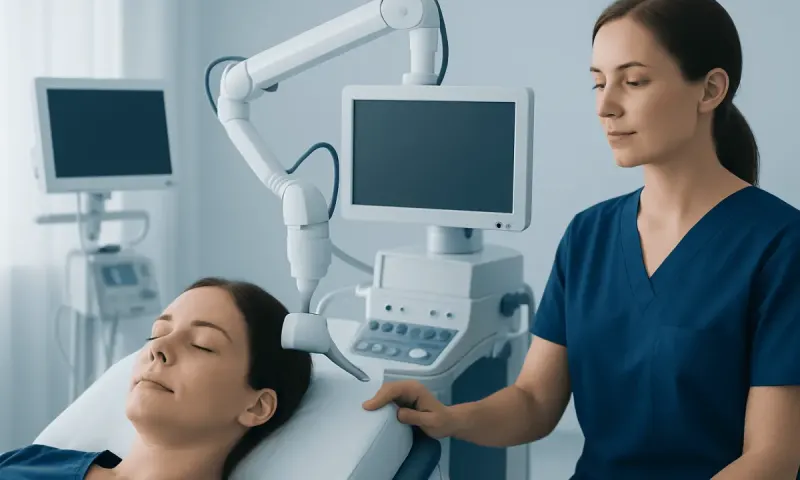
A stye consultation is usually quick and non-invasive: the clinician examines the eyelid, often with a slit lamp, checks the surface of the eye, and reviews history of previous episodes or skin conditions. From there they explain whether continued home care, a topical or oral medication, or a small drainage procedure is the most appropriate next step. Because eyelid lumps have several possible causes, an in-person look is the only reliable way to be sure of the diagnosis.
Planning Care When You Are Away From Home
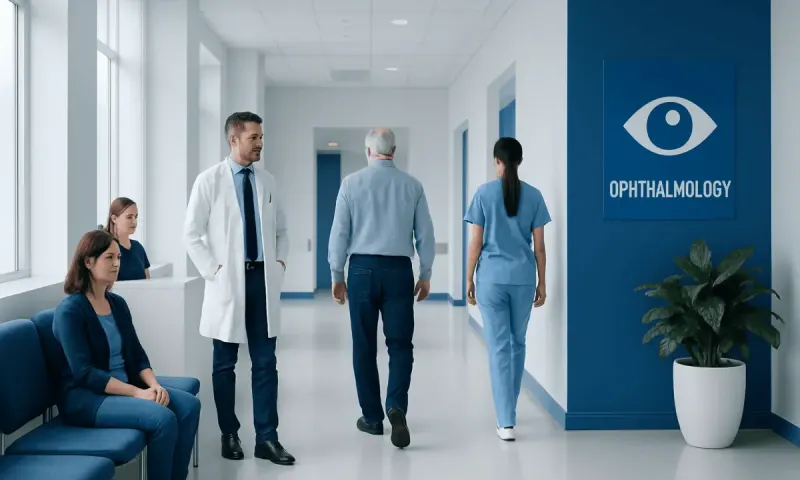
Most styes never require travel or specialist scheduling — they are handled by a local physician or optometrist. But for people who are already abroad, planning a trip, or dealing with a stubborn eyelid lump alongside other eye concerns, a little coordination helps. Booking an appointment in advance, bringing a list of previous episodes and any medications tried, and noting how long the current lump has been present all make the visit more efficient.
A remote second opinion or video consultation can be a practical first step when someone is unsure whether a lingering lid bump needs a procedure. Photographs, prior clinical notes, and a description of the timeline give a specialist enough context to advise on whether an in-person examination should be arranged locally or as part of planned travel. For international patients, that same planning conversation typically covers appointment sequencing, interpreter support, accommodation near the hospital, visa documentation, and indicative cost planning — so the visit is organized rather than improvised.
Acibadem Health Point coordinates this process for patients traveling from abroad, connecting them with ophthalmologists and multidisciplinary specialists across Acıbadem’s JCI-accredited hospitals, and helping arrange consultations, treatment scheduling, and follow-up arrangements for care continued back home. Whatever route a patient takes, the guiding principle is the same: a simple stye usually resolves with patience and warm compresses, and anything that does not follow that pattern deserves a qualified doctor’s assessment.
Aftercare and Reducing the Chance of Another Stye
Once a stye has settled, a short routine of daily lid hygiene often prevents the next one. Warming the lids briefly and cleaning along the lash line helps keep the oil glands flowing, particularly for people prone to blepharitis or dry eye. Many clinicians suggest continuing this routine even when symptoms are gone, in the same way one would continue brushing teeth after a dental problem clears.
Practical habits also matter. Removing eye makeup thoroughly every night, replacing mascara and liners regularly, washing hands before handling contact lenses, following the recommended lens replacement schedule, and avoiding rubbing the eyes all lower the risk. Managing underlying skin conditions with a dermatologist, and keeping general health conditions such as diabetes well controlled, supports eyelid health too.
Finally, keep expectations realistic. Even with excellent hygiene, an occasional stye can still happen — it is a common and usually harmless event. The goal is not to guarantee that one never returns, but to recognize the normal pattern, support healing gently, and know clearly when to hand the situation over to a doctor.
Frequently asked questions
01How long does a stye last if it is left untreated?
Many styes resolve without any specific treatment, typically within one to two weeks, because the blocked gland eventually drains on its own. Warm compresses generally make the process more comfortable and may help it along. If there is no improvement after about a week, an eye care professional should evaluate it.
02Can a stye go away in one or two days?
Very mild styes occasionally settle within a couple of days, especially when warm compresses begin early. More often, the bump takes several days to come to a head before improving. Rapid resolution is a good sign, but the area may stay slightly firm for a while afterward.
03Why does my stye feel worse before it gets better?
Discomfort commonly peaks around days two to four as inflammation builds and the gland becomes more distended. Once the stye drains, the pressure and tenderness usually ease noticeably. Worsening pain or swelling that continues beyond the first week is not part of the typical pattern and should be assessed.
04Is it safe to pop a stye to speed things up?
No. Squeezing or piercing a stye can push inflammatory material deeper into the eyelid, increase pain, and prolong healing. If drainage is needed, a clinician can perform it safely in a controlled setting. Warm compresses are the appropriate way to encourage natural drainage at home.
05What is the difference between a stye and a chalazion?
A stye is an acute, tender, often infected swelling at the lid margin, while a chalazion is a firm, usually painless lump caused by a blocked oil gland without active infection. A stye can turn into a chalazion once the inflammation subsides. Chalazia tend to persist longer and sometimes need a minor procedure.
06Can I wear contact lenses or makeup while I have a stye?
It is generally advised to switch to glasses and pause eye makeup until the stye has fully healed, since both can irritate the lid and carry bacteria. Any makeup used while the stye was active should be discarded. Resume normal use only once symptoms have resolved and, if in doubt, ask an eye care provider.
07When should a stye be treated as an emergency?
Seek same-day medical care if redness and swelling spread across the eyelid or onto the face, if there is fever, pain with eye movement, double vision, or any change in eyesight. These features can indicate infection extending beyond the eyelid. Children, people with diabetes, and those with weakened immunity should be assessed earlier rather than waiting.
This article is for general information only and is not a substitute for professional medical advice. Please consult a qualified doctor about your individual situation.
Hair transplant in Turkey — costs, graft counts & a free assessment
JCI-accredited · board-certified surgeons · reply within 24h
Add us as a Preferred Source to see more of our trusted health content across Google Search, AI Overviews and Discover.