How Long Does it Take for Sperm to Regenerate?

Key Takeaways
- Sperm are produced continuously, not in one single batch.
- A full sperm development cycle usually takes about 2 to 3 months.
- Lifestyle habits, fever, medications, and illness can influence sperm quality.
- One ejaculation does not “empty” sperm supply in a lasting way.
- Persistent fertility concerns or testicular symptoms should be assessed by a doctor.
How long does it take for sperm to regenerate? In most men, new sperm are continually produced, and it takes about 2 to 3 months for a full sperm production cycle to complete. Because sperm quality can be affected by health, lifestyle, and medical conditions, changes do not happen overnight.
Overview
How long does it take for sperm to regenerate? In practical terms, the body is making new sperm all the time, and a full cycle from early sperm cell development to mature sperm usually takes about 2 to 3 months. That means the sperm sample seen today reflects health and habits from recent weeks, not just the last few days.
This timeline is useful for anyone planning fertility testing, trying to conceive, or wondering whether a recent illness, fever, or lifestyle change could have affected results. It also explains why doctors often recommend waiting several weeks before repeating a semen analysis or expecting major improvements after a change in diet or habits.
Sperm regeneration is part of a larger process called spermatogenesis, which happens in the testes and then continues through maturation in the epididymis. Because this process is ongoing, sperm count can recover after temporary setbacks, but the pace depends on the underlying reason for the change.
How sperm are made and renewed

Sperm production begins in the testes, where immature germ cells divide and develop into sperm cells. These cells are then carried into the epididymis, a tightly coiled tube behind the testis, where they continue to mature and gain the ability to move effectively.
The full journey from early cell to mature sperm takes roughly 64 to 74 days, followed by additional time in the epididymis. Because of this, a person cannot “replace” sperm instantly after ejaculation or after making a healthy lifestyle change. The body is always replenishing sperm, but the visible effect is delayed.
It is also important to know that sperm quality and sperm quantity are related but not identical. A man may produce sperm regularly while still having low count, poor movement, or abnormal shape, all of which can affect fertility.
What can affect sperm regeneration time

Many everyday and medical factors can influence how quickly sperm quality seems to improve. Temporary issues, such as a high fever, can alter sperm development for several weeks because the production cycle is long and sensitive to temperature and illness.
Common influences include:
- Recent fever or infection
- Smoking or vaping
- Heavy alcohol use
- Obesity or significant weight changes
- Stress and poor sleep
- Heat exposure, such as hot tubs or prolonged laptop use on the lap
- Certain medicines or hormonal treatments
- Varicocele or other testicular conditions
Age can also play a role. While men may continue to produce sperm later in life, sperm quality can gradually decline, and underlying health conditions become more common with age. For men traveling internationally for fertility evaluation, it helps to bring prior semen analyses, medication lists, and any records of recent illnesses so specialists can interpret changes in context.
Symptoms and signs that sperm quality may be affected
Low sperm count or reduced sperm quality often does not cause obvious symptoms, which is why many people only learn about it during fertility testing. In some cases, a man may notice a change in sexual function or testicular comfort, but these signs are not specific to sperm production problems.
Possible clues include difficulty conceiving after regular unprotected intercourse, a history of repeated semen analysis abnormalities, or physical findings such as a lump, swelling, or a feeling of heaviness in the scrotum. Pain, swelling, or sudden changes should be discussed promptly because they may signal a condition that needs treatment.
It is also helpful to remember that a single semen test does not tell the full story. Doctors often repeat testing because sperm production varies naturally from one sample to another and can be influenced by recent fever, stress, abstinence interval, and collection conditions.
How doctors evaluate sperm production
When a man asks how long does it take for sperm to regenerate, the next question is often whether sperm health is improving as expected. Doctors usually start with a semen analysis, which checks sperm count, movement, shape, volume, and other characteristics of the sample.
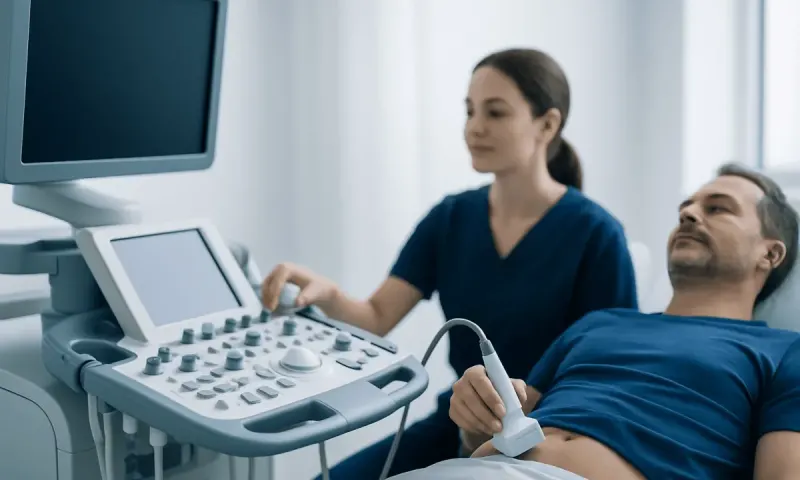
If results are abnormal, the evaluation may continue with a physical examination, hormone testing, ultrasound, or other studies depending on the situation. These tests help identify treatable causes such as varicocele, hormonal imbalance, infection, or obstruction in the reproductive tract.
For men seeking care across borders, records from home country testing can be very valuable. A well-organized review of prior results can reduce duplicate testing and help the specialist decide whether the issue is temporary, needs further workup, or may benefit from fertility treatment planning.
Treatment options and ways sperm health may improve
Treatment depends on the cause rather than on the timeline alone. If a fever, medication, or temporary exposure affected sperm quality, doctors may recommend time and repeat testing after the body has had a chance to complete another production cycle.
When a treatable condition is present, options may include managing infection, correcting hormonal issues, addressing a varicocele, or changing a medicine under medical supervision. In some situations, assisted reproductive techniques such as intrauterine insemination or IVF may be discussed if conception is difficult and time matters.
Healthy habits can also support sperm production, although results are gradual rather than immediate. A balanced weight, regular exercise, enough sleep, smoking cessation, limiting alcohol, and avoiding unnecessary heat exposure are all commonly recommended steps. Men should avoid self-prescribing supplements or hormonal products, since some can do more harm than good.
Prevention and self-care
Because sperm are made over weeks, everyday choices today may influence semen results a few months from now. That is encouraging news for men who want to improve their fertility picture before trying to conceive or before repeating a test.
Helpful self-care measures include:
- Maintaining a healthy weight
- Eating a varied, nutrient-rich diet
- Exercising regularly without overtraining
- Avoiding tobacco and recreational drugs
- Limiting alcohol
- Managing chronic conditions such as diabetes or thyroid disease
- Protecting the scrotal area from repeated heat exposure
If a couple is planning a pregnancy, timing matters. Because sperm quality reflects the previous 2 to 3 months, doctors often suggest making lifestyle changes well before fertility testing or conception attempts. For international patients, planning follow-up ahead of travel can make it easier to repeat tests at the right interval and interpret results accurately.
When to see a doctor
A doctor should be consulted if pregnancy has not occurred after an appropriate period of trying, especially if there is a known history of testicular problems, surgery, infection, or hormonal concerns. Evaluation is also appropriate when semen analysis results are repeatedly abnormal or when there is uncertainty about whether a recent illness could explain a change.
Medical attention is important sooner if there is Common Causes, Related Conditions, and When to See a Doctor" class="ahp-ilk">testicular pain, swelling, a lump, blood in semen, urinary symptoms, or a sudden change in the size or feel of the testicles. These findings do not always indicate a serious problem, but they do deserve assessment.
Acibadem Health Point’s multidisciplinary specialists and JCI-accredited hospitals diagnose and treat male fertility concerns for international patients, with coordinated evaluation and follow-up designed to fit cross-border care needs. A qualified doctor can help determine whether time alone is enough or whether a targeted treatment plan is the better next step.
Frequently asked questions
01How long does it take for sperm to regenerate after ejaculation?
Sperm are produced continuously, so ejaculation does not stop the process. A full cycle of sperm development usually takes about 2 to 3 months, which means new sperm are always being made while older sperm are used or released.
02Can sperm count improve in a few days?
Some small day-to-day variation is normal, but major improvement usually takes longer than a few days. Because sperm develop over weeks, meaningful changes often become clearer after one full production cycle.
03Does a fever affect sperm regeneration?
Yes, a fever can temporarily affect sperm production and quality. Since sperm development is slow, the effect may show up weeks later and can take a few months to settle.
04How long should someone wait before repeating a semen analysis?
Doctors often repeat semen analysis after enough time has passed for a new sperm cycle to develop. In many cases, that means waiting about 2 to 3 months, though the exact timing depends on the reason for the first result.
05Can lifestyle changes really help sperm health?
Yes, but the benefit is usually gradual. Healthy habits such as stopping smoking, improving sleep, managing weight, and reducing heat exposure may support better sperm quality over time.
06When is low sperm count a medical concern?
It becomes a concern when pregnancy is difficult, semen tests stay abnormal, or symptoms such as pain, swelling, or a lump are present. A doctor can check for treatable causes and advise the next steps.
This article is for general information only and is not a substitute for professional medical advice. Please consult a qualified doctor about your individual situation.
IVF & fertility treatment in Turkey — success rates and costs
JCI-accredited · board-certified surgeons · reply within 24h
Add us as a Preferred Source to see more of our trusted health content across Google Search, AI Overviews and Discover.