How Long Does a Hair Transplant Take?
A hair transplant procedure commonly takes 4 to 8 hours, depending on the technique, number of grafts, and treatment area. Initial healing generally takes 1 to 2 weeks, while transplanted hair grows gradually and may need 12 to 18 months to reach its fullest cosmetic result.
How long does a hair transplant take?
How long does a hair transplant take? Most procedures take approximately 4 to 8 hours in a single day. The exact time depends on the number of grafts needed, the size of the area being treated, the hair-restoration method, and whether the procedure is completed in one session or divided across two days.
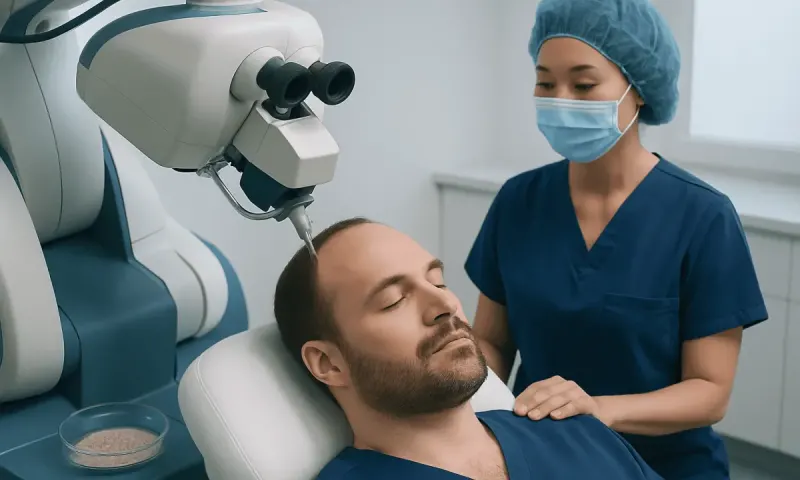
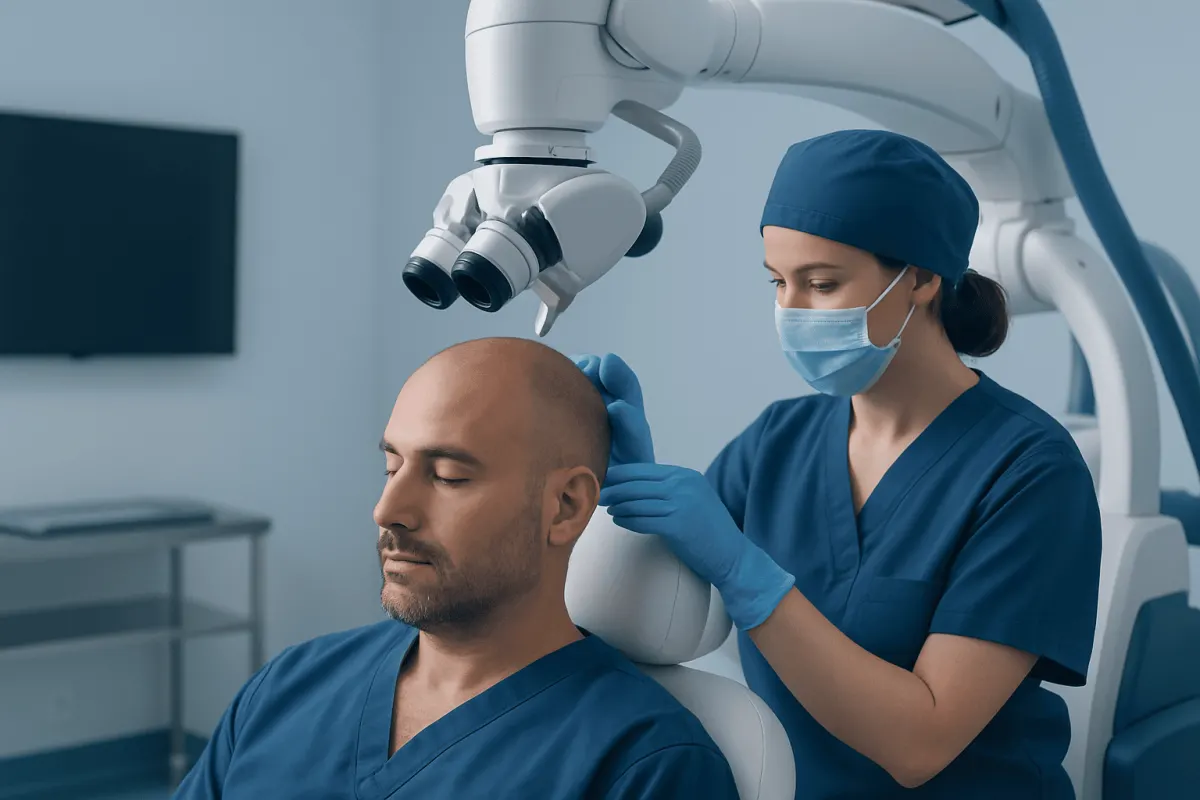
A hair transplant is performed under local anesthetic, meaning the person is awake but the scalp is numbed. The appointment includes preparation, harvesting donor follicles, preparing grafts, making recipient sites, and placing each graft. Careful placement is time-consuming because the surgeon aims to create a natural-looking hairline, direction, and density.
Travel destination alone does not determine procedure length. For example, how long does a hair transplant take in Turkey depends primarily on the planned graft number, clinical technique, and the individual treatment plan. A reputable clinic should allow enough time for consultation, safe surgery, and clear aftercare instructions rather than promising an unusually rapid procedure.
Hair transplantation can be an option for selected people with stable hair loss and sufficient donor hair. Hair transplant treatment planning should include an assessment of the pattern of hair loss, donor-area density, medical history, expectations, and possible need for ongoing treatment to protect existing hair.
Who may be a candidate and how does the procedure work?
A hair transplant moves healthy, genetically more resistant hair follicles from a donor area—usually the back or sides of the scalp—to areas affected by thinning or baldness. It does not create new follicles. The transplanted follicles continue their normal growth cycle after they establish a blood supply in their new location.
Common techniques include follicular unit extraction (FUE), in which individual follicular units are removed, and follicular unit transplantation (FUT), which involves taking a narrow strip of donor scalp and separating it into grafts. The appropriate approach depends on the person’s hair characteristics, donor availability, scalp flexibility, desired hairstyle, and clinical needs.
Suitable candidates often have a well-defined pattern of hair loss, adequate donor density, and realistic expectations. A specialist will also consider whether active scalp disease, poorly controlled medical conditions, certain medicines, scarring, or ongoing rapid hair loss should be addressed before surgery. Pattern hair loss is common, but other causes of thinning may require a different approach.
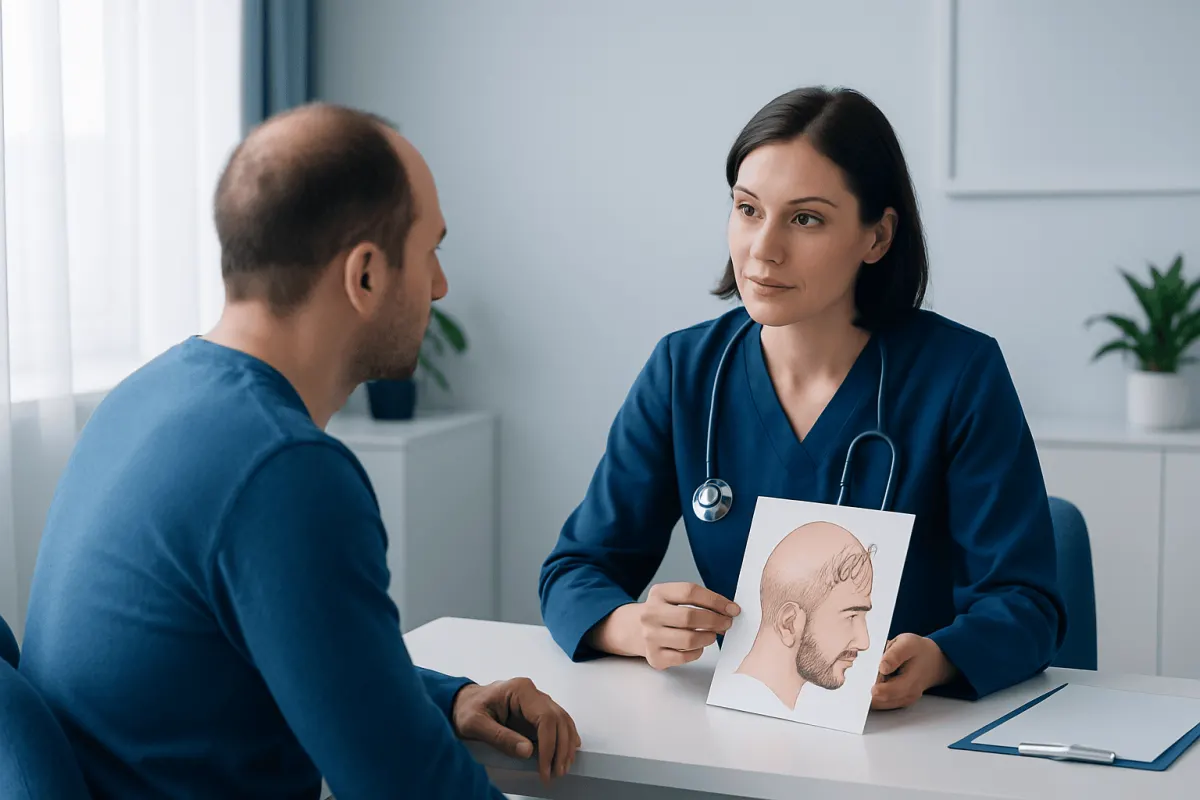
A consultation is especially important for younger adults or anyone with recent, sudden, patchy, or unexplained shedding. In these situations, identifying the cause of hair loss first can help avoid an unsuitable procedure or an unnatural-looking result as future thinning continues.
What happens during a hair transplant procedure?
The day usually starts with a review of the surgical plan and marking of the hairline or treatment area. The scalp is cleaned, and local anesthetic is used in the donor and recipient areas. Some people are offered medication to help them relax, but they should arrange appropriate transport if sedation is used.
Next, the surgical team harvests follicular units from the donor area. With FUE, small individual extraction sites are made. With FUT, a donor strip is removed and the area is closed with stitches or staples. The grafts are examined and kept in suitable conditions while recipient sites are carefully created in the thinning area.
Grafts are then inserted one by one. This is usually the longest part of the procedure. It requires attention to the angle, spacing, and distribution of hairs, particularly at the hairline and temples. Short breaks for food, water, or comfort may be possible during a longer session.
After the procedure, the team provides instructions for washing, sleeping, activity, medications if prescribed, and follow-up. The person can usually return home the same day. The scalp must be protected from rubbing, scratching, and pressure while grafts settle during the early healing period.
How long does a hair transplant take to heal, recover, and look normal?
Most people can return to non-strenuous daily activities within a few days, although recovery is individual. Small crusts around the implanted follicles are common and usually clear within 7 to 14 days when aftercare instructions are followed. This is often the point at which the scalp begins to look more normal to others.
For people asking how long does a hair transplant take to recover, the answer depends on what “recovery” means. Surface healing often occurs within 1 to 2 weeks, but avoiding strenuous exercise, swimming, direct sun exposure, and activities that could disturb the grafts may be advised for longer. The donor area can also need time to settle, especially after FUT surgery.
Mild swelling, tenderness, itching, redness, and temporary numbness may occur. Redness can persist for several weeks in some people, particularly those with lighter skin or sensitive skin. A surgeon can explain what is expected for the selected technique and provide individualized guidance on returning to work, travel, exercise, haircuts, and styling products.
Contact the clinical team promptly if there is worsening pain, increasing swelling, spreading redness, fever, pus-like drainage, significant bleeding, or a concern that grafts have been injured. Early medical advice is the safest way to assess possible infection or another complication.
How long does a hair transplant take to grow and fully grow?
Transplanted hairs commonly shed between 2 and 8 weeks after surgery. This can be concerning, but it is usually a normal part of the cycle: the follicles remain beneath the skin and enter a resting phase before producing new hair. The question of how long does a hair transplant take to grow back therefore has a longer answer than the surgical appointment itself.
Early new growth often becomes noticeable around 3 to 4 months. At first, the hairs may be fine, uneven, or slower-growing than expected. More visible improvement is often seen from 6 months onward, with density and texture continuing to mature over time.
For many people, the result is substantially developed by 9 to 12 months. The crown may take longer than the frontal scalp, and it can take 12 to 18 months to fully grow and mature. Individual results vary according to hair type, blood supply, healing, technique, graft survival, and the extent of pre-existing hair loss.
Follow-up appointments help the clinician monitor healing and growth. In some cases, medical treatments for hair loss may be discussed to support existing, non-transplanted hair. Any medicine should be considered with a qualified doctor, taking account of its possible benefits, side effects, and suitability for the individual.
How painful is a hair transplant procedure?
A hair transplant is generally well tolerated because local anesthetic numbs the scalp before graft harvesting and placement. The anesthetic injections may cause brief stinging or pressure. During the procedure, a person may feel movement, pulling, or occasional pressure, but should not feel sharp pain.
After the numbness wears off, mild soreness or tightness can occur in the donor and recipient areas. This is commonly most noticeable during the first few days and can usually be managed with the aftercare plan provided by the treating clinician. FUT may cause more tightness in the donor area because it involves a linear incision.
Severe or worsening pain is not expected and should be reported to the surgical team. Following instructions about cleaning, sleeping position, activity, and prescribed medicines can improve comfort and help protect the healing scalp.
People with anxiety about procedures should discuss this during consultation. The care team can explain each step, comfort measures, and whether any additional support is appropriate and safe.
Benefits, risks, and long-term expectations
The potential benefit of a hair transplant is lasting growth of transplanted donor hair in areas of thinning. When planned carefully, it can improve hair coverage and create a natural distribution of hair. However, results cannot be guaranteed, and a transplant does not restore the original density of a full, unaffected scalp.
Possible risks include bleeding, infection, swelling, scarring, numbness, inflammation around follicles, poor graft growth, and an unnatural-looking pattern if planning or placement is inadequate. There can also be temporary shock loss, in which nearby existing hairs shed after surgery. Although these hairs may regrow, the outcome varies.
Can you still go bald after a hair transplant? Yes. Transplanted donor hairs are often more resistant to hormonal pattern hair loss, but the person’s existing, non-transplanted hair can continue to thin. This is why a long-term plan may include monitoring and, when appropriate, medical management of ongoing hair loss.
What happens 20 years after a hair transplant? Well-established transplanted follicles can continue growing for many years, but aging and progressive loss of surrounding native hair can change the overall appearance. Some people later consider further treatment, while others use medical therapy, styling changes, or simply accept a more mature hair pattern. A conservative hairline design helps account for future changes.
When to seek medical care and how to plan safely
Seek medical assessment for sudden hair loss, patchy bald spots, scalp scaling, pain, itching, scarring, or shedding that follows illness, major stress, childbirth, nutritional changes, or a new medicine. These signs may have causes that need diagnosis and treatment before hair transplantation is considered.
A person who has had a transplant should seek timely care for signs of infection or impaired healing, including fever, increasing tenderness, expanding redness, foul-smelling drainage, or persistent swelling. They should also contact their surgeon if they accidentally dislodge grafts, have unexpected bleeding, or are unsure about aftercare.
How much do 3,000 hair grafts cost in the USA? Costs vary widely by city, surgical technique, clinic, clinician expertise, hair characteristics, anesthesia arrangements, and what follow-up care is included. Because a graft target alone does not indicate the right treatment plan or quality of care, it is safest to request a written, individualized estimate after a medical consultation rather than relying on a single advertised price.
Acıbadem Health Point’s multidisciplinary specialists and JCI-accredited hospitals can assess hair loss and provide hair transplant care for international patients. A consultation should include transparent discussion of candidacy, procedural limits, recovery, possible risks, and long-term hair-loss management.
Frequently asked questions
01How long does a hair transplant take to do?
A hair transplant commonly takes 4 to 8 hours. Larger procedures, multiple treatment areas, or a high number of grafts may take longer or be planned over more than one day.
02How long does a hair transplant take to look normal?
Crusting commonly improves within 7 to 14 days, and many people feel comfortable returning to public activities after that period. Redness or mild swelling can last longer, depending on the individual, skin type, and procedure used.
03How long does a hair transplant take to fully grow?
New growth often starts around 3 to 4 months after surgery. Most visible development occurs over 6 to 12 months, while full maturation may take 12 to 18 months, particularly in the crown area.
04Is shedding after a hair transplant normal?
Yes. Transplanted hair shafts commonly shed in the first few weeks after the procedure, while the follicles remain in place. New hair usually begins to emerge after the resting phase, although growth timing varies.
05Can a hair transplant fail?
Graft growth can be lower than expected for several reasons, including healing problems, infection, smoking, disruption of grafts, poor donor quality, or ongoing scalp disease. Choosing an appropriately qualified team and following aftercare instructions can help reduce avoidable risks, but no outcome can be guaranteed.
06Will a hair transplant leave scars?
All surgical techniques can leave some scarring. FUE typically leaves tiny scattered scars in the donor area, while FUT leaves a linear scar; how visible these become varies with technique, healing, hair length, and individual skin characteristics.
This article is for general information only and is not a substitute for professional medical advice. Please consult a qualified doctor about your individual situation.
Hair transplant in Turkey — costs, graft counts & a free assessment
JCI-accredited · board-certified surgeons · reply within 24h
Add us as a Preferred Source to see more of our trusted health content across Google Search, AI Overviews and Discover.