How Long Do Periods Last?

Key Takeaways
- A period commonly lasts 2 to 7 days, though normal patterns can vary.
- Cycle length and period length are not the same; both can change over time.
- Stress, hormones, pregnancy, thyroid issues, and some medicines can affect bleeding patterns.
- Heavy bleeding, bleeding between periods, or very painful periods should be discussed with a clinician.
- Tracking cycles can help a doctor identify whether a change is temporary or needs evaluation.
Period length varies from person to person, and a typical period often lasts between 2 and 7 days. Changes in timing, flow, or duration are common, but persistent or sudden changes deserve medical attention.
Overview
For many people, the first question about menstruation is a practical one: how long should it last? In most cases, a period lasts somewhere between 2 and 7 days. That range is broad on purpose, because menstrual patterns differ across ages, bodies, and life stages.
A single period is only one part of the menstrual cycle. The cycle includes the days between periods as well as the bleeding itself, so a person can have a typical cycle length and still notice that the number of bleeding days changes from month to month. Small shifts are often normal, especially during adolescence, after pregnancy, or as menopause approaches.
The useful question is not only “how long does it last?” but also “is this a change from my usual pattern?” A period that becomes much longer, much heavier, or more painful than before may deserve a medical review, particularly if the change continues for more than one cycle.
What a Typical Period Looks Like
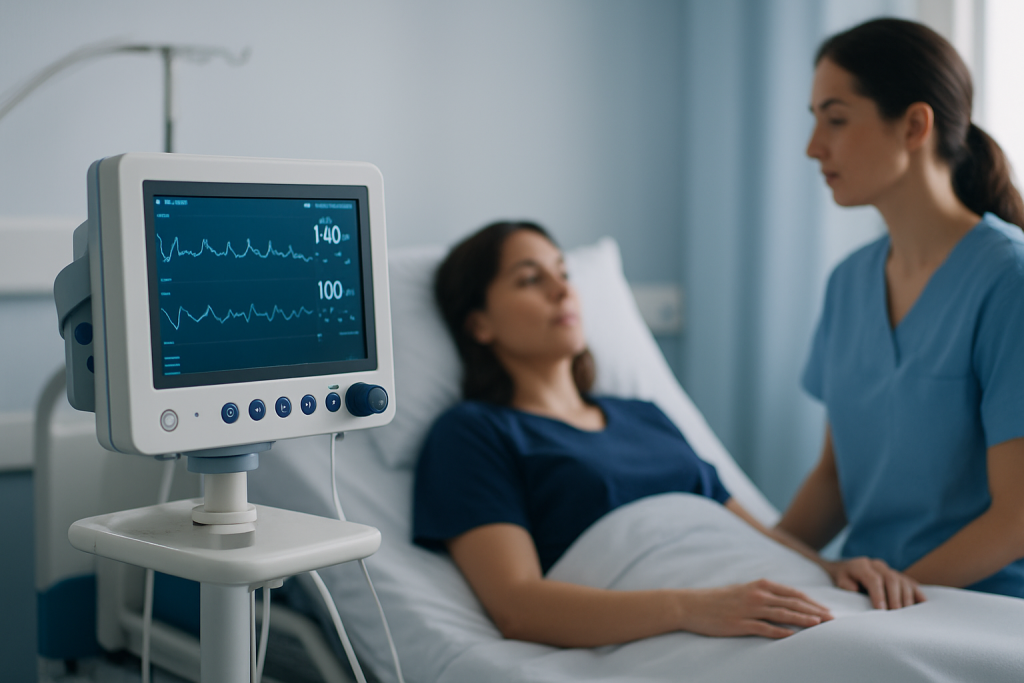
Menstrual bleeding usually begins with lighter spotting or a slower flow and then becomes heavier for a day or two before tapering off. Some people notice a very consistent pattern each month, while others see more variation. Both can be normal if the overall pattern stays predictable and manageable.
In everyday terms, a normal period is often one that does not interfere severely with daily life and does not require changing protection very frequently. It also should not be so light that it is only a brief stain unless that is the person’s usual pattern. The important point is consistency: what matters most is whether the pattern is stable for that individual.
Periods are also influenced by age and stage of life. Early cycles after the first period may be irregular and unpredictable. Later, in the years leading up to menopause, bleeding may become shorter, longer, closer together, or farther apart as hormone levels shift.
Common Reasons Period Length Changes

Many changes in period duration come from normal hormone variation. Stress, travel, changes in sleep, intense exercise, weight loss or gain, and illness can all temporarily affect the menstrual cycle. For someone traveling internationally for work or treatment, time-zone changes and disrupted routines may also make one or two cycles less predictable.
Pregnancy is an important reason to consider whenever a period is late, unusually light, or absent. Other common medical causes include polycystic ovary syndrome (PCOS), thyroid disorders, fibroids, endometriosis, adenomyosis, and hormonal contraception. Some blood thinners and other medicines can also alter bleeding patterns.
It can help to think in two directions at once: first, whether the change could be temporary; and second, whether there is a pattern of symptoms that points to something more persistent. Ongoing changes, especially when paired with pain or heavy bleeding, are more likely to need evaluation than a single unusual month.
- Hormonal shifts during puberty, after childbirth, or before menopause
- Stress, travel, and disrupted sleep
- Pregnancy-related changes
- Conditions such as PCOS, fibroids, endometriosis, or thyroid disease
- Medication effects, including some hormonal methods and blood thinners
How Doctors Evaluate Period Duration
A clinician usually starts with a careful history. That includes the first day of the last period, how many days bleeding usually lasts, how heavy the flow is, whether clots are present, and whether there is pain, dizziness, or bleeding between periods. A cycle diary or app can make this part of the visit much easier and more accurate.
Depending on the situation, the doctor may recommend a physical examination, pregnancy testing, blood tests, or pelvic imaging such as ultrasound. The exact workup depends on age, symptoms, and whether the bleeding pattern suggests a hormonal issue, structural problem, or another cause.
For Myomectomy Recovery for International Patients: The Usual Travel Timeline" class="ahp-ilk">international patients, evaluation may be coordinated across visits so that tests, imaging, and specialist consultation happen efficiently. That can be especially helpful when travel time is limited and a clear plan is needed before returning home. The goal is not just to name a cause, but to decide whether treatment is needed and what follow-up will be safest.
Treatment Options
Treatment depends entirely on the cause. If the change is mild and likely related to stress, illness, or a temporary hormone shift, a doctor may recommend observation and cycle tracking first. If bleeding is heavy, prolonged, or linked to a diagnosed condition, treatment may be more active.
Options may include hormonal treatments to regulate the cycle, non-hormonal medicines for heavy bleeding or cramps, iron treatment if blood loss has led to deficiency, or procedures for structural causes such as fibroids or polyps. People who are trying to conceive may need a different approach from those who want contraception or symptom control, so treatment is individualized.
No single option fits every patient. A safe plan usually balances symptom relief, future fertility goals, other medical conditions, and personal preferences. When care is being arranged from another country, it helps to bring prior records, medication lists, and imaging reports so the treatment plan can be tailored without repeating unnecessary steps.
Prevention & Self-care
Not every change can be prevented, but a few habits can make periods easier to understand and manage. Tracking bleeding days, flow, pain level, and related symptoms gives a clearer picture of what is normal for that individual. Over time, this record can reveal patterns that are easy to miss from memory alone.
General self-care can also help the body stay more stable through the cycle. Regular sleep, balanced meals, hydration, stress management, and moderate exercise are sensible supports. If cramps are present, heat, rest, and simple symptom relief measures may help, but persistent or worsening pain should not be ignored.
If periods are heavy, it is sensible to ask a clinician whether iron intake or testing is appropriate. People who have surgery, fertility treatment, or major travel planned may want to discuss menstrual timing in advance, especially if the period pattern has recently changed.
- Keep a simple period diary or app record
- Note changes in flow, pain, clots, and spotting
- Maintain routines where possible during travel or treatment
- Ask about iron if bleeding is frequent or heavy
When to See a Doctor
Medical advice is sensible when a period becomes suddenly much longer, much heavier, or much more painful than usual. It is also important to seek care for bleeding between periods, after sex, after menopause, or if periods stop unexpectedly and pregnancy is possible. These changes do not always mean something serious, but they do deserve proper assessment.
People should also speak with a doctor if they are soaking through protection frequently, feeling faint, becoming short of breath, or noticing signs that blood loss may be affecting energy. Very irregular cycles, especially when they are accompanied by acne, excess hair growth, weight changes, or fertility concerns, may point to a hormone-related condition that can be treated.
If bleeding patterns are interfering with work, travel, or recovery from another health problem, a specialist review is worthwhile. Acibadem Health Point’s multidisciplinary specialists and JCI-accredited hospitals diagnose and treat menstrual concerns for international patients, with care plans designed around clear communication and follow-up.
Living With Uncertainty About Your Cycle
It is common to feel unsure when a period does not match the usual pattern. The reassuring news is that one changed cycle is often not enough to define a problem. Clinicians look for trends over time, symptom combinations, and the wider health picture before making conclusions.
A practical way to approach it is to observe, record, and review. If a change repeats, becomes more intense, or is accompanied by new symptoms, that information helps the doctor narrow the cause more quickly. For people living abroad or planning treatment away from home, keeping records in one place can make follow-up much smoother.
Understanding what is normal for one body is often more useful than comparing with friends or generic averages. When in doubt, a qualified gynecologist or primary care doctor can help distinguish a normal variation from a pattern that needs treatment.
Frequently asked questions
01How long do periods usually last?
A period commonly lasts between 2 and 7 days. Some people naturally have shorter or longer bleeding patterns, but a lasting change from their usual cycle should be assessed.
02Is a 3-day period normal?
Yes, a 3-day period can be completely normal if it is consistent for that person and not associated with heavy bleeding or significant pain. What matters most is the overall pattern over time.
03Why did my period suddenly get longer?
Temporary hormone changes, stress, travel, illness, pregnancy, or certain medicines can affect period length. If the change continues or comes with heavy bleeding or pain, a doctor should evaluate it.
04What counts as a heavy period?
Heavy bleeding can mean soaking through protection often, passing large clots, or feeling weak or dizzy from blood loss. Because this can affect iron levels and signal an underlying cause, it is worth discussing with a clinician.
05Can stress make periods shorter or longer?
Yes, stress can affect the hormones that regulate the menstrual cycle and may make a period late, shorter, or longer than usual. These changes are often temporary, but repeated irregularity should still be checked.
06When should someone get medical help for irregular periods?
Medical advice is appropriate if bleeding happens between periods, after menopause, after sex, or if periods suddenly change in duration or flow. It is also important if pregnancy is possible or if symptoms are affecting daily life.
This article is for general information only and is not a substitute for professional medical advice. Please consult a qualified doctor about your individual situation.
Explore treatments in Turkey — costs, top hospitals & a free quote
JCI-accredited · board-certified surgeons · reply within 24h
Add us as a Preferred Source to see more of our trusted health content across Google Search, AI Overviews and Discover.