Are Painful Periods a Sign of Good Fertility?

Key Takeaways
- Painful periods do not reliably indicate good fertility or poor fertility.
- Mild period cramps are common, but severe, new, or worsening pain should be evaluated.
- Conditions such as endometriosis, fibroids, and pelvic inflammatory disease can cause period pain and affect fertility.
- A regular cycle does not guarantee fertility, and irregular or painful cycles do not automatically mean infertility.
- Treatment depends on the cause and may include pain relief, hormonal therapy, or fertility-focused care.
Painful periods are not usually a sign of good fertility. Mild cramping can happen in people without fertility problems, but significant or worsening pain may point to conditions that deserve medical attention, especially if pregnancy has not happened after trying for some time.
Overview
When someone asks, “Are painful periods a sign of good fertility?” the most accurate answer is no. Period pain, by itself, does not prove that fertility is strong, and it does not mean pregnancy will be easy. Some people with very painful periods conceive without difficulty, while others with minimal cramps may face fertility challenges for unrelated reasons.
Menstrual pain is common because the uterus contracts to shed its lining. These cramps can range from mild and manageable to disruptive enough to affect school, work, sleep, or travel. The important question is not whether pain is present alone, but whether the pattern is typical for that person and whether there are warning signs of an underlying condition.
For patients deciding where to seek help, this distinction matters. Someone planning fertility care from another country may need a clearer explanation than “pain is normal.” A careful review of symptoms, cycle history, and prior tests helps doctors decide whether the pain is likely primary dysmenorrhea or a clue to a treatable condition that could also affect fertility.
Symptoms: What Normal Cramps and Concerning Pain Can Look Like

Typical menstrual cramps often begin just before or at the start of bleeding and improve over one to three days. The discomfort may be felt in the lower abdomen, back, or thighs. Many people also notice mild nausea, loose stools, fatigue, or a heavy feeling in the pelvis.
Concerning symptoms are different because they tend to be more intense, longer lasting, or linked to other changes. Pain that starts days before bleeding, persists after the period ends, worsens over time, or interferes with daily activities deserves attention. Pain during sex, pain with bowel movements, very heavy bleeding, or spotting between periods can also point to an underlying problem.
In a fertility context, it is especially important to notice whether symptoms have changed over the years. A person who once had mild cramps but now has severe pain, painful ovulation, or increasingly heavy periods may need evaluation for conditions that can affect both comfort and conception.
- Cramping that is predictable and short-lived is more often typical period pain.
- Severe or worsening pain is not something to ignore.
- Fertility concerns become more relevant when pain is paired with irregular cycles, pelvic symptoms, or a history of pelvic infection.
Causes & Risk Factors
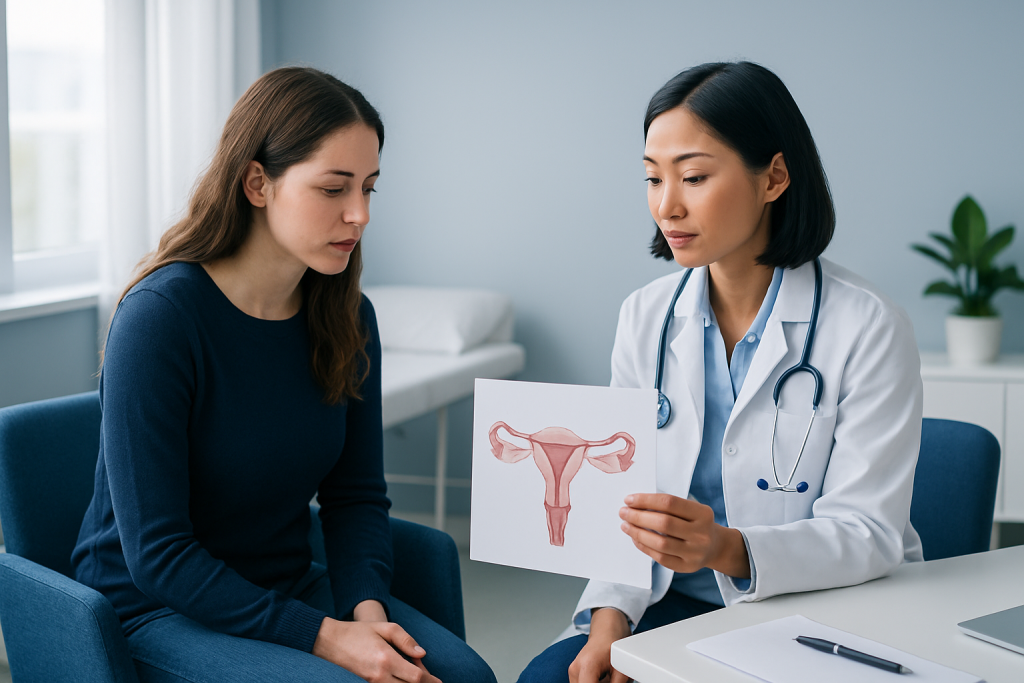
Primary dysmenorrhea is period pain that occurs without another pelvic disorder. It is usually caused by prostaglandins, natural chemicals that make the uterus contract more strongly. This type of pain is common and does not, on its own, indicate fertility status.
Secondary dysmenorrhea is menstrual pain caused by a medical condition. Endometriosis is one of the best-known causes and can affect fertility by creating inflammation, scar tissue, and changes in the pelvic environment. Fibroids, adenomyosis, pelvic inflammatory disease, ovarian cysts, and cervical narrowing can also contribute to painful periods and may influence reproductive health in different ways.
Risk factors depend on the cause. A family history of endometriosis, early onset of periods, very heavy or prolonged bleeding, previous pelvic infection, or a history of pelvic surgery can raise suspicion for a secondary cause. Lifestyle factors do not usually “cause” painful periods, though stress, poor sleep, and lack of exercise can make symptoms feel harder to manage.
Diagnosis
Doctors start by asking when the pain occurs, how strong it is, how long it lasts, and what other symptoms appear with it. They also ask about cycle regularity, bleeding patterns, sexual pain, bowel or bladder symptoms, previous infections, and any attempts at conception. This history is often the key to deciding whether the pain is likely primary or secondary.
A pelvic examination may be recommended, depending on the person’s age, symptoms, and comfort level. Ultrasound is commonly used to look for fibroids, ovarian cysts, or signs that suggest adenomyosis. If endometriosis is suspected, imaging may help but cannot always confirm it; sometimes further specialist evaluation is needed.
When fertility is part of the conversation, doctors may combine menstrual pain assessment with a standard fertility workup. That can include checking ovulation, evaluating the uterus and ovaries, and, when appropriate, assessing the fallopian tubes and semen analysis for a partner. For Myomectomy Recovery for International Patients: The Usual Travel Timeline" class="ahp-ilk">international patients, it is helpful to bring any previous scans, hormone tests, or operative reports so the team can avoid repeating tests unnecessarily.
Treatment Options
Treatment depends on the cause, the severity of pain, and whether pregnancy is desired soon. For primary dysmenorrhea, doctors often recommend anti-inflammatory pain relief, heat, exercise, and cycle-tracking. Hormonal methods, such as certain contraceptive options, may also reduce cramping for people not trying to conceive immediately.
When an underlying condition is found, treatment is tailored to that diagnosis. Endometriosis may be managed with medication, surgery, or both, depending on symptoms and fertility goals. Fibroids might be monitored, treated medically, or removed if they distort the uterine cavity or contribute to infertility. Pelvic inflammatory disease requires prompt treatment, and ovarian cysts may be observed or treated depending on type and size.
For people actively trying to conceive, the strategy is often different from pain control alone. Doctors may focus on preserving ovulation, improving the pelvic environment, or moving sooner to fertility treatment if time is important. The best plan is individual, because suppressing periods may help pain but may not fit every fertility timeline.
Prevention & Self-care
Not every painful period can be prevented, but some habits can make symptoms easier to live with. Tracking cycles, noting pain timing, and recording associated symptoms can reveal patterns that guide treatment. Many patients also find that regular movement, adequate sleep, hydration, and stress-reduction practices make cramps more manageable.
Heat packs, gentle stretching, and rest during peak pain days can be useful. If a doctor has already said a person can safely use over-the-counter pain relief, taking it early in the cycle may work better than waiting until cramps are severe. For those who travel for care, planning around expected symptom days can make appointments and procedures less stressful.
Self-care should not delay evaluation when the pain is changing or fertility is a concern. If periods are increasingly painful, very heavy, or disruptive, the goal is not simply to endure them but to understand what is causing them.
When to See a Doctor
A doctor’s review is a good idea when menstrual pain is severe enough to miss work, school, or normal activities, or when the pain is new, getting worse, or not relieved by usual measures. It is also important to seek assessment if periods are very heavy, cycle lengths change a lot, or pain occurs with sex, bowel movements, or urination.
Anyone trying to become pregnant should mention painful periods early, especially if conception has not occurred after a reasonable period of trying. Painful periods do not automatically mean infertility, but they can be one piece of a larger picture. A timely evaluation can uncover conditions that are treatable and may improve both comfort and reproductive planning.
If care is being considered abroad, a multidisciplinary team can help coordinate gynecology, imaging, and fertility assessment in one pathway. Acibadem Health Point’s multidisciplinary specialists and JCI-accredited hospitals diagnose and treat this condition for international patients, with attention to both symptoms and future family-planning goals.
Living With Period Pain While Protecting Fertility Goals
The most useful mindset is to treat painful periods as a symptom, not a verdict. Some causes are harmless and manageable, while others deserve treatment because they can affect fertility over time. Clear documentation of symptoms, prompt evaluation of red flags, and open discussion about pregnancy plans give doctors a much better starting point.
For many patients, the next step is not a dramatic intervention but a careful sequence: confirm the cause, estimate fertility impact, and choose treatment that fits the timeline. That may mean symptom control now, fertility testing now, or both together. The right path is personal, and it often changes as circumstances change.
Periods should not be a monthly mystery. When pain is understood in context, patients can make calmer decisions about care, whether that means simple symptom relief, specialist evaluation, or a more complete fertility workup.
Frequently asked questions
01Are painful periods a sign of good fertility?
No. Painful periods do not reliably mean fertility is good or bad. Some people with painful periods conceive easily, while others with mild or no cramps may still have fertility problems.
02Can endometriosis cause painful periods and fertility problems?
Yes. Endometriosis commonly causes painful periods, pelvic pain, and pain with sex or bowel movements. It can also affect fertility, which is why persistent symptoms should be evaluated.
03When is period pain considered abnormal?
Pain is more concerning when it is severe, worsening, starts before bleeding, lasts beyond the period, or affects daily life. Pain with heavy bleeding, irregular cycles, or pain during sex also deserves medical review.
04Does having regular periods mean fertility is guaranteed?
No. Regular periods often suggest ovulation may be happening, but they do not guarantee fertility. Other factors, including tubal health, sperm health, and pelvic conditions, still matter.
05What tests might a doctor order for painful periods and fertility concerns?
A doctor may recommend a history review, pelvic examination, ultrasound, and sometimes blood tests or fertility testing. The exact workup depends on symptoms, age, and whether pregnancy is being planned.
06Can period pain be treated without affecting future fertility?
Often, yes, but it depends on the cause and the treatment plan. Some therapies reduce pain without harming fertility, while others are used differently if pregnancy is being pursued soon, so medical guidance is important.
This article is for general information only and is not a substitute for professional medical advice. Please consult a qualified doctor about your individual situation.
Persistent digestive symptoms? Get evaluated in Turkey
JCI-accredited · board-certified surgeons · reply within 24h
Add us as a Preferred Source to see more of our trusted health content across Google Search, AI Overviews and Discover.