How Long Does Nausea in Pregnancy Last?

Key Takeaways
- Pregnancy nausea often starts around week 6 and commonly improves by weeks 12 to 16.
- Symptoms can be milder in some pregnancies and continue longer in others.
- Dehydration, weight loss, or inability to keep fluids down are reasons to contact a doctor.
- Small meals, trigger avoidance, and vitamin B6-based strategies may help many people.
- Severe nausea with vomiting can signal hyperemesis gravidarum and may need treatment.
Nausea in pregnancy usually begins in the first trimester, often improves by the second trimester, and for many people eases by around 12 to 16 weeks. Some pregnancies last longer with symptoms, and persistent or severe nausea deserves medical attention.
Overview
For many people, the answer to how long does nausea in pregnancy last is: it usually begins in the first trimester and often eases by the second trimester, commonly around 12 to 16 weeks. That said, pregnancy symptoms do not follow a single timetable, and some people feel nausea for only a short period while others notice it lasts longer.
Nausea in pregnancy is often called morning sickness, but the name can be misleading. It may happen at any time of day and can range from a mild queasiness to repeated vomiting that interferes with eating, drinking, work, travel, or sleep.
In a Health Point-style international care journey, this is one of the first questions many patients ask while planning prenatal follow-up in another country: Is this normal, how long should it continue, and when should it be checked? The short answer is that typical pregnancy nausea is common and often temporary, but lasting or severe symptoms should be assessed by a qualified clinician.
Typical Timeline and What to Expect
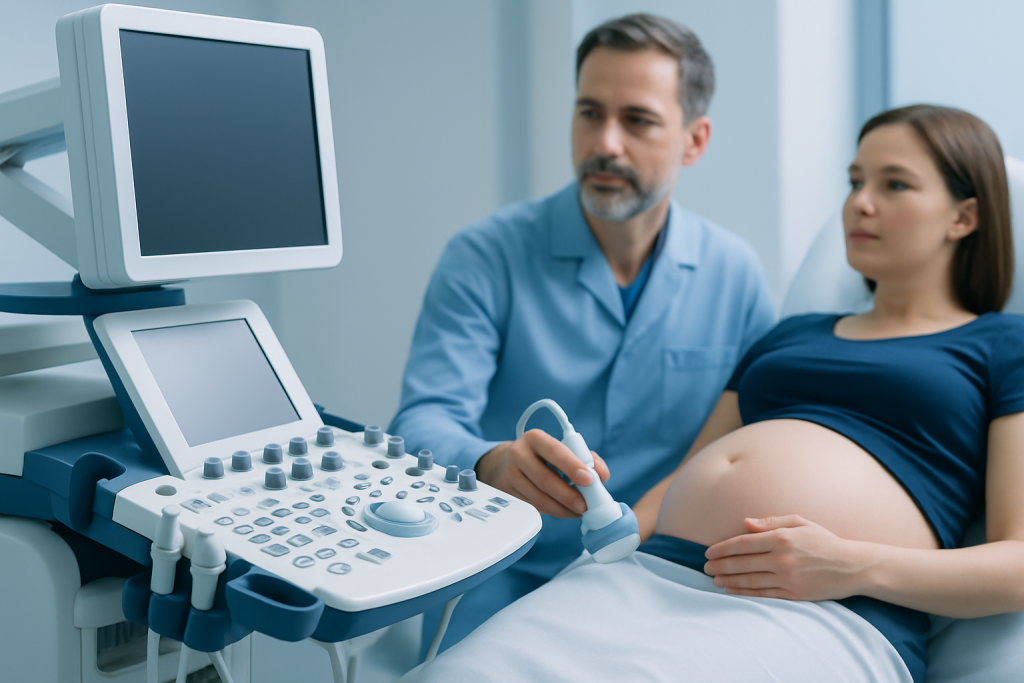
Nausea often starts when pregnancy hormones begin rising, commonly around weeks 4 to 6. For many people, it becomes more noticeable during weeks 7 to 9, then gradually improves as the placenta develops and hormone levels stabilize later in the first trimester.
By the second trimester, many pregnancies bring some relief. Even so, nausea can come and go rather than disappear all at once. A person may feel better for several days, then have an off day after certain foods, travel, fatigue, strong smells, or an empty stomach.
Some people continue to have nausea beyond the first trimester, and a smaller group experience it throughout pregnancy. This does not automatically mean there is a problem, but ongoing symptoms should be discussed with a doctor, especially if they are affecting nutrition or hydration.
- Common start: around 4 to 6 weeks of pregnancy
- Peak period: often around 7 to 9 weeks
- Typical improvement: around 12 to 16 weeks
- Possible longer course: nausea may continue into later pregnancy for some people
Symptoms That Often Travel With Nausea
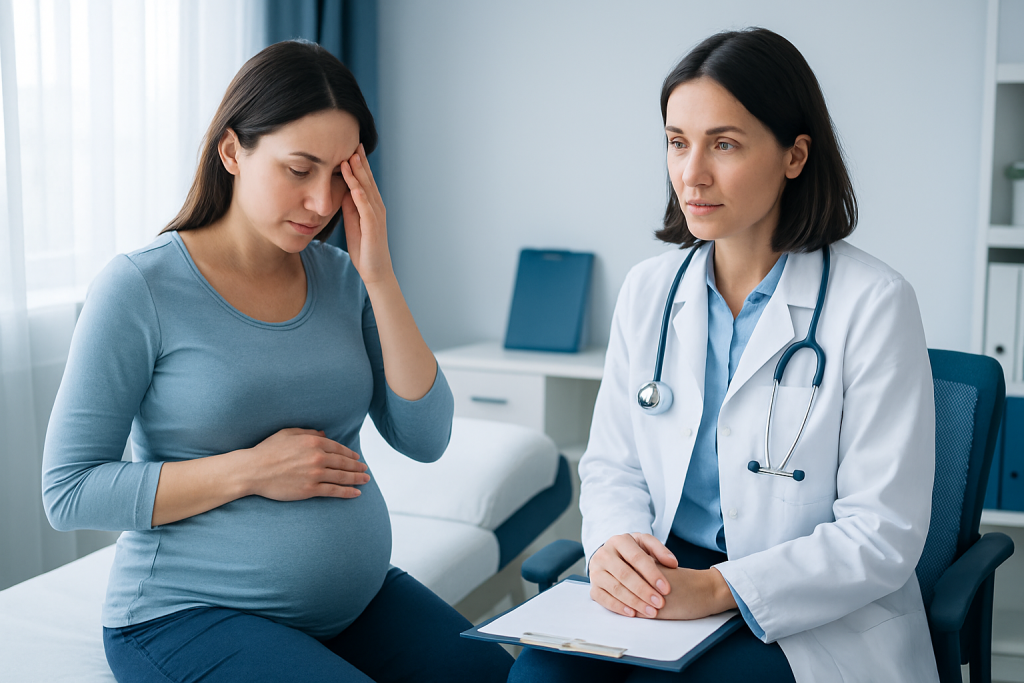
Nausea in pregnancy may appear alone, or it may be accompanied by vomiting, food aversions, heightened sense of smell, or a sensation that certain textures suddenly feel intolerable. Some people can still eat normally in smaller amounts, while others find even water or plain crackers difficult to tolerate.
It is also common for symptoms to fluctuate during the day. Many patients notice an empty stomach makes nausea worse, while others feel more uncomfortable after a long gap between meals, after brushing teeth, or after exposure to warm, strong, or greasy odors.
The practical impact matters as much as the symptom itself. If nausea is making it hard to keep up with daily routines, prenatal vitamins, or fluids, it is worth raising during prenatal care rather than waiting for it to pass on its own.
Causes and Risk Factors
No single cause explains pregnancy nausea. It is thought to be related to normal hormonal changes, especially rising human chorionic gonadotropin (hCG) and estrogen, along with changes in digestion and smell sensitivity. A slower stomach emptying pattern during pregnancy may also contribute.
Some people are more likely to experience stronger nausea. A prior pregnancy with significant nausea, carrying multiples, a history of motion sickness or migraine, and certain genetic or hormonal factors may raise the likelihood. Stress and fatigue do not cause pregnancy nausea on their own, but they can make it feel harder to manage.
In some cases, nausea and vomiting become severe enough to suggest hyperemesis gravidarum, a condition that can lead to dehydration, weight loss, and electrolyte imbalance. This is not the usual form of morning sickness and should be medically assessed.
How Doctors Evaluate It
Most of the time, pregnancy nausea is diagnosed from the history alone. A doctor will ask when symptoms started, how often vomiting occurs, whether fluids and foods stay down, and whether there are warning signs such as dizziness, fainting, or reduced urination.
Physical examination may focus on hydration, weight change, and signs that the body is under stress. If symptoms are unusually severe, prolonged, or atypical, a clinician may order tests to rule out other causes such as infection, thyroid problems, gastrointestinal illness, or complications not directly related to pregnancy.
For patients receiving care across borders, bringing a simple symptom log can make evaluation much easier. Notes about timing, triggers, weight changes, and what has or has not helped can be especially useful when coordinating care with a new obstetric team.
Treatment Options
Treatment depends on severity. Mild nausea is often managed with practical measures such as frequent small meals, bland foods, and avoiding an empty stomach. Some people also benefit from ginger, vitamin B6-based approaches, or clinician-recommended anti-nausea medications when symptoms are more disruptive.
When vomiting is frequent, the focus shifts to preventing dehydration and supporting nutrition. A doctor may recommend oral fluids in small amounts, electrolyte-containing drinks, antiemetic medicine, or, in more serious cases, intravenous fluids and closer monitoring. Medication choices in pregnancy should always be guided by a clinician familiar with obstetric safety.
Many people improve when care is personalized to the pattern of their symptoms. For example, a person who cannot tolerate morning meals may do better with a dry snack before getting out of bed, while someone sensitive to smells may need environmental changes and meal planning rather than medication alone.
- Eat small, frequent meals rather than large portions
- Keep simple snacks nearby, especially before hunger becomes intense
- Stay hydrated with small, regular sips
- Discuss prenatal vitamin timing if it worsens symptoms
- Ask a clinician before taking any remedy or supplement
Prevention and Self-Care
Pregnancy nausea cannot always be prevented, but it can often be made more manageable. Many people find it helpful to identify and avoid specific triggers such as strong odors, greasy foods, hot kitchens, or long stretches without eating.
Simple habits can help the body stay steadier through the day. Rest, fresh air, slow changes in position, and a predictable snack routine may reduce symptom spikes. Some patients also feel better when prenatal vitamins are taken at a different time of day, with food, or after discussing another formulation with their doctor.
Self-care should be gentle, not forced. The aim is to maintain hydration, preserve energy, and protect nutrition while symptoms are active. If home strategies are no longer enough, medical treatment can help without meaning the pregnancy is abnormal.
When to See a Doctor
A doctor should be contacted if nausea or vomiting is persistent, worsening, or preventing normal eating and drinking. Medical review is especially important if there is inability to keep liquids down, signs of dehydration, fainting, dark urine, or weight loss.
Immediate advice is also appropriate if vomiting is accompanied by abdominal pain, fever, blood in vomit, severe headache, confusion, or vaginal bleeding. These symptoms may point to something beyond routine pregnancy nausea and need evaluation.
Even when symptoms seem typical, it is reasonable to ask for help if they are affecting quality of life. Early support can reduce complications and make prenatal care easier to continue, especially for patients balancing pregnancy with work, travel, or time away from home. At Acibadem Health Point, multidisciplinary specialists and JCI-accredited hospitals diagnose and treat this condition for Myomectomy Recovery for International Patients: The Usual Travel Timeline" class="ahp-ilk">international patients who need coordinated care.
Frequently asked questions
01How long does nausea in pregnancy usually last?
For many people, nausea starts in the first trimester and improves by 12 to 16 weeks. Some pregnancies have symptoms for a shorter time, while others continue longer into pregnancy.
02Is it normal to have nausea all day in pregnancy?
Yes, nausea can happen at any time of day, even though it is often called morning sickness. The timing alone does not make it abnormal.
03When does pregnancy nausea become a concern?
It becomes more concerning if a person cannot keep fluids down, is losing weight, feels faint, or shows signs of dehydration. Severe vomiting may need treatment to protect maternal health.
04Can nausea in pregnancy happen without vomiting?
Yes, some people feel constant queasiness without vomiting. Others vomit occasionally but still have manageable nausea between episodes.
05What helps pregnancy nausea at home?
Small frequent meals, avoiding triggers, resting, and sipping fluids often help. Some people also benefit from ginger or vitamin B6-based approaches after checking with a clinician.
06Does nausea mean the pregnancy is healthy?
Not necessarily. Nausea is common in normal pregnancies, but its presence or absence cannot by itself confirm how a pregnancy is progressing.
This article is for general information only and is not a substitute for professional medical advice. Please consult a qualified doctor about your individual situation.
Persistent digestive symptoms? Get evaluated in Turkey
JCI-accredited · board-certified surgeons · reply within 24h
Add us as a Preferred Source to see more of our trusted health content across Google Search, AI Overviews and Discover.