HIV Urine Symptoms: Causes Beyond HIV Infection
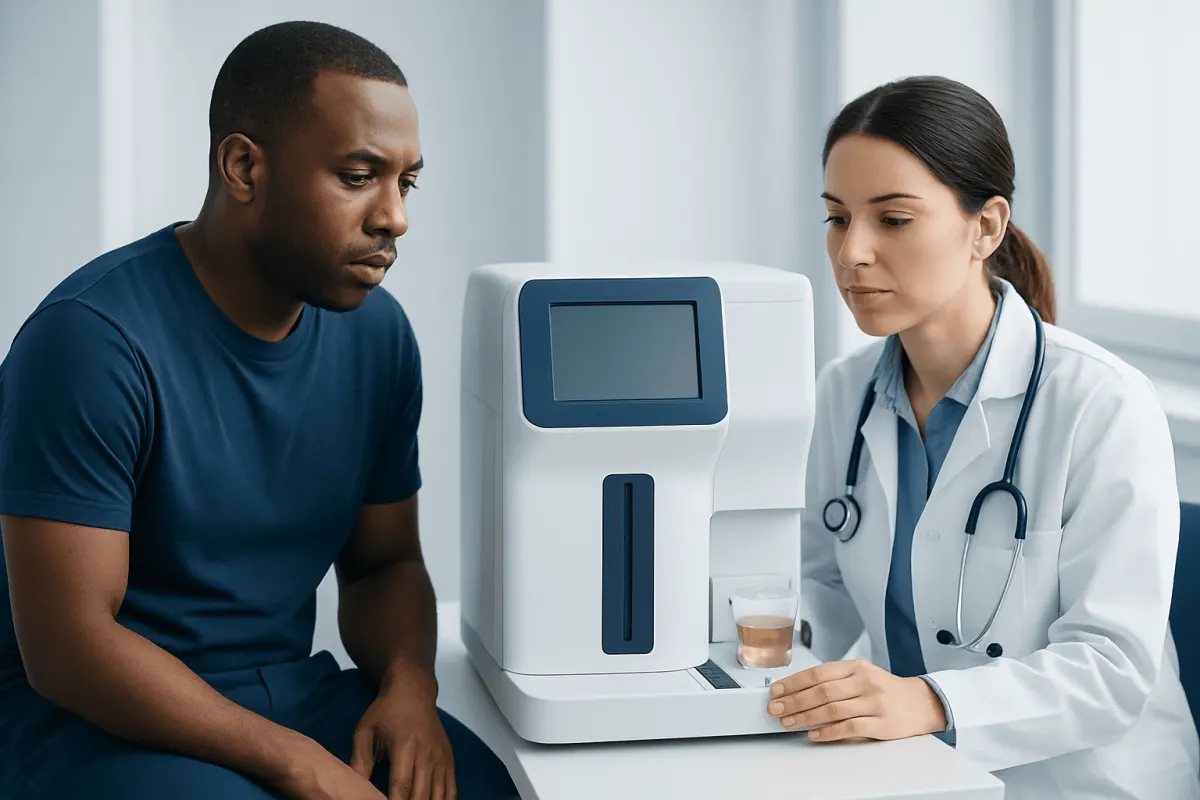
HIV does not usually cause distinctive urine symptoms on its own. Painful urination, changes in urine color or frequency, and blood in the urine are more often related to urinary tract infections, sexually transmitted infections, medications, dehydration, or kidney conditions, although HIV can increase vulnerability to some of these problems.
What HIV urine symptoms can mean
HIV urine symptoms are not typically a direct early sign of HIV infection. HIV may cause flu-like symptoms in some people soon after transmission, while many others have no noticeable symptoms for a long time. Changes in urination should therefore not be used to judge whether someone has HIV; testing is the only reliable way to diagnose it.
When urinary symptoms occur in a person with HIV, they may result from a common condition that can affect anyone, such as dehydration, a urinary tract infection (UTI), kidney stones, or a sexually transmitted infection (STI). In some circumstances, HIV itself, HIV-related immune suppression, associated infections, or medicines can affect the kidneys and urinary tract.
A timely clinical assessment can identify the cause and guide treatment. This is especially important for a person known to have HIV, a person who may have had a recent exposure, or anyone with symptoms that are severe, persistent, or accompanied by fever or pain.
Urinary changes that deserve attention
Urinary symptoms vary widely, and one symptom alone rarely identifies the cause. Burning or stinging while passing urine, needing to urinate more often, sudden urgency, lower abdominal discomfort, cloudy urine, or strong-smelling urine can occur with a UTI. These symptoms can also occur with irritation, dehydration, or an STI.
Discharge from the penis or vagina, genital itching, sores, rash, pain during sex, pelvic pain, or testicular pain make an STI more likely. Chlamydia and gonorrhea, for example, may cause painful urination and can be present at the same time as HIV or increase the chance of acquiring HIV during unprotected sexual contact. Some STIs cause few or no symptoms, so screening may be appropriate after a possible exposure.
Changes in color can be meaningful but are not always serious. Dark yellow urine commonly reflects concentrated urine from not drinking enough fluids. Pink or red urine may indicate blood, although some foods and medicines can also change urine color. Brown or tea-colored urine, visible blood, persistent foaminess, reduced urine output, or swelling around the feet and ankles should be assessed because they can sometimes suggest a kidney or liver problem.
- Burning, urgency, or frequency may suggest infection or irritation.
- Discharge or genital sores may suggest an STI.
- Flank or back pain with fever may suggest a kidney infection.
- Blood, persistent foam, swelling, or less urine may indicate a kidney concern.
How HIV can be related to urinary and kidney problems

HIV can affect health in ways that make urinary symptoms more likely, but this does not mean every urinary complaint is HIV-related. If HIV is untreated or immune function is significantly weakened, the body may be more susceptible to infections involving the bladder, kidneys, prostate, or genital tract. Some infections may be more severe or recur more often.
HIV may also be associated with kidney disease. HIV-associated nephropathy is one form of kidney injury that can occur in some people with HIV, although it is less common where effective antiretroviral therapy is available. Protein in the urine, swelling, high blood pressure, or changes in kidney blood tests may be present, sometimes before a person notices urinary symptoms.
Other conditions that are more common in the general population can also affect kidney health, including diabetes, high blood pressure, hepatitis infections, kidney stones, and aging. Certain medicines, including some treatments used for HIV or for other medical conditions, may require kidney monitoring. A clinician can review medicines and arrange appropriate blood and urine tests rather than advising a person to stop prescribed treatment independently.
Possible causes besides HIV
A UTI is a frequent explanation for burning urination and urgency. It occurs when bacteria infect the bladder or, less commonly, the kidneys. UTIs can affect people of any sex, although symptoms and contributing factors differ. Fever, chills, nausea, vomiting, or pain in the side or back can indicate that infection may involve the kidneys and requires prompt medical review.
STIs are another important consideration, particularly after new or unprotected sexual contact. Gonorrhea, chlamydia, trichomoniasis, genital herpes, and other infections can cause painful urination, discharge, genital irritation, or sores. Because symptoms overlap, testing rather than self-diagnosis is important. HIV testing is often offered alongside STI testing when clinically appropriate.
Less common causes include kidney stones, inflammation of the prostate, vaginal dryness or irritation, bladder conditions, trauma, and cancers of the urinary tract. These are not diagnosed based on symptoms alone. Blood in urine, recurrent urinary symptoms, unexplained weight loss, or symptoms that do not improve should be investigated by a qualified healthcare professional.
Assessment, HIV testing, and diagnosis
A healthcare professional will usually begin by asking about the urinary symptoms, their timing, fluid intake, sexual history, past infections, medicines, and medical conditions. These questions are routine and confidential, and accurate answers help select the most useful tests. Examination may include assessment of the abdomen, back, genitals, blood pressure, and signs of dehydration or swelling.
A urinalysis can look for blood, protein, white blood cells, glucose, and other markers. A urine culture may identify bacteria and help guide antibiotic choice. Blood tests can assess kidney function and inflammation. STI tests may involve urine, blood, swabs, or a combination depending on the type of exposure and symptoms.
HIV testing may be recommended after a possible exposure, when another STI is diagnosed, or when a person has not been tested recently. Modern HIV tests are accurate, but the right test and timing depend on when exposure occurred. If the exposure was recent, a clinician may explain the testing window period and whether repeat testing is needed. For concerns about HIV and related infections, HIV and AIDS information can help patients understand testing and ongoing care.
Treatment and practical self-care
Treatment depends entirely on the cause. A bacterial UTI may require antibiotics after clinical evaluation, while an STI needs the specific recommended treatment and, in many cases, testing and treatment of sexual partners. It is important not to use leftover antibiotics or someone else’s medication, as this can delay correct diagnosis and contribute to antibiotic resistance.
For people living with HIV, consistent antiretroviral therapy protects immune health and lowers the risk of many HIV-related complications. Kidney function and urine protein may be monitored as part of routine care when indicated. A clinician may adjust treatment if kidney function changes, but prescribed HIV medicines should never be stopped without medical guidance.
While waiting for assessment, drinking fluids regularly can help if dehydration is likely and there is no clinician-advised fluid restriction. Avoiding alcohol or substances that may worsen dehydration, and avoiding sexual contact until an STI has been assessed when symptoms suggest one, may also be sensible. Simple measures can ease discomfort, but they should not replace evaluation when symptoms persist or worsen.
When to seek medical care
Medical advice should be arranged soon for burning urination that lasts more than a day or two, recurrent urinary symptoms, unusual discharge, genital sores, new pelvic or testicular pain, or any concern about a possible HIV or STI exposure. Early testing can provide clarity and allows treatment to begin promptly if needed.
Urgent same-day assessment is appropriate for fever with back or side pain, vomiting, severe lower abdominal pain, visible blood in urine, inability to pass urine, marked reduction in urine output, confusion, or severe weakness. These symptoms can be associated with a kidney infection, obstruction, significant dehydration, or another condition requiring prompt care.
People already diagnosed with HIV should contact their HIV clinician or primary care professional if they develop new urinary changes, swelling, or changes in their usual health. Acıbadem Health Point’s multidisciplinary specialists and JCI-accredited hospitals support international patients with assessment and treatment for HIV-related and urinary health concerns.
Frequently asked questions
01Is frequent urination a symptom of HIV?
Frequent urination is not a typical or specific symptom of HIV. It is more commonly linked to fluid intake, a UTI, diabetes, bladder irritation, pregnancy, or certain medicines. If it is new, persistent, or accompanied by pain, fever, thirst, or weight changes, medical assessment is advisable.
02Can HIV cause burning when urinating?
HIV itself does not usually directly cause burning urination. Burning is more often caused by a UTI, an STI, local irritation, or inflammation. Because STIs and HIV can occur together, testing for both may be recommended depending on symptoms and exposure history.
03Does foamy urine mean HIV kidney disease?
Foamy urine can occur temporarily from a fast urine stream or concentrated urine, but persistent foaminess may reflect protein in the urine. Protein can be associated with kidney disease from various causes, including but not limited to HIV. A urine test and kidney blood tests can clarify whether there is a concern.
04What urine color is associated with HIV?
There is no urine color that specifically indicates HIV. Dark yellow urine is often caused by dehydration, while red, pink, brown, or tea-colored urine can have several possible explanations. Persistent or unexplained color changes should be discussed with a healthcare professional.
05Should a person with UTI symptoms have an HIV test?
A UTI does not automatically mean a person has HIV. However, an HIV test may be appropriate if there has been a possible exposure, another STI is suspected or diagnosed, or routine testing is due. A clinician can recommend confidential testing based on individual circumstances.
06Can HIV medicines affect the kidneys?
Some medicines may affect kidney function in certain people, while effective HIV treatment also helps prevent HIV-related health complications. Clinicians may monitor kidney blood tests and urine tests before and during treatment when appropriate. Anyone concerned about side effects should seek medical advice rather than stopping medication independently.
This article is for general information only and is not a substitute for professional medical advice. Please consult a qualified doctor about your individual situation.
Explore treatments in Turkey — costs, top hospitals & a free quote
JCI-accredited · board-certified surgeons · reply within 24h
Add us as a Preferred Source to see more of our trusted health content across Google Search, AI Overviews and Discover.