Hirsutism: Causes, Symptoms and Treatment

Key Takeaways
- Hirsutism is usually a symptom, not a disease, so treatment focuses on both hair reduction and the cause behind it.
- Hormonal conditions such as polycystic ovary syndrome are common causes, but other endocrine problems may also be involved.
- Effective care often combines medication, cosmetic hair removal, and time, because visible improvement is usually gradual.
- A clinician may order blood tests or imaging to check for androgen excess or other hormone-related conditions.
- Self-care choices, such as weight management when appropriate and gentle skin care, can support treatment and comfort.
Hirsutism is the growth of coarse, dark hair in patterns more typical of male hair growth, often linked to hormone imbalance. While there is no single universal “cure,” many people can reduce hair growth and manage the underlying cause with the right medical plan and hair-removal methods.
Overview
Hirsutism refers to coarse, dark hair growth in areas where many women normally have little or no terminal hair, such as the upper lip, chin, chest, lower abdomen, or back. It is a visible sign that deserves a proper medical look because it may reflect higher-than-usual androgen activity, increased sensitivity of hair follicles, or both.
People often search for “cures” because the change can feel frustrating, personal, and difficult to hide. In practice, the most successful approach is usually not one single fix but a combination of treatments that calm the hormone signal, reduce hair growth over time, and help manage hair already present.
For Myomectomy Recovery for International Patients: The Usual Travel Timeline" class="ahp-ilk">international patients, this often means starting with a careful assessment before travel, bringing prior lab results if available, and planning follow-up that can continue after returning home. Hirsutism is very treatable, but the best plan depends on the cause.
Symptoms
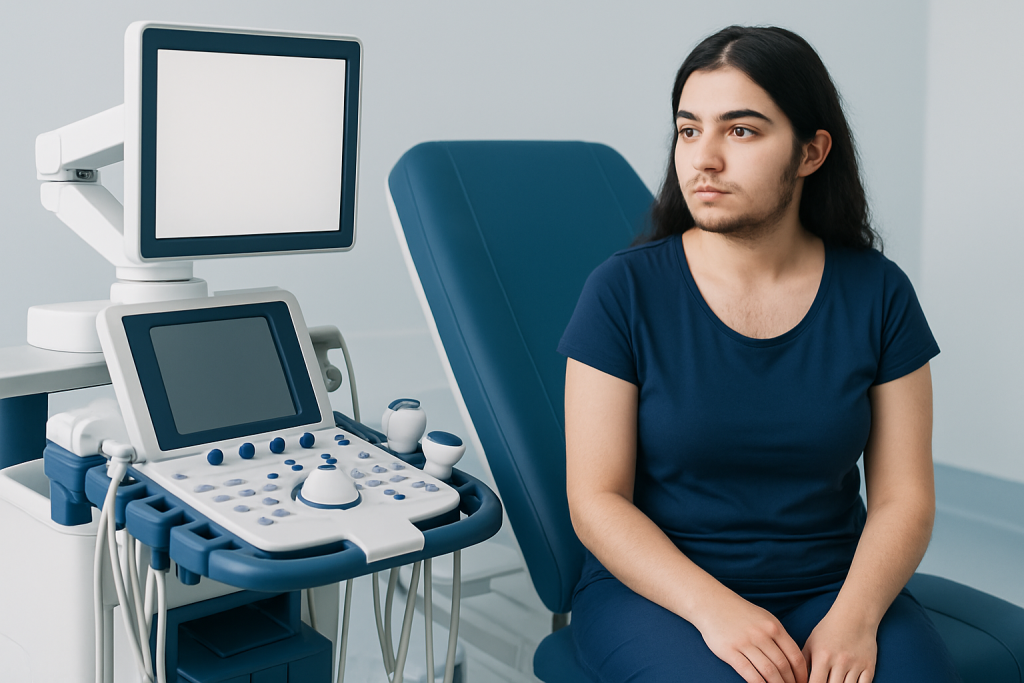
The main feature is terminal hair growth in a male-pattern distribution. This may show up gradually and become more noticeable over months or years rather than overnight. Some people first see a few coarse hairs on the chin, while others notice broader changes on the chest, abdomen, or back.
Hirsutism can also appear alongside other signs of hormonal imbalance. These may include irregular periods, acne, scalp hair thinning, weight changes, or difficulty ovulating. When hirsutism develops together with a deeper voice, rapid muscle changes, or very quick progression, medical assessment becomes especially important.
It is helpful to distinguish hirsutism from generalized hair increase or temporary hair changes caused by medications, genetics, or ethnic background. A clinician can usually tell whether the pattern fits hirsutism and whether the hair growth seems mild, moderate, or severe enough to justify a broader workup.
Causes & Risk Factors

Most hirsutism is related to higher androgen activity. In many women, the most common underlying condition is polycystic ovary syndrome (PCOS), which can affect ovulation, menstrual regularity, insulin balance, and hair growth. Other endocrine conditions, such as adrenal disorders or rarer hormone-producing tumors, may also be considered depending on the pattern and speed of symptoms.
Some medications can contribute to excess hair growth, including certain steroids, some anti-seizure medicines, and other drugs that influence hormone pathways. Family history also matters, because hair follicle sensitivity can run in families and vary across ethnic groups, making some people more likely to notice visible hair growth even when hormone tests are not dramatically abnormal.
Risk can be higher when hirsutism appears with irregular cycles, infertility, central weight gain, acne, or signs of insulin resistance. That said, some people have hirsutism without a dangerous underlying condition; the goal of evaluation is to identify which situations need treatment and which need reassurance plus symptom control.
Diagnosis
Diagnosis begins with a conversation about when the hair growth started, how quickly it is changing, menstrual history, medications, family history, and any related symptoms such as acne or scalp hair thinning. A physical examination helps clinicians assess the hair-growth pattern and look for other signs of excess androgen activity.
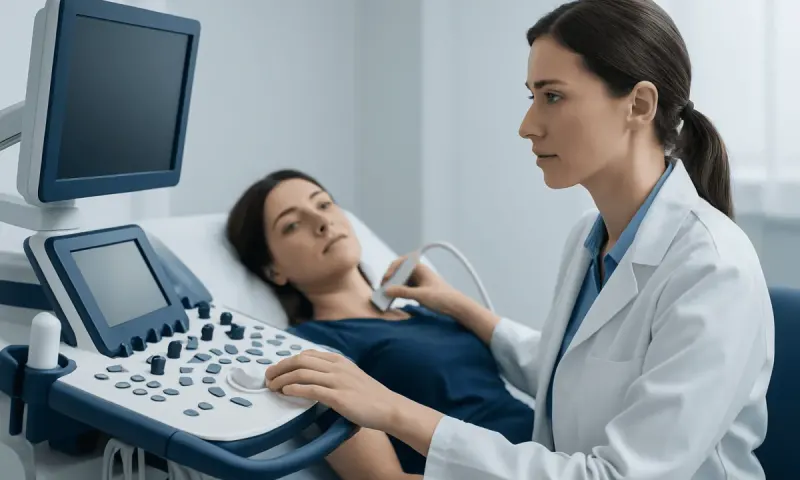
Blood tests may be used to measure hormone levels and check for conditions that can mimic or cause hirsutism. Depending on the situation, a clinician may also consider tests for thyroid function, prolactin, or blood sugar and insulin-related issues. If PCOS is suspected, evaluation may include ovarian assessment as part of a broader endocrine picture.
Imaging is not needed for everyone, but it can be useful when symptoms are severe, sudden, or unusual. The aim is not to label the condition quickly, but to make sure treatment matches the real cause and that more serious explanations are not overlooked.
Treatment Options
There is no single cure that works for every person with hirsutism, but many treatments can make a meaningful difference. The most effective plan often addresses both the underlying hormone imbalance and the hair that is already visible. Because hair grows in cycles, improvement usually takes time rather than appearing within days.
Medicines may be recommended to lower androgen effects or reduce hormone production, especially when hirsutism is linked to PCOS or another endocrine condition. In some cases, hormonal birth control is used to regulate cycles and reduce androgen influence, while other medications may be added when hair growth remains bothersome. These options require a doctor’s guidance, particularly for people who may become pregnant or who have other health conditions.
Hair-removal methods can be paired with medical treatment. Options include shaving, waxing, depilatory creams, threading, electrolysis, and laser-based hair reduction. Laser treatment can be especially helpful for dark hair, while electrolysis is often used for more permanent removal of individual hairs. A skin specialist can help choose the safest option based on skin tone, hair color, and the area being treated.
- Hormone-focused treatment: to address the driver of excess hair growth.
- Cosmetic hair removal: to improve appearance while medical therapy works gradually.
- Combination care: often gives the most practical and satisfying results.
Prevention & Self-care
Not every case of hirsutism can be prevented, especially when family traits or chronic hormone conditions are involved. Still, some steps may help reduce symptom burden and support treatment. For people with PCOS or insulin resistance, weight management through a balanced eating pattern and regular activity may improve hormone balance and menstrual regularity in some cases.
Gentle skin care matters when shaving, waxing, or using other hair-removal methods. Soothing the skin, avoiding harsh scrubbing, and watching for irritation or ingrown hairs can make regular maintenance easier. If a product causes burning, redness, or rash, it is worth stopping and asking a clinician or dermatologist for alternatives.
Emotional self-care is also part of treatment. Hirsutism can affect confidence and daily routine, so support from a trusted clinician, mental health professional, or peer network may help people stay consistent with care. For patients traveling for treatment, it can be useful to plan follow-up appointments in advance and know which parts of care can continue locally after returning home.
When to See a Doctor
Medical evaluation is a good idea whenever hair growth is new, worsening, or causing distress. It becomes more important if periods are irregular, acne is significant, fertility is a concern, or there are signs of a broader hormone problem. Even when the cause turns out to be benign, confirming that can bring clarity and reduce worry.
Prompt assessment is especially important if hirsutism appears suddenly, progresses rapidly, or is accompanied by virilizing changes such as a deeper voice or increased muscle mass. These features do not automatically mean something serious, but they deserve timely review so the cause can be identified and treated appropriately.
People seeking coordinated evaluation from abroad may benefit from a clinic that can arrange endocrinology, gynecology, dermatology, and imaging in one pathway. Acibadem Health Point’s multidisciplinary specialists and JCI-accredited hospitals diagnose and treat hirsutism for international patients, with care plans designed to support both diagnosis and follow-up.
Living With Hirsutism: Practical Expectations
Progress is usually gradual. Even when treatment is working, existing hairs may need repeated removal while new growth becomes finer, slower, or less noticeable over time. Setting realistic expectations helps people judge improvement more fairly and avoid stopping therapy too early.
It is also common to need adjustments along the way. A medication may be changed if it is not effective enough, or a hair-removal method may be switched if skin irritation becomes a problem. The right plan is often the one that balances medical safety, appearance goals, and day-to-day comfort.
For many people, the question is not whether hirsutism can be made to disappear overnight, but whether it can be brought under control with enough consistency to feel manageable. With a thoughtful diagnosis and the right combination of treatments, that is often a realistic goal.
Frequently asked questions
01Is there a permanent cure for hirsutism?
There is not one universal permanent cure, because hirsutism is often tied to an underlying hormonal pattern. Many people do achieve long-term control with a combination of medical treatment and hair-removal methods. The best results usually come from treating the cause and managing visible hair at the same time.
02What is the most common cause of hirsutism?
Polycystic ovary syndrome is one of the most common causes. Other possible causes include medication effects, adrenal disorders, and less commonly hormone-producing tumors. A clinician can help determine which explanation fits the pattern of symptoms.
03Can diet and exercise help hirsutism?
They can help some people, especially when hirsutism is linked to PCOS or insulin resistance. Healthy weight management and regular activity may improve hormone balance and cycle regularity in certain cases. They are supportive measures, not a stand-alone cure for everyone.
04Does laser hair removal treat the cause of hirsutism?
No, laser hair removal does not correct the hormonal cause. It can, however, reduce the amount of visible hair and make daily care easier. Many people use it together with medical treatment for a better overall result.
05When should hirsutism be checked urgently?
It should be assessed promptly if it appears suddenly, changes quickly, or comes with a deeper voice, rapid body changes, or menstrual disruption. Those features may point to a more active hormone problem that needs timely evaluation. A doctor can decide how quickly tests should be done.
06Can women with hirsutism still become pregnant?
Yes, many can, but some underlying causes of hirsutism such as PCOS may also affect ovulation. If pregnancy is a goal, that should be discussed before starting treatment because some medicines are not suitable during pregnancy. A clinician can help choose a safe plan.
This article is for general information only and is not a substitute for professional medical advice. Please consult a qualified doctor about your individual situation.
Hair transplant in Turkey — costs, graft counts & a free assessment
JCI-accredited · board-certified surgeons · reply within 24h
Add us as a Preferred Source to see more of our trusted health content across Google Search, AI Overviews and Discover.