Low Thyroid and PCOS: Symptoms, Testing, and Care
Low thyroid PCOS commonly refers to having both hypothyroidism and polycystic ovary syndrome (PCOS), rather than one condition directly causing the other. Because both can affect periods, weight, mood, fertility, and metabolism, careful evaluation helps ensure each condition is treated appropriately.
Low Thyroid PCOS: What It Means
Low thyroid PCOS usually describes a person who has both an underactive thyroid (hypothyroidism) and polycystic ovary syndrome (PCOS). These are separate conditions, although they can occur in the same person and can produce similar concerns, including irregular periods, weight changes, tiredness, difficulty becoming pregnant, and changes in mood.
Hypothyroidism occurs when the thyroid gland does not make enough thyroid hormone. Thyroid hormones help regulate energy use, temperature, digestion, heart rate, and many reproductive processes. PCOS is a common hormonal condition involving irregular or absent ovulation, higher-than-usual androgen activity, and/or polycystic ovarian appearance on ultrasound. A person does not need to have ovarian cysts to have PCOS.
It is important not to assume that all PCOS-like symptoms are caused by the thyroid, or that a thyroid problem explains PCOS. Identifying both conditions matters because their treatments differ. With appropriate assessment and follow-up, many people can improve symptoms, protect long-term health, and plan for pregnancy when desired.
Why Symptoms Can Overlap
Both hypothyroidism and PCOS may affect menstrual regularity. An underactive thyroid can interfere with the hormone signals involved in ovulation and may lead to heavier, lighter, less frequent, or unpredictable bleeding. PCOS commonly causes infrequent ovulation, which can result in widely spaced periods or no periods for several months.
Weight gain or difficulty with weight management may also occur in either condition. In hypothyroidism, metabolism may slow and fluid retention can contribute to weight changes. In PCOS, insulin resistance is common and may make weight management more challenging for some people. Weight alone cannot diagnose either condition.
Other symptoms can help guide evaluation. Hypothyroidism may cause feeling cold, constipation, dry skin, hair thinning, fatigue, slowed thinking, low mood, or a slower heart rate. PCOS may be associated with acne, increased facial or body hair, scalp hair thinning, darkened skin folds, and difficulty predicting ovulation. Symptoms vary considerably, and some people have few noticeable signs.
- Irregular periods can have many causes beyond PCOS and thyroid disease.
- Fatigue is common but nonspecific and may relate to sleep, anemia, stress, depression, nutritional issues, or other medical conditions.
- New or rapid androgen-related changes, such as quickly worsening facial hair or deepening voice, require prompt medical assessment.
Causes and Risk Factors
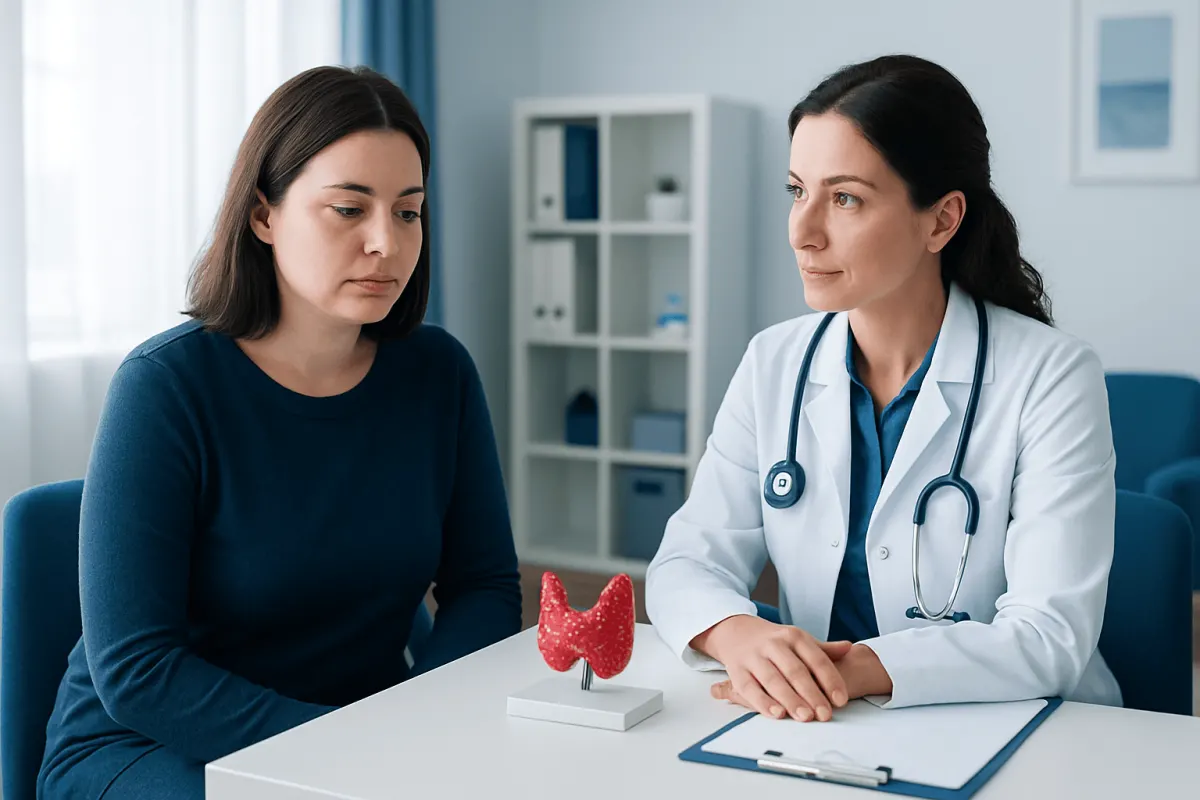
The most common cause of hypothyroidism in areas with adequate iodine intake is autoimmune thyroid disease, often called Hashimoto’s thyroiditis. In this condition, the immune system gradually damages thyroid tissue. Thyroid surgery, radioactive iodine treatment, certain medicines, inflammation of the thyroid, and insufficient or excessive iodine exposure can also contribute to low thyroid hormone levels.
The exact cause of PCOS is not fully understood. It is thought to involve a combination of inherited tendencies, insulin resistance, hormone signaling differences, and environmental factors. PCOS often runs in families, and it can occur at any body size. It is not caused by something a person did or did not do.
Autoimmune conditions can cluster within families and in individuals, which is one reason clinicians may consider thyroid testing when symptoms suggest thyroid dysfunction. However, having PCOS does not automatically mean a person has hypothyroidism, and routine testing decisions should be individualized based on symptoms, medical history, examination, and local clinical guidance.
Risk factors that may prompt a clinician to look more closely include a family history of thyroid disease or PCOS, previous gestational diabetes, infertility, type 2 diabetes, autoimmune disease, certain medications, or symptoms that persist despite initial treatment.
How Doctors Diagnose Both Conditions
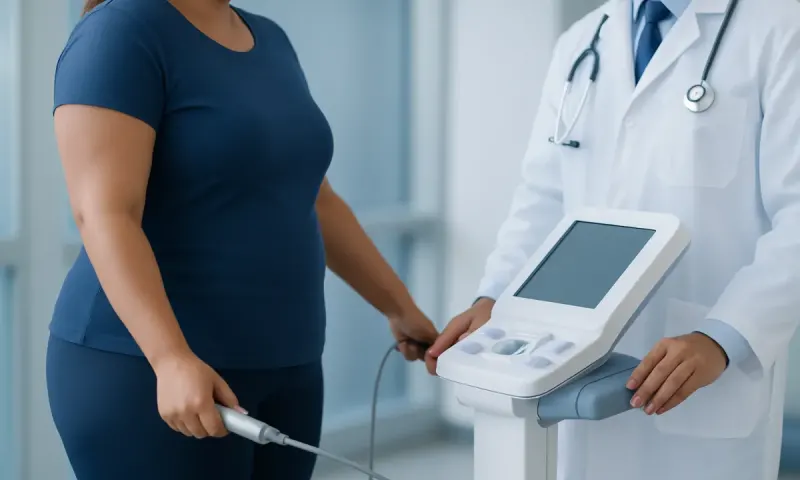
Assessment begins with a detailed history of menstrual patterns, symptoms, medications, family history, pregnancy plans, and changes in weight, hair, skin, or mood. A clinician may check blood pressure, weight-related measures, thyroid size, skin changes, and signs of increased androgen activity. The goal is to understand the whole picture rather than diagnose from a single symptom.
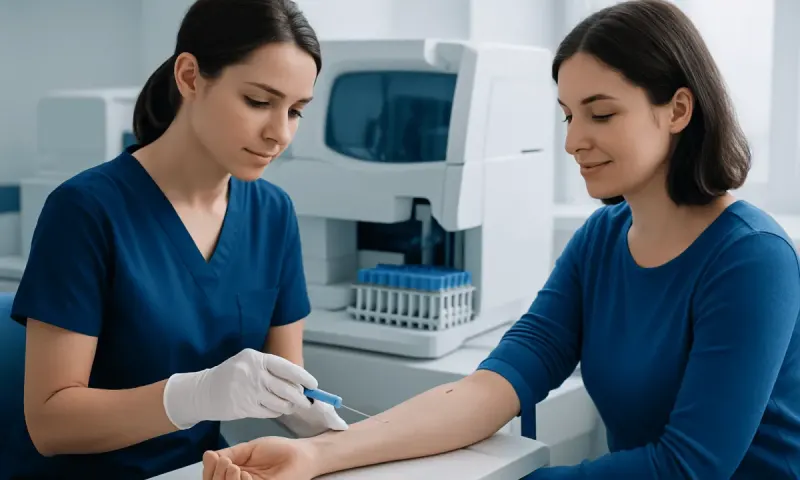
Thyroid evaluation usually includes a thyroid-stimulating hormone (TSH) blood test and, when indicated, free thyroxine (free T4). Thyroid antibody testing may be used when autoimmune thyroid disease is suspected. Test interpretation depends on the laboratory reference range, symptoms, pregnancy status, and medical context.
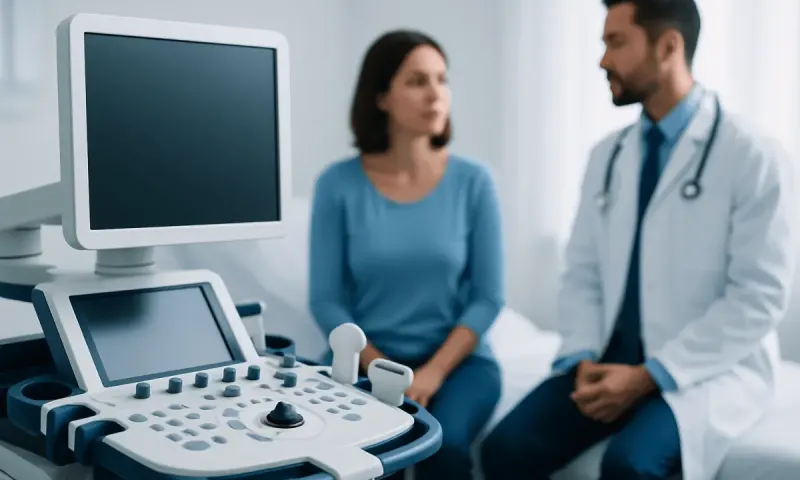
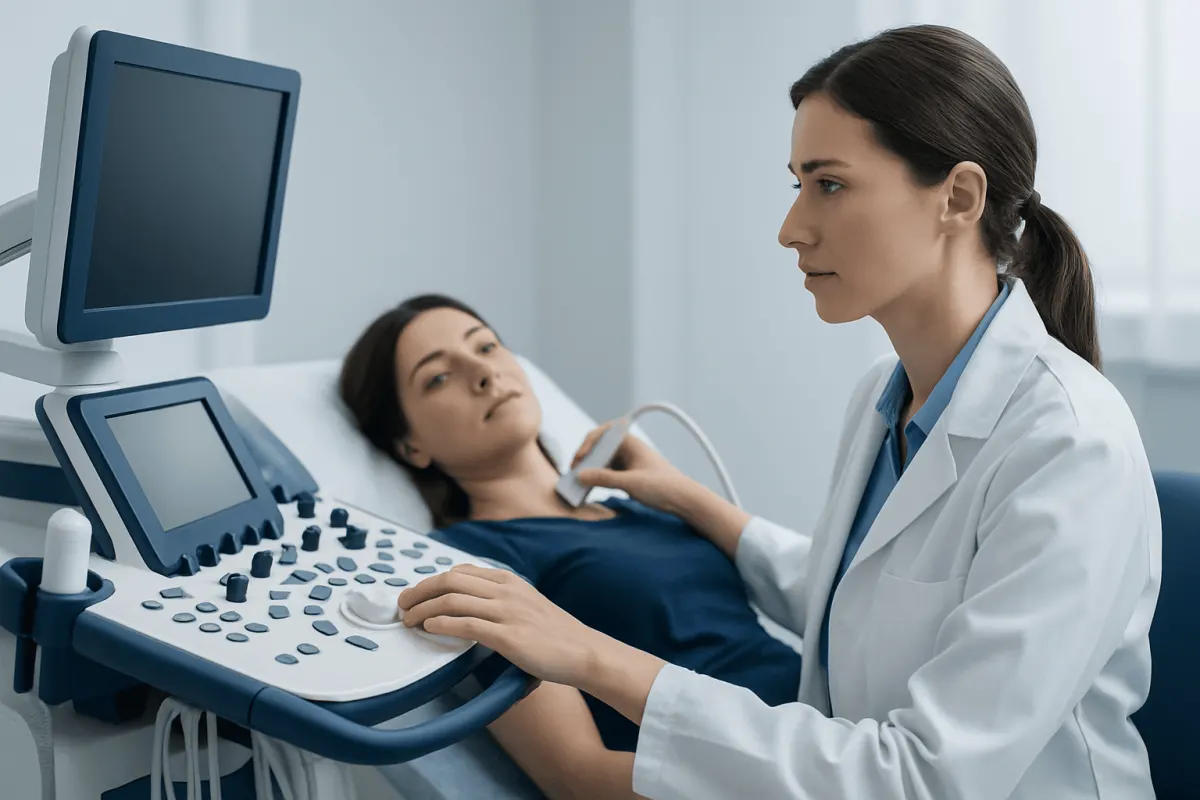
PCOS is diagnosed after other possible explanations have been considered. Depending on age and clinical situation, clinicians assess irregular ovulation, signs or blood-test evidence of elevated androgens, and ovarian appearance on ultrasound. Conditions such as thyroid disease, elevated prolactin, nonclassical congenital adrenal hyperplasia, and medication effects may need to be excluded.
Because PCOS can be associated with insulin resistance and cardiometabolic risk, clinicians may also recommend checking glucose status, cholesterol levels, blood pressure, and other relevant markers. These tests support prevention as well as diagnosis.
Treatment and Day-to-Day Management
Hypothyroidism is commonly treated with thyroid hormone replacement prescribed by a clinician. The medication and follow-up blood testing are adjusted individually, especially during pregnancy or when trying to conceive. Taking more thyroid hormone than needed can be harmful, so treatment should not be started, stopped, or changed without medical guidance.
PCOS management is based on the person’s main concerns and goals. For those not trying to become pregnant, care may focus on making periods more predictable, protecting the lining of the uterus when periods are infrequent, and addressing acne or excess hair growth. For those trying to conceive, treatment may focus on supporting ovulation and addressing factors that influence fertility.
Lifestyle support can benefit overall health in PCOS regardless of body size. Regular enjoyable physical activity, balanced eating patterns, adequate sleep, stress management, and avoiding smoking can support metabolic health. If weight loss is a personal and clinically appropriate goal, even modest, sustainable changes may improve ovulation for some people; restrictive diets and self-blame are not necessary or helpful.
Some people may need treatment for insulin resistance, high cholesterol, high blood pressure, acne, unwanted hair growth, or emotional wellbeing. A gynecologist, endocrinologist, primary care clinician, dietitian, and fertility specialist may work together when needed. Care should be reviewed over time because symptoms and reproductive goals can change.
Planning Pregnancy With Hypothyroidism and PCOS
Many people with hypothyroidism and PCOS can become pregnant, but planning ahead is useful. Before conception, a clinician can review thyroid levels, medicines, menstrual patterns, and factors that may affect ovulation. Thyroid hormone needs often change early in pregnancy, so timely testing and follow-up are important.
PCOS can make ovulation less regular, which may make it harder to predict fertile days. If pregnancy has not occurred after an appropriate period of trying, or if periods are very infrequent, earlier discussion with a clinician may be helpful. Fertility assessment considers both partners when relevant and looks for causes beyond PCOS alone.
People should not stop prescribed thyroid treatment when they find out they are pregnant unless instructed by their clinician. They should contact their healthcare team promptly for individualized advice, including medication review and blood testing. Prenatal vitamins and supplements should also be discussed, as some ingredients can affect thyroid medication absorption when taken too close together.
When to Seek Medical Care
A person should arrange a routine medical appointment for periods that are consistently irregular, absent for several months when not pregnant, unusually heavy, or accompanied by new acne, excess hair growth, scalp hair thinning, unexplained fatigue, constipation, cold intolerance, or persistent weight changes. These symptoms are common and often treatable, but they deserve a proper assessment rather than self-diagnosis.
Prompt medical care is appropriate for very heavy bleeding, severe pelvic pain, fainting, chest pain, shortness of breath, or symptoms of pregnancy complications. Emergency care is needed if symptoms are severe or sudden. Anyone with thoughts of self-harm or feeling unable to stay safe should seek urgent local emergency or mental health support.
People already taking thyroid medication should request review if symptoms return, if they become pregnant or plan pregnancy, or if they start medicines or supplements that may interact with treatment. Regular follow-up allows clinicians to monitor thyroid levels and address PCOS-related metabolic and reproductive needs.
Acıbadem Health Point’s multidisciplinary specialists and JCI-accredited hospitals assess and treat endocrine and reproductive health conditions for Myomectomy Recovery for International Patients: The Usual Travel Timeline" class="ahp-ilk">international patients. Individualized evaluation can help clarify whether symptoms relate to hypothyroidism, PCOS, or another cause.
Frequently asked questions
01Does low thyroid cause PCOS?
Hypothyroidism does not appear to directly cause PCOS. However, an underactive thyroid can disrupt periods and ovulation, creating symptoms that can resemble PCOS. A medical assessment is needed to distinguish the conditions and identify whether both are present.
02Can treating hypothyroidism cure PCOS?
Treating hypothyroidism can improve symptoms caused by low thyroid hormone, such as fatigue, constipation, feeling cold, and some menstrual changes. It does not cure PCOS, which has its own hormonal and metabolic features. PCOS management may still be needed after thyroid levels are corrected.
03What thyroid tests are used when PCOS is suspected?
Clinicians commonly use a TSH blood test and may check free T4 when indicated. Thyroid antibody tests can help evaluate possible autoimmune thyroid disease in selected cases. The right tests depend on symptoms, health history, and pregnancy status.
04Can PCOS and hypothyroidism affect fertility?
Both conditions can affect ovulation and may make conception more difficult for some people. Effective thyroid treatment and individualized PCOS care can support reproductive health. A clinician can advise on timing of fertility evaluation based on age, cycle pattern, and how long pregnancy has been attempted.
05What lifestyle changes help with PCOS and low thyroid?
Regular movement, balanced meals, adequate sleep, and stress support can help overall wellbeing and metabolic health. These habits complement medical treatment but do not replace prescribed thyroid hormone if it is needed. The most sustainable approach is usually individualized and avoids overly restrictive eating plans.
06Should a person with PCOS take thyroid supplements?
Thyroid supplements should not be taken unless recommended by a qualified clinician after appropriate testing. Unnecessary thyroid hormone or high-iodine products may cause harm and can make blood tests difficult to interpret. It is safer to discuss any supplement with the healthcare team, particularly when pregnant or trying to conceive.
This article is for general information only and is not a substitute for professional medical advice. Please consult a qualified doctor about your individual situation.
Medical weight-loss options in Turkey — costs & eligibility
JCI-accredited · board-certified surgeons · reply within 24h
Add us as a Preferred Source to see more of our trusted health content across Google Search, AI Overviews and Discover.