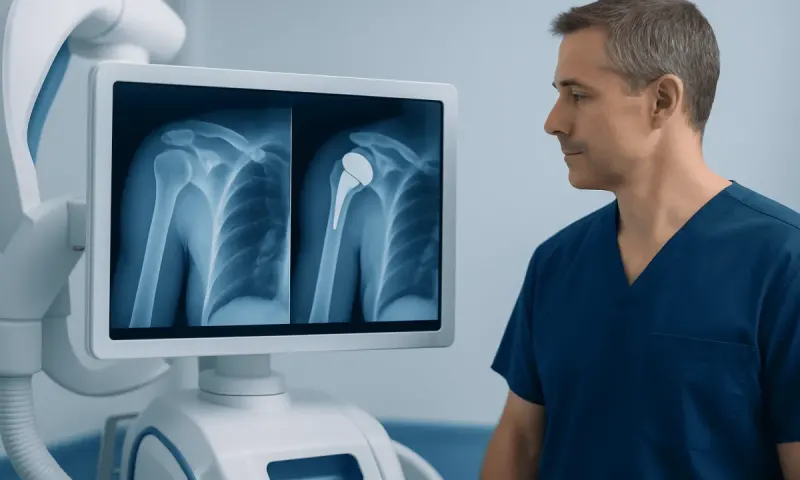
Hip Impingement Operation: What Recovery Involves
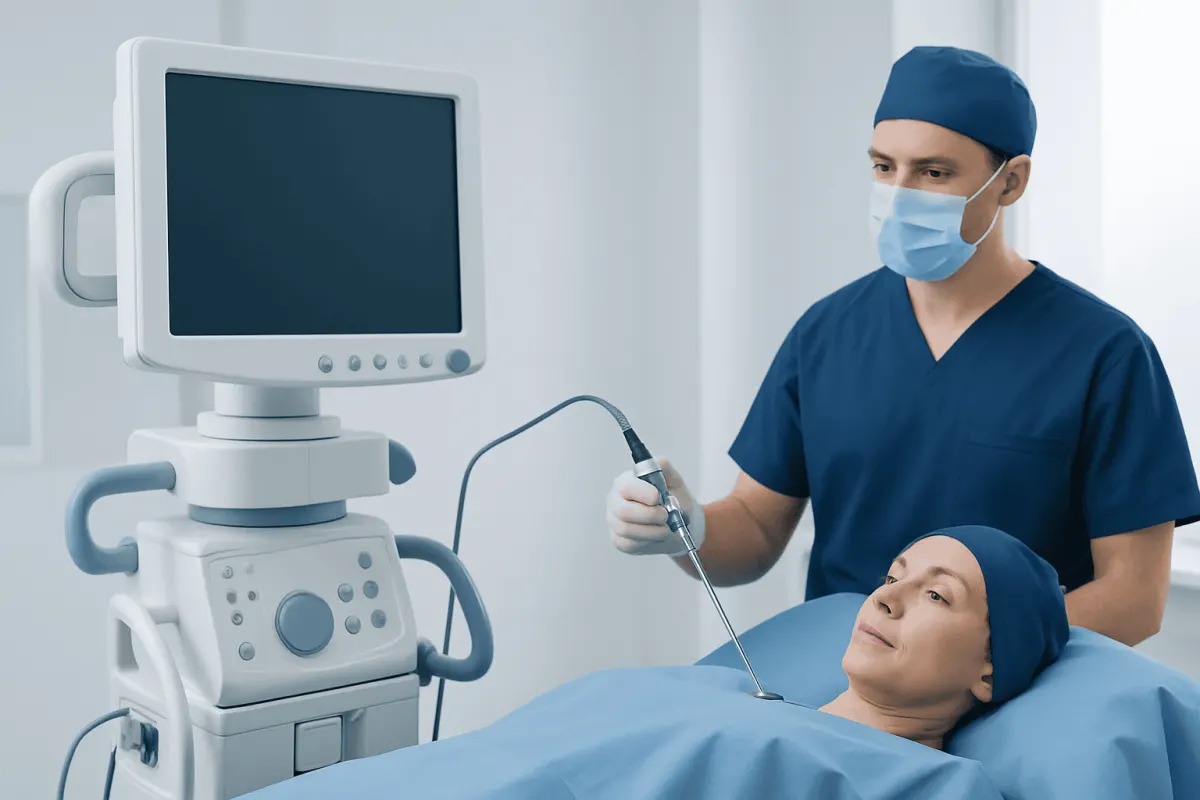
A hip impingement operation is commonly a minimally invasive hip arthroscopy used to treat femoroacetabular impingement (FAI), a condition in which the hip bones contact abnormally during movement. The procedure may reshape bone, repair a torn labrum, and address damaged tissue when symptoms persist despite non-surgical care.
Hip Impingement Operation: What It Treats
A hip impingement operation treats symptoms caused by femoroacetabular impingement (FAI). In FAI, the ball of the thigh bone and the socket of the pelvis do not move smoothly together. Extra bone on the femoral head-neck junction, the rim of the socket, or both can cause repeated contact during hip movement. Over time, this may irritate or damage the labrum, the ring of cartilage that helps deepen and stabilize the hip socket.
For many people, treatment begins with activity adjustment, physiotherapy, and pain management. A hip impingement operation may be considered when persistent groin or hip pain, restricted movement, and reduced daily function continue despite appropriate non-surgical care. It is typically performed as hip arthroscopy, using a camera and fine surgical instruments introduced through small incisions. More information about the underlying condition is available in femoroacetabular impingement.
The aim is not simply to remove bone. The surgeon evaluates the whole joint and may correct the shape causing contact, repair the labrum, remove unstable damaged tissue, and treat cartilage injury when appropriate. The recommended plan depends on imaging findings, symptoms, the condition of the joint cartilage, age, activity goals, and response to conservative treatment.
Who May Be a Candidate for Surgery?
Suitable candidates usually have symptoms that match the findings on examination and imaging. Common concerns include deep groin pain, pain with prolonged sitting or pivoting, stiffness, clicking, catching, or discomfort during sports and other activities requiring hip flexion and rotation. X-rays help assess bone shape and arthritis, while magnetic resonance imaging may show labral or cartilage injury.
Having FAI-shaped bones on an X-ray alone does not mean an operation is necessary. Some people have these shapes without pain or functional problems. Surgery is considered more carefully when symptoms are clearly affecting life and non-operative treatment, often including a structured rehabilitation program, has not provided sufficient relief.
Hip arthroscopy may be less likely to help when there is advanced Pain Relief, and Mobility Care" class="ahp-ilk">osteoarthritis, marked narrowing of the joint space, or extensive cartilage loss. In these circumstances, the treating orthopedic specialist discusses alternatives and sets realistic expectations. A detailed orthopedic assessment is important because pain around the hip can also arise from the spine, tendons, pelvic structures, or other joint conditions.
How the Hip Impingement Operation Works
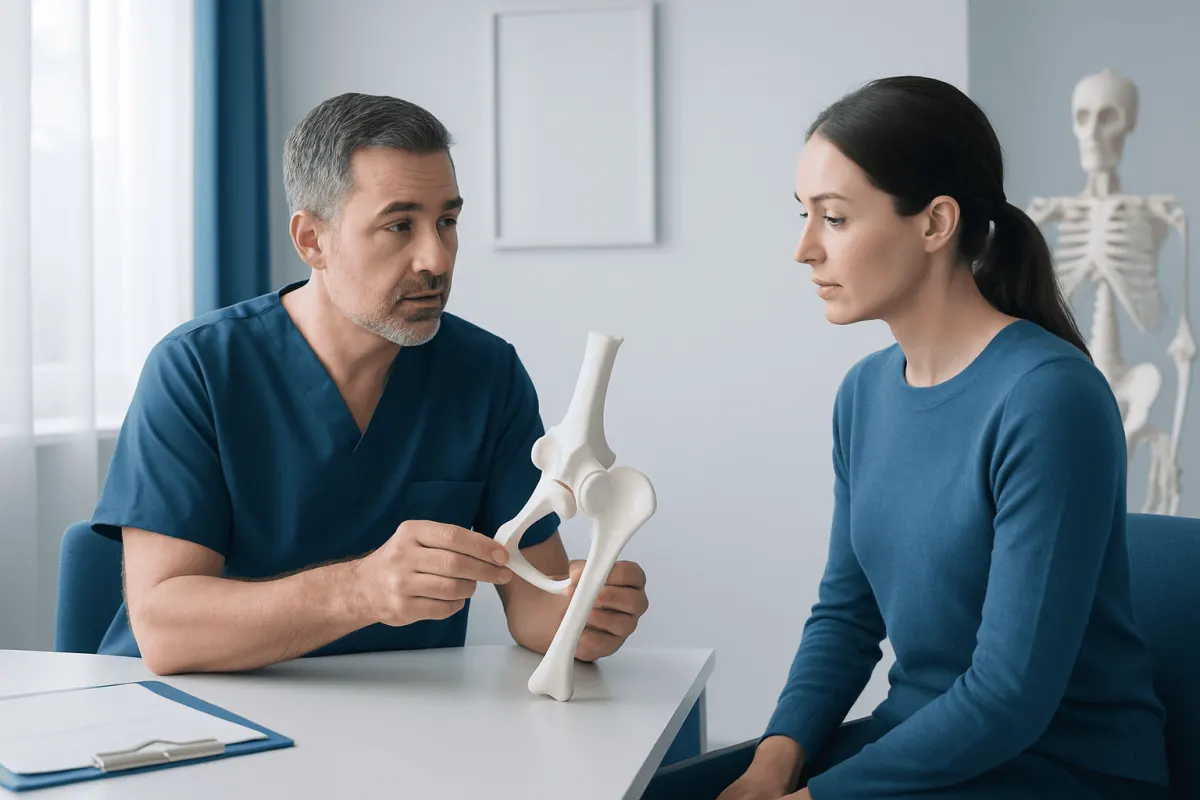
Hip impingement surgery is generally performed under general anesthesia. The patient is positioned so the surgeon can gently create space within the joint and insert an arthroscope, a narrow camera that displays images on a monitor. Several small incisions, called portals, allow access for the camera and specialized instruments.
The surgeon first inspects the joint, including the labrum, cartilage, and bony contours. In cam impingement, excess bone is carefully reshaped from the upper femur in a procedure called femoroplasty. In pincer impingement, excess bone around the socket rim may be trimmed in an acetabuloplasty. Many people have features of both types.
If the labrum is torn but healthy enough to preserve, it is often repaired with small anchors rather than removed. Preserving the labrum can support joint stability and the normal sealing effect around the hip. Some cartilage injuries may also be treated arthroscopically, although the appropriate approach depends on their size and location.
After the procedure, the portals are closed and covered with dressings. The operation length varies according to the findings and whether labral repair or other procedures are required. Hip arthroscopy and rehabilitation are planned through orthopedic and traumatology care, with follow-up tailored to the procedure performed.
Recovery Timeline After Hip Impingement Surgery
Recovery after a hip impingement operation occurs gradually. Most patients go home on the day of surgery or after a short observation period, depending on their health, the procedure, and local clinical practice. Pain, swelling, tiredness, and a sense of tightness around the hip are common early experiences and are managed with the postoperative plan provided by the surgical team.
In the first one to three weeks, patients commonly use crutches to protect the hip and avoid excessive weight bearing. The length of this phase varies: a simple bone reshaping procedure may permit earlier weight bearing than a labral repair or cartilage procedure. Early rehabilitation typically focuses on safe walking, gentle range-of-motion work, and activation of supporting muscles without stressing the healing tissues.
During the following weeks, physiotherapy progresses toward restoring gait, mobility, hip strength, core control, and balance. Many people can return to desk-based work in approximately one to three weeks, although this varies widely. Jobs involving lifting, prolonged standing, climbing, or physical labor may require a longer absence or modified duties.
Low-impact exercise is commonly reintroduced in stages after medical clearance. Running, cutting, pivoting, deep squats, and sport-specific training are delayed until strength and movement control have improved. Return to higher-impact sport often takes several months, and full recovery can take six months or longer, especially after complex labral or cartilage treatment.
Benefits, Limits and Possible Risks
For carefully selected patients, hip arthroscopy can reduce impingement-related pain, improve hip motion, and help them return to valued daily activities or exercise. Reshaping the bone can reduce the abnormal contact that contributes to labral injury. Repairing the labrum may also improve the joint’s mechanics and stability.
Results vary. Outcomes are influenced by the degree of cartilage damage, the presence of arthritis, the accuracy of diagnosis, rehabilitation participation, general health, and the physical demands placed on the hip. Surgery can treat structural impingement and related tissue damage, but it does not restore severely worn joint cartilage or guarantee that arthritis will not develop or progress.
As with any operation, risks include infection, bleeding, blood clots, reactions to anesthesia, and continued pain or stiffness. Hip arthroscopy also carries small risks of temporary numbness or nerve irritation related to positioning, fluid accumulation, injury to surrounding structures, and incomplete symptom improvement. Occasionally, further treatment or another operation may be needed.
A surgeon explains individual risks before consent and gives instructions to reduce preventable complications. Following the prescribed weight-bearing limits, taking medicines only as directed, attending follow-up appointments, and participating in rehabilitation all support a safer recovery.
What Not to Do After Hip Impingement Surgery
After hip impingement surgery, patients should not stop using crutches, start running, return to sport, or resume heavy lifting before their surgeon or physiotherapist says it is safe. Early overloading can strain repaired tissue and may prolong pain or swelling. The exact restrictions depend on whether the labrum, cartilage, or other structures were treated.
Deep hip bending, twisting on the operated leg, forceful stretching, and repeated squatting may be restricted early in recovery. Patients should also avoid driving while taking sedating pain medicine or while they cannot safely control the vehicle. The surgical team can advise when driving is appropriate based on the operated side, mobility, pain control, and local regulations.
It is also important not to compare recovery too closely with another person’s timeline. Swelling and muscle weakness can temporarily change how the hip feels and moves. A consistent, supervised rehabilitation plan is generally safer than trying to progress exercises quickly or independently.
When to Seek Medical Care
Patients should contact their surgical team promptly if pain becomes suddenly much worse rather than gradually improving, if there is increasing redness, warmth, drainage, or swelling around the wounds, or if fever develops. New calf pain or swelling, chest pain, shortness of breath, fainting, or sudden weakness requires urgent medical assessment.
Before surgery, a medical evaluation is advisable for hip or groin pain that persists for several weeks, limits walking or sleep, causes repeated catching or locking, or does not improve with rest and guided rehabilitation. Earlier assessment is also appropriate after a significant injury or when weight bearing becomes difficult.
Acıbadem Health Point’s multidisciplinary specialists and JCI-accredited hospitals assess and treat hip conditions for international patients, including surgical planning and rehabilitation coordination when surgery is appropriate.
Frequently asked questions
01How long after hip impingement surgery can you walk?
Many patients stand and take short walks with crutches on the day of surgery or the following day. Protected walking commonly continues for one to three weeks, but the duration depends on whether the labrum, cartilage, or bone was treated. The surgeon and physiotherapist determine when full weight bearing is safe.
02What is the hardest day after hip surgery?
There is no single hardest day for everyone. The first few days can be challenging because anesthesia effects, swelling, pain, sleep disruption, and limited mobility are often most noticeable then. Some people find the second or third day more uncomfortable as the initial anesthetic and medications wear off.
03Is hip impingement surgery a major surgery?
Hip impingement surgery is usually minimally invasive arthroscopic surgery rather than open surgery, so it involves small incisions and often allows same-day discharge. However, it is still a significant joint operation that requires anesthesia, structured rehabilitation, and several months of healing. A labral repair or cartilage procedure can make recovery more protective and prolonged.
04What not to do after hip impingement surgery?
Patients should avoid putting more weight through the leg than instructed, stopping crutches too early, and returning to running, sports, heavy lifting, or deep squatting without clearance. Twisting and forceful hip stretching may also be limited early after surgery. Individual precautions should always follow the surgeon's instructions.
05How successful is hip impingement surgery?
Many appropriately selected patients experience reduced pain and improved function after hip arthroscopy, particularly when significant arthritis is not present. Results cannot be predicted with certainty because they depend on cartilage health, the type of impingement, labral damage, rehabilitation, and individual activity goals. The orthopedic surgeon can discuss likely benefits based on the person's imaging and examination.
06Will hip impingement come back after surgery?
The reshaped bone does not usually grow back in the same way, but hip symptoms can persist or recur for different reasons. These may include cartilage damage, incomplete healing, muscle weakness, another source of pain, or new stress on the joint. Completing rehabilitation and seeking review for ongoing symptoms can help guide next steps.
This article is for general information only and is not a substitute for professional medical advice. Please consult a qualified doctor about your individual situation.
Joint and spine care in Turkey — expert assessment & treatment
JCI-accredited · board-certified surgeons · reply within 24h
Add us as a Preferred Source to see more of our trusted health content across Google Search, AI Overviews and Discover.