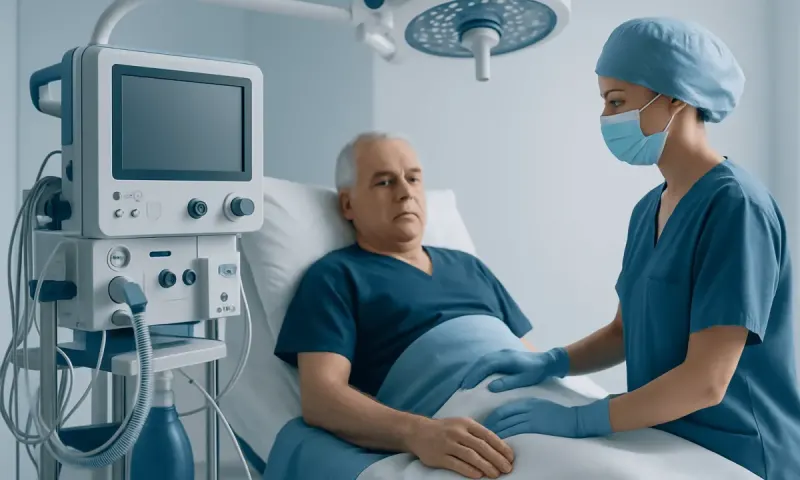
Shoulder Replacement Before and After: Recovery Results
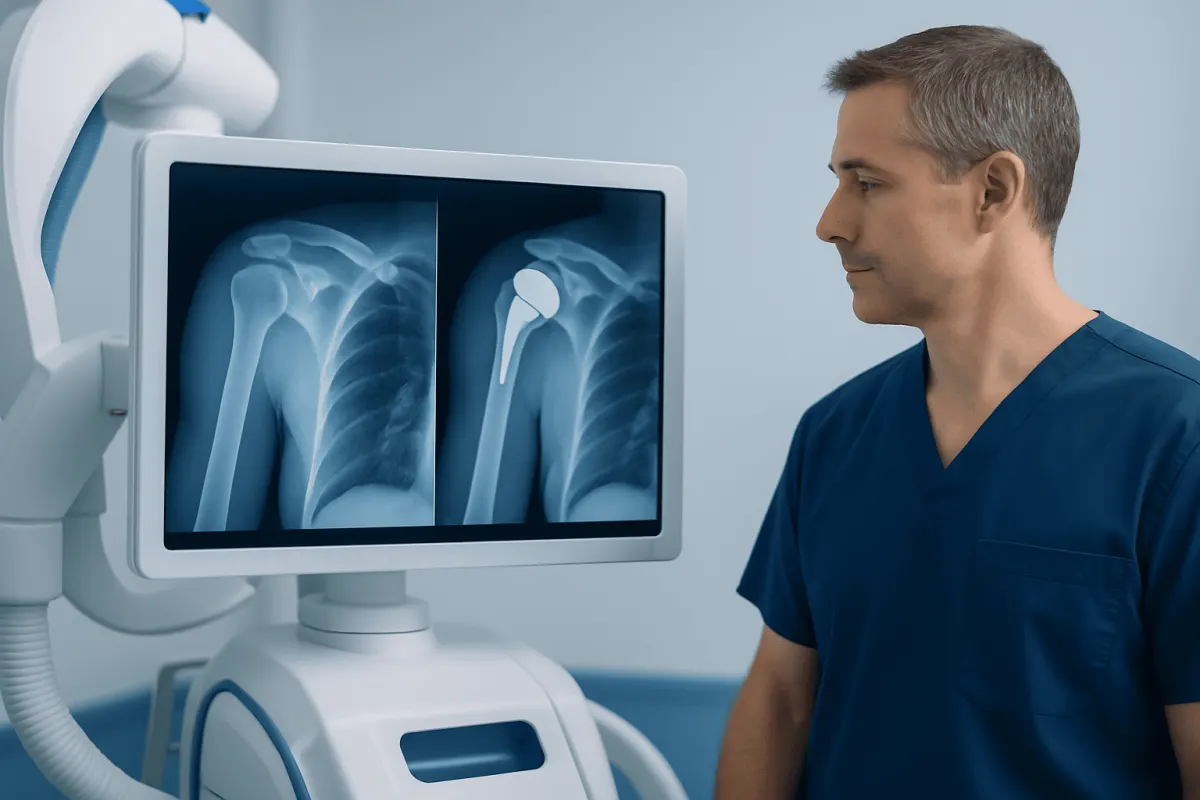
Shoulder replacement before and after changes are usually gradual: the goal is reliable pain relief and improved ability to use the arm for everyday activities, not necessarily a completely normal shoulder. Recovery commonly takes several months, and the final result depends on the joint problem being treated, the type of implant, tissue health and participation in rehabilitation.
Shoulder Replacement Before and After: What Changes Realistically
Before shoulder replacement, many people have persistent shoulder pain, stiffness, night discomfort and difficulty with tasks such as dressing, washing hair, reaching a shelf or lifting a light object. These symptoms are often caused by advanced joint arthritis, a complex fracture, or arthritis combined with a severely damaged rotator cuff. When nonsurgical care no longer provides acceptable relief, replacement surgery may be considered.
After surgery, realistic success usually means substantially less pain and better practical use of the arm. Improvement is not immediate: early recovery includes postoperative soreness, swelling, restricted movement and a period in a sling. Motion returns gradually with guided rehabilitation, while strength and confidence often continue to improve for many months.
Results vary between individuals. A person whose main limitation is arthritis pain may notice a major change in sleep and comfort, whereas someone with longstanding weakness, severe stiffness, nerve problems or extensive rotator cuff damage may have more limited movement despite good pain relief. The most useful comparison is often not a return to every pre-arthritis activity, but a safer, more comfortable ability to manage daily life.
How Shoulder Replacement Works and Who May Benefit
Shoulder replacement, also called shoulder arthroplasty, replaces damaged joint surfaces with artificial components. The ball at the top of the upper arm bone may be replaced with a metal component, and the socket may receive a smooth plastic liner. The aim is to reduce painful bone-on-bone contact and restore a stable, usable joint.
In an anatomic total shoulder replacement, the components mirror the natural ball-and-socket arrangement. This option is generally considered when arthritis is advanced but the rotator cuff tendons are working well. In a reverse shoulder replacement, the ball and socket positions are switched. This design allows the deltoid muscle to help lift the arm when the rotator cuff is severely damaged or absent.
Potential candidates may have severe pain and loss of function from osteoarthritis, inflammatory arthritis, rotator cuff tear arthropathy, certain fractures or failed prior shoulder surgery. A specialist considers symptoms, examination findings, imaging, bone quality, rotator cuff function, general health, activity goals and whether treatments such as physiotherapy, activity modification, pain management or injections have been helpful. For a fuller explanation of the operation, see shoulder replacement treatment.
A Typical Procedure: From Planning to the Operating Room
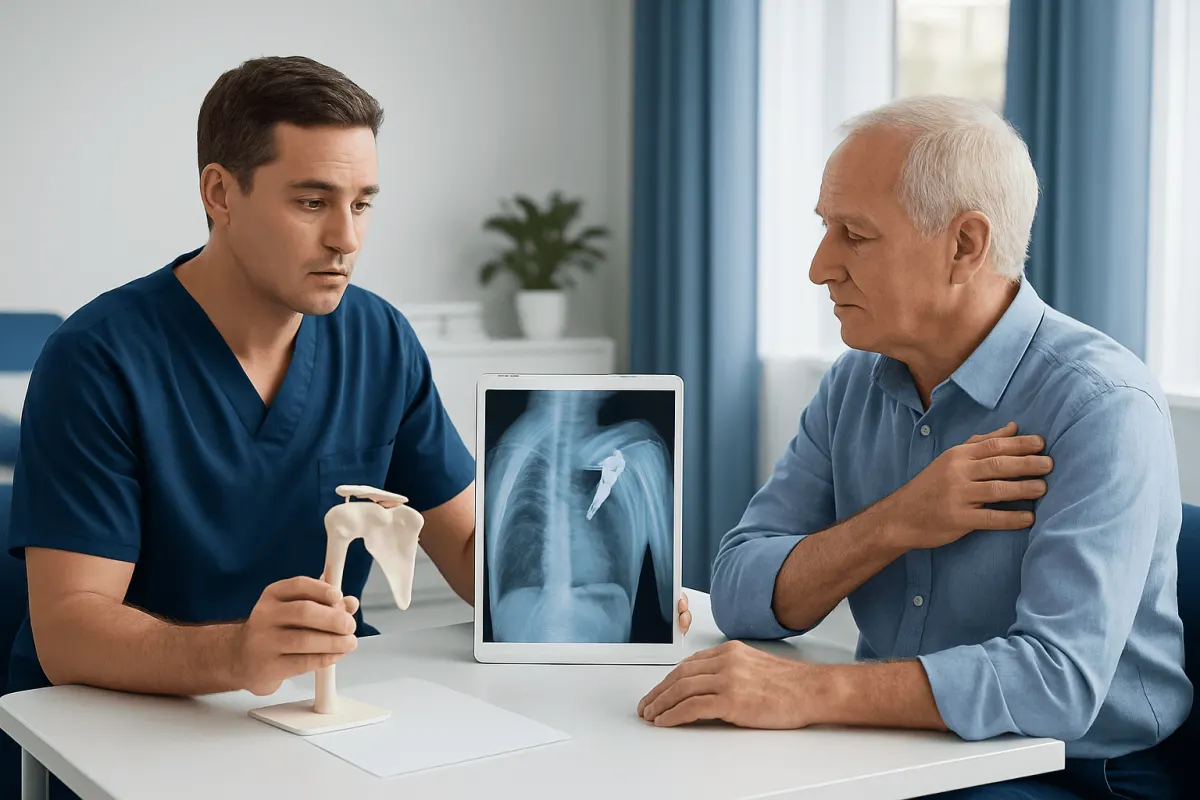
Preparation begins with a clinical assessment and imaging, usually including X-rays and sometimes CT or MRI scans. These help the surgeon understand joint wear, bone shape, deformity and tendon condition. Medical history, medicines, allergies and conditions such as diabetes, heart disease or smoking status are reviewed to make surgery and recovery as safe as possible.
During the procedure, performed under anesthesia, the surgeon makes an incision to access the shoulder joint. Damaged bone and cartilage are removed or reshaped, and the selected implant components are positioned. Depending on the type of replacement, the surgeon may also repair or manage surrounding soft tissues. The wound is closed and the arm is typically supported in a sling.
The exact approach and length of hospital stay vary with the procedure, overall health and local clinical practice. After surgery, the care team monitors pain control, circulation, nerve function and the wound. Patients are taught how to protect the shoulder and begin the first appropriate hand, wrist, elbow and shoulder exercises.
It is important to understand that a replacement is individually planned rather than a standard operation with identical results for everyone. Implant choice and surgical technique are based on the structure and function of each person’s shoulder.
Recovery Timeline: What to Expect After Surgery
During the first days and weeks, the main priorities are wound healing, pain control and protecting the repair or implant. The arm is commonly kept in a sling for a period advised by the surgical team. Gentle, prescribed movement may begin early, but lifting, pushing, pulling and supporting body weight through the operated arm are usually restricted.
Over the following weeks, physiotherapy gradually focuses on restoring safe range of motion. People often find simple activities become easier as pain settles, although fatigue and stiffness are still common. Driving, work and household activities should resume only when the surgeon considers them safe, because timing differs according to the operation, the arm involved and individual recovery.
In the following months, strengthening is introduced when tissues have healed sufficiently. Many patients see meaningful improvement by around three to six months, while recovery can continue for up to a year or longer. Reverse replacement may provide very good functional gains, but some movements—particularly reaching behind the back—can remain limited.
A realistic example is a person who could not sleep comfortably or reach a cupboard before surgery, then progresses from sling-protected movement to independently dressing, preparing meals and reaching at shoulder height. This is a meaningful outcome even if heavy overhead lifting or demanding sport does not return to the same level as before shoulder disease.
Benefits, Limits and Possible Risks
The main expected benefits are pain relief, improved sleep, better shoulder movement and greater independence with daily activities. When surgery is appropriately indicated and rehabilitation is followed, many people experience a clear improvement in quality of life. The operation is designed to improve function, but it does not recreate a biologically normal joint or guarantee the same performance as a healthy shoulder.
Every operation has potential risks. These include infection, bleeding, blood clots, stiffness, nerve or blood vessel injury, fracture, joint instability or dislocation, loosening or wear of components, persistent pain and the possible need for further surgery. Reverse shoulder replacement has specific risks such as instability and stress-related bone changes around the shoulder.
Risk can be influenced by factors such as smoking, poorly controlled diabetes, obesity, previous surgery, infection history, weak bone, medication use and the condition of the tendons and muscles. A surgical team discusses personal risks and the measures used to reduce them, including infection prevention, safe anesthesia planning and tailored rehabilitation.
Long-term implant care also matters. Patients are usually advised to avoid repeated heavy lifting and high-impact or contact activities that could overload the joint. Follow-up appointments and periodic X-rays may be recommended to monitor the replacement over time.
Supporting Recovery and Protecting the New Shoulder
Rehabilitation is not an optional extra; it is an important part of the before-and-after result. The physiotherapy plan should be followed exactly, because doing too much too soon can stress healing tissues, while avoiding movement beyond the advised period can contribute to stiffness. Exercises should be adapted if they cause unusual pain, swelling or a sense of instability.
At home, practical preparation can make the early weeks easier. Frequently used items can be placed within easy reach, loose rugs and trip hazards can be removed, and help can be arranged for tasks involving lifting, reaching or driving. Wearing clothing that is easy to put on and following instructions for bathing and wound care can also reduce strain.
Good general health supports healing. Patients can ask their clinician about smoking cessation, nutrition, sleep, management of long-term conditions and medication adjustments. It is also useful to discuss return-to-work expectations early, especially for work involving manual labor, overhead use of the arm or repetitive lifting.
Acıbadem Health Point’s multidisciplinary specialists and JCI-accredited hospitals assess and treat shoulder conditions for international patients, with rehabilitation plans tailored to the procedure and recovery needs.
When to Seek Medical Care
People with persistent shoulder pain, pain that regularly disrupts sleep, progressive loss of movement, weakness, or difficulty completing normal self-care tasks should arrange a medical assessment. Earlier review is particularly important after a shoulder injury with deformity, marked swelling, sudden weakness or inability to lift the arm.
After shoulder replacement, urgent medical advice is needed for increasing redness, drainage, fever, worsening rather than improving pain, a swollen calf, chest pain, shortness of breath, new numbness, a cold or pale hand, or a sudden change in shoulder position or function. These symptoms do not always mean a serious complication, but they should not be ignored.
Follow-up visits are also important when recovery seems slower than expected. A clinician can assess whether pain, stiffness or weakness is part of normal healing or whether treatment, exercises or activity limits need adjustment. People should contact their own surgical team for specific postoperative instructions.
Frequently asked questions
01What is a realistic shoulder replacement before and after result?
A realistic result is usually less joint pain, better sleep and improved ability to perform routine activities such as dressing, grooming and light household tasks. The amount of movement and strength regained varies, and some limits with heavy lifting or overhead activity may remain.
02How long does it take to recover from shoulder replacement?
Initial healing and protected movement take weeks, while range of motion and strength improve over several months. Many people feel substantial progress by three to six months, but recovery may continue for a year or longer depending on the operation and individual factors.
03Will shoulder replacement give full movement back?
Not always. Surgery aims to reduce pain and improve useful function, but pre-existing stiffness, muscle weakness, tendon damage and the type of replacement can affect the final range of motion. A surgeon can explain what movement goals are realistic for an individual shoulder.
04What is the difference between anatomic and reverse shoulder replacement?
Anatomic replacement preserves the usual ball-and-socket arrangement and generally relies on a functioning rotator cuff. Reverse replacement switches the ball and socket positions and is often used when the rotator cuff is severely damaged or cannot support the joint adequately.
05Is physiotherapy necessary after shoulder replacement?
Yes, rehabilitation is a central part of recovery for most patients. A structured program helps restore safe movement and strength while protecting healing tissues and the new joint.
06What activities should be avoided after shoulder replacement?
Restrictions differ by procedure and surgeon, especially during the first months. In general, patients should avoid early lifting, pushing, pulling and sudden force through the arm, and may be advised to limit repetitive heavy or high-impact activities long term.
This article is for general information only and is not a substitute for professional medical advice. Please consult a qualified doctor about your individual situation.
Hair transplant in Turkey — costs, graft counts & a free assessment
JCI-accredited · board-certified surgeons · reply within 24h
Add us as a Preferred Source to see more of our trusted health content across Google Search, AI Overviews and Discover.