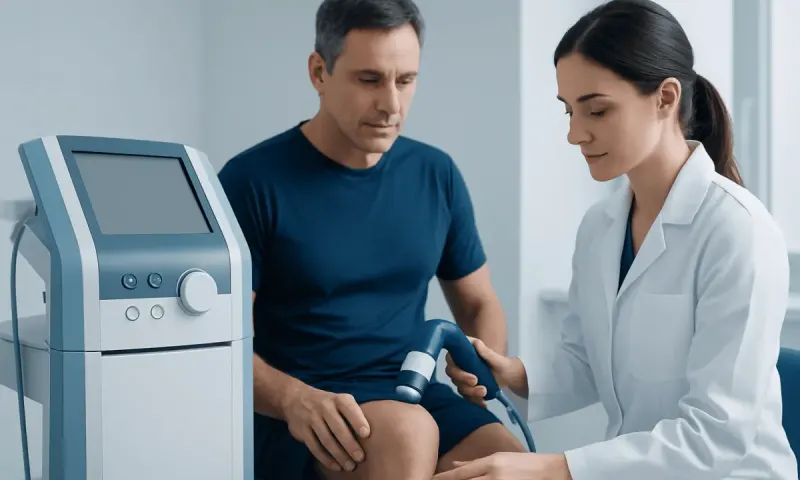
Hip Flexor Pain: Causes and Treatment

Key Takeaways
- Hip flexor pain often comes from overuse, strain, tightness, or nearby joint and tendon problems.
- Pain may be felt in the front of the hip, groin, lower abdomen, or upper thigh.
- Diagnosis usually relies on a physical exam and may include imaging if symptoms persist or injury is suspected.
- Treatment is commonly conservative and may include activity modification, physical therapy, and pain relief measures.
- Gradual return to sport or daily activity helps reduce the chance of the pain coming back.
Hip flexor pain can make walking, climbing stairs, or standing from a chair feel unexpectedly difficult. It often improves with the right mix of rest, movement changes, and targeted treatment, but persistent pain deserves evaluation.
Overview
The hip flexors are a small group of muscles and tendons that help lift the thigh and bend the hip. They are used in everyday tasks more often than many people realize: walking, getting out of a car, climbing stairs, running, and even sitting down and standing back up.
When these structures are irritated, strained, or overloaded, the result is often described as hip flexor pain. The discomfort may be mild and noticeable only during movement, or it may become sharp enough to limit exercise, work, or travel plans. Because pain in the front of the hip can also come from the joint itself, the lower back, the groin, or the abdomen, a careful evaluation is important when symptoms do not settle.
For international patients deciding whether to continue a trip, postpone activity, or seek care abroad, it helps to know that hip flexor pain is often treatable without surgery. A clear diagnosis can separate a simple muscle strain from a problem that needs a different plan, such as a tendon injury, hip impingement, or referred pain from another area.
Symptoms
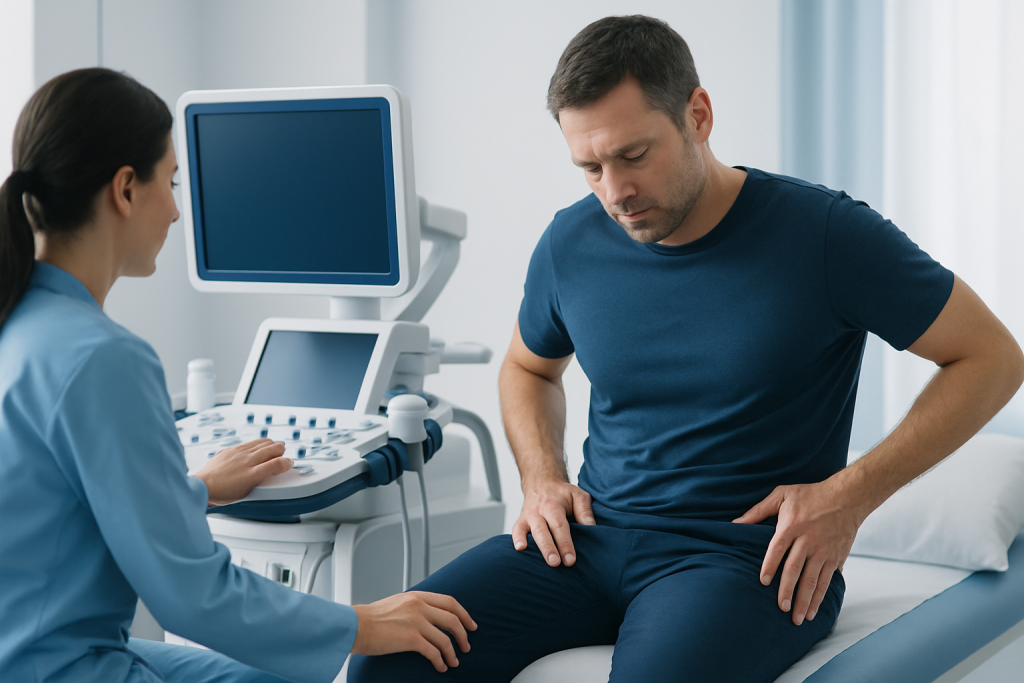
Hip flexor pain is usually felt at the front of the hip or deep in the groin. Some people describe a pulling sensation when taking a long step, while others notice pain only when lifting the knee, accelerating in sport, or rising from a seated position.
Common symptoms may include:
- Pain in the front of the hip, groin, or upper thigh
- Stiffness after sitting for a long time
- Discomfort when walking uphill, climbing stairs, or running
- Tenderness when pressing on the front of the hip
- Reduced range of motion or a feeling of tightness
More intense strains can cause swelling, bruising, weakness, or pain that appears suddenly during a kick, sprint, or stumble. If the pain is accompanied by fever, significant swelling, numbness, inability to bear weight, or pain after a major fall, medical review should not be delayed.
Causes & Risk Factors
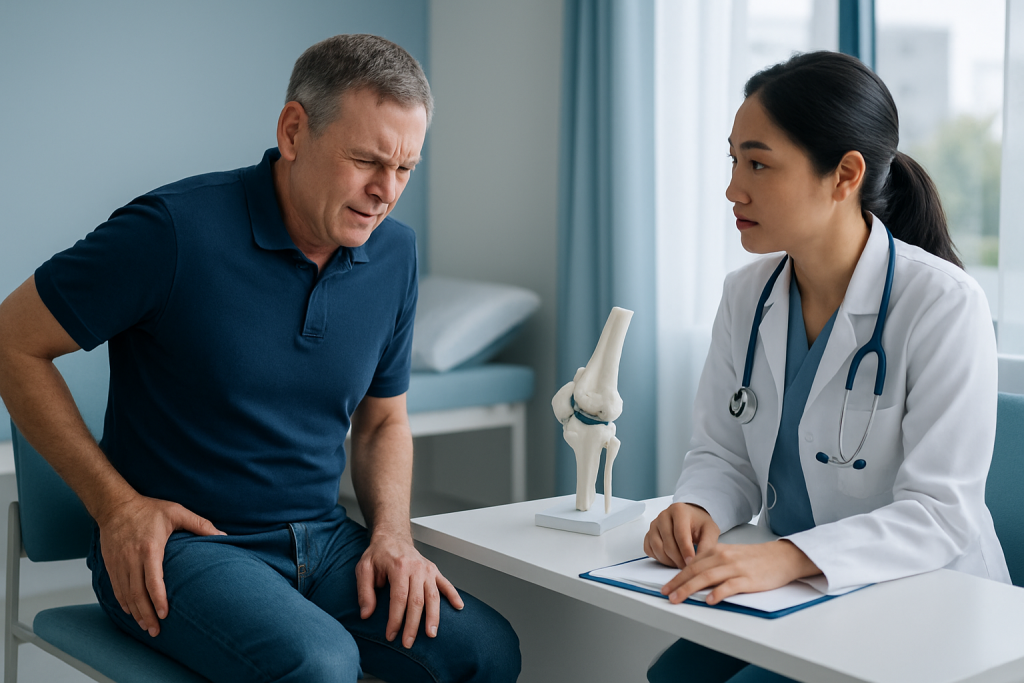
Hip flexor pain is most often linked to overuse or a muscle strain. Repetitive movements, sudden increases in training, or starting a new activity too quickly can irritate the iliopsoas and nearby muscles. People who sit for long periods may also develop tightness and reduced flexibility, which can make the area more vulnerable during movement.
Several factors can raise the chance of symptoms:
- Sports that involve sprinting, kicking, hurdling, or rapid direction changes
- Poor warm-up before exercise
- Weak core, gluteal, or pelvic muscles
- Previous hip, groin, or low-back injury
- Long periods of sitting, especially with limited movement breaks
- Structural hip conditions such as femoroacetabular impingement or arthritis
Not every pain in this region is a simple muscle problem. Tendon irritation, bursitis, labral injury, stress fracture, hernia, and some spine conditions can mimic hip flexor pain. That is one reason clinicians often ask detailed questions about how the pain started, what movements trigger it, and whether it changes with rest.
Diagnosis
Diagnosis usually begins with a conversation and a physical examination. A clinician will want to know where the pain is located, whether it started suddenly or gradually, and whether there was a specific activity or injury involved. They may also ask about exercise habits, work posture, recent travel, and whether pain occurs with walking, sitting, or twisting.
During the physical exam, the doctor may check hip motion, resistance against lifting the leg, tenderness in the groin, and whether the pain is coming from the hip joint itself rather than the muscle. In some cases, the provider may also examine the lower back and abdomen to make sure the source is not elsewhere.
Imaging is not always needed for a straightforward strain, but it can be helpful when symptoms are severe, persistent, or unusual. X-rays may show joint changes or structural issues, while ultrasound or MRI can evaluate tendons, muscles, bursae, and deeper soft tissues. For travelers or patients planning treatment abroad, bringing prior imaging and reports can make the consultation more efficient and help the team compare current findings with past injuries.
Treatment Options
Treatment depends on the cause, the severity of symptoms, and how long the pain has been present. For many people, the first steps are simple: reducing the activity that caused the irritation, avoiding painful movements for a short period, and allowing the tissue time to settle.
A common non-surgical plan may include:
- Relative rest rather than complete inactivity
- Cold or heat use, depending on what eases symptoms
- Anti-inflammatory or pain-relief medicines when appropriate and advised by a clinician
- Physical therapy to restore flexibility, strength, and control
- Gradual return to sport or exercise
Physical therapy is often central to recovery because it addresses not only the painful muscle, but also the movement patterns that led to the problem. Exercises may focus on hip mobility, core stability, glute strength, and a stepwise return to running or sport-specific movement. If the pain is related to tendon injury, impingement, or another hip disorder, treatment may need to be adjusted accordingly. Surgery is uncommon for isolated hip flexor strain, but it may be considered when another structural problem is identified.
Prevention & Self-care
Prevention is usually about reducing overload and improving movement quality. A body that is asked to sprint, lift, twist, or climb without preparation is more likely to protest. Small changes in routine can make a meaningful difference, especially for athletes, active travelers, and people who sit for much of the day.
Helpful habits include:
- Warming up before exercise and cooling down afterward
- Increasing training intensity gradually
- Taking movement breaks during long flights, drives, or desk work
- Building core, hip, and glute strength
- Keeping flexibility work gentle and consistent rather than aggressive
- Paying attention to footwear, running surfaces, and training volume
For self-care at home, it is best to avoid pushing through sharp pain. Gentle walking, light stretching that does not worsen symptoms, and following a rehabilitation plan are usually safer than forcing the hip into deep lunges or intense exercises too soon. If recovery is happening while abroad, patients may benefit from a written exercise plan that can be shared with a local physiotherapist or followed after returning home.
When to See a Doctor
Medical evaluation is advisable if hip flexor pain lasts more than a short period, keeps returning, or interferes with daily activities. Pain that does not improve with reasonable rest, or that appears after a fall or sudden injury, should be assessed rather than assumed to be a routine strain.
Prompt attention is especially important if there is difficulty bearing weight, visible swelling, bruising, fever, numbness, weakness, a catching sensation inside the hip, or pain that is spreading rather than settling. These features can point to a problem beyond a simple muscle irritation.
For patients seeking care during international travel, it is reasonable to arrange assessment sooner if the pain is limiting mobility, making airport transfers difficult, or affecting sleep. Acibadem Health Point’s multidisciplinary specialists and JCI-accredited hospitals can diagnose and treat hip-related conditions for international patients, helping coordinate evaluation, imaging, rehabilitation, and follow-up in a structured way.
Recovery and Return to Activity
Recovery is usually steady rather than immediate. Many people improve as they move from rest to gentle mobility, then to strengthening, and finally to more demanding activity. The pace depends on whether the problem is a simple strain or part of a more complex hip condition.
A good return-to-activity plan is guided by symptoms, not by the calendar alone. The hip should be able to tolerate walking, stair climbing, and basic strengthening without a noticeable flare before running, kicking, or high-intensity exercise is added. If pain keeps returning when activity increases, the progression may be too fast.
For travelers recovering away from home, follow-up planning matters. A clear note from the treating team, including the diagnosis, exercise guidance, and any warning signs, can make it easier to continue care with a local clinician or physiotherapist after the trip ends.
Frequently asked questions
01Is hip flexor pain the same as a groin strain?
Not always. The hip flexors sit near the groin, so the pain can feel similar, but groin strains may involve different muscles and movement patterns. A clinician can usually distinguish them with an exam and, if needed, imaging.
02Can hip flexor pain go away on its own?
Mild cases sometimes improve with rest, reduced activity, and gentle rehab. If the pain persists, returns often, or affects walking and daily movement, it should be evaluated.
03Should stretching help hip flexor pain?
Gentle stretching may help if tightness is part of the problem, but aggressive stretching can worsen a strain or tendon irritation. It is better to follow guidance from a clinician or physiotherapist on timing and technique.
04What is the most common cause of hip flexor pain?
Overuse and strain are common causes, especially in people who run, kick, sprint, or sit for long periods. However, pain in this area can also come from the hip joint or nearby structures, so the cause should not be assumed.
05When is imaging needed for hip flexor pain?
Imaging is more likely to be used when pain is severe, lasts longer than expected, follows a significant injury, or raises concern for another hip problem. Many straightforward strains do not need imaging right away.
06Can I travel with hip flexor pain?
Many people can, if the pain is mild and mobility is not limited. If walking, stairs, or long sitting are difficult, it is wise to be assessed first and to plan for movement breaks during travel.
This article is for general information only and is not a substitute for professional medical advice. Please consult a qualified doctor about your individual situation.
Joint and spine care in Turkey — expert assessment & treatment
JCI-accredited · board-certified surgeons · reply within 24h
Add us as a Preferred Source to see more of our trusted health content across Google Search, AI Overviews and Discover.