Hemorrhoids: Symptoms, Prevention, and Treatment Options

Noticed blood on the toilet paper, or a tender lump that makes sitting uncomfortable? Hemorrhoids are a very common reason for this. They are swollen blood vessels in or around the anus and lower rectum, and they can cause bleeding, itching, discomfort, or a lump you can feel.
The good news: most cases improve with simple self-care. But if your symptoms keep coming back or don’t settle, see a doctor — that’s the only way to confirm the diagnosis and choose the safest treatment for you.
Overview
Hemorrhoids, sometimes called piles, are swollen or enlarged blood vessels in the anal canal or around the anus. Everyone has normal vascular cushions in this area, which help with bowel control. They become a medical concern when they swell, bleed, protrude, itch, or cause pain.
Hemorrhoids are generally classified as internal or external. Internal hemorrhoids develop inside the rectum and may bleed without causing pain. External hemorrhoids develop under the skin around the anus and can feel like a tender lump, especially if a small clot forms inside them.
Hemorrhoids can be uncomfortable and awkward to talk about, but they are usually treatable. Many people improve with lifestyle measures such as more fiber, better toilet habits, and short-term symptom relief. When symptoms continue, several safe medical and procedural options are available.
Symptoms of Hemorrhoids
Hemorrhoid symptoms vary depending on the type, size, and degree of irritation. Internal hemorrhoids often cause painless bright red blood seen on toilet paper, in the toilet bowl, or on the surface of stool. They may also prolapse, meaning they slip down through the anus during a bowel movement and then return on their own or need gentle reduction.
External hemorrhoids more often cause discomfort, swelling, itching, or irritation around the anus. If a clot forms in an external hemorrhoid, it is called a thrombosed external hemorrhoid. This can create a firm, painful lump that may be most noticeable during sitting, walking, or bowel movements.
Common symptoms may include:
- Bright red rectal bleeding, especially during or after bowel movements
- Anal itching, burning, or irritation
- Pain or soreness around the anus
- Swelling or a lump near the anal opening
- Mucus leakage or a feeling of incomplete cleaning after bowel movements
Rectal bleeding has many possible causes — anal fissures, inflammation, polyps, or more serious bowel conditions — so don’t assume persistent or unexplained bleeding is just hemorrhoids. Let a doctor confirm the cause and guide your care.
Causes and Risk Factors
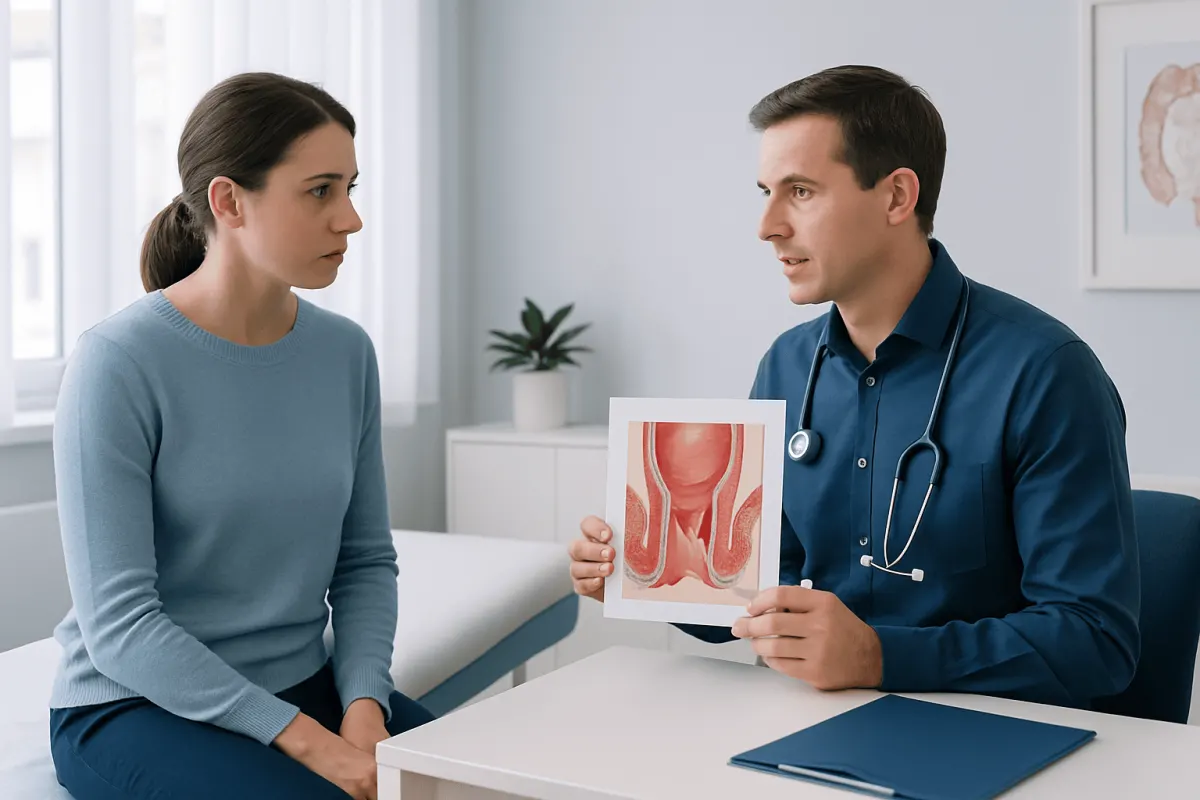
Hemorrhoids develop when pressure increases in the veins of the lower rectum and anus, or when the supporting tissues in this area weaken. Constipation and straining are among the most common contributing factors. Hard stools can irritate the anal canal, while repeated pushing increases pressure on hemorrhoidal tissues.
Prolonged sitting on the toilet can also contribute, even without severe straining. The position and extended time may place extra pressure on the anal area. Low dietary fiber, inadequate fluid intake, irregular bowel habits, and frequently delaying bowel movements can make stools harder and more difficult to pass.
Other risk factors include pregnancy, childbirth, obesity, heavy lifting, chronic diarrhea, and aging. During pregnancy, hormonal changes and pressure from the growing uterus can affect blood flow and bowel habits. With age, the connective tissues supporting the hemorrhoidal cushions may become less firm, making prolapse more likely.
For some people, hemorrhoids run in the family — but daily habits often matter just as much. Small changes to your bowel routine, diet, and activity level can reduce pressure in the anorectal area and keep symptoms from coming back.
Diagnosis
A doctor can usually diagnose hemorrhoids by discussing symptoms and performing a focused physical examination. The clinician may inspect the anal area for external hemorrhoids, skin irritation, fissures, or other visible causes of symptoms. A gentle digital rectal examination may be done to check for tenderness, masses, or internal abnormalities.
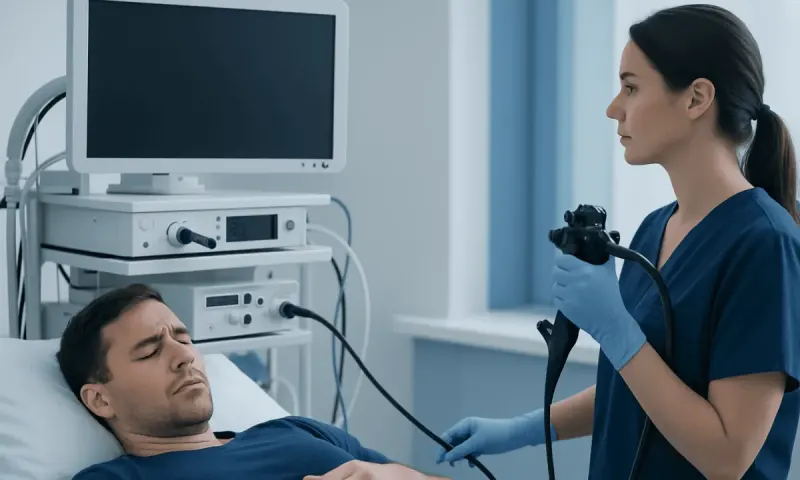
For suspected internal hemorrhoids, a doctor may use a short instrument such as an anoscope to view the anal canal. This can help identify bleeding hemorrhoids, prolapse, inflammation, or other local conditions. The examination is usually brief, and the healthcare team can explain each step beforehand to help the patient feel comfortable.
Additional testing may be recommended depending on age, medical history, family history, bowel habit changes, anemia, or the pattern of bleeding. A sigmoidoscopy or colonoscopy may be advised to evaluate the colon and rectum more fully, especially when bleeding is new, persistent, mixed with stool, or accompanied by other symptoms.
Diagnosis isn’t just about confirming hemorrhoids — it’s about making sure nothing else treatable is being missed. And don’t be embarrassed: talking about rectal symptoms is routine for doctors, and coming in early usually makes treatment simpler.
Treatment Options
Treatment depends on symptom severity, hemorrhoid type, and how long the problem has been present. Mild hemorrhoids often improve with conservative care. This may include increasing dietary fiber, drinking enough fluids, using stool softening strategies when recommended, taking warm sitz baths, and avoiding straining or prolonged toilet sitting.
Short-term over-the-counter creams, ointments, pads, or suppositories may help reduce itching, irritation, or discomfort. These products should be used according to the label or medical advice, especially if they contain steroid ingredients. Pain relievers may be appropriate for some patients, but people with chronic conditions, pregnancy, stomach ulcers, kidney disease, or blood thinner use should ask a doctor or pharmacist before taking medicines.
If symptoms persist, office-based procedures may be considered for internal hemorrhoids. Rubber band ligation is a common option in which a small band is placed around the base of an internal hemorrhoid to reduce its blood supply. Other techniques may include sclerotherapy or infrared coagulation, depending on the case and local expertise.
Surgery is reserved for selected patients, such as those with large prolapsing hemorrhoids, recurrent symptoms despite other treatments, or certain complicated hemorrhoids. Procedures may include hemorrhoidectomy or stapled techniques in appropriate cases. A colorectal surgeon or gastroenterology specialist can explain benefits, recovery expectations, and possible risks based on the patient’s individual condition.
Prevention and Self-Care
The most effective prevention strategy is to keep bowel movements soft, regular, and easy to pass. Fiber adds bulk and helps stool retain water, which can reduce straining. Good sources include vegetables, fruits, legumes, whole grains, nuts, and seeds. Some people benefit from fiber supplements, but they should be introduced gradually to reduce gas or bloating.
Hydration and movement also support bowel regularity. Drinking fluids throughout the day, unless restricted by a doctor, can help fiber work properly. Regular walking or other physical activity may stimulate normal bowel function and reduce long periods of sitting.
Toilet habits matter more than you might think. When you feel the urge to go, go — don’t put it off. Avoid pushing hard, and leave the phone or reading material outside; long sits on the toilet add pressure. A footstool that raises your knees slightly can also make bowel movements easier for some people.
For symptom relief at home, warm sitz baths for several minutes, gentle cleaning with water or fragrance-free wipes, and wearing breathable underwear may reduce irritation. If symptoms do not improve within a reasonable time or keep returning, a doctor can help identify the cause and recommend more targeted treatment.
When to See a Doctor
Medical advice is recommended for any new rectal bleeding, persistent bleeding, or bleeding that occurs with changes in bowel habits. Although hemorrhoids are a common cause of bright red blood, evaluation is the safest way to confirm the diagnosis. This is especially important for adults over screening age for colorectal cancer or anyone with a family history of bowel disease.
Patients should also seek care if they have severe anal pain, a rapidly enlarging lump, fever, pus-like drainage, black or tarry stools, unexplained weight loss, dizziness, or symptoms of anemia such as unusual fatigue or shortness of breath. These symptoms don’t always mean something serious, but they should be checked without delay.
A doctor should be consulted when hemorrhoid symptoms last more than a week despite self-care, interfere with daily life, or recur frequently. Pregnant patients, people taking blood thinners, and those with immune system problems should ask for medical guidance before using medicines or delaying evaluation.
For international patients who need assessment or treatment, Acıbadem Health Point’s multidisciplinary specialists and JCI-accredited hospitals provide diagnosis and care for hemorrhoids and related colorectal conditions. Talk openly with a qualified healthcare professional about your symptoms — that’s the best way to find the plan that fits you.
Frequently asked questions
01Are hemorrhoids dangerous?
Usually not — but they can cause discomfort, bleeding, and repeated irritation. What matters most is getting any new, persistent, or unexplained rectal bleeding checked. A doctor can confirm whether hemorrhoids are the cause and rule out other conditions.
02What is the difference between internal and external hemorrhoids?
Internal hemorrhoids are located inside the rectum and often cause painless bright red bleeding or prolapse. External hemorrhoids form under the skin around the anus and are more likely to cause pain, swelling, itching, or a tender lump. A person can have both types at the same time.
03Can hemorrhoids go away on their own?
Mild hemorrhoids often improve with fiber, fluids, warm baths, and avoiding straining. Swelling and irritation may settle over several days, although the tendency to recur can remain if constipation or toilet habits do not improve. Persistent or repeated symptoms should be discussed with a healthcare professional.
04What foods help prevent hemorrhoids?
High-fiber foods can help make stools softer and easier to pass. Good choices include fruits, vegetables, beans, lentils, oats, whole grains, nuts, and seeds. Fiber should be increased gradually, and adequate fluid intake is important unless a doctor has advised fluid restriction.
05Do hemorrhoid creams cure hemorrhoids?
Hemorrhoid creams may reduce itching, burning, swelling, or discomfort for a short time, but they do not always remove the underlying cause. Long-term prevention usually depends on bowel habit changes, fiber, and reducing pressure during bowel movements. If creams are needed repeatedly, medical evaluation is advisable.
06When is surgery needed for hemorrhoids?
Surgery is usually considered only when hemorrhoids are large, prolapsing, very symptomatic, or not improved with conservative care and office procedures. Many patients do not need surgery. A specialist can explain whether a procedure is appropriate and what recovery may involve.
This article is for general information only and is not a substitute for professional medical advice. Please consult a qualified doctor about your individual situation.
Persistent digestive symptoms? Get evaluated in Turkey
JCI-accredited · board-certified surgeons · reply within 24h
Add us as a Preferred Source to see more of our trusted health content across Google Search, AI Overviews and Discover.