Lumbar Hernia: Symptoms and Treatment Options
A lumbar hernia is a rare type of abdominal wall hernia in which fatty tissue or part of the intestine pushes through a weak area in the lower back or flank. It usually needs medical assessment because imaging can confirm the diagnosis and surgery is commonly recommended to prevent enlargement or complications.
Lumbar Hernia Overview
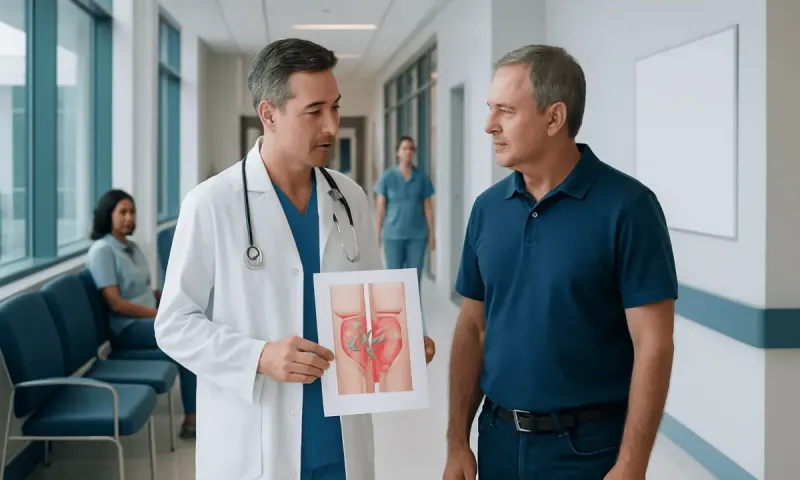
A lumbar hernia is an uncommon hernia of the posterolateral abdominal wall, meaning the muscles and supporting tissues at the side of the lower back. A hernia occurs when internal fat or, less often, an organ such as part of the bowel moves through a weakness or opening in the surrounding muscle and connective tissue. This can create a soft or noticeable swelling in the flank, between the lower ribs and the upper part of the hip.
Unlike more familiar inguinal hernias in the groin or umbilical hernias near the navel, a lumbar hernia may be mistaken for a lipoma, muscle strain, kidney-area swelling, or another soft-tissue lump. The condition should be assessed by a qualified clinician, particularly when a new or enlarging bulge appears. Although many lumbar hernias develop gradually, they do not usually heal without treatment.
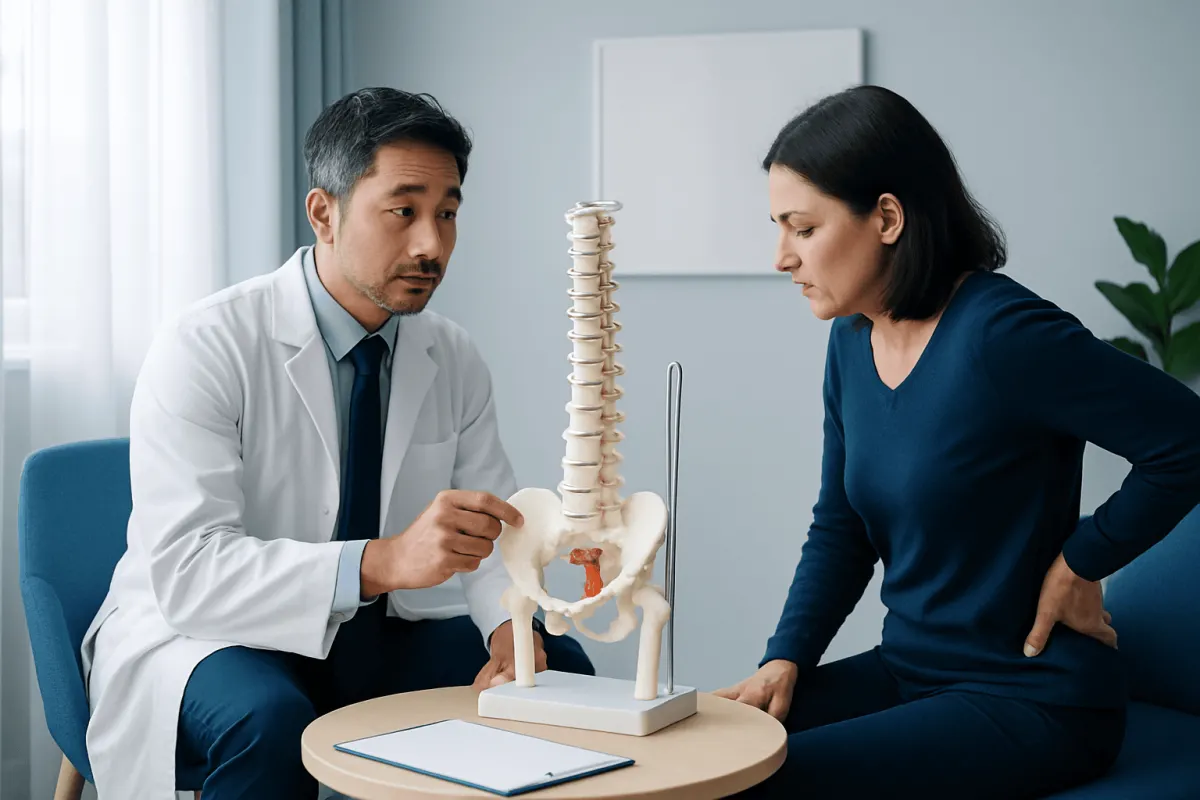
Doctors describe two natural weak points in the lumbar region. The superior lumbar triangle is located higher in the flank, below the lower ribs, while the inferior lumbar triangle is closer to the upper hip. A lumbar hernia can occur through either area, through a previous surgical incision, or through another acquired weakness in the abdominal wall.
Symptoms and What a Lumbar Hernia Feels Like
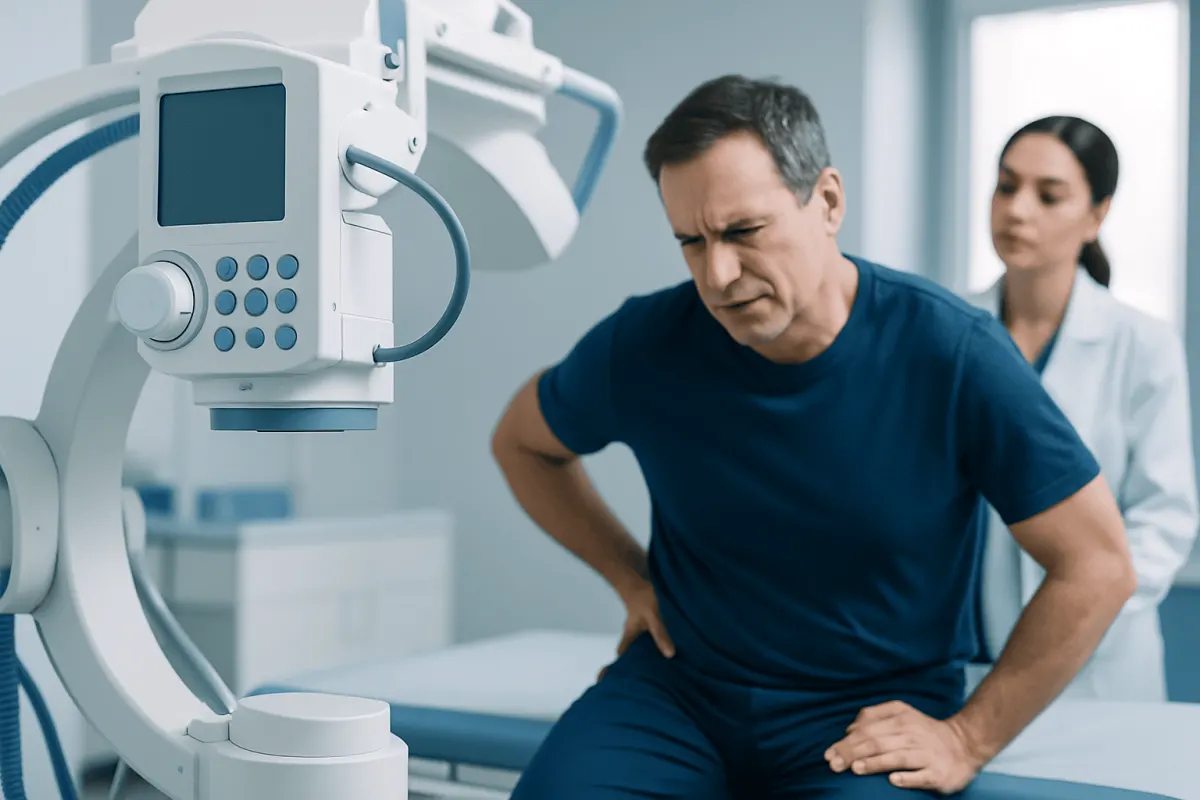
The most typical symptom is a bulge on one side of the lower back or flank. It may be soft, broad, or difficult to see when a person is lying down. The swelling often becomes more prominent while standing, coughing, laughing, lifting, or straining during a bowel movement. Some people notice that it reduces in size or disappears when they lie down.
Discomfort varies. A lumbar hernia may cause a feeling of pressure, heaviness, pulling, or aching in the flank, especially during movement or physical activity. It can also cause local tenderness, back discomfort, or difficulty finding a comfortable position. A small hernia may cause few symptoms, while a larger one can alter the contour of the waist or back.
Symptoms such as nausea, vomiting, abdominal bloating, worsening pain, fever, or inability to pass stool or gas are not typical of an uncomplicated hernia and need prompt assessment. They can indicate that herniated tissue is trapped or that bowel function is affected. A painful, hard, discolored, or non-reducible bulge should be treated as urgent.
Causes and Risk Factors
Lumbar hernias are classified as congenital or acquired. Congenital lumbar hernias are present at birth because of incomplete development of the muscles or connective tissues of the abdominal wall. They are uncommon and may occur alongside other developmental differences, so children with a suspected lumbar hernia should be evaluated by an experienced pediatric surgical team.
Most lumbar hernias are acquired later in life. They can develop after surgery involving the kidney, spine, colon, aorta, or flank, especially when an incision or surgical access point affects the abdominal wall. They may also follow a significant injury, infection, abscess, severe tissue inflammation, or a previous drain site. Hernias that arise through an operative scar are sometimes called incisional lumbar hernias.
Factors that increase strain on a weakened abdominal wall may contribute to hernia development or enlargement. These include repeated heavy lifting, chronic cough, constipation with frequent straining, pregnancy, obesity, smoking-related impaired tissue healing, and poor nutritional status. Age-related changes in muscle strength and connective tissue can also play a role. Having one or more risk factors does not mean a person will develop a lumbar hernia.
How Lumbar Hernia Is Diagnosed
Diagnosis begins with a medical history and physical examination. The clinician will ask when the lump appeared, whether it changes with posture or activity, and whether there has been previous surgery, trauma, infection, or symptoms of bowel obstruction. Examination may be performed both standing and lying down, with coughing or gentle straining used to make a hernia more apparent.
Imaging is often important because the lumbar region contains layers of muscle, fat, nerves, and nearby organs. A computed tomography (CT) scan is commonly used to show the location and size of the defect, the contents of the hernia sac, and the condition of nearby abdominal wall tissues. It also helps surgeons plan the most appropriate repair. Ultrasound may sometimes help assess a superficial or dynamic bulge, but it can be less definitive for deeper lumbar hernias.
Magnetic resonance imaging (MRI) may be considered when the diagnosis remains uncertain or when clinicians need more detail about muscles and soft tissues without using radiation. The care team will also consider other possible causes of a flank mass, including lipoma, hematoma, kidney-related conditions, abscess, tumor, or muscle injury. Accurate diagnosis is important because treatment differs substantially among these conditions.
Treatment Options and Surgical Repair
Because lumbar hernias can slowly enlarge and have a risk of trapping abdominal contents, surgery is generally the definitive treatment for medically fit patients. The timing depends on the size of the hernia, symptoms, overall health, prior operations, and imaging findings. A very small hernia in a person with major surgical risks may occasionally be monitored, but this decision should be individualized with a surgeon.
During repair, the surgeon returns the herniated tissue to its normal position and closes or reinforces the weakened area of the abdominal wall. Mesh reinforcement is commonly used because the lumbar muscles can be thin and the region is exposed to movement and pressure. Mesh may be positioned in different tissue layers depending on the anatomy, size of the defect, and whether the hernia is primary or related to previous surgery.
Repair may be performed through an open incision, minimally invasive laparoscopic surgery, or robotic-assisted surgery. No single technique is best for every person. Previous abdominal surgery, scar tissue, hernia size, the contents of the hernia, and the surgeon’s expertise all influence the approach. After repair, recovery plans typically include pain management, wound care, gradual walking, and temporary restrictions on strenuous lifting while tissues heal.
For international patients, Acıbadem Health Point’s multidisciplinary specialists and JCI-accredited hospitals can assess abdominal wall hernias and coordinate diagnostic imaging, surgical planning, and follow-up care. The appropriate treatment plan should always be based on an individual clinical evaluation.
Self-Care While Awaiting Assessment and After Repair
Self-care measures cannot close a lumbar hernia, but they may help reduce pressure and discomfort while a person awaits medical review. Avoiding heavy lifting, sudden twisting, and activities that clearly worsen the bulge may be sensible. Maintaining regular bowel movements, treating a persistent cough with medical guidance, and using correct lifting technique can reduce repeated straining on the abdominal wall.
A supportive garment may occasionally provide temporary comfort, but it should not be used as a substitute for assessment or repair. It is important not to forcefully push on a painful bulge. If a hernia is easily reducible and a clinician has advised gentle reduction, this should only be done according to their instructions.
After surgery, patients should follow the surgical team’s specific guidance about wound care, showering, driving, work, exercise, and lifting. Early, gentle walking is often encouraged to support circulation and recovery, while intense activity is reintroduced gradually. Stopping smoking, supporting good nutrition, and managing conditions such as diabetes can help wound healing and may reduce the chance of complications.
When to Seek Medical Care
A person should arrange a non-urgent medical appointment for a new lump in the flank or lower back, particularly if it becomes larger with coughing or standing, causes discomfort, or follows surgery or an injury. Early evaluation can clarify whether the swelling is a lumbar hernia or another condition and can help prevent unnecessary delay in treatment planning.
Urgent medical care is needed for sudden or severe pain at the site of a known or suspected hernia; a bulge that becomes firm, very tender, discolored, or cannot be gently reduced; or vomiting, fever, marked abdominal swelling, and inability to pass stool or gas. These symptoms may suggest incarceration or strangulation, in which herniated tissue has become trapped and its blood supply may be affected.
People who have had flank or abdominal surgery should also mention any persistent new bulge during postoperative follow-up. Even when symptoms are mild, a specialist review can help identify the safest next steps. Timely care is particularly important when symptoms change rapidly or interfere with daily activities.
Frequently asked questions
01Is a lumbar hernia dangerous?
A lumbar hernia is not always immediately dangerous, and some cause only mild discomfort. However, it can enlarge over time or trap fatty tissue or bowel. For this reason, a suspected lumbar hernia should be evaluated by a clinician, and urgent symptoms should not be ignored.
02Can a lumbar hernia heal without surgery?
A true lumbar hernia generally does not close on its own because it involves a structural weakness in the abdominal wall. Lifestyle measures can reduce strain and symptoms but do not repair the defect. Surgery is the usual definitive option when repair is appropriate for the individual.
03What is the difference between a lumbar hernia and back pain?
Back pain can arise from muscles, joints, nerves, discs, or other structures and does not usually produce a bulge that changes with coughing or standing. A lumbar hernia commonly causes a visible or palpable flank swelling, sometimes with pressure or aching. Imaging and clinical examination can distinguish the causes.
04Can a lumbar hernia contain bowel?
Yes. A lumbar hernia may contain fatty tissue, part of the colon or small intestine, or other abdominal contents, depending on its location and size. CT imaging can identify what is inside the hernia and help assess the need and approach for repair.
05How long is recovery after lumbar hernia surgery?
Recovery varies according to the repair method, hernia size, previous surgery, overall health, and whether complications are present. Many people resume light daily activity gradually, but lifting and strenuous exercise usually need to be restricted for a period set by the surgeon. Follow-up appointments help ensure appropriate healing.
06Can exercise cause a lumbar hernia?
Exercise alone is not usually the sole cause of a lumbar hernia, but repeated heavy straining can make an existing weakness more noticeable or contribute to enlargement. A previous incision, trauma, or naturally weak area in the abdominal wall often plays an important role. A person with a suspected hernia should seek medical advice before continuing heavy lifting or core-intensive training.
This article is for general information only and is not a substitute for professional medical advice. Please consult a qualified doctor about your individual situation.
Persistent digestive symptoms? Get evaluated in Turkey
JCI-accredited · board-certified surgeons · reply within 24h
Add us as a Preferred Source to see more of our trusted health content across Google Search, AI Overviews and Discover.