Hemorrhoids Symptoms: Early Signs You Should Not Ignore
You glance down after a bowel movement and see bright-red blood on the toilet paper. It’s a moment that stops most people cold. More often than not, hemorrhoids are behind it.
Hemorrhoid symptoms may include bright-red bleeding during bowel movements, anal itching, swelling, discomfort, or a tender lump near the anus. Hemorrhoids are common and often manageable. Still, new or persistent rectal bleeding should be assessed by a qualified clinician.
Overview: What Do Hemorrhoids Symptoms Feel Like?
Hemorrhoids symptoms commonly include bright-red blood after a bowel movement, itching or irritation around the anus, a feeling of fullness, swelling, or a lump near the anal opening. Some people have little or no pain, particularly with internal hemorrhoids, while others develop significant tenderness when an external hemorrhoid becomes swollen or clotted.
Hemorrhoids are enlarged or swollen veins in the lower rectum or around the anus. They are often described as internal when they develop inside the rectum and external when they occur under the skin around the anus. They are common, and symptoms can range from mild and occasional to persistent enough to affect comfort and daily routines.
Not all rectal bleeding comes from hemorrhoids. Fissures, inflammation, polyps, diverticular disease and colorectal cancer can bleed too. So if the bleeding is new, unexplained, keeps coming back, or is heavy, get it checked instead of assuming it’s hemorrhoids.
Common Hemorrhoids Symptoms and Early Signs
The earliest hemorrhoids symptoms may be mild and intermittent. A person may notice a small streak of bright-red blood on toilet paper, itching after bowel movements, mucus discharge, or a sensation that the bowel has not emptied completely. These symptoms may become more noticeable during periods of constipation, straining, pregnancy, or prolonged sitting.
- Bright-red rectal bleeding: Blood may appear on toilet paper, on the stool surface, or in the toilet bowl, often after passing a hard stool.
- Itching or irritation: Moisture, mucus, and difficulty cleaning the area may irritate the surrounding skin.
- Pain or soreness: This is more typical of external hemorrhoids or a thrombosed hemorrhoid, where a clot forms in the swollen vein.
- Swelling or a lump: An external hemorrhoid may feel like a tender bump. An internal hemorrhoid may protrude during a bowel movement.
- Prolapse: A prolapsed internal hemorrhoid extends outside the anus. It may go back in on its own or need gentle manual repositioning.
Symptoms can overlap with those of anal fissures and other anorectal conditions. Pain that is sharp during or after a bowel movement may be more consistent with a fissure, while fever, pus, severe worsening pain, or spreading redness requires prompt medical attention.
Why Hemorrhoids Develop: Causes and Risk Factors
Hemorrhoids develop when pressure increases in the veins of the lower rectum and anus. This pressure can stretch and enlarge the supporting tissue and blood vessels. Constipation and straining are common contributors because they increase pressure during bowel movements.
Risk factors include a low-fibre diet, not drinking enough fluids, regular heavy lifting, prolonged sitting, frequent diarrhea, obesity, pregnancy, and aging. Sitting on the toilet for long periods, especially while using a phone or reading, may also increase pressure in the anal area.
Pregnancy can lead to hemorrhoids because of hormonal changes, increased blood volume, pressure from the growing uterus, and straining during delivery. Symptoms often improve after childbirth, but persistent bleeding, pain, or a new lump should still be discussed with a clinician.
How Hemorrhoids Are Diagnosed
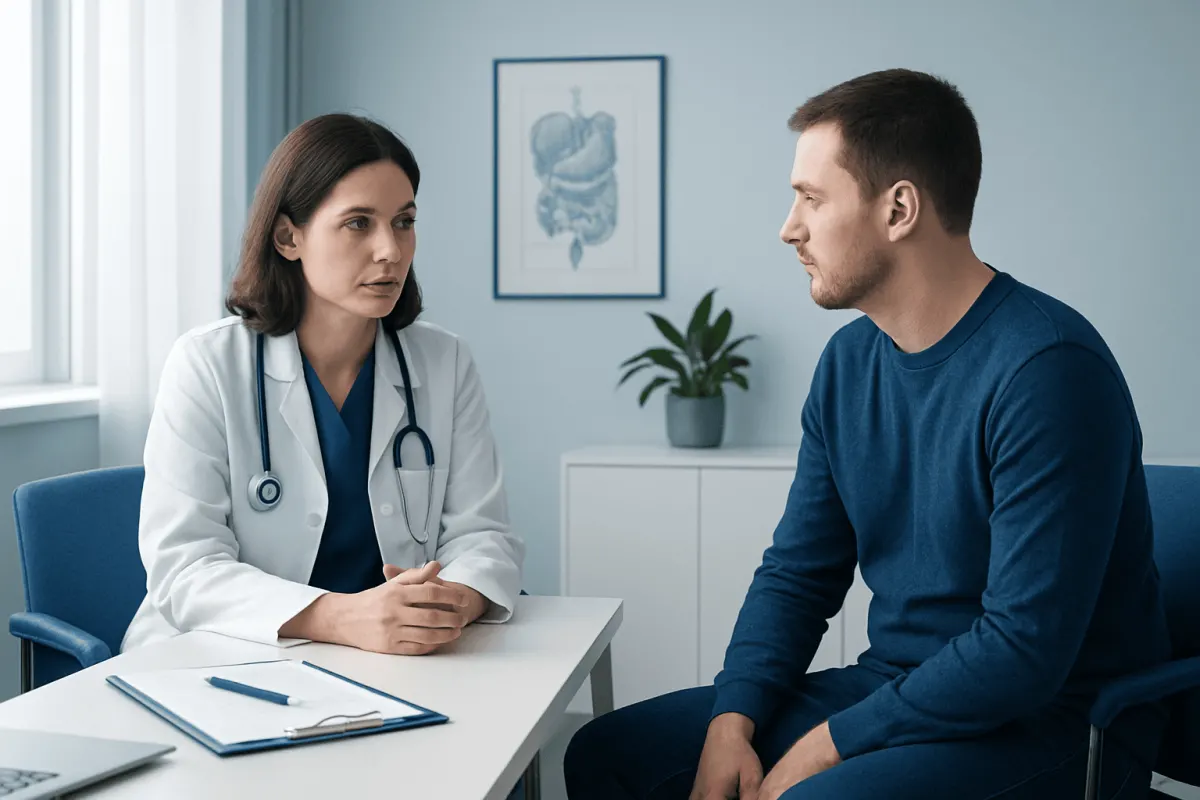
Diagnosis begins with a medical history focused on bleeding, pain, bowel habits, medication use, family history, and other symptoms such as weight loss or changes in stool pattern. A clinician may inspect the anal area and perform a gentle digital rectal examination to check for external hemorrhoids, tenderness, masses, or other concerns.
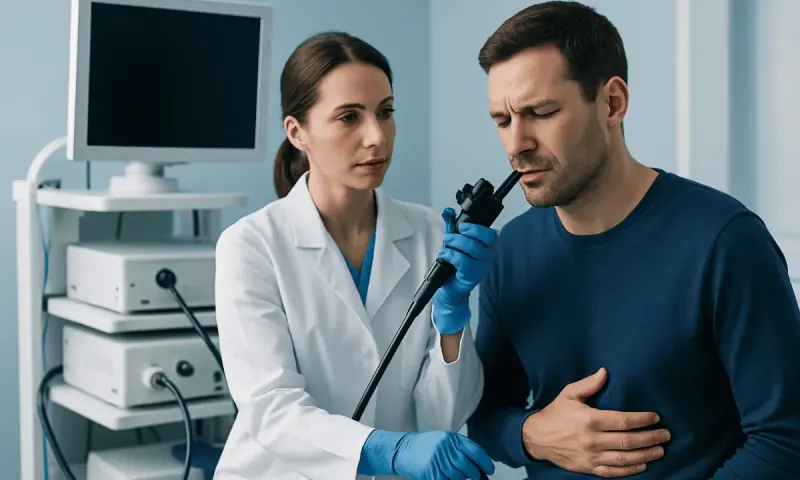
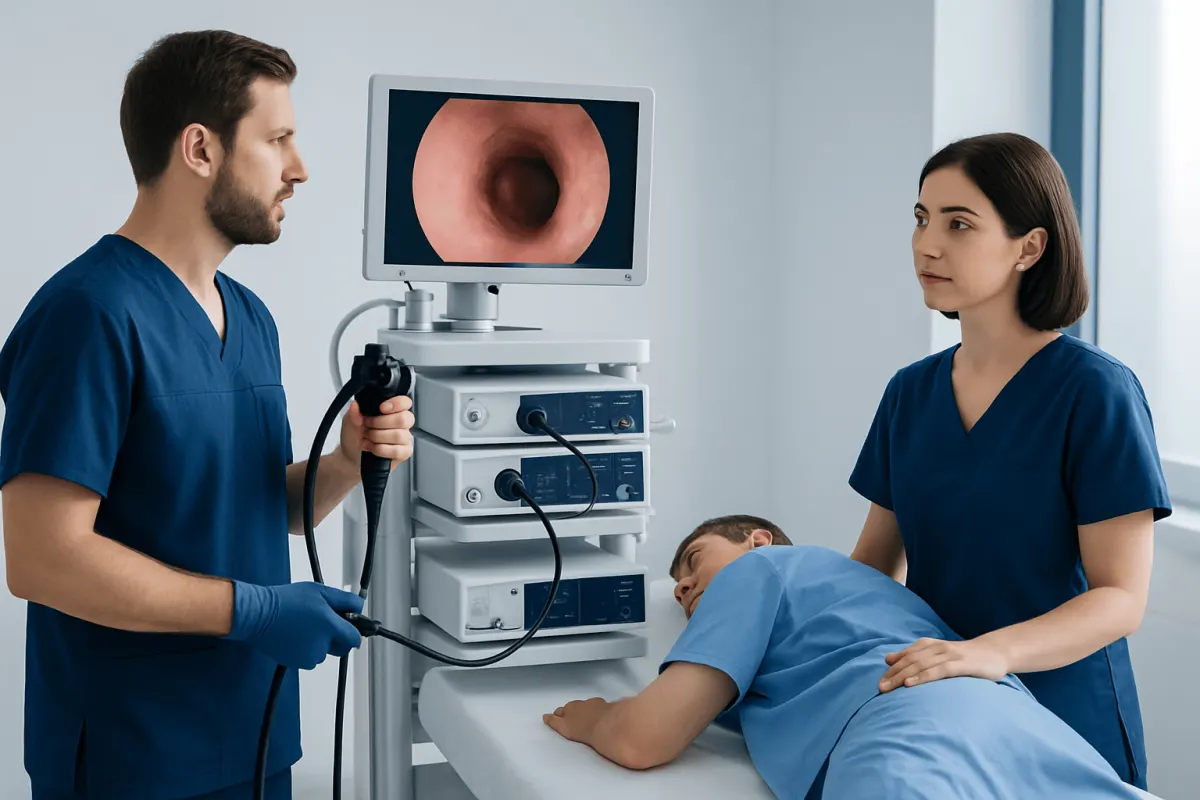
Internal hemorrhoids may be evaluated with anoscopy, a short examination using a small lighted instrument that allows the clinician to see the anal canal. Depending on a person’s age, bleeding pattern, risk factors, and screening history, further assessment of the colon may be recommended.
Don’t put bleeding down to hemorrhoids without an examination, especially if it is new, recurrent, dark in colour, mixed throughout the stool, or comes with anemia, abdominal symptoms, unintentional weight loss, or a change in bowel habits. None of these necessarily mean something serious, but each one deserves a proper look.
Treatment Options: From Self-Care to Procedures
Many people improve with conservative measures. Increasing dietary fibre gradually through foods such as vegetables, fruit, legumes, and whole grains can help make stools softer and easier to pass. Adequate fluid intake, regular physical activity, and responding promptly to the urge to have a bowel movement may also reduce straining.
A clinician may recommend short-term symptom relief measures, such as warm sitz baths, careful cleansing with water or unscented products, and selected topical treatments. Over-the-counter products may reduce discomfort for a short period, but persistent symptoms should not be managed with repeated self-treatment alone. A doctor or pharmacist can advise which options are appropriate, particularly during pregnancy or when taking other medicines.
If bleeding, prolapse, or discomfort continues despite lifestyle changes, office-based treatments may be considered. These can include rubber band ligation, sclerotherapy, or infrared coagulation. These procedures aim to reduce blood flow to the hemorrhoid or create scar tissue that helps hold it in place. More detailed information about assessment and procedural care is available through hemorrhoid treatment options.
Surgery may be recommended for large external hemorrhoids, advanced prolapse, recurrent symptoms, or cases that do not respond to less invasive approaches. The choice depends on hemorrhoid type, severity, overall health, and personal preferences.
Hemorrhoid Procedures: How They Work, Recovery, Benefits and Risks
Office-based procedures are usually most suitable for symptomatic internal hemorrhoids that have not improved with dietary and lifestyle measures. Rubber band ligation is one common option: a clinician places a small band around the base of an internal hemorrhoid, cutting off its blood supply. The tissue shrinks and usually falls away over the following days. Sclerotherapy involves injecting a solution that causes the hemorrhoid to shrink, while infrared coagulation uses heat to create scar tissue.
The procedure generally begins with an examination to confirm the source of symptoms and determine whether the person is a suitable candidate. It is commonly performed without a general anesthetic in an outpatient setting. During the treatment, a person may feel pressure or a brief urge to pass stool. The clinician then provides guidance on bowel care, pain management, activity, and warning signs during recovery.
Recovery after office treatment is often measured in days, although minor bleeding or discomfort can occur while treated tissue heals. Surgical hemorrhoid removal may require a longer recovery period, often with more postoperative discomfort but a lower likelihood of recurrence for severe disease. Benefits of treatment can include less bleeding, reduced prolapse, and improved comfort.
Possible risks vary by procedure and may include pain, bleeding, urinary difficulty, infection, recurrence, or complications related to anesthesia for surgery. Severe pain, heavy bleeding, fever, inability to pass urine, or worsening symptoms after a procedure should be reported urgently to the treating team.
Prevention and Everyday Self-Care
Most flare-ups start with bowel habits, so that is where to focus. Aim to pass stools without straining, don’t put off going when the urge comes, and keep your time on the toilet short. Using a small footstool may help some people adopt a more comfortable position for bowel movements.
Fibre should be increased gradually to reduce bloating and gas, and fluids should be sufficient for the individual’s health needs. People with heart, kidney, or other medical conditions that affect fluid intake should follow their clinician’s advice. Regular walking or other appropriate physical activity can support bowel regularity and reduce prolonged sitting.
Gentle hygiene can also reduce irritation. The area may be cleaned with water or soft, unscented toilet paper, then patted dry rather than rubbed. Avoiding fragranced wipes and harsh soaps may be helpful for sensitive skin. If symptoms recur frequently, a clinician can identify contributing factors and discuss longer-term management.
When to Seek Medical Care
See a doctor about any new rectal bleeding, particularly if it keeps happening, comes back, or you can’t explain it. Assessment is also important for a new anal lump, ongoing pain, symptoms that do not improve with self-care, or hemorrhoids that interfere with daily life.
Urgent medical attention is needed for heavy bleeding, dizziness or fainting, black or tar-like stools, severe anal pain with swelling, fever, or signs of infection. These symptoms may have causes other than hemorrhoids and should be evaluated without delay.
Acıbadem Health Point’s multidisciplinary specialists and JCI-accredited hospitals assess and treat hemorrhoid-related concerns for international patients, including evaluation of rectal bleeding and appropriate procedural care when needed.
Frequently asked questions
01What are the first signs of hemorrhoids?
Early hemorrhoids symptoms can include itching, mild irritation, bright-red blood on toilet paper, or a feeling of swelling after a bowel movement. Some people also notice a small lump near the anus. Because bleeding can have other causes, it should be discussed with a healthcare professional.
02Can hemorrhoids cause bleeding without pain?
Yes. Internal hemorrhoids often cause painless bright-red bleeding, especially during or after bowel movements. External hemorrhoids are more likely to cause pain, tenderness, or itching. A clinician should assess new or recurring bleeding.
03How long do hemorrhoid symptoms last?
Mild symptoms may improve within days to a few weeks with softer stools, reduced straining, and local care. Symptoms can recur if constipation or other triggers continue. Persistent, severe, or frequently recurring symptoms may need medical treatment.
04What does a hemorrhoid lump feel like?
An external hemorrhoid may feel like a soft or firm swelling at the anal opening. If a blood clot develops, it may become suddenly painful and feel firmer. Any new or changing lump should be examined to confirm its cause.
05Can hemorrhoids go away on their own?
Mild hemorrhoids may settle when bowel habits improve and pressure on the anal veins is reduced. However, enlarged tissue can remain and symptoms may return. Medical advice is appropriate if bleeding, pain, prolapse, or discomfort continues.
06When is hemorrhoid bleeding an emergency?
Heavy bleeding, faintness, dizziness, black stools, or bleeding with severe abdominal symptoms requires urgent medical care. Severe pain, fever, or rapidly increasing swelling should also be assessed promptly. These symptoms may not be caused by hemorrhoids alone.
This article is for general information only and is not a substitute for professional medical advice. Please consult a qualified doctor about your individual situation.
Persistent digestive symptoms? Get evaluated in Turkey
JCI-accredited · board-certified surgeons · reply within 24h
Add us as a Preferred Source to see more of our trusted health content across Google Search, AI Overviews and Discover.