Hemorrhagic Stroke Means Bleeding in or Around the Brain

A headache that hits like a thunderclap. One side of the face suddenly drooping. Words that won’t come out right. These are the moments when minutes matter, because the cause may be bleeding in or around the brain.
That is what a hemorrhagic stroke is, and it is a medical emergency that needs immediate treatment. Below we explain what it is, how it differs from other strokes, which symptoms should worry you, and how doctors diagnose and treat it.
What hemorrhagic stroke means
Hemorrhagic stroke is a stroke caused by bleeding in or around the brain. The bleeding can damage brain tissue directly and can also raise pressure inside the skull, which may reduce the brain’s oxygen supply. Because brain cells are very sensitive to pressure and interrupted blood flow, hemorrhagic stroke needs emergency evaluation and treatment.
There are two main forms. In intracerebral hemorrhage, a blood vessel ruptures within the brain tissue itself. In subarachnoid hemorrhage, bleeding occurs in the space around the brain, often from a ruptured aneurysm. Both are serious, but the underlying causes, symptoms, and treatment approach can differ.
Hemorrhagic stroke is different from ischemic stroke, which happens when a blood vessel is blocked rather than broken. This distinction matters because medicines used for one stroke type may be unsafe for the other. Early brain imaging is therefore essential to confirm the diagnosis and start the right treatment without delay.
How symptoms can appear
Symptoms of hemorrhagic stroke usually begin suddenly, although the exact pattern depends on where the bleeding happens and how large it is. Some people develop symptoms over minutes to hours, while others collapse very quickly. A sudden change in neurological function should always be treated as urgent.
Possible symptoms include:
- Sudden severe headache, sometimes described as the worst headache of a person’s life
- Weakness or numbness in the face, arm, or leg, often on one side
- Trouble speaking or understanding speech
- Confusion, drowsiness, or reduced alertness
- Difficulty walking, loss of balance, or dizziness
- Vision changes
- Nausea or vomiting
- Seizures
- Loss of consciousness
Subarachnoid hemorrhage often causes a sudden explosive headache and may also lead to neck stiffness, light sensitivity, vomiting, or fainting. Intracerebral hemorrhage more often causes weakness, speech problems, or worsening drowsiness. Even if the symptoms ease off, still get checked urgently — complications from bleeding can develop very fast.
Why hemorrhagic stroke happens

Hemorrhagic stroke happens when a blood vessel becomes weak or damaged and then ruptures. The most common cause of intracerebral hemorrhage is long-standing high blood pressure, which can gradually injure small arteries in the brain. In subarachnoid hemorrhage, a common cause is rupture of a brain aneurysm, which is a weakened bulging area in a blood vessel wall.
Other causes and risk factors include head trauma, blood vessel abnormalities such as arteriovenous malformations, certain bleeding disorders, liver disease, and use of medicines that increase bleeding risk such as anticoagulants. In older adults, cerebral amyloid angiopathy can weaken blood vessels and increase the chance of bleeding in the brain. Some brain tumors and illicit stimulant drugs can also be linked to brain hemorrhage.
Important risk factors include uncontrolled blood pressure, smoking, heavy alcohol use, diabetes, older age, and a personal or family history of aneurysm or stroke. Having a risk factor does not mean you will have a hemorrhagic stroke. But finding these problems and managing them lowers your risk over time. Patients who are being evaluated for related conditions may also hear doctors discuss stroke more broadly, since hemorrhagic and ischemic strokes can present with similar warning signs at first.
How doctors diagnose it quickly
Diagnosis begins with emergency assessment of breathing, circulation, level of consciousness, and neurological symptoms. Doctors ask when symptoms started, what medicines the person takes, and whether there was trauma, severe headache, or a history of high blood pressure or aneurysm. A focused neurological examination helps identify which parts of the brain may be affected.
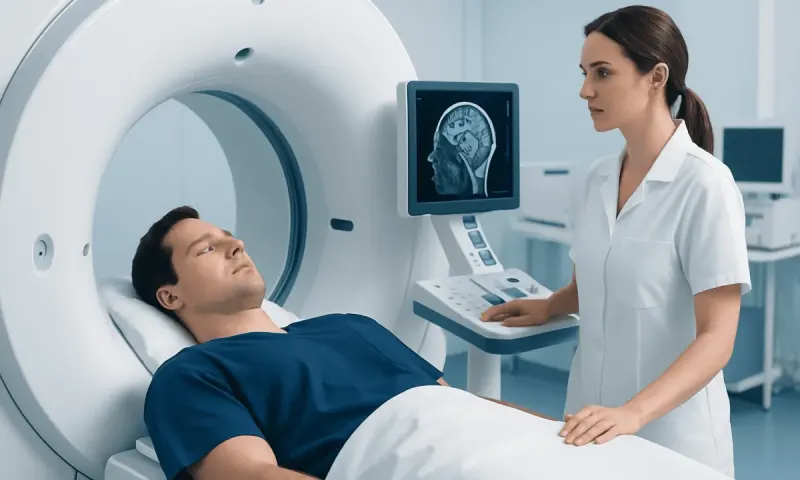
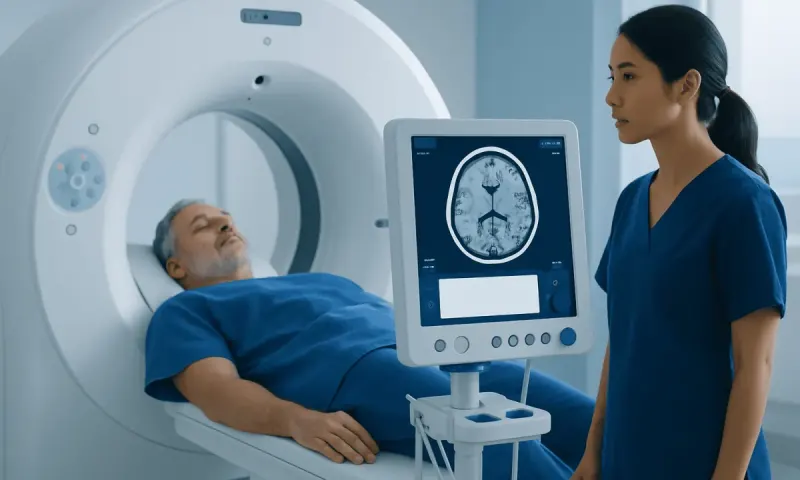
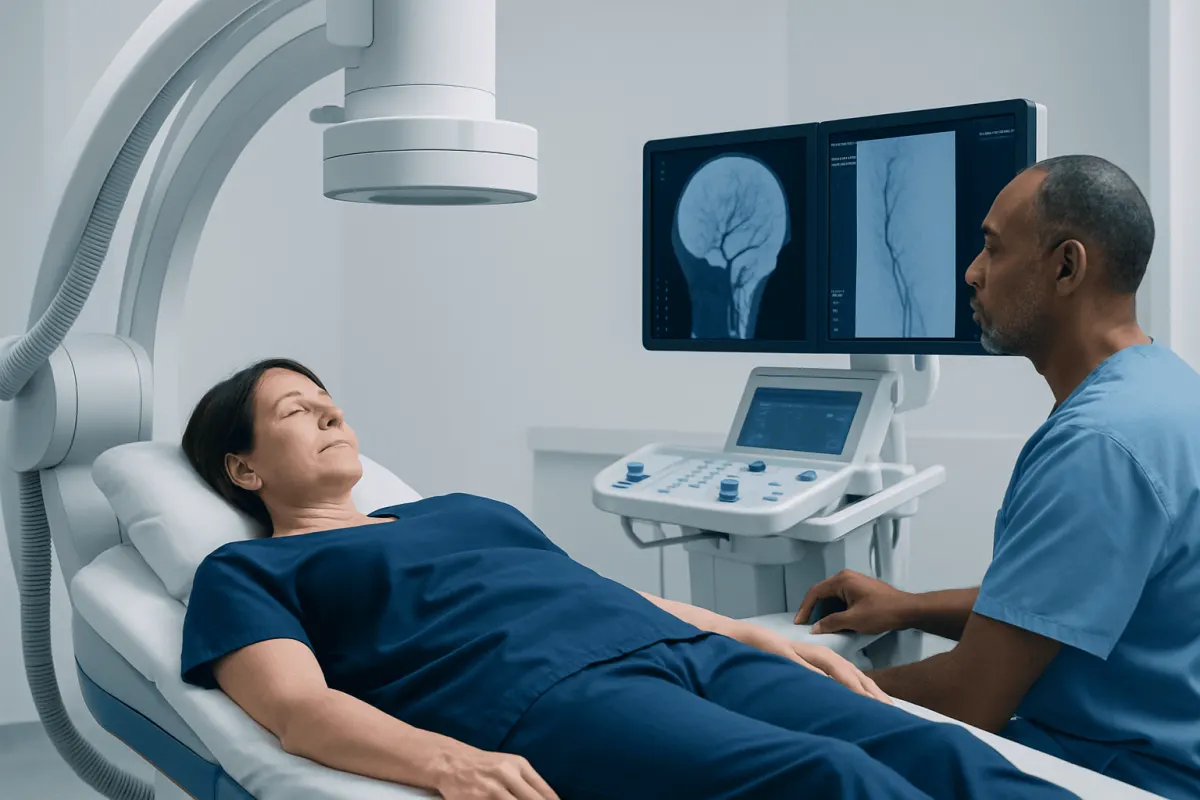
Brain imaging is the key next step. A non-contrast CT scan is commonly used first because it can quickly show fresh bleeding. MRI may also be used in certain situations. If doctors suspect an aneurysm or another blood vessel problem, they may order CT angiography, MR angiography, or catheter angiography to look more closely at the brain’s blood vessels.
Blood tests can help assess clotting, blood counts, kidney function, glucose, and other medical factors that affect treatment. Depending on the situation, the care team may monitor blood pressure closely, evaluate for increased pressure in the brain, and look for complications such as seizures or hydrocephalus. A fast diagnosis shapes what comes next: intensive care, medication, and possibly procedures such as interventional neuroradiology or neurosurgery.
Treatment and hospital care
Treatment for hemorrhagic stroke focuses on stabilizing the patient, limiting ongoing brain injury, and addressing the cause of bleeding when possible. Emergency care may include airway support, oxygen if needed, careful blood pressure control, management of blood sugar and temperature, and treatment of seizures. If a person is taking blood thinners, doctors may use reversal strategies to reduce further bleeding, depending on the specific medicine involved.
Some patients need care in an intensive care unit for close neurological monitoring. Doctors watch for rising intracranial pressure, rebleeding, hydrocephalus, and other complications. In selected cases, procedures may be needed to drain fluid, relieve pressure, or secure a ruptured aneurysm through clipping or endovascular techniques. What your team chooses depends on where the bleed is and how big it is, how you are doing overall, and whether the likely benefit outweighs the risk.
Not every hemorrhagic stroke requires open surgery, and not every patient is treated the same way. A multidisciplinary team often includes emergency physicians, neurologists, neurosurgeons, intensive care specialists, and rehabilitation professionals. For some patients, treatment may overlap with services such as stroke rehabilitation once they are medically stable.
Recovery starts in the hospital, but improvement can continue for months. The pace of recovery varies widely. Some people regain many functions, while others need longer-term support for mobility, speech, swallowing, cognition, or daily activities.
Recovery, rehabilitation, and living after stroke
After the emergency phase, the focus shifts toward recovery and prevention of future problems. Rehabilitation often begins early and may include physical therapy, occupational therapy, speech and language therapy, and swallowing assessment. These services help people improve strength, coordination, communication, and independence in daily life.
Emotional and cognitive changes are also common after a hemorrhagic stroke. A person may notice fatigue, slowed thinking, memory problems, mood changes, anxiety, or depression. Family members may need guidance as well, since caregiving can be physically and emotionally demanding. Regular follow-up lets the care team adjust the recovery plan as things change.
Secondary prevention is an important part of long-term care. This usually includes careful control of blood pressure, review of medicines, smoking cessation, healthy nutrition, sleep assessment, and gradual return to physical activity as advised by the medical team. If a structural cause such as an aneurysm or vascular malformation is found, specialists may recommend specific treatment or surveillance. Near the end of the care pathway, some international patients may choose centers such as Acıbadem Health Point, where multidisciplinary specialists in JCI-accredited hospitals diagnose and treat complex neurological conditions.
Prevention and self-care
Not all hemorrhagic strokes can be prevented, but many risk factors can be addressed. The most important step for many adults is keeping blood pressure in a healthy range through regular medical follow-up, lifestyle changes, and prescribed treatment when needed. High blood pressure rarely makes you feel anything. That is exactly the problem — it damages blood vessels quietly, year after year.
Other useful prevention measures include avoiding tobacco, limiting alcohol, managing diabetes, maintaining a healthy weight, staying physically active, and discussing any bleeding risk with a doctor before taking new medicines or supplements. People taking anticoagulants should have regular follow-up and use them only as prescribed. Head injury prevention, such as wearing seat belts and helmets when appropriate, can also reduce risk.
Self-care after a hemorrhagic stroke includes taking medicines exactly as directed, attending follow-up appointments, and reporting new symptoms promptly. It can help to keep a list of medicines, blood pressure readings, and questions for the care team. Patients should not stop or restart blood-thinning medicines on their own without medical advice.
When to seek medical care
Seek emergency medical care immediately for any possible stroke symptoms. This includes sudden facial drooping, arm weakness, speech difficulty, severe headache, confusion, vision loss, collapse, seizure, or loss of consciousness. It is safest to call emergency services rather than drive, because symptoms can worsen on the way and treatment may need to start quickly.
Medical review is also important after discharge if there are new or worsening headaches, increasing drowsiness, repeated vomiting, fever, seizures, sudden changes in weakness or speech, chest pain, or trouble breathing. People recovering from hemorrhagic stroke should keep all follow-up appointments and discuss any concerns about medicines, swallowing, mobility, or mood. Speak up early with a qualified doctor. It helps prevent complications and keeps recovery on track.
Frequently asked questions
01Is a hemorrhagic stroke the same as a brain bleed?
A hemorrhagic stroke is a type of brain bleed that affects the brain or the space around it. However, not every brain bleed is described in exactly the same way, so doctors use imaging to identify the precise location and cause.
02What is the difference between hemorrhagic stroke and ischemic stroke?
Hemorrhagic stroke is caused by bleeding from a ruptured blood vessel, while ischemic stroke is caused by a blocked blood vessel. The difference is very important because treatments that help one type may be unsafe for the other.
03Can a person recover from a hemorrhagic stroke?
Yes, recovery is possible, but it varies from person to person. Outcome depends on factors such as the size and location of the bleed, how quickly treatment begins, age, overall health, and whether complications develop.
04What is the most important risk factor for hemorrhagic stroke?
High blood pressure is one of the most important and most common risk factors. Over time, uncontrolled blood pressure can weaken blood vessels in the brain and increase the chance that one may rupture.
05Does a sudden severe headache always mean hemorrhagic stroke?
No, a sudden severe headache can have several causes, but it should never be ignored. Because a subarachnoid hemorrhage can present this way, urgent medical evaluation is important, especially if headache comes with vomiting, neck stiffness, weakness, confusion, or fainting.
06Will surgery always be needed for hemorrhagic stroke?
No, surgery is not needed in every case. Some patients are treated mainly with close monitoring, blood pressure management, and supportive care, while others may benefit from procedures to relieve pressure or treat an aneurysm or vascular abnormality.
This article is for general information only and is not a substitute for professional medical advice. Please consult a qualified doctor about your individual situation.
Explore treatments in Turkey — costs, top hospitals & a free quote
JCI-accredited · board-certified surgeons · reply within 24h
Add us as a Preferred Source to see more of our trusted health content across Google Search, AI Overviews and Discover.