Acute Ischemic Stroke: Urgent Treatment for Brain Health
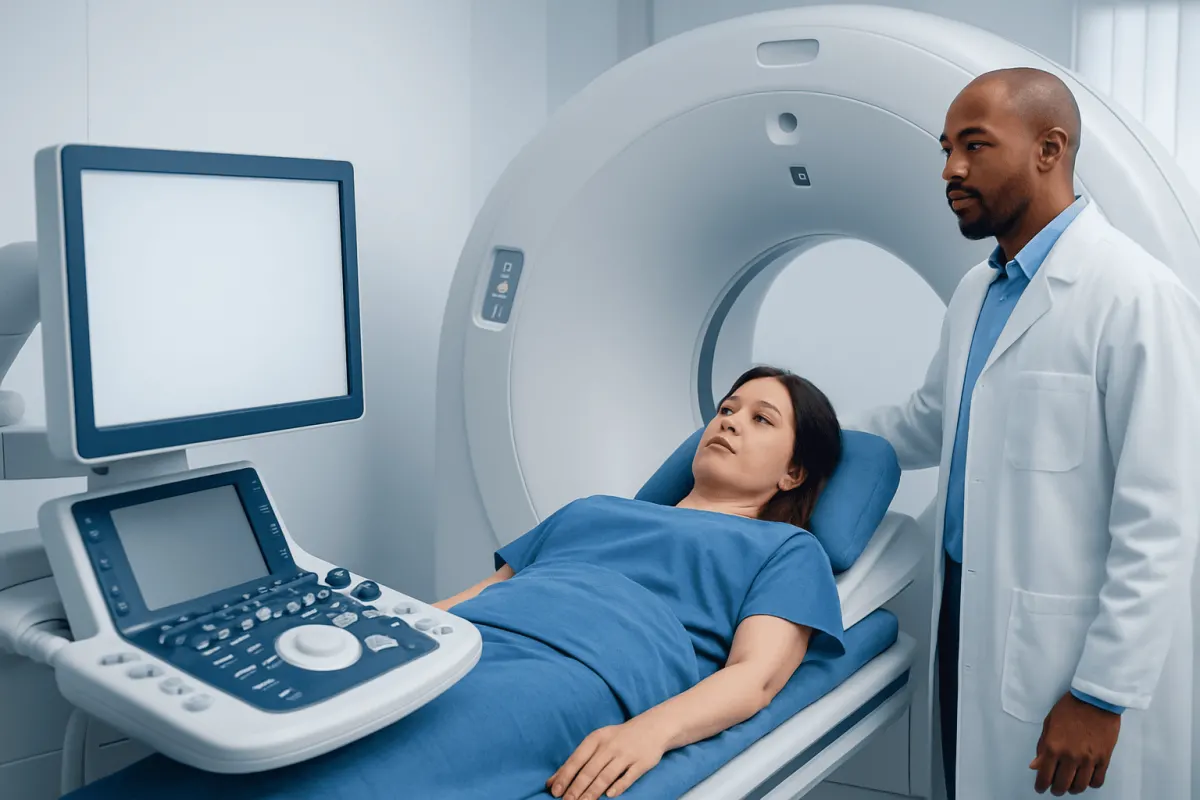
Acute ischemic stroke occurs when a blood clot or narrowed artery blocks blood flow to part of the brain. It requires immediate emergency assessment because restoring circulation quickly may reduce brain injury and support better recovery.
Overview: What Is Acute Ischemic Stroke?
Acute ischemic stroke is a sudden loss of blood flow to an area of the brain. Brain cells need a continuous supply of oxygen and nutrients from the blood. When an artery becomes blocked, the affected brain tissue can stop working within minutes, causing sudden symptoms such as weakness, trouble speaking, or changes in vision.
The blockage is usually caused by a blood clot. It may form in an artery supplying the brain, often where fatty deposits have narrowed the vessel. It can also travel from another part of the body, most commonly the heart, and lodge in a brain artery. This is different from hemorrhagic stroke, which results from bleeding in or around the brain.
The word acute means that symptoms have started suddenly and require urgent attention. Stroke care focuses on identifying the type and location of the blockage quickly, protecting breathing and circulation, and determining whether treatments to reopen the artery are appropriate. Even if symptoms improve or disappear, urgent assessment remains essential because a transient episode can be an important warning sign.
Recognizing the Warning Signs
Stroke symptoms typically begin suddenly. They depend on the area of the brain affected and may be mild, severe, or fluctuate over time. A person does not need to have every possible symptom for a stroke to be present, and symptoms should never be watched at home to see whether they pass.
A simple way to remember common signs is FAST: facial drooping, arm weakness, speech difficulty, and time to call emergency services. However, acute ischemic stroke can also cause symptoms beyond the FAST signs, particularly when different brain regions are involved.
- Sudden numbness or weakness of the face, arm, or leg, especially on one side of the body
- New difficulty speaking, understanding words, reading, or writing
- Sudden loss of vision, double vision, or visual-field loss
- New dizziness, unsteadiness, trouble walking, or loss of coordination
- Sudden confusion, drowsiness, or difficulty swallowing
- A sudden severe headache, although headache is more commonly associated with bleeding strokes
It is helpful for relatives or bystanders to note the exact time the person was last known to be well. This information can guide treatment decisions. They should not give food, drink, aspirin, or other medicines unless instructed by emergency clinicians, as swallowing may be unsafe and not all strokes are caused by a clot.
Why It Happens: Causes and Risk Factors

Acute ischemic stroke has several possible mechanisms. In large-artery atherosclerosis, fatty plaque builds up in major neck or brain arteries and may narrow the vessel or trigger a clot. In cardioembolic stroke, a clot forms in the heart and travels to the brain. Neurology for Stroke Prevention: Which Patients May Benefit?" class="ahp-ilk">Stroke Prevention in Atrial Fibrillation: How Doctors Choose Between Drugs and Procedures" class="ahp-ilk">Atrial fibrillation, an irregular heart rhythm, is an important cause because it can allow blood to pool and clot in the heart.
Small-vessel disease affects the tiny arteries deep in the brain and is strongly associated with long-term high blood pressure and diabetes. Less common causes include artery tears, certain inflammatory or clotting disorders, and structural heart conditions. A detailed evaluation helps clinicians identify the most likely cause and select prevention measures tailored to the individual.
Some stroke risk factors cannot be changed, including older age, family history, and a previous stroke or transient ischemic attack. Many others can be managed. These include high blood pressure, high cholesterol, diabetes, smoking, physical inactivity, obesity, excess alcohol intake, sleep apnea, and heart rhythm disorders. Risk may also be influenced by pregnancy-related conditions, certain medications, and recreational drug use in some individuals.
A transient ischemic attack, often called a TIA or “mini-stroke,” causes temporary stroke-like symptoms without lasting injury seen on standard imaging. It is still an emergency warning event. Prompt assessment after a TIA can identify risks and help prevent a more serious stroke.
How Doctors Confirm the Diagnosis
In the emergency setting, clinicians first assess symptoms, the time of onset, medical history, medicines, blood pressure, blood glucose, oxygen levels, and neurological function. Low blood sugar, seizures, migraine, infection, and other conditions can sometimes resemble stroke, so rapid testing is important.
A non-contrast CT scan of the head is commonly performed immediately because it can identify bleeding and help exclude other urgent causes of symptoms. CT angiography or magnetic resonance imaging may show a blocked artery, the brain tissue affected, and whether there is tissue that could still benefit from restoring blood flow. These scans guide decisions without delaying time-sensitive care.
Further tests may include blood tests, an electrocardiogram, heart rhythm monitoring, ultrasound of the neck arteries, and heart imaging. The results help clarify whether the stroke is related to atrial fibrillation, narrowed carotid arteries, heart disease, small-vessel disease, or another cause. Clinicians also evaluate swallowing early to reduce the risk of food or fluid entering the lungs.
Emergency Treatment and Hospital Care
The priority in acute ischemic stroke is to restore blood flow safely when possible. For selected patients who arrive within an appropriate treatment window and meet eligibility criteria, clinicians may use intravenous thrombolysis, a medicine designed to dissolve a clot. Suitability depends on brain imaging, symptom timing, medical history, bleeding risk, and other individual factors.
For some people with a blockage in a major brain artery, mechanical thrombectomy may be considered. In this catheter-based procedure, a specialist guides a device through an artery to remove the clot. Advanced imaging can help identify people who may benefit, including selected patients whose symptoms started earlier or who woke with symptoms. Not every stroke is suitable for this approach.
Hospital treatment also addresses fever, blood sugar, hydration, blood pressure, oxygen needs, swallowing, and prevention of complications such as blood clots in the legs. Antiplatelet medicines, anticoagulants for certain heart-related causes, cholesterol-lowering treatment, or procedures for severely narrowed carotid arteries may be recommended later, depending on the cause and the person’s circumstances.
Stroke treatment is individualized and should be led by an experienced emergency and stroke team. Acıbadem Health Point’s multidisciplinary specialists in JCI-accredited hospitals diagnose and treat stroke for international patients, coordinating emergency neurology, imaging, interventional care, and rehabilitation when needed.
Recovery, Rehabilitation, and Life After Stroke
Recovery after acute ischemic stroke varies widely. Some people regain function quickly, while others need longer-term support. The extent of recovery depends on the location and size of the stroke, how quickly blood flow was restored, overall health, and access to rehabilitation. Improvement can continue for months or longer, especially with regular practice and appropriate support.
Rehabilitation often begins in hospital as soon as the person is medically stable. A coordinated team may include physiotherapists, occupational therapists, speech and language therapists, rehabilitation physicians, nurses, dietitians, psychologists, and social workers. Goals can include safer mobility, arm and hand use, communication, swallowing, thinking skills, independence with daily activities, and planning a safe return home.
Changes in mood, fatigue, anxiety, depression, memory, and concentration are common after stroke and deserve attention. Family members and caregivers may also need education and practical support. Follow-up appointments are important for reviewing function, medications, emotional health, and new symptoms, as well as for adjusting the rehabilitation plan.
Reducing the Risk of Another Stroke
Secondary prevention starts soon after an ischemic stroke or TIA. The best plan depends on the underlying cause, so prescribed medicines should be taken exactly as directed and should not be stopped without medical advice. Regular follow-up helps ensure that blood pressure, cholesterol, blood glucose, and heart rhythm are being managed effectively.
Helpful daily measures include avoiding tobacco, limiting alcohol, choosing a balanced eating pattern rich in vegetables, fruits, legumes, whole grains, and unsaturated fats, and reducing excess salt and highly processed foods. Gradual physical activity is beneficial for many people, but the type and intensity should be discussed with the treating team, especially during early recovery.
People with atrial fibrillation should understand their individual plan for stroke prevention, which may include anticoagulant medication. Those with diabetes, sleep apnea, or high blood pressure benefit from consistent treatment and monitoring. Keeping a current list of medicines, attending rehabilitation and follow-up visits, and involving family or caregivers in care planning can make long-term prevention more manageable.
When to Seek Medical Care
Emergency medical care is needed immediately for any sudden possible stroke symptom, even if it is painless, mild, or improves after a few minutes. Call the local emergency number rather than driving the person to hospital if emergency transport is available. Paramedics can begin assessment en route and alert the receiving hospital’s stroke team.
Urgent medical review is also needed after a possible TIA, such as a brief episode of one-sided weakness, speech difficulty, or vision loss that has fully resolved. It may signal a high short-term risk of stroke, and the cause should be investigated without delay.
After a stroke, seek prompt medical advice for new or worsening neurological symptoms, repeated falls, choking or coughing during meals, severe medication side effects, persistent low mood, or difficulty coping at home. A healthcare professional can assess whether emergency care, medication changes, additional rehabilitation, or other support is needed.
Frequently asked questions
01Is acute ischemic stroke different from a hemorrhagic stroke?
Yes. An acute ischemic stroke is caused by a blocked blood vessel that reduces blood flow to the brain. A hemorrhagic stroke is caused by bleeding from a blood vessel in or around the brain. Brain imaging is needed urgently because treatments for these stroke types differ.
02Can an ischemic stroke happen without pain?
Yes. Many ischemic strokes are painless and instead cause sudden weakness, numbness, speech problems, visual changes, or loss of balance. The absence of pain should never delay emergency care when stroke symptoms are possible.
03What should someone do while waiting for emergency help?
The person should be kept safe, observed, and positioned comfortably, preferably with their head slightly raised if they are awake and breathing normally. Do not give food, drink, aspirin, or other medicines unless advised by emergency professionals. Note when symptoms started or when the person was last known to be well.
04Can people recover fully after an acute ischemic stroke?
Some people recover most or all of their function, while others have lasting physical, communication, thinking, or emotional effects. Recovery is individual and may continue over time with rehabilitation and treatment of contributing health conditions. Early assessment and consistent follow-up support the best possible recovery.
05Does aspirin prevent every type of ischemic stroke?
No. Aspirin may be appropriate for some people, but it is not suitable for everyone and does not replace other treatments. For example, some strokes related to atrial fibrillation require anticoagulant medication rather than aspirin. A clinician should decide which prevention medicine is appropriate.
06Can a transient ischemic attack be ignored if symptoms go away?
No. Temporary stroke-like symptoms can be a transient ischemic attack and require urgent medical evaluation. Although symptoms resolve, a TIA may indicate a significant risk of a future stroke and offers an opportunity for prevention.
This article is for general information only and is not a substitute for professional medical advice. Please consult a qualified doctor about your individual situation.
Explore treatments in Turkey — costs, top hospitals & a free quote
JCI-accredited · board-certified surgeons · reply within 24h
Add us as a Preferred Source to see more of our trusted health content across Google Search, AI Overviews and Discover.