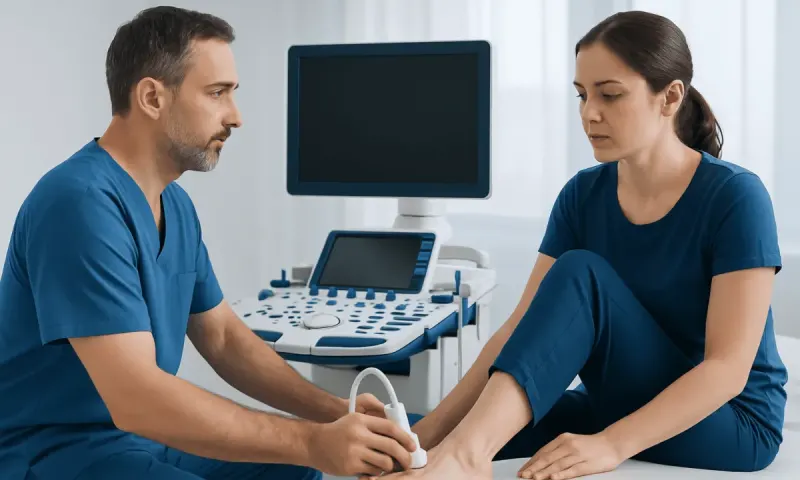
Heel Spurs: Symptoms, Causes and Treatment

Key Takeaways
- Heel spurs are calcium deposits that develop over time, usually in response to repeated stress on the foot.
- Pain is often related to nearby soft-tissue inflammation, especially plantar fasciitis, rather than the spur itself.
- Diagnosis typically includes a clinical exam and imaging when needed, such as an X-ray.
- Most cases improve with conservative care like footwear changes, stretching, orthotics, and activity adjustment.
- Surgery is rarely needed and is considered only when symptoms persist despite well-structured non-surgical treatment.
Heel spurs are bony growths that form near the heel bone, often found alongside irritation of the tissues that support the foot. Many people live with them without knowing, but when heel pain starts affecting walking or daily activity, an orthopedic evaluation can help clarify the cause and guide treatment.
Overview
A heel spur is a small bony outgrowth that develops on the underside or back of the heel bone. It often forms gradually, as the body responds to repeated stress, tension, or tiny injuries around the foot. The spur itself may be seen on an X-ray, but it does not always explain how much pain a person feels.
In many patients, heel discomfort comes from nearby soft tissues rather than the spur alone. One common partner condition is plantar fasciitis, which involves irritation of the thick band of tissue that runs along the bottom of the foot. When the heel is painful, especially with the first steps in the morning or after rest, an orthopedic assessment can help separate heel spur-related findings from other causes of heel pain.
For people planning care from another country, understanding the source of the pain is especially useful. The treatment plan may be simple and non-surgical, but it should still be individualized after a proper exam, since heel pain can have several overlapping explanations.
Symptoms
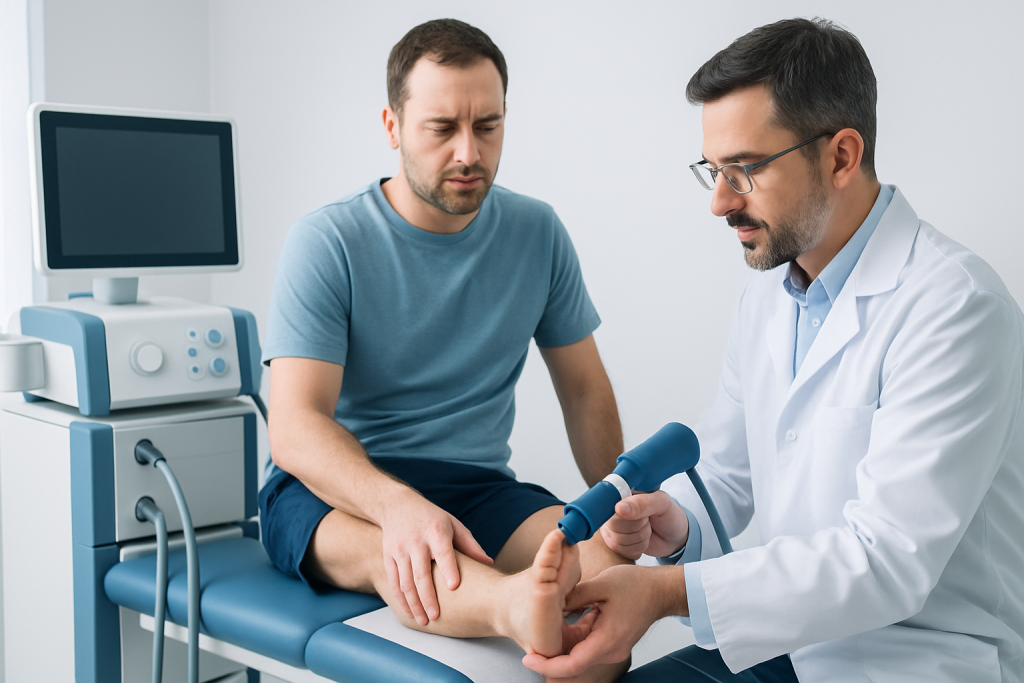
Heel spurs may not cause symptoms at all. Some are discovered incidentally during imaging done for another reason. When symptoms do appear, they are usually felt as pain at the bottom or back of the heel, tenderness when standing, or a sharp sensation when getting up after sitting for a while.
The discomfort is often more noticeable in the morning or after periods of rest. It may ease with movement and then return after prolonged walking, running, or standing. Some people also describe swelling, stiffness, or a feeling that the heel is bruised.
- Pain in the heel when taking the first steps after rest
- Tenderness under the heel or at the back of the heel
- Stiffness in the foot or ankle
- Pain that worsens with long standing, walking, or exercise
- Occasional swelling or local irritation
Because these symptoms overlap with plantar fasciitis, Achilles tendon irritation, stress injury, and other foot conditions, the location and pattern of pain matter as much as the X-ray finding.
Causes & Risk Factors
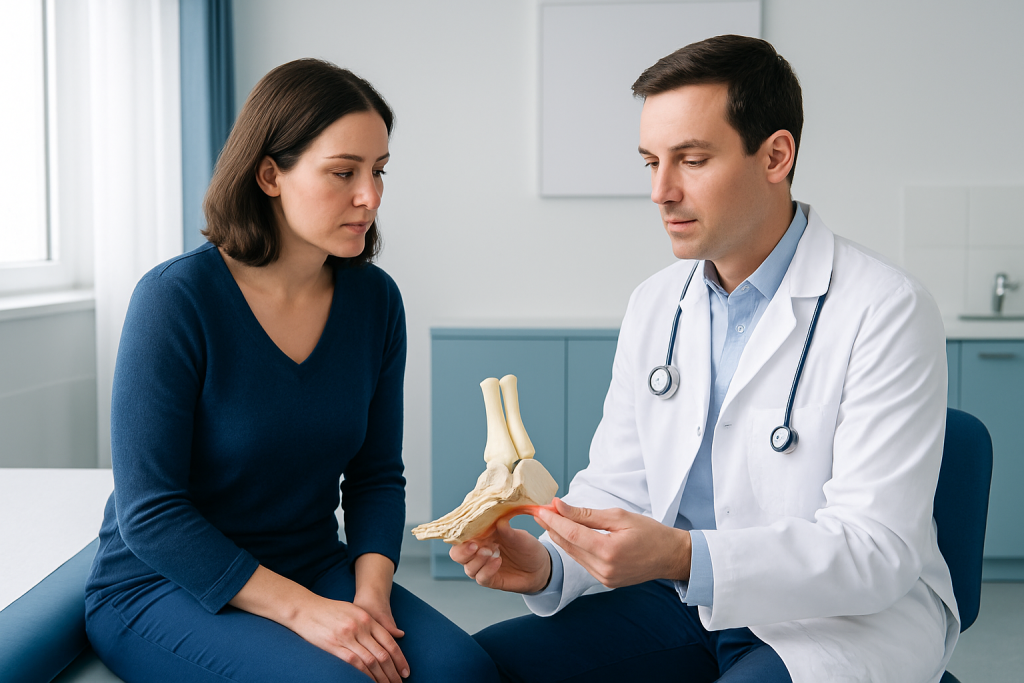
Heel spurs usually develop slowly in response to traction and pressure on the heel bone. Over time, the body lays down extra calcium where the plantar fascia or other tissues repeatedly pull on the bone. This process is often part of long-term mechanical stress rather than a single injury.
Several factors can increase the chance of developing heel pain and heel spurs. These include being on the feet for long periods, activities involving repeated impact, wearing shoes with poor support, and having foot mechanics that place extra load on the heel. Tight calf muscles can also increase tension through the Achilles tendon and plantar fascia.
- Repeated impact from running, jumping, or sports
- Prolonged standing or walking on hard surfaces
- Foot structure issues such as flat feet or high arches
- Tight calf muscles or limited ankle flexibility
- Footwear with inadequate cushioning or arch support
- Excess body weight, which can increase pressure on the heel
- Age-related changes in the tissues of the foot
Not everyone with these risk factors develops a spur, and not every spur causes pain. That is why clinicians focus on the full foot exam and the patient’s symptom pattern, not just the image.
Diagnosis
Diagnosis begins with a careful history and physical examination. A doctor will ask where the pain is located, when it started, what activities make it worse, and whether the pain is sharp, aching, or worst with the first steps of the day. The foot, ankle, and lower leg are often examined together, since tightness or alignment problems higher up can contribute to heel strain.
An X-ray may be used to look for a heel spur and to check for other bone-related causes of pain. In many cases, the spur is clearly visible, but the clinician still needs to decide whether it matches the person’s symptoms. If the presentation is unclear, additional tests may be considered to look for soft-tissue inflammation, tendon problems, or less common conditions.
The goal is not simply to “find a spur,” but to understand what is driving the pain. That approach helps avoid unnecessary treatment and keeps care focused on the actual problem.
Treatment Options
Most heel spur-related pain improves without surgery. Treatment usually starts with reducing the stress that is irritating the heel and supporting the foot while the tissues calm down. A combination of measures is often more effective than relying on one change alone.
Common non-surgical options include supportive footwear, cushioned heel inserts, orthotic devices, Joint Pain Stretching Exercises: Common Causes, Related Conditions, and When to See a Doctor" class="ahp-ilk">stretching exercises, and temporary adjustment of activities that trigger pain. Physical therapy may be recommended to improve flexibility, reduce strain on the plantar fascia and calf muscles, and restore more comfortable movement patterns.
- Supportive shoes with good arch support and cushioning
- Heel pads or orthotic inserts to reduce pressure
- Stretching of the calf muscles and plantar fascia
- Activity modification, especially during painful flare-ups
- Physical therapy for flexibility and gait support
- Anti-inflammatory measures recommended by a doctor
In selected cases, a clinician may discuss other interventions if symptoms do not improve. These may include injections or, less commonly, surgery when pain remains stubborn and clearly linked to the underlying foot problem. Surgery is not the first step for most patients and is typically reserved for persistent cases that have not responded to well-directed conservative care.
Prevention & Self-care
Daily habits can make a meaningful difference, particularly for people who stand a lot, exercise regularly, or have had heel pain before. The aim is to reduce strain on the heel while keeping the foot mobile and supported.
Simple self-care often starts with choosing shoes that match the task. A pair that works well for walking may not be enough for long shifts on hard floors or for sports. Regular calf and foot stretching can also ease tension that pulls on the heel area.
- Wear shoes with firm support and adequate cushioning
- Replace worn-out footwear before support breaks down
- Stretch the calves and the bottom of the foot regularly
- Increase activity gradually rather than all at once
- Use a warm-up and cool-down before exercise
- Consider insoles or orthotic support if recommended
For patients recovering while traveling or returning home after treatment, consistency matters more than intensity. A practical routine that can be maintained across hotels, airports, workspaces, and home settings is usually more helpful than an ambitious plan that is difficult to keep up.
When to See a Doctor
Heel pain that lasts more than a short period, interferes with walking, or keeps returning deserves medical attention. A doctor can determine whether the pain is coming from a heel spur, plantar fasciitis, tendon irritation, nerve compression, or another cause that needs a different approach.
Medical review is especially important if the pain is severe, swelling is marked, or the person cannot bear weight comfortably. Evaluation is also sensible when self-care has not helped, when symptoms are affecting work or sports, or when pain appears after an injury. People with diabetes, circulation problems, or inflammatory arthritis should seek assessment promptly if new foot pain develops.
For international patients, an orthopedic consultation can be arranged alongside imaging, therapy planning, and follow-up guidance so the care path is clear before travel begins. Acibadem Health Point’s multidisciplinary specialists and JCI-accredited hospitals diagnose and treat heel spurs and related foot conditions for international patients.
Living With Heel Spurs
Many people worry when they hear the word “spur,” but the finding is often manageable and does not automatically mean a serious problem. What matters most is whether the foot is functioning comfortably and whether the surrounding tissues are being protected from ongoing strain.
With the right mix of footwear, stretching, activity adjustments, and professional guidance when needed, many patients return to normal routines without major disruption. The treatment plan may need a few adjustments over time, especially for those whose work, travel schedule, or exercise habits place repeated pressure on the feet.
Progress is usually best judged by function: easier first steps, less end-of-day soreness, and a more predictable walking pattern. Those changes often tell the real story of healing better than the X-ray image does.
Frequently asked questions
01Is a heel spur the same as plantar fasciitis?
No. A heel spur is a bony growth, while plantar fasciitis is inflammation or irritation of the plantar fascia, the tissue along the bottom of the foot. They often occur together, and the pain people feel is frequently caused more by the soft-tissue problem than by the spur itself.
02Do heel spurs always cause pain?
No, they do not. Some heel spurs are found by chance on imaging and never cause symptoms. Pain usually depends on whether nearby tissues are inflamed or under strain.
03Can heel spurs go away without surgery?
Yes, many people improve with conservative care. Supportive shoes, stretching, orthotics, and activity changes often reduce symptoms enough to avoid surgery. A doctor can help decide which measures fit the situation best.
04What type of shoes are best for heel pain?
Shoes with good arch support, cushioning, and a stable heel are often helpful. Very flat, worn-out, or unsupportive shoes may increase discomfort. The ideal choice depends on the person’s foot shape, activity level, and symptoms.
05Is walking good or bad for heel spurs?
Walking can be helpful in moderation, but too much walking on painful heels may keep the area irritated. The balance is to stay active while avoiding overuse during flare-ups. A doctor or physical therapist can suggest safer activity adjustments.
06When is surgery considered for a heel spur?
Surgery is uncommon and usually considered only when pain has persisted despite a structured course of non-surgical treatment. Before that step, clinicians usually make sure the pain is truly coming from the heel spur or related tissue irritation rather than another condition.
This article is for general information only and is not a substitute for professional medical advice. Please consult a qualified doctor about your individual situation.
Joint and spine care in Turkey — expert assessment & treatment
JCI-accredited · board-certified surgeons · reply within 24h
Add us as a Preferred Source to see more of our trusted health content across Google Search, AI Overviews and Discover.