Heat Pad on Back Pain: Causes, Relief and When to Worry

Key Takeaways
- Heat can be useful for muscle tightness, stiffness, and mild mechanical back pain.
- It should not be used on fresh injuries, swelling, or numb skin without medical advice.
- Back pain with fever, weakness, bladder changes, or severe injury needs prompt evaluation.
- Good posture, movement, and targeted self-care often work better than resting all day.
- Persistent or recurring back pain deserves assessment to identify the underlying cause.
A heat pad on back pain can ease stiffness, relax tight muscles, and improve comfort when pain is caused by everyday strain or tension. It is not the right choice for every type of back pain, so knowing when heat helps and when it should be avoided is important.
Overview
A heat pad on back pain can be a simple, practical way to feel better when the discomfort comes from muscle tension, stiffness, or a minor strain. Heat is most helpful when pain feels tight, dull, or “locked up,” because warmth can encourage muscles to loosen and improve comfort during movement.
It is not a universal solution, though. Back pain can come from many sources, including joints, discs, nerves, posture, injuries, and medical conditions outside the spine, so the right response depends on the cause. For someone deciding whether to travel for treatment or recover at home, it is useful to think of heat as one tool within a broader plan, not as a replacement for medical assessment when symptoms are unusual or persistent.
In general, heat is used for short-term symptom relief. If back pain keeps returning, lasts longer than expected, or changes in character, a clinician should evaluate the pattern rather than masking it repeatedly with self-care alone.
Symptoms That May Improve With Heat

Heat tends to help when back pain is associated with stiffness rather than sharp, severe, or spreading pain. People often describe a sense of tightness across the lower back, soreness after sitting too long, or aching after lifting, twisting, or prolonged travel. In those situations, warmth may make it easier to stand upright, walk, or sleep more comfortably.
A heat pad may also feel soothing during muscle spasm, which can happen after overuse or poor posture. When the muscles around the spine are guarding or tense, gentle heat can create a calming effect and support relaxation. This is one reason many people notice improvement after a warm shower, heating pad, or warm compress.
Heat is less likely to help if the pain is electric, shooting down the leg, sharply worsened by certain movements, or associated with numbness. Those patterns can suggest nerve involvement or another issue that should be evaluated instead of treated only with home comfort measures.
- Muscle tightness or spasm
- Mild aching after activity or long sitting
- Stiffness on waking or after rest
- Soreness that improves with gentle movement
Causes and Risk Factors
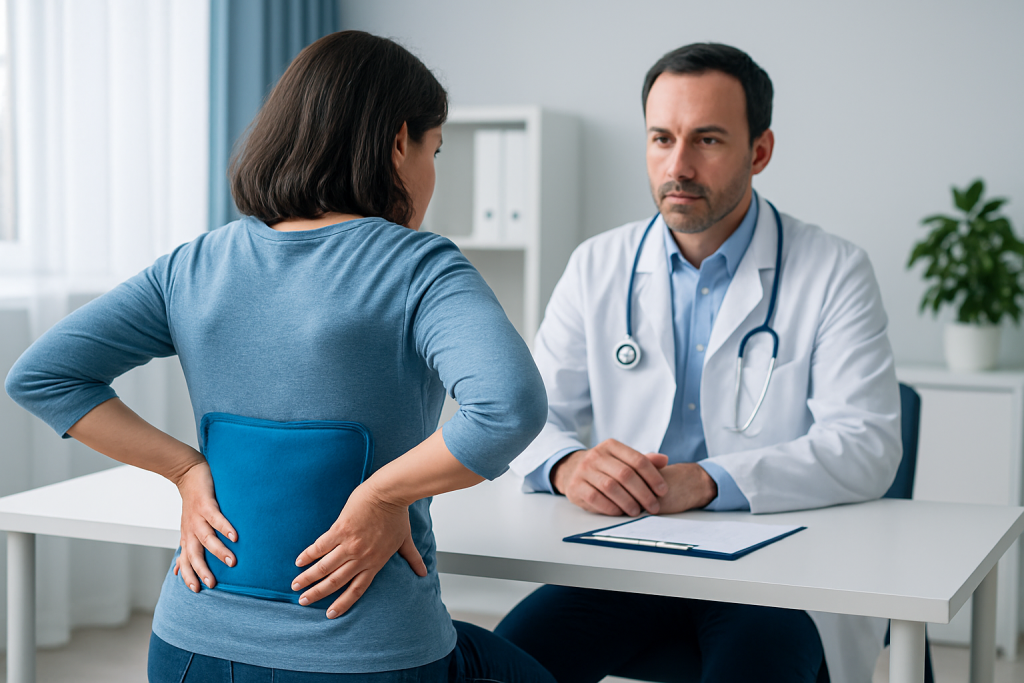
The commonest reason people reach for heat is mechanical back pain, which means pain related to muscles, ligaments, joints, posture, or repetitive strain. This may follow lifting a heavy object, sleeping awkwardly, long hours at a desk, carrying luggage, or increased physical activity after a period of inactivity.
Several factors make back pain more likely to recur: weak core and back muscles, long periods of sitting, stress that increases muscle tension, poor ergonomics, excess body weight, and previous back injury. In international travel, long flights, unfamiliar beds, carrying bags, and changes in routine can add more strain to the spine and surrounding muscles.
Heat is usually most appropriate when the pain is linked to muscle tension and there is no major swelling or recent trauma. It is generally not the first choice for a fresh injury, a suspected fracture, or pain accompanied by inflammation, because those situations may need a different approach.
Diagnosis
Many episodes of back pain do not require complex testing at the start. A doctor usually begins with a history of the symptoms, including where the pain is located, what it feels like, what makes it better or worse, and whether there are warning signs such as numbness, weakness, fever, or bladder changes. A physical examination helps assess posture, movement, muscle tenderness, reflexes, and nerve function.
Imaging tests are not always necessary for simple back pain. X-rays, MRI, or other studies may be considered if there is concern about a fracture, significant nerve compression, infection, inflammatory disease, or pain that does not improve as expected. The goal is to match the test to the clinical picture rather than rely on imaging alone.
For people seeking care while traveling, a clear diagnosis matters because treatment plans should be realistic and followable after returning home. A good evaluation should explain what type of back pain is likely present, what can be done safely right away, and which symptoms should trigger follow-up.
Treatment Options
Heat therapy is often one part of a broader treatment plan. When used correctly, it can support comfort and movement, especially in the early stages of muscle-related pain. A warm pack, heating pad, or warm shower may be helpful for short periods, provided the skin is checked regularly and the heat is not intense enough to cause burns.
Other common approaches include staying gently active, modifying aggravating activities, improving posture, and using targeted exercises or physical therapy when appropriate. Some people benefit from over-the-counter pain relief, but any medication choice should be discussed with a doctor or pharmacist, especially when there are other medical conditions or prescription medicines involved.
If the pain is linked to a more specific problem such as nerve irritation, spinal arthritis, a disc issue, or an injury, treatment may need to be tailored. In those cases, a clinician may recommend exercise-based rehabilitation, manual therapy, injections in selected situations, or another medical strategy depending on the diagnosis.
- Short sessions of heat for muscle tightness
- Gentle walking or stretching if tolerated
- Physical therapy or guided exercise
- Posture and workstation adjustments
- Condition-specific treatment when a clear cause is found
Prevention and Self-care
Preventing back pain often starts with reducing the everyday strain that builds up slowly. Regular movement matters more than perfect posture, and many people do better when they alternate sitting, standing, and walking through the day. A supportive chair, screen at eye level, and thoughtful lifting technique can make a noticeable difference.
At home, a heat pad can be part of a sensible routine for occasional stiffness, but it should be used carefully. The skin should be protected from direct contact if needed, the heat should feel warm rather than hot, and it is safest to avoid falling asleep with the pad in place. People with reduced sensation, circulation problems, or diabetes-related neuropathy should ask a clinician before using heat on the back.
For travelers, simple planning can reduce flare-ups: pack lighter bags, take standing breaks on long journeys, and stretch gently after sitting for extended periods. If back pain is a recurring pattern, rehabilitation-focused advice from a specialist can help identify the weak point in the movement chain rather than treating each episode as an isolated event.
When to See a Doctor
Medical review is important if the pain is severe, lasts more than a few weeks, keeps returning, or is affecting sleep, work, or walking. A doctor should also evaluate back pain if it started after a fall, car accident, or other significant injury, even when the discomfort seems manageable at first.
Prompt assessment is especially important if back pain comes with leg weakness, numbness in the groin area, loss of bladder or bowel control, fever, unexplained weight loss, or pain that is constant and unrelenting. These symptoms do not always mean something serious is present, but they do deserve timely evaluation to rule out conditions that need treatment beyond home care.
For international patients, this is often the point where specialist input becomes valuable: a focused orthopedics or rehabilitation assessment can clarify whether the pain is muscular, spinal, or nerve-related and help build a plan that continues smoothly after travel. Acibadem Health Point’s multidisciplinary specialists and JCI-accredited hospitals diagnose and treat back pain for international patients as part of coordinated care.
Living With Back Pain Safely
Back pain often improves best when comfort measures are paired with movement and a clear understanding of the cause. Heat may ease symptoms enough to get through a difficult day, but lasting recovery usually depends on addressing the underlying trigger, whether that is overuse, poor mechanics, deconditioning, or a specific spinal condition.
A good rule is to use self-care to support function, not to ignore new or changing symptoms. If the pain is predictable, mild, and tied to muscle tension, a heat pad can be reasonable. If it is unusual, severe, or accompanied by other symptoms, medical assessment is the safer next step.
When back pain begins to interfere with daily life, an individualized plan from a qualified clinician can help restore confidence in movement and reduce repeated flare-ups over time.
Frequently asked questions
01Is a heat pad on back pain better than ice?
It depends on the cause and timing of the pain. Heat is often better for stiffness, tight muscles, and chronic aching, while ice is more commonly used soon after an injury or when swelling is present. If the cause is unclear, a clinician can help decide which is more appropriate.
02How long should heat be used on the back?
Heat is usually best used in short sessions rather than continuously. The skin should be checked regularly, and the pad should never be hot enough to burn or irritate the skin. Avoid falling asleep with a heating pad on the back unless a product is specifically designed for safe overnight use and a doctor has advised it.
03Can heat make back pain worse?
Yes, in some situations it can. Heat may not be suitable for fresh injuries, swelling, or areas with reduced sensation because it can increase discomfort or cause burns without being noticed. If the pain worsens after heat, it should be stopped and medically reviewed if needed.
04What kind of back pain responds best to heat?
Heat usually helps muscle-related pain, stiffness, and mild spasms. It is less likely to help pain that shoots down the leg, causes numbness, or follows a major injury. Those patterns can point to nerve or structural problems that need assessment.
05When should back pain be checked by a doctor?
Back pain should be checked if it is severe, persistent, recurrent, or linked to weakness, numbness, fever, bladder or bowel changes, or an injury. A medical evaluation is also wise if self-care is not restoring normal movement or daily function. Early assessment can help identify the cause and prevent delays in treatment.
06Can heat pad use replace exercise or physical therapy?
No. Heat can improve comfort and may make movement easier, but it does not fix the underlying problem. Gentle exercise, posture changes, and physical therapy are often needed to reduce the chance of pain coming back.
This article is for general information only and is not a substitute for professional medical advice. Please consult a qualified doctor about your individual situation.
Joint and spine care in Turkey — expert assessment & treatment
JCI-accredited · board-certified surgeons · reply within 24h
Add us as a Preferred Source to see more of our trusted health content across Google Search, AI Overviews and Discover.