Heart Stress Test: What Happens During the Test?
A heart stress test measures the heart’s electrical activity, rhythm, blood pressure and sometimes blood flow while the heart is working harder than at rest. It can help a clinician investigate symptoms such as chest discomfort or breathlessness and assess the likelihood of coronary artery disease.
Heart Stress Test Overview
A heart stress test, also called a cardiac stress test or exercise stress test, evaluates how the heart responds when it needs more oxygen. During physical activity, the heart beats faster and pumps more blood. This can reveal changes that may not be present when a person is resting.
The most common test involves walking on a treadmill while a clinician monitors the electrocardiogram (ECG), heart rate, blood pressure and symptoms. Some people need a medication stress test instead, particularly if they cannot exercise adequately or safely. Imaging may also be added to show blood flow to the heart muscle or how well the heart pumps.
A stress test is often requested for chest pain, unexplained shortness of breath, palpitations, reduced exercise tolerance or assessment of known heart disease. It is one part of a wider evaluation and is not a stand-alone diagnosis.
What Happens During a Heart Stress Test?
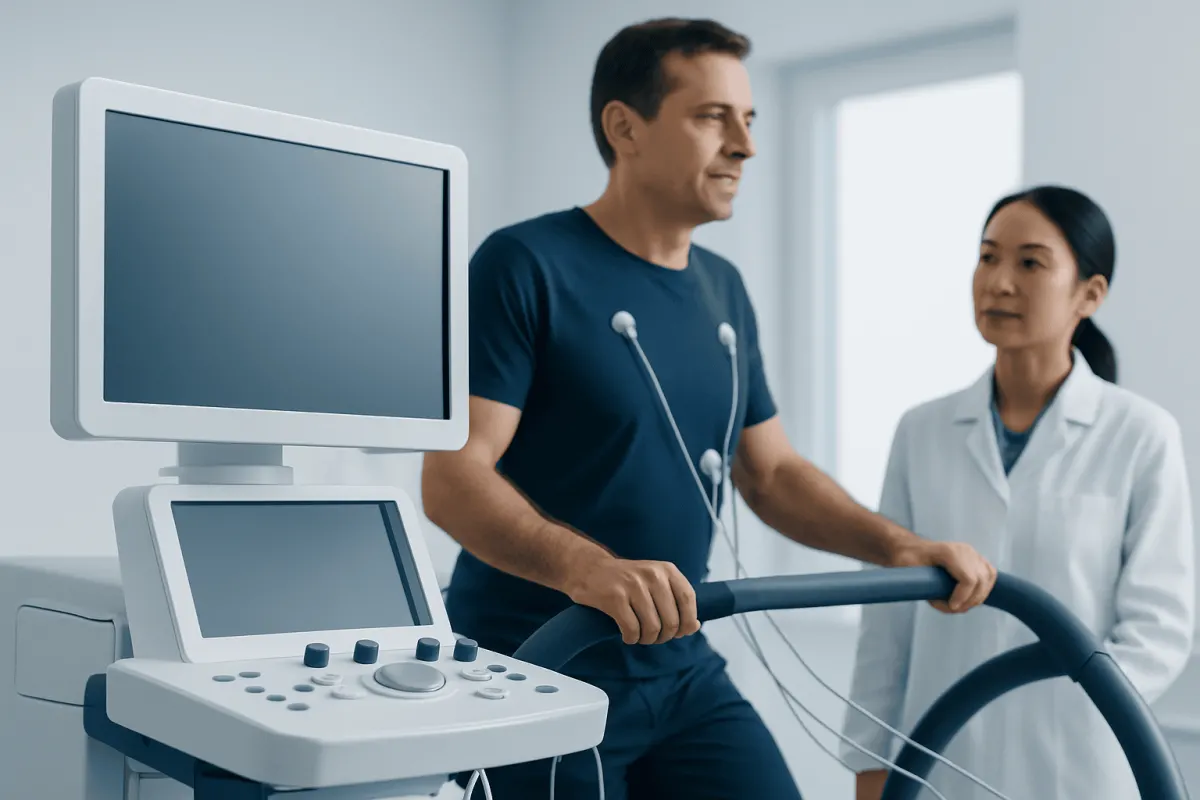
Before the test, a healthcare professional reviews symptoms, medical history, medicines and any previous heart tests. Small adhesive electrodes are placed on the chest to record the ECG. A blood pressure cuff is also used at intervals throughout the procedure.
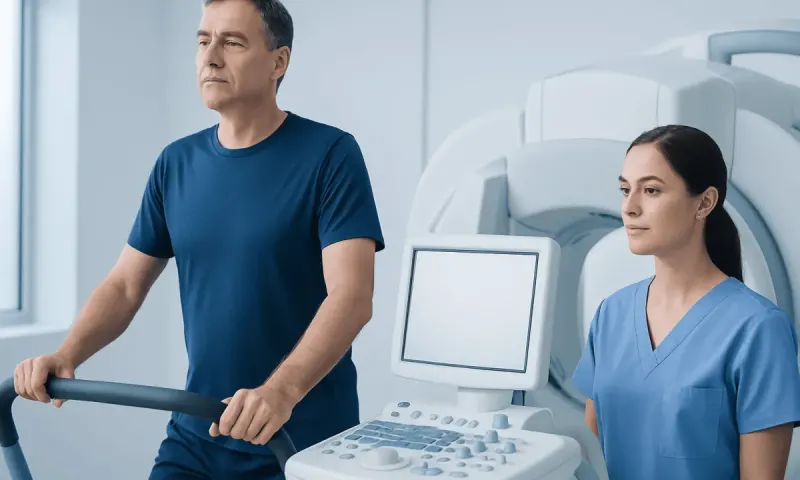
For an exercise stress test, the person begins walking slowly on a treadmill. The speed and incline usually increase in stages, making the heart work progressively harder. The clinician monitors for ECG changes, blood-pressure responses, abnormal rhythms and symptoms such as chest discomfort, dizziness or unusual breathlessness.
The active exercise portion is commonly brief, but the full appointment may take longer because of preparation, monitoring and recovery. The test is stopped when the person reaches a target level of exertion, develops limiting symptoms, has concerning monitoring changes or asks to stop. Staff continue monitoring for several minutes afterward as the heart rate returns toward baseline.
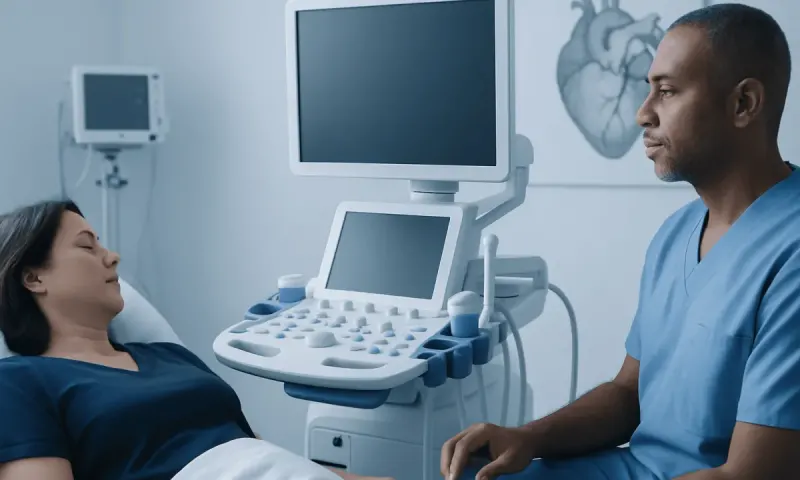
Stress imaging tests may include an echocardiogram before and after exercise, or a nuclear imaging study using a small amount of tracer to compare heart blood flow at rest and under stress. A medication stress test uses medicines that either increase the heart rate or widen heart blood vessels to simulate the effects of exercise.
What Not to Do Before a Stress Test?
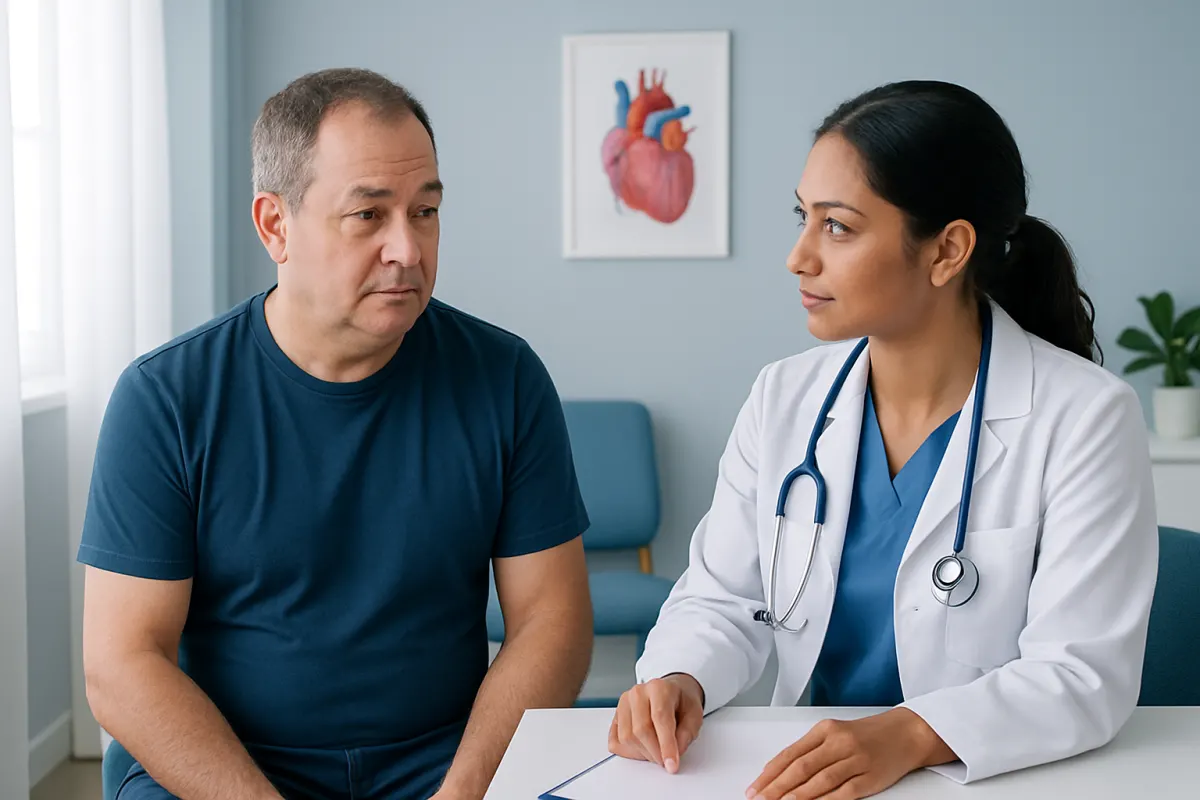
Preparation instructions depend on the type of heart stress test and the person’s health conditions. The testing team should provide individualized guidance in advance, especially for people taking medicines for diabetes, heart rhythm conditions, blood pressure or chest pain. Medicines should not be stopped unless the prescribing clinician or testing team specifically advises it.
In many cases, people are asked to avoid caffeine for a period before certain medication or nuclear stress tests, because caffeine can interfere with medications used during the examination. They may also be asked not to eat a heavy meal for several hours beforehand. Water is often allowed, but the center’s instructions should be followed.
Smoking and nicotine products should generally be avoided before testing, as nicotine can affect heart rate and blood pressure. Comfortable walking shoes and loose clothing are useful for an exercise test. Patients should tell the team about new symptoms, pregnancy or possible pregnancy, asthma or lung disease, and any difficulty walking on a treadmill.
- Do not exercise vigorously immediately before the appointment unless instructed otherwise.
- Do not consume caffeine if the testing center has asked for caffeine avoidance.
- Do not apply lotions, oils or powders to the chest on the day of an ECG-based test, as they can prevent electrodes from sticking well.
- Do not make medication changes without medical advice.
How Do You Know If You Passed the Stress Test?
Stress tests are not usually reported as a simple pass-or-fail examination. A clinician interprets the findings by considering whether the person reached an adequate level of stress, whether symptoms occurred, and whether there were significant changes in the ECG, blood pressure, heart rhythm or imaging results.
A result may be described as normal, negative for inducible ischemia, low risk, inconclusive or abnormal. A normal or low-risk result generally means the test did not show evidence of reduced blood flow to the heart under the conditions of the examination. It is reassuring, but it does not exclude all possible causes of symptoms or every form of heart disease.
An inconclusive result can happen if the target heart rate was not reached, if ECG findings are difficult to interpret, or if symptoms and test signals do not provide a clear answer. The clinician may recommend a different type of stress test, coronary CT angiography, or another evaluation based on the individual situation.
Does an Exercise Stress Test Show Blocked Arteries?
An exercise stress test can suggest whether narrowed coronary arteries may be limiting blood flow to the heart muscle during exertion. If a coronary artery is significantly narrowed, the increased oxygen demand of exercise may trigger symptoms, ECG changes or imaging abnormalities. However, the test does not directly show the arteries themselves.
Because it is an indirect test, an exercise stress test can occasionally be normal despite coronary artery disease, or show changes that are not caused by a significant blockage. Accuracy is influenced by the type of test, exercise level achieved, baseline ECG pattern, sex, age, medications and the person’s overall likelihood of coronary disease.
Stress tests with imaging can provide more information about heart muscle movement or blood flow than an ECG-only treadmill test. When clinicians need a direct view of coronary artery anatomy, they may consider coronary CT angiography or invasive coronary angiography. Evaluation may also include assessment and management of related conditions such as coronary artery disease.
What Are the Next Steps If I Have an Abnormal Stress Test Result?
An abnormal stress test result should be reviewed with the clinician who ordered it, ideally in the context of the person’s symptoms, medical history and cardiovascular risk factors. The meaning can range from a mild, uncertain finding to evidence suggesting that blood flow to part of the heart may be reduced during stress. It does not automatically confirm a severe blockage or mean that an invasive procedure is necessary.
Possible next steps include repeating or clarifying the evaluation with stress imaging, coronary CT angiography, blood tests, echocardiography or referral to a cardiologist. In some circumstances, especially when symptoms or results suggest higher risk, coronary angiography may be considered to examine the arteries more directly.
Treatment may include support for smoking cessation, physical activity guidance, nutrition changes and medicines to address cholesterol, blood pressure, diabetes or angina when appropriate. If a significant coronary narrowing is confirmed, treatment options may include coronary angiography and, for selected patients, procedures such as coronary angioplasty. The appropriate plan depends on the individual’s findings and overall health.
Recovery, Safety and When to Seek Medical Care
After an uncomplicated exercise stress test, most people can usually return to normal daily activities shortly afterward. It is common to feel temporarily tired after exertion. People who receive a medication stress test or sedation for an associated procedure may need additional observation and should follow the center’s discharge instructions.
Stress testing is generally performed in a controlled setting with trained staff and emergency equipment available. The team monitors symptoms and vital signs closely and can stop the test promptly. Before testing, it is important to report chest pain at rest, severe breathlessness, fever, recent illness, new neurological symptoms or any major change in health, as the appointment may need to be reassessed.
Urgent medical assessment is needed for chest pressure or pain that is severe, persistent or occurs at rest, especially if it is accompanied by sweating, nausea, fainting, marked shortness of breath, or pain spreading to the arm, jaw, back or shoulder. Emergency services should be contacted rather than waiting for a scheduled stress test or clinic appointment.
For international patients, Acıbadem Health Point’s multidisciplinary specialists and JCI-accredited hospitals can evaluate symptoms and arrange appropriate cardiac testing and treatment planning when needed.
Frequently asked questions
01How long does a heart stress test take?
The treadmill exercise portion often lasts only several minutes, depending on fitness and the test protocol. However, preparation, monitoring and recovery mean the appointment may take longer. Imaging or medication-based stress tests can require additional time.
02Can a person drive home after a stress test?
Most people can drive after a routine exercise stress test if they feel well and have not received sedating medication. The testing center may give different instructions for medication stress tests or imaging procedures. Patients should arrange transport if they have been advised not to drive or if they feel unwell afterward.
03Is it normal to feel tired after an exercise stress test?
Mild tiredness or muscle fatigue can be normal after exercising on a treadmill, particularly for someone who is not accustomed to vigorous activity. Symptoms should improve with rest. Persistent chest pain, fainting, severe breathlessness or worsening symptoms require urgent medical attention.
04Can a normal stress test rule out heart disease?
A normal result lowers the likelihood of certain flow-limiting coronary artery problems under the test conditions. It cannot rule out every heart condition, early coronary plaque, small-vessel disease or non-cardiac causes of symptoms. Ongoing or changing symptoms should still be discussed with a clinician.
05Why might a doctor order imaging with a stress test?
Stress imaging can provide additional information about blood flow to the heart muscle or movement of the heart walls during exertion or medication-induced stress. It may be useful when an ECG-only exercise test is less reliable or when more detail is needed. The clinician selects the test based on symptoms, medical history and ability to exercise.
06What symptoms should be reported during the test?
The person should promptly tell the team about chest pressure, pain, unusual shortness of breath, dizziness, palpitations, nausea, leg pain or severe fatigue. Reporting symptoms helps the team assess the test safely and accurately. Patients may ask to stop the test at any time.
This article is for general information only and is not a substitute for professional medical advice. Please consult a qualified doctor about your individual situation.
Heart care in Turkey — expert evaluation and treatment
JCI-accredited · board-certified surgeons · reply within 24h
Add us as a Preferred Source to see more of our trusted health content across Google Search, AI Overviews and Discover.